
California, the Golden State, is synonymous with sun-drenched beaches, towering redwoods, vibrant cities like Los Angeles and San Francisco, and a lifestyle that embraces the outdoors. Millions flock here annually to explore world-renowned landmarks, indulge in exquisite cuisine in regions like Napa Valley, or seek adventure in its diverse landscapes, from the serene beauty of Lake Tahoe to the rugged coastline of Big Sur. Yet, beneath this idyllic veneer lies a harsh reality: California is one of the most wildfire-prone regions on Earth. Every year, headlines scream of devastating blazes that tear through communities, forests, and wildlands, leaving a trail of destruction, displacement, and heartbreak. The question “What Caused The Fires In California?” is not simple; it’s a complex tapestry woven from natural conditions, human actions, and the accelerating impact of climate change. Understanding these multifaceted causes is crucial, not just for residents, but for anyone planning to visit this magnificent state, as fires profoundly impact travel, tourism, and the very fabric of life here.
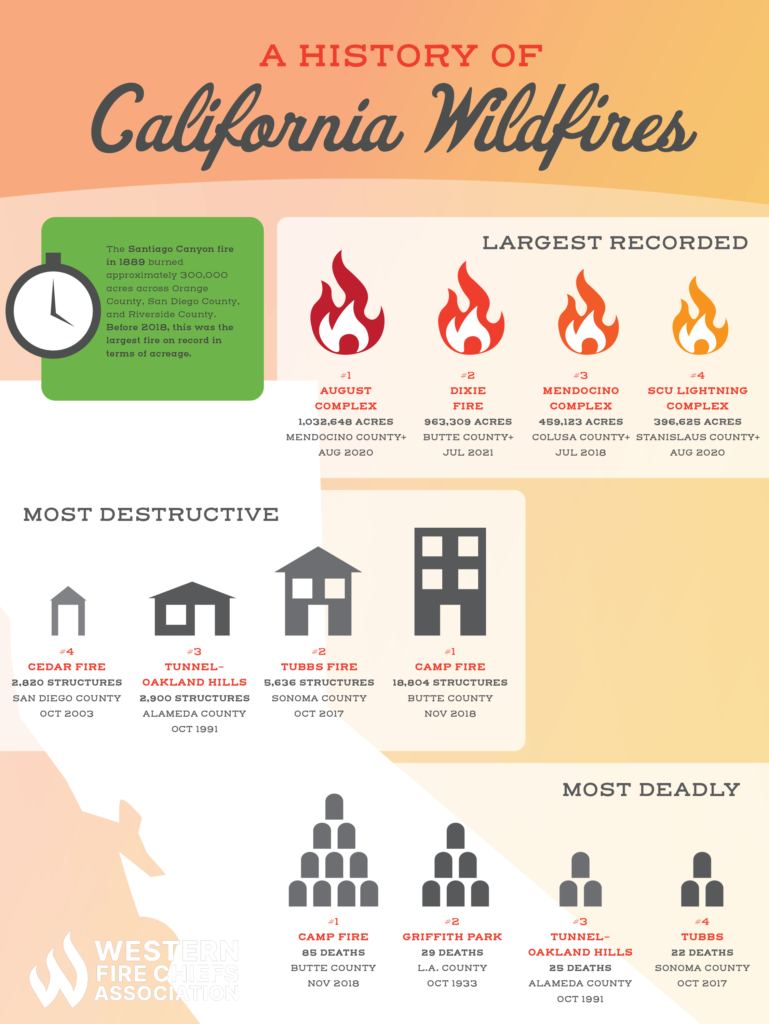
The Golden State’s Flammable Foundation: Natural Predispositions
California’s unique geography and climate inherently predispose it to wildfires. For millennia, fire has been a natural, albeit destructive, force shaping the state’s ecosystems.
Arid Landscapes and Seasonal Dynamics: The Fuel Bed
At the heart of California’s fire susceptibility is its Mediterranean climate, characterized by hot, dry summers and mild, wet winters. While winter rains nourish lush vegetation, the ensuing long, parched summers transform this growth into highly flammable fuel. The state’s diverse topography, from coastal chaparral to dense inland forests, creates a vast and varied fuel bed. Chaparral, a scrubland common across Southern California, is particularly fire-adapted and notoriously combustible, often igniting explosively. Forests, too, accumulate dead leaves, branches, and undergrowth over time, creating a ladder of fuel that can carry ground fires into the tree canopy, leading to massive, fast-moving crown fires.
Historically, indigenous land management practices, including controlled burns, helped reduce this fuel load. However, a century of fire suppression policies, aimed at preventing all fires, inadvertently led to an unnatural accumulation of vegetation, creating a ticking time bomb of fuel just waiting for a spark. This increased fuel density means that when fires do ignite, they burn hotter, faster, and are far more destructive than they might have been historically. The absence of regular, low-intensity fires also alters forest structures, leading to denser stands that are more vulnerable to disease and insect outbreaks, further exacerbating fire risk. This affects not only the natural landscape but also popular hiking trails, camping sites, and scenic drives that draw tourists to the state’s iconic natural landmarks.

The Spark of Nature: Lightning Strikes
While less common than human-caused ignitions, lightning remains a significant natural cause of wildfires, particularly in Northern California and mountainous regions. Often, lightning strikes occur during “dry lightning” events, where thunderstorms produce lightning but little to no rain, leaving a trail of potential ignition points. These fires can be particularly challenging to contain because they often ignite in remote, inaccessible areas, making early detection and suppression difficult for firefighters. A single lightning storm can spawn dozens or even hundreds of individual fires across a wide area, overwhelming firefighting resources and allowing some to grow unchecked into massive infernos. Such events can rapidly transform serene natural attractions like Yosemite National Park or portions of Redwood National Park from peaceful destinations into hazardous zones, impacting tourism and outdoor recreation plans for visitors and residents alike.
The Human Footprint: A Catalyst for Catastrophe
While natural conditions set the stage, human activities are overwhelmingly responsible for igniting the vast majority of wildfires in California. These ignitions range from unintentional accidents to deliberate acts, each contributing to the state’s escalating fire crisis.
Accidental Ignitions: From Power Lines to Campfires
The most common human causes of wildfires are often accidental and linked to infrastructure and everyday activities. Faulty or downed power lines are a significant culprit, especially during high winds. Aging infrastructure, coupled with the expansion of residential areas into wildlands, means that utility equipment often traverses fire-prone vegetation. Sparks from arcing power lines or lines brought down by strong winds can easily ignite dry grasses and brush. Utility companies like Pacific Gas and Electric (PG&E) and Southern California Edison have faced immense scrutiny and legal battles over their role in starting some of California’s most destructive fires, leading to significant investments in grid hardening and preventative power shutoffs. These shutoffs, while aimed at safety, can disrupt daily life and business, affecting travel plans and local economies.
Beyond utilities, a host of other human activities contribute to accidental ignitions. Discarded cigarettes, sparks from welding or grinding equipment at construction sites, hot vehicle catalytic converters igniting roadside grass, or even fireworks can all trigger devastating blazes. Unattended campfires, though seemingly small, are a persistent threat, especially in popular camping destinations within state parks and national forests. Even seemingly innocuous activities, like leaving a hot barbecue unattended or carelessly disposing of ash, can have catastrophic consequences. Tourists visiting California for its natural beauty are often encouraged to be highly aware of fire safety regulations, as their actions, however unintentional, can have profound effects on the environment and surrounding communities.
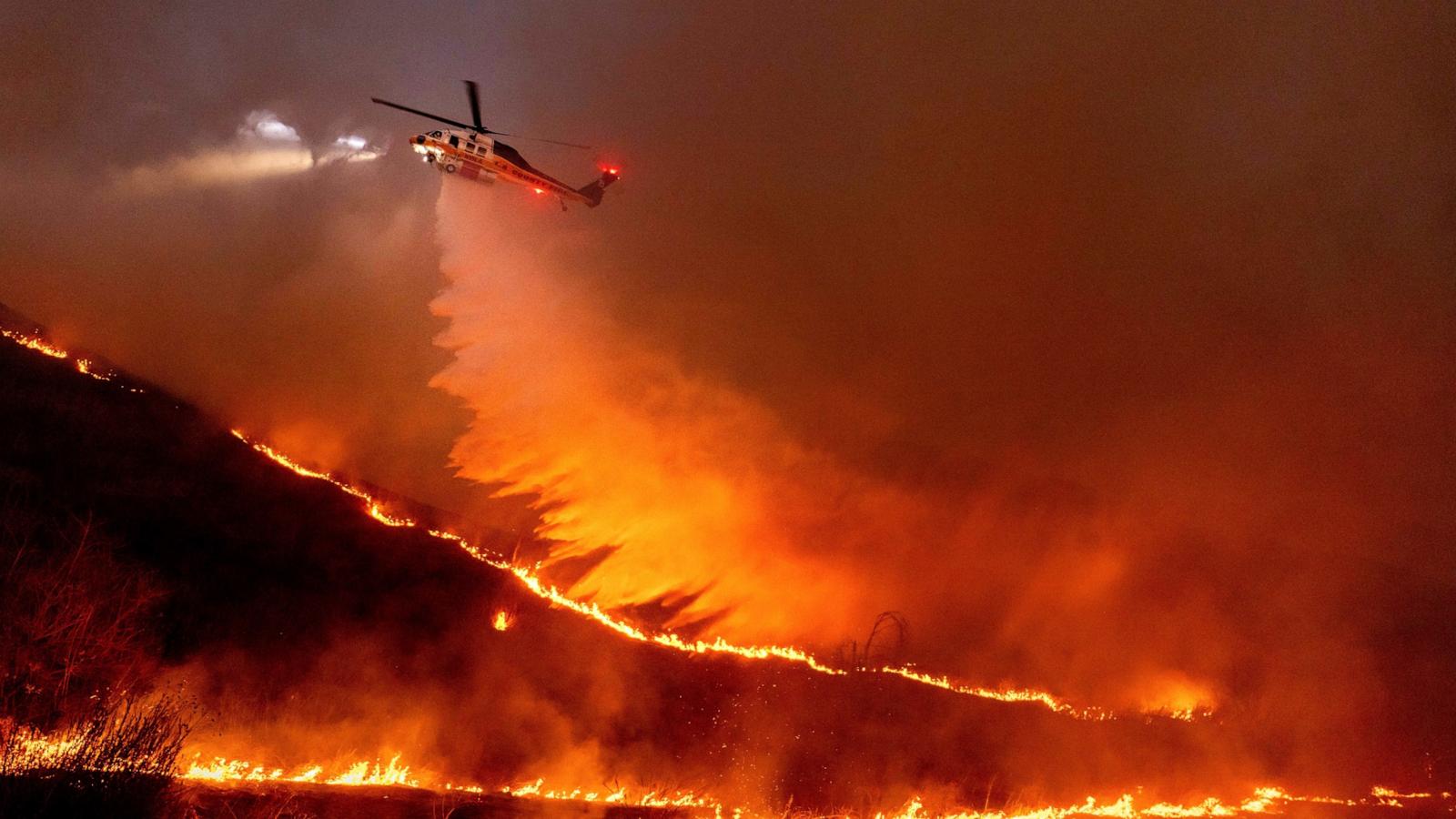
The Wildland-Urban Interface: Where Homes Meet the Wild
One of the most pressing factors exacerbating wildfire risk and damage is the increasing development within the Wildland-Urban Interface (WUI). The WUI is the zone where homes and businesses are built adjacent to or within wildland vegetation. California’s booming population and a desire for scenic, rural living have pushed development further into these fire-prone areas, especially in desirable locations like Malibu, Sonoma, and the foothills surrounding cities like Sacramento and San Diego.
This expansion creates a dangerous feedback loop. More homes in the WUI mean more potential ignition sources (faulty wiring, stray embers from chimneys, landscaping equipment). It also means that when fires do occur, more lives and properties are at risk, complicating evacuation efforts and stretching firefighting resources. The vegetation around homes in the WUI often acts as a fuel bridge, allowing fires to spread rapidly from wildlands directly into neighborhoods. This interface impacts local culture and lifestyle significantly, as residents live with the constant threat of evacuation, property loss, and the psychological toll of living in a high-risk zone. It also affects the tourism sector, as hotels and accommodations in these scenic but vulnerable areas face existential threats, impacting booking availability and reviews for extended periods.
Deliberate Acts: The Scourge of Arson
While often overshadowed by accidental causes, arson accounts for a notable percentage of wildfires. These deliberate acts of ignition, whether driven by malice, mental instability, or reckless behavior, can be among the most challenging to predict and prevent. Arson fires are particularly insidious because they are intentionally set, often in multiple locations, or during optimal fire conditions, maximizing their destructive potential. The motivations behind arson are varied and complex, making it difficult for law enforcement and fire agencies to identify and apprehend perpetrators. Although they represent a smaller fraction of total ignitions, arson fires can be immensely destructive, consuming vast acreages and threatening communities. The investigation and prosecution of arson cases are critical components of California’s fire prevention strategy, as these acts not only devastate landscapes but also cause immense distress and fear within affected communities, impacting their sense of security and their ability to plan for the future.
Climate Change: Amplifying the Inferno
Beyond the immediate sparks and fuel, a macro-level driver is increasingly supercharging California’s fire environment: climate change. The warming planet is not just contributing to more fires; it’s making them larger, more frequent, and more intense.
A Warmer, Drier California
Global warming has led to a noticeable increase in average temperatures across California. Higher temperatures mean snowpacks melt earlier in the spring, shortening the wet season and leading to a longer, hotter dry season. This extended period of heat and drought causes vegetation to dry out more thoroughly and for longer durations, turning forests and chaparral into tinderboxes. The increased evaporation from soils and plants further stresses the ecosystem, making trees and shrubs more susceptible to pests and diseases, which in turn creates more dead, combustible material.
The effects are felt statewide, from the Sierra Nevada mountains to the coastal plains. Iconic destinations that rely on natural beauty and outdoor recreation, such as Lake Tahoe with its diminishing snowpack or the Redwood forests grappling with changing moisture levels, are directly impacted. This shift towards a consistently warmer and drier climate means that the “fire season” is no longer a distinct period but rather an almost year-round threat, significantly impacting lifestyle for residents who once relied on predictable seasonal patterns.
Intensified Weather Patterns
Climate change doesn’t just make California hotter and drier; it also amplifies the extreme weather events that fuel wildfires. The state experiences increasingly frequent and intense heatwaves, which desiccate landscapes and create critical conditions for rapid fire spread. Perhaps most critically, climate change is believed to be influencing the severity and duration of powerful winds, such as the infamous Santa Ana Winds in Southern California and the Diablo Winds in Northern California. These hot, dry winds act like a bellows, fanning small fires into raging infernos, carrying embers for miles, and making containment efforts incredibly challenging. They often occur during periods of extreme dryness, further exacerbating the danger.
The combination of extreme heat and strong, dry winds creates a perfect storm for megafires—blazes that are unprecedented in size and intensity. These fires move with terrifying speed, threatening entire communities, overwhelming emergency services, and causing widespread air quality issues across vast regions, even far from the actual fire zones.
Navigating the Ashes: Impact on Travel, Tourism, and Lifestyle
The constant threat and reality of wildfires have profound implications for California’s vibrant tourism industry and the everyday lives of its residents. It’s an essential consideration for anyone traveling to, or living in, the Golden State.
Shifting Travel Plans and Destination Choices
Wildfires directly impact travel by causing road closures, evacuations, and the destruction of infrastructure. Popular tourist destinations like parts of Napa Valley or Big Sur have seen their landscapes scarred, wineries damaged, and scenic drives temporarily or permanently altered. National parks, a cornerstone of California’s tourism, frequently close sections or entirely due to active fires or lingering smoke, leading to canceled bookings for accommodation and experiences. Air quality can deteriorate hundreds of miles from a fire, making outdoor activities unpleasant or even hazardous for tourists, particularly those with respiratory conditions.
For hotels, resorts, and vacation rentals, wildfires present an existential threat. Properties can be directly destroyed, or they may face significant revenue losses due to cancellations, diminished bookings, and the perception of danger, even if they are not directly in harm’s way. Tourists might opt for alternative destinations within the state or even choose to visit different countries to avoid the uncertainty. This directly affects local economies that rely heavily on tourism, from small shops and restaurants in Ventura to luxury resorts in Orange County. Understanding the fire season and checking local conditions becomes an integral part of planning any trip to California.
Resilience and Rebuilding: A New Normal
Despite the challenges, Californians and the state’s tourism industry demonstrate remarkable resilience. Communities band together to support those affected, and efforts to rebuild and recover are swift. There’s a growing emphasis on fire-wise landscaping and building practices for both residents and commercial properties to mitigate future risks. For tourists, this translates into an increased awareness of responsible travel. Visitors are encouraged to respect fire bans, dispose of waste properly, and stay informed about local conditions.
The lifestyle in many parts of California has adapted to this “new normal.” Residents engage in defensible space clearance, participate in community fire preparedness programs, and live with the knowledge that emergency alerts and evacuations could become a part of their lives. For businesses, including hotels and other accommodations, adapting means investing in fire-resistant materials, developing robust emergency plans, and communicating clearly with guests about safety protocols. While the beauty of California remains undeniable, experiencing it responsibly now includes acknowledging and respecting the powerful natural forces at play, fostering a deeper connection to the land and its ongoing story of challenge and renewal.
Conclusion
The question “What Caused The Fires In California?” reveals a tapestry of interconnected factors. The state’s natural beauty and climate, characterized by dry conditions and abundant vegetation, create an inherent susceptibility. This natural predisposition is amplified by myriad human actions, from accidental ignitions due to aging infrastructure and everyday carelessness to deliberate acts of arson, all compounded by the expanding Wildland-Urban Interface. Hovering above these immediate causes is the undeniable and accelerating impact of climate change, which ushers in hotter, drier conditions and more extreme weather patterns, transforming what were once seasonal occurrences into a near year-round threat of unprecedented scale.
For travelers, this complex reality means that while California remains a stunning destination offering unparalleled experiences, visiting requires heightened awareness and responsibility. For residents, it’s a call to adapt, innovate, and build more resilient communities. The fires are a stark reminder of humanity’s intricate relationship with nature, urging us to understand, respect, and actively work towards mitigating risks to protect both lives and the irreplaceable landscapes of the Golden State.
LifeOutOfTheBox is a participant in the Amazon Services LLC Associates Program, an affiliate advertising program designed to provide a means for sites to earn advertising fees by advertising and linking to Amazon.com. Amazon, the Amazon logo, AmazonSupply, and the AmazonSupply logo are trademarks of Amazon.com, Inc. or its affiliates. As an Amazon Associate we earn affiliate commissions from qualifying purchases.