
Los Angeles, a sprawling metropolis synonymous with sunshine, Hollywood glamour, and iconic landmarks, is also increasingly defined by another, more destructive phenomenon: wildfires. These infernos, often characterized by their rapid spread and devastating impact, have become a recurring and concerning feature of the Southern California landscape. While the vibrant energy of the city draws millions of visitors and residents alike, understanding the complex interplay of factors that fuel these destructive events is crucial for appreciating the full environmental narrative of this unique region. This exploration delves into the primary causes behind the wildfires that have repeatedly scorched the hillsides and urban fringes of Los Angeles.

The Crucible of Climate: Environmental Preconditions for Fire
The very geography and climate of Los Angeles create a fertile ground for wildfires. The region experiences a Mediterranean climate, characterized by long, dry summers and mild, wet winters. This seasonal pattern leads to a significant buildup of dry vegetation, which acts as the primary fuel source for fires.
Santa Ana Winds: The Fiery Breath of the Desert
Perhaps the most notorious climatic contributor to Los Angeles wildfires are the Santa Ana winds. These are hot, dry, and often powerful offshore winds that typically blow from the desert interior of Southern California towards the coast, primarily during the fall and winter months.
- Mechanism of Spread: The Santa Ana winds are potent because they act as a bellows for any existing flame. They rapidly dry out vegetation, lowering its moisture content and making it more susceptible to ignition. When combined with high temperatures and low humidity, even a small spark can rapidly escalate into a major conflagration.
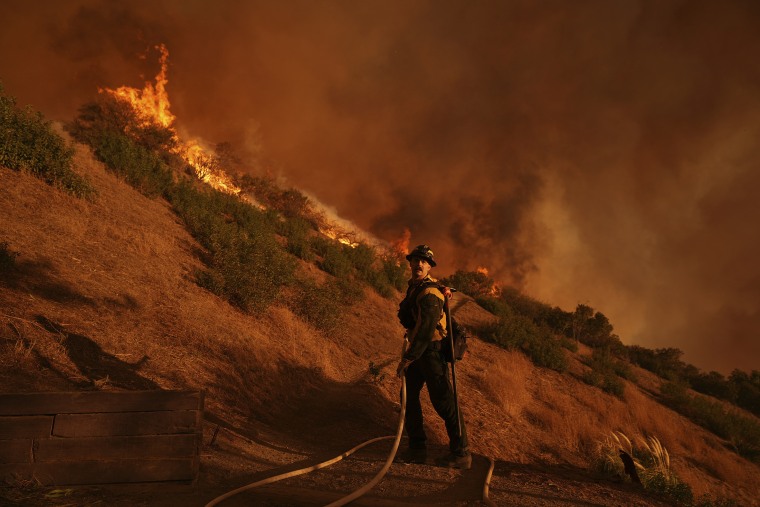
- Unpredictable Intensity: The speed and direction of these winds can change quickly, making firefighting efforts exceptionally challenging. Firefighters often find themselves battling not only the flames but also the unpredictable gusts that can cause fires to jump natural firebreaks and inundate new areas with alarming speed. The term “firestorm” is often used when these winds create conditions where the fire’s own heat generates powerful updrafts, further intensifying the blaze.
Drought and Vegetation Health: Fueling the Inferno
The persistent reality of drought in Southern California significantly exacerbates wildfire risk. Extended periods of low rainfall lead to widespread stress on native and non-native vegetation, turning it into highly flammable tinder.
- Fuel Accumulation: Drought conditions prevent vegetation from growing robustly and replacing older, drier material. This results in an accumulation of dead or dying grasses, shrubs, and trees across the landscape. Areas that are typically green and vibrant can transform into a contiguous carpet of dry fuel after prolonged dry spells.
- Impact of Invasive Species: Invasive plant species, such as cheatgrass and various non-native grasses, are often more adapted to arid conditions and can outcompete native plants. These invasives tend to dry out more quickly and burn more intensely, creating a higher fuel load and accelerating fire spread. For instance, the expansion of invasive grasses in areas like the Santa Monica Mountains has been directly linked to increased fire frequency and intensity.
Human Influence: The Spark and the Spread
While natural conditions set the stage for wildfires, human activity is overwhelmingly the catalyst for ignition, and often, the exacerbating factor in their spread. From accidental sparks to intentional acts, the presence of human populations in and around wildland areas creates a constant threat.
Ignition Sources: The Many Ways Fires Start

The vast majority of wildfires in Los Angeles are human-caused. These ignitions can be accidental or, in rarer cases, intentional.
- Electrical Equipment Malfunctions: Power lines are a significant source of ignition. The combination of aging infrastructure, strong winds that can cause lines to sway and arc, and dry vegetation growing too close to utility corridors has led to numerous devastating fires. Utilities like Southern California Edison have faced scrutiny and implemented new strategies to mitigate these risks, such as de-energizing lines during high-wind events or burying power lines in high-risk areas.
- Vehicle-Related Incidents: Sparks from dragging trailer chains, hot exhaust systems igniting dry grass, or even faulty catalytic converters can all initiate wildfires along roadways. The extensive network of freeways and roads that crisscross the Los Angeles basin means vehicles are constantly in close proximity to wildland fuels.
- Campfires and Outdoor Activities: Unattended campfires, discarded cigarettes, and sparks from tools or equipment used for recreational or maintenance purposes are also common ignition sources, particularly in parklands and camping areas within and surrounding the city.
- Arson: While less common than accidental ignitions, the deliberate act of arson remains a significant concern. Investigations into major wildfires often include looking for evidence of intentional setting, which can complicate recovery and prosecution efforts.
Urban Sprawl and Wildland-Urban Interface (WUI): Where Homes Meet Habitat
The expansion of residential development into previously undeveloped wildland areas, known as the Wildland-Urban Interface (WUI), is a critical factor in the impact and danger of Los Angeles wildfires.
- Increased Risk to Communities: As more homes are built in these fire-prone zones, the risk to human life and property escalates dramatically. Fires that once might have been confined to remote wilderness now threaten communities, leading to mass evacuations and significant destruction. Neighborhoods like those in the San Gabriel Mountains or the foothills of the Santa Monica Mountains are particularly vulnerable.
- Firefighter Challenges: The WUI presents complex challenges for emergency responders. They must not only battle the fire itself but also prioritize the safety of residents and protect structures. The narrow, winding roads common in these areas can impede access for fire engines and evacuation routes.
- Defensible Space: The concept of “defensible space” around homes in WUI areas has become paramount. This involves landscaping and structural modifications to reduce fire risk by creating a buffer zone between homes and wildland vegetation. However, the effectiveness of these measures is often tested by the intensity of large wildfires.
The Role of Vegetation Management and Infrastructure
Effective management of vegetation and robust infrastructure are vital for mitigating wildfire risk. Decades of fire suppression policies, ironically, have led to an overgrowth of fuel in many wildland areas, making fires that do ignite more intense.
Historical Fire Suppression and Fuel Load
For much of the 20th century, the prevailing strategy for wildfire management was aggressive suppression. The goal was to extinguish every fire as quickly as possible. While this approach may have seemed logical at the time, it prevented natural, low-intensity fires from clearing out underbrush and smaller trees.
- Fuel Accumulation: This policy resulted in a significant buildup of dead and dry vegetation, particularly in dense forest areas and chaparral ecosystems, which are common in the hills surrounding Los Angeles. When fires do occur in these areas, they encounter a much larger fuel load, leading to more intense, faster-moving, and harder-to-control blazes.
- Shift to Prescribed Burns and Fuel Treatments: Modern fire management increasingly recognizes the ecological role of fire and the need for proactive fuel reduction. This includes controlled, or prescribed burns, and mechanical thinning of vegetation. These strategies aim to mimic natural fire cycles and reduce the amount of combustible material, thereby lowering the intensity and spread of future wildfires.
Infrastructure Resilience and Modernization
The aging and sometimes inadequate infrastructure in Los Angeles can also contribute to wildfire ignition and spread.
- Power Grid Vulnerabilities: As mentioned, power lines are a major ignition source. Investments in undergrounding power lines, enhanced vegetation clearing around utility corridors, and the deployment of advanced monitoring and shut-off technologies are critical steps towards reducing this risk.
- Water Supply and Firefighting Resources: Ensuring an adequate and reliable water supply for firefighting is paramount. The mountainous terrain and remote locations of some fire incidents can challenge water delivery, highlighting the need for well-placed hydrants and efficient water-resource management plans.
- Building Codes and Materials: In WUI areas, building codes that mandate fire-resistant roofing materials, ember-resistant vents, and defensible space landscaping play a crucial role in protecting homes from ignition. The adoption and enforcement of these codes are essential for community resilience.
In conclusion, the wildfires that plague Los Angeles are not attributable to a single cause but rather a complex and dynamic interplay of environmental, climatic, and human factors. The region’s inherent dry climate, amplified by periods of drought and the powerful influence of Santa Ana winds, creates the perfect storm of combustible fuel. This natural predisposition is then tragically ignited and exacerbated by human activities, from electrical grid failures and vehicle incidents to the ever-present threat of arson and the relentless creep of development into wildland areas. Understanding these interconnected causes is not merely an academic exercise; it is a fundamental step in developing effective strategies for mitigation, adaptation, and the long-term safety and sustainability of communities in this iconic, yet fire-prone, landscape.
LifeOutOfTheBox is a participant in the Amazon Services LLC Associates Program, an affiliate advertising program designed to provide a means for sites to earn advertising fees by advertising and linking to Amazon.com. Amazon, the Amazon logo, AmazonSupply, and the AmazonSupply logo are trademarks of Amazon.com, Inc. or its affiliates. As an Amazon Associate we earn affiliate commissions from qualifying purchases.