
California, a state renowned for its diverse natural beauty, from the majestic redwoods to the sun-drenched coastlines and rugged mountains, faces an annual and increasingly severe challenge: wildfires. These conflagrations are not merely random occurrences but rather the complex result of a confluence of natural conditions and human influences, deeply intertwined with the state’s unique geography and ecological history. Understanding the underlying causes is paramount to appreciating the state’s natural heritage and the ongoing efforts to protect its iconic natural landmarks and ecosystems.
The Arid Climate and California’s Natural Fire Cycle
At the core of California’s wildfire susceptibility is its distinctive climate, which has historically fostered a landscape primed for fire.
The Mediterranean Climate
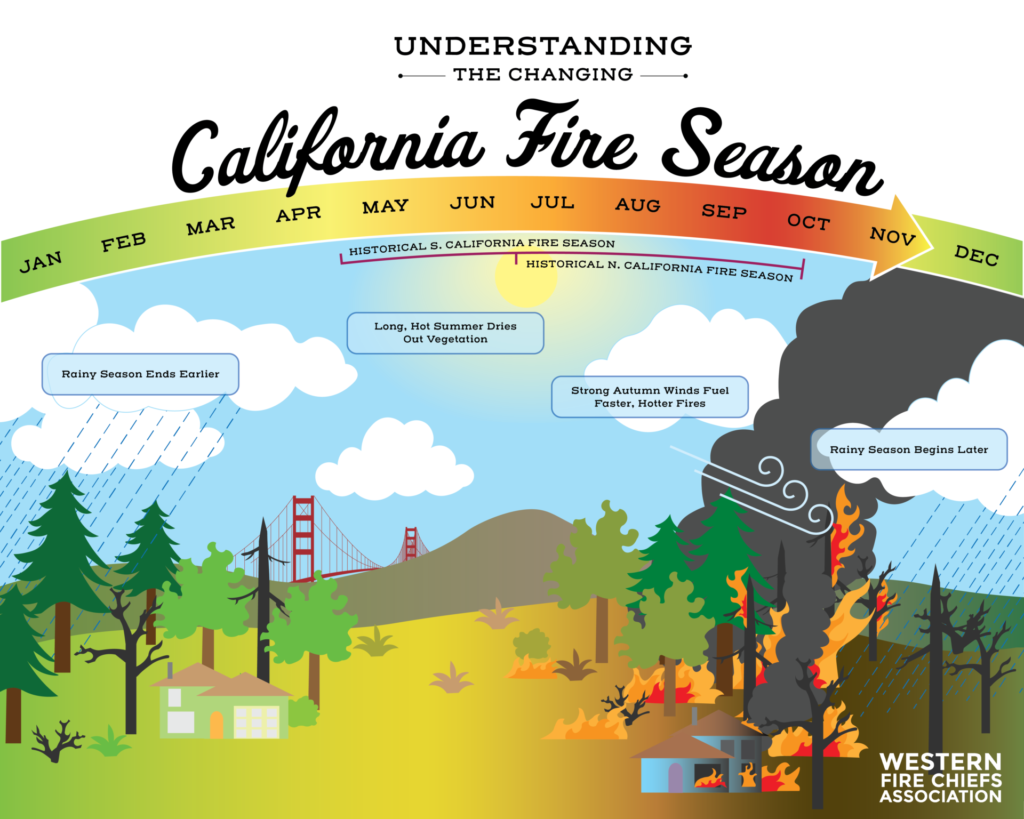
Much of California experiences a Mediterranean climate, characterized by hot, dry summers and mild, wet winters. This pattern, while ideal for certain agricultural pursuits and human enjoyment, creates a seasonal rhythm that is inherently conducive to fire. Winter rains promote lush vegetative growth across hillsides and valleys. However, as summer arrives, often extending well into autumn, these plants dry out, transforming into vast expanses of highly combustible “fuel.” The prolonged periods without significant precipitation, coupled with high temperatures, desiccate the landscape, making it vulnerable to ignition. This natural cycle of growth, drying, and subsequent fire has shaped California’s ecosystems for millennia, with many native plant species evolving adaptations to survive or even thrive after fire.
Drought and Fuel Accumulation
Compounding the natural climatic rhythm is the increasing frequency and intensity of droughts. Decades of below-average rainfall, particularly in recent years, have exacerbated the desiccation of vegetation. Drought stresses trees and plants, making them more susceptible to disease and insect infestations, which further increases the amount of dead and dying plant material. This accumulated biomass—from fallen leaves and branches to dead shrubs and trees—acts as an immense fuel load. When fires ignite, this abundant, dry fuel allows them to spread rapidly and burn with extreme intensity, making containment exceedingly difficult and leading to larger, more destructive blazes that threaten natural landmarks and human settlements alike. The Sierra Nevada mountain range, home to ancient groves and critical watersheds, is particularly vulnerable to this cycle, with millions of dead trees standing as monuments to drought and disease.
Topography and Indigenous Flora
Beyond climate, the physical landscape and the types of plants that have evolved to inhabit it play critical roles in fire dynamics.
Mountainous Terrain and Canyon Winds
California‘s topography is incredibly varied, dominated by mountain ranges, valleys, and coastal plains. The steep slopes and rugged canyons of the Sierra Nevada, Santa Cruz Mountains, and other ranges create complex wind patterns that can dramatically influence fire behavior. Strong, dry winds, such as the infamous Santa Ana winds in Southern California and the Diablo winds in the north, are a major driver of large, fast-moving fires. These winds, often descending from high-pressure systems in the interior United States, push fires down canyons and across ridges, preheating vegetation ahead of the flame front and making suppression efforts exceedingly challenging. The complex terrain also limits access for firefighters, further complicating containment.
Highly Flammable Vegetation
Many of California’s native plant communities are naturally fire-adapted and, consequently, highly flammable. The most prominent example is the chaparral ecosystem, a dense scrubland characterized by drought-resistant shrubs with waxy leaves containing volatile oils. While these oils help plants conserve water, they also make them incredibly combustible. When chaparral burns, it does so with intense heat, clearing the landscape and allowing for regeneration from seeds or root crowns. Similarly, coniferous forests, especially those impacted by drought and bark beetle infestations, accumulate vast amounts of dry needles and deadwood that act as ladder fuels, allowing ground fires to climb into the tree canopy and become devastating crown fires. This natural flammability, in combination with dry conditions, creates an explosive mix.
Human Factors and Fire Ignition
While natural conditions set the stage for fire, human activity is overwhelmingly responsible for fire ignitions in California.
Infrastructure and Accidental Starts
The expansion of human infrastructure into wildland areas, particularly power lines, is a significant source of accidental ignitions. High winds can cause power lines to arc, sag, or break, scattering sparks onto dry vegetation below. Faulty equipment, inadequate maintenance, or even animals interfering with power lines can also trigger fires. Beyond utility infrastructure, other accidental human causes include sparks from vehicle exhaust systems, discarded cigarettes, campfires left unattended, debris burns that escape control, and even fireworks. These seemingly minor incidents, when occurring in a landscape primed for fire, can quickly escalate into major wildfires.
Arson and Negligence
Unfortunately, not all human-caused fires are accidental. Arson remains a persistent issue, with individuals intentionally setting fires for various reasons. While representing a smaller percentage of total ignitions, arson fires can be strategically started in remote, inaccessible areas or during peak fire conditions, making them particularly destructive. Beyond deliberate acts, negligence—such as target shooting in dry fields, welding without proper precautions, or operating machinery that emits sparks—also contributes to a substantial number of fires annually. Public awareness campaigns and stricter regulations aim to mitigate these risks, but human error and malicious intent remain potent threats.
Urban-Wildland Interface Expansion
The ongoing growth of communities into areas adjacent to wildlands, known as the urban-wildland interface (WUI), dramatically increases the risk of ignitions and the potential for property damage and loss of life. As more homes are built in canyons, foothills, and forested areas, the likelihood of human-caused ignitions rises. Furthermore, homes in the WUI provide abundant fuel, not just from surrounding vegetation but from the structures themselves, making fires more challenging to control and posing direct threats to populations. This expansion necessitates constant vigilance and proactive measures, including defensible space around homes and community-level evacuation plans.
Climate Change: An Amplifying Force
Underlying and exacerbating all the aforementioned factors is the undeniable influence of climate change, fundamentally altering California’s fire regime.
Prolonged Heatwaves and Reduced Snowpack
Global warming has led to higher average temperatures across California, resulting in more frequent, intense, and prolonged heatwaves. These extreme heat events further dry out vegetation, extending the fire season and increasing the likelihood of rapid fire spread. Concurrently, warmer temperatures reduce the snowpack in the Sierra Nevada mountains. Snowpack is a critical natural water reservoir, melting slowly through spring and early summer to replenish rivers and keep soils moist. A diminished snowpack means less water availability earlier in the season, leading to drier conditions sooner and for longer durations, thereby intensifying drought and fuel desiccation.
The Shifting Fire Season
Historically, California’s fire season was primarily concentrated in late summer and autumn. However, due to climate change, the fire season has effectively expanded, now starting earlier in the spring and extending later into winter. This prolonged period of elevated fire risk strains firefighting resources and increases the cumulative damage over the year. The increasing frequency of “mega-fires”—blazes that burn hundreds of thousands of acres—is a direct consequence of these amplified conditions, pushing ecosystems past their historical resilience thresholds.
Impact on California’s Natural Landmarks and Ecosystems
The devastating effects of California fires extend far beyond immediate destruction, profoundly impacting the state’s treasured natural landmarks and the delicate balance of its ecosystems.
Threat to Sequoia National Park and Ancient Trees
Perhaps one of the most poignant examples is the existential threat posed to the ancient giant sequoias within Sequoia National Park and Yosemite National Park. These magnificent trees, some thousands of years old, are naturally fire-resistant and even rely on periodic, low-intensity fires for cone opening and seedling germination. However, the increasingly severe, high-intensity fires fueled by accumulated drought-stressed vegetation and climate change can overwhelm even their formidable defenses. Recent fires have killed thousands of these irreplaceable giants, altering the ancient forest landscape and posing a dire threat to these natural wonders, which are globally recognized symbols of enduring nature.
Erosion and Mudslides in Burn Scars
Post-fire landscapes are dramatically altered and highly vulnerable. When vegetation is incinerated, the soil loses its protective cover and its ability to absorb water effectively. This makes burn scars highly susceptible to erosion, especially during winter rains. The subsequent runoff can trigger destructive mudslides and debris flows, particularly on steep slopes and in canyons. These events not only threaten communities downstream but also degrade water quality, impact aquatic ecosystems, and destroy habitat, fundamentally reshaping the natural drainage patterns and stability of the land, affecting everything from natural beauty to infrastructure.

Habitat Loss and Biodiversity
Wildfires cause immediate and widespread habitat loss for countless species of plants and animals. While some ecosystems are adapted to fire and regenerate over time, the increasing intensity and frequency of fires disrupt these natural cycles. Slow-moving species, those with limited mobility, or endemic species with restricted ranges are particularly vulnerable. The destruction of old-growth forests, unique chaparral communities, and critical riparian zones can lead to significant declines in biodiversity. Recovery can take decades, and in some cases, the ecosystem may shift to a different state, permanently altering the natural character and ecological richness of California’s wildlands and treasured natural areas, from the slopes of the Sierra Nevada to the coastal ranges overlooking the Pacific Ocean.
LifeOutOfTheBox is a participant in the Amazon Services LLC Associates Program, an affiliate advertising program designed to provide a means for sites to earn advertising fees by advertising and linking to Amazon.com. Amazon, the Amazon logo, AmazonSupply, and the AmazonSupply logo are trademarks of Amazon.com, Inc. or its affiliates. As an Amazon Associate we earn affiliate commissions from qualifying purchases.