
Navigating the vibrant tapestry of Chicago can be an exhilarating experience, whether you’re a seasoned traveler, a curious local, or someone planning an extended stay. From the iconic skyscrapers that pierce the sky to the hidden culinary gems nestled within its diverse neighborhoods, Chicago offers something for everyone. However, understanding the city’s unique administrative structure, particularly its ward system, can unlock a deeper appreciation for its organization and governance. Knowing your ward can provide valuable insights into local representation, community services, and even specific regulations that might affect your visit or residence. This guide is designed to help you pinpoint your exact location within Chicago’s ward map, making your experience with the city even more informed and enriching.
Understanding Chicago’s Ward System
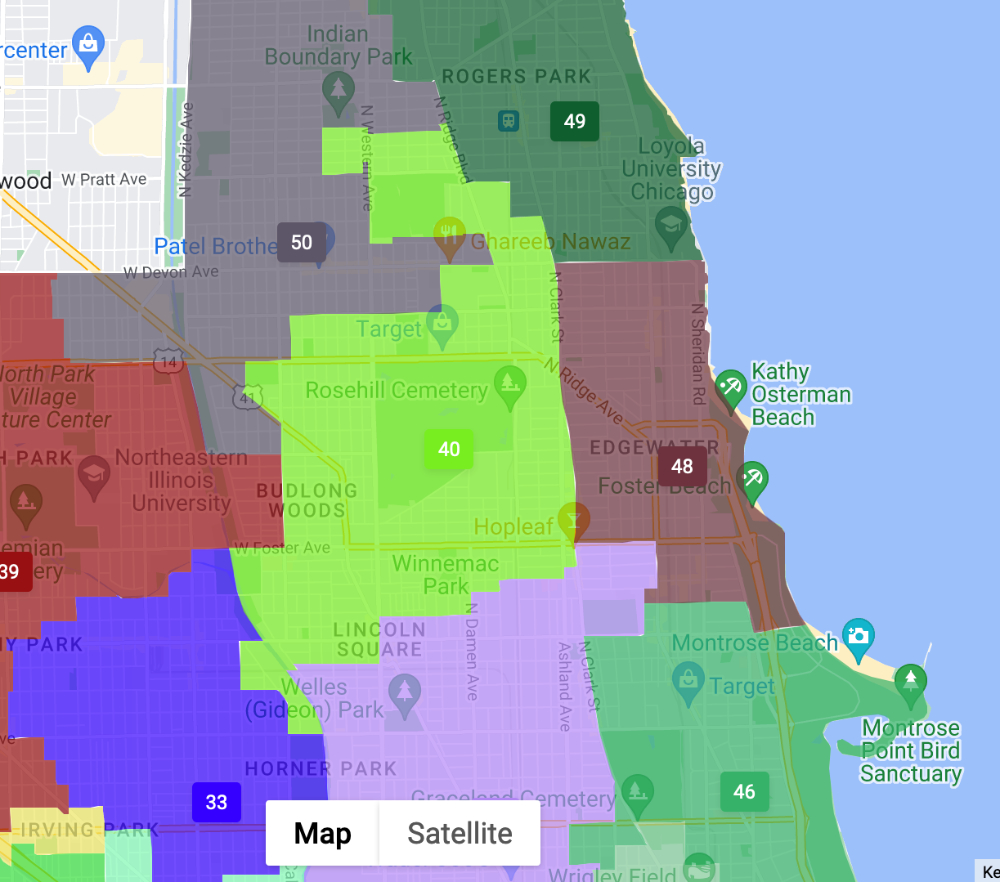
Chicago is divided into 50 wards, each representing a distinct geographical area with its own elected alderman who sits on the Chicago City Council. This system is fundamental to the city’s democratic process, ensuring that every resident has a voice and representation in local government. The wards are drawn to be roughly equal in population, though their sizes and shapes can vary significantly due to historical development, geographical features, and community boundaries. Understanding which ward you are in is more than just an academic exercise; it can be crucial for a variety of reasons.
For visitors, particularly those considering a longer stay or seeking a more immersive experience beyond the typical tourist trails, knowing the ward can offer context to the local environment. It helps in understanding community initiatives, local events, and the distinct character of different neighborhoods. For residents, it’s directly tied to who represents them and how local issues are addressed. It informs them about their alderman’s priorities, voting records, and the specific services and resources available within their ward. The ward system is a cornerstone of Chicago’s civic life, shaping everything from zoning decisions to park developments.
Why Knowing Your Ward Matters
The importance of identifying your Chicago ward extends across several facets of urban living and experiencing the city. For those interested in local tourism and understanding the nuances of Chicago’s rich tapestry, knowing the ward can shed light on the unique historical narratives and cultural fabric of a particular area. For instance, certain wards might be home to a higher concentration of historical landmarks, architectural marvels, or specific ethnic enclaves, each contributing to Chicago’s vibrant identity.
For Travelers and Tourists
If you’re planning a trip to Chicago, particularly if you’re looking to delve deeper than the usual tourist hotspots like the Art Institute of Chicago or Millennium Park, understanding wards can enhance your experience. Perhaps you’re researching different neighborhoods for your accommodation, considering options from luxury suites in the Magnificent Mile area to charming boutique hotels or even long-term apartment rentals. Knowing the ward can inform you about the local amenities, public transportation access, and the general atmosphere of the area you’re considering.
For example, if you’re interested in exploring the vibrant culinary scene, knowing the ward might lead you to discover wards known for specific ethnic restaurants or emerging foodie destinations. If your focus is on experiencing Chicago’s renowned architecture, understanding ward boundaries can help you pinpoint areas with clusters of notable buildings, from classic pre-war structures to contemporary skyscrapers. Even for short stays, understanding which ward a particular landmark falls within can add a layer of civic context to your sightseeing.
For Residents and Long-Term Stays
For Chicago residents or those planning a long-term stay, such as in a rented apartment or a vacation home, knowing your ward is essential for civic engagement and accessing local resources. Your alderman is your primary point of contact for a wide range of local issues, from neighborhood improvements and public safety concerns to park maintenance and local business development. Staying informed about your ward’s representation allows you to participate effectively in community meetings, voice your opinions on proposed developments, and understand the local government’s impact on your daily life.

Furthermore, understanding ward boundaries can also be beneficial when looking for accommodation. Different wards may offer varying types of housing, from densely populated urban centers to more suburban-feeling neighborhoods. The availability of specific amenities, the quality of local schools (if applicable), and the general lifestyle of an area can often be tied to its ward. This knowledge empowers you to make more informed decisions about where to live, ensuring that your chosen location aligns with your lifestyle and needs, whether you’re seeking a family-friendly environment, a bustling nightlife, or a tranquil residential area.
How to Find Your Chicago Ward
Fortunately, Chicago offers several accessible methods for residents and visitors alike to determine their specific ward. These tools are designed to be user-friendly, ensuring that pinpointing your location on the ward map is a straightforward process. Whether you’re using online resources or a more traditional approach, finding your ward is key to understanding your local representation and the specific characteristics of your Chicago neighborhood.
Online Tools and Resources
The most efficient and commonly used method for finding your Chicago ward is through the city’s official online resources. The City of Chicago website provides interactive maps and lookup tools that allow you to enter your address and instantly identify your ward. These tools are typically updated to reflect any redistricting efforts, ensuring accuracy.
Steps for using online tools:
- Visit the official City of Chicago website: Navigate to the official portal for Chicago government services.
- Locate the ward finder tool: Look for sections related to “Government,” “Find My Ward,” or “Ward Information.”
- Enter your address: You will be prompted to enter your street address, including the city, state, and zip code.
- View your results: The tool will display your ward number, the name of your alderman, and often links to their official contact information and relevant ward resources.
These online platforms are invaluable for anyone seeking quick and precise information. They can be particularly useful for travelers who have booked accommodation and want to understand their immediate surroundings better, or for new residents settling into their homes. The City of Chicago dedicates significant effort to making this information readily available, reflecting a commitment to transparency and citizen engagement.

Alternative Methods and Considerations
While online tools are the most convenient, there might be instances where you prefer or need to use alternative methods. For those less comfortable with digital interfaces, or if internet access is limited, other options exist. Understanding these alternatives ensures that everyone can access the information they need.
Alternative methods may include:
- Contacting your Alderman’s Office: If you know the general area you’re interested in or have an idea of which ward it might be, you can directly contact the offices of Chicago City Council members. Their staff can assist you in determining the correct ward. This can also be a great way to introduce yourself to your local representation.
- Local Community Centers or Libraries: Sometimes, local government information is available at community hubs. While less direct than online tools, these locations might have printed materials or staff who can guide you.
- Consulting Property Records: For property owners, ward information might be available through local property tax assessment records.
When using these methods, it’s always a good idea to have your full address readily available. Regardless of the method chosen, the goal is to empower you with knowledge about your local governance and community. This understanding is fundamental to both enjoying Chicago as a tourist and actively participating as a resident. The ward system, while a bureaucratic structure, ultimately serves to bring local government closer to the people it serves.
LifeOutOfTheBox is a participant in the Amazon Services LLC Associates Program, an affiliate advertising program designed to provide a means for sites to earn advertising fees by advertising and linking to Amazon.com. Amazon, the Amazon logo, AmazonSupply, and the AmazonSupply logo are trademarks of Amazon.com, Inc. or its affiliates. As an Amazon Associate we earn affiliate commissions from qualifying purchases.