
The question “What Climate Is New York?” is more than just a meteorological inquiry; it’s an invitation to understand the multifaceted character of one of the world’s most dynamic destinations. New York, a state that encompasses the bustling metropolis of New York City and the sprawling natural beauty of the Adirondack Mountains, experiences a diverse range of climates. This climatic variation significantly influences the best times to visit, the types of activities available, and the overall experience for travelers. Understanding New York’s climate is fundamental to planning an enriching visit, whether you’re drawn to urban exploration, outdoor adventures, or cultural immersion.
The Four Seasons of New York: A Cyclical Symphony
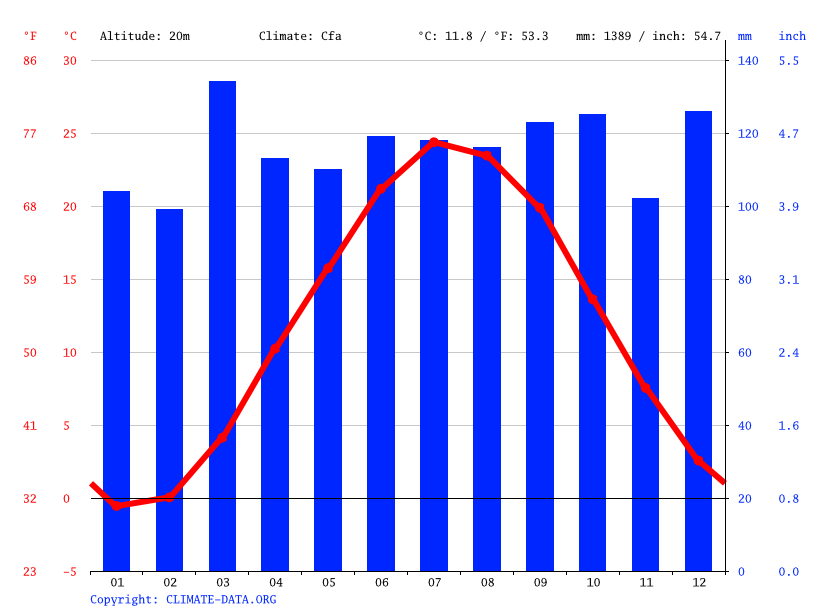
New York’s climate is predominantly characterized by a humid continental climate, distinguished by four distinct seasons. Each season brings its own unique set of weather patterns, influencing everything from the lushness of the landscape to the atmospheric vibrancy of its cities. This predictable yet varied cycle offers a dynamic backdrop for exploring the state’s diverse attractions, from the concrete canyons of Manhattan to the serene shores of Lake Ontario.
Spring: Renewal and Awakening
Spring in New York is a period of transition, typically running from March to May. It begins with lingering winter chill and gradually blossoms into milder temperatures. Early spring can still see frost and occasional snowfall, particularly in the upstate regions. However, as April arrives, the weather becomes increasingly pleasant. Daytime temperatures begin to rise, encouraging the re-emergence of outdoor activities.
- Temperatures: Average temperatures in spring range from the low 40s°F (around 5°C) in March to the low 70s°F (around 22°C) by May. Nights can remain cool, so layering is advisable.
- Precipitation: Spring often brings rain showers, which are essential for the region’s greenery to flourish. The iconic blooming of trees and flowers, particularly in places like Central Park and the New York Botanical Garden, marks the true arrival of spring.
- Activities: This season is ideal for city walking tours, visiting museums, and enjoying outdoor cafes before the summer heat. Upstate, it’s a great time for hiking as trails begin to dry out, and observing wildlife as it awakens from winter slumber. The energy of the city transforms, with residents and visitors alike embracing the warmer weather.
Summer: Warmth and Vibrancy
Summers in New York, from June to August, are typically warm to hot and humid, especially in New York City. This is the peak tourist season, with long daylight hours and a palpable sense of energy across the state.
- Temperatures: Daytime temperatures in the city can frequently reach into the 80s and 90s°F (27-35°C), often accompanied by high humidity. Upstate, temperatures are generally more moderate, though still warm and pleasant.
- Precipitation: While sunny days are abundant, summer also brings the possibility of thunderstorms, which can be intense but are usually short-lived. These often provide a refreshing respite from the heat.
- Activities: Summer is perfect for exploring Coney Island, enjoying rooftop bars, attending outdoor concerts, and visiting beaches like those on Long Island. For those seeking cooler climes, the mountainous regions like the Catskill Mountains offer a welcome escape with opportunities for swimming, boating, and hiking. The state comes alive with festivals and outdoor events, creating a vibrant atmosphere.
Autumn: Colors and Crisp Air
Autumn, from September to November, is arguably New York’s most visually stunning season. The air turns crisp, and the foliage transforms into a breathtaking spectacle of reds, oranges, and yellows.
- Temperatures: September and October offer mild, comfortable temperatures, with highs often in the 60s and 70s°F (15-25°C). By November, temperatures begin to drop significantly, with daytime highs in the 40s and 50s°F (4-15°C), and frost becoming common.
- Precipitation: Rainfall is moderate during autumn. The crisp air is a welcome change from the summer humidity, making it ideal for exploration.
- Activities: This is prime time for leaf-peeping, with popular destinations including the Hudson Valley, the Finger Lakes, and the aforementioned Adirondacks. It’s also a fantastic season for visiting farms for apple picking and pumpkin patches, and for enjoying the city’s cultural attractions with pleasant walking weather. The transition to cozy evenings is perfect for enjoying New York’s renowned culinary scene.
Winter: Tranquility and Enchantment
New York winters, from December to February, are typically cold with significant snowfall, particularly in the upstate regions. While often seen as a time for indoor activities, winter in New York also possesses a unique charm.
- Temperatures: Average temperatures hover in the 20s and 30s°F (-7 to 0°C) in the city, with upstate areas experiencing much colder conditions, often dipping into single digits or below zero.
- Precipitation: Snowfall is a hallmark of New York winters, blanketing the landscape in white. This can occasionally lead to travel disruptions, but also creates picturesque scenes.
- Activities: Winter offers opportunities for skiing, snowboarding, and ice skating at various resorts. The holiday season in New York City, with its iconic Christmas tree at Rockefeller Center and festive decorations, is magical. For those seeking warmth, the city’s world-class museums, theaters, and restaurants provide ample entertainment. The quiet beauty of snow-covered landscapes upstate offers a peaceful retreat.
Regional Climate Variations within New York
While the four-season pattern is consistent across New York State, there are notable regional differences influenced by geography. These variations can impact travel plans and the types of experiences one might seek.
Coastal and Downstate Regions
The coastal areas, including Long Island and the immediate vicinity of New York City, experience a more moderated climate compared to the inland and northern parts of the state.

- Oceanic Influence: The Atlantic Ocean has a moderating effect, leading to slightly warmer winters and cooler summers than areas further inland. Snowfall can occur, but coastal storms, known as Nor’easters, can bring significant accumulations and strong winds.
- Humidity: Summers tend to be humid, and the proximity to the coast means occasional fog.
- Impact on Travel: This region is generally more accessible year-round due to less extreme winter weather, though significant snow events can still cause disruptions.
Upstate and Inland Regions
The vast majority of New York State lies upstate, characterized by a more pronounced continental climate with greater temperature extremes.
- Great Lakes Influence: Areas near the Great Lakes, such as Buffalo and Rochester, experience lake-effect snow, leading to very heavy snowfall in localized bands during winter months. This also contributes to warmer temperatures in the fall as the lakes retain heat.
- Adirondack and Appalachian Mountains: The higher elevations of the Adirondack and Appalachian Mountains experience colder temperatures and more significant snowfall. These regions are known for their distinct microclimates.
- Inland Extremes: Inland areas, away from major bodies of water, generally experience hotter summers and colder winters than the coastal regions, with greater diurnal (day-night) temperature variations.
- Impact on Travel: Winter travel upstate requires careful planning due to potential snowstorms and colder conditions. However, it opens up opportunities for winter sports that are less feasible in the downstate areas.
Best Times to Visit New York: Aligning with the Climate
Choosing the right time to visit New York depends heavily on your interests and tolerance for different weather conditions. Each season offers a unique allure, making it possible to enjoy the state year-round.
For the City Explorer
- Spring (April-May) & Fall (September-October): These shoulder seasons are ideal for exploring New York City. The weather is typically mild and pleasant, perfect for walking between attractions like the Metropolitan Museum of Art and the Empire State Building. Crowds are generally smaller than in peak summer, and hotel prices can be more reasonable.
- Winter (December): While cold, the holiday season in the city is unparalleled. The festive atmosphere, ice skating, and holiday markets create a magical experience, provided you’re prepared for chilly temperatures.
For the Nature Enthusiast and Outdoor Adventurer
- Summer (June-August): This is the prime time for outdoor activities across the state, from hiking in the Adirondacks to swimming in the Finger Lakes or exploring Niagara Falls. The long daylight hours allow for maximum exploration.
- Autumn (September-November): For breathtaking fall foliage, the autumn months are unbeatable. Hiking, scenic drives, and visiting apple orchards are popular activities. The crisp air makes for invigorating outdoor adventures.
- Winter (December-February): If you enjoy winter sports, this is your season. Ski resorts in the Catskills and Adirondacks are in full swing, and the snow-covered landscapes offer a serene beauty for those who appreciate the quiet of winter.
For the Budget-Conscious Traveler
- Late Winter (February-March) & Late Fall (November): These periods often offer lower prices for flights and accommodation as they fall outside the peak seasons. You can still enjoy many of New York’s offerings, with the advantage of fewer crowds and more competitive pricing, though you will need to be prepared for colder weather or the transition into warmer or cooler months.
Packing for New York’s Climate
Effective packing is crucial to comfortably enjoying New York’s diverse climate throughout the year. The key is layering and being prepared for variations.
Spring and Autumn Essentials
- Layers: Pack light to medium-weight sweaters, long-sleeved shirts, and t-shirts.
- Outerwear: A waterproof and windproof jacket is essential. Consider a medium-weight coat for cooler evenings or early/late in these seasons.
- Bottoms: Jeans or comfortable trousers are versatile.
- Footwear: Comfortable walking shoes are a must. Waterproof options are advisable for rainy days.
- Accessories: A scarf and light gloves can be useful, especially in the evenings or during transitional weeks. An umbrella is a staple.
Summer Necessities
- Lightweight Clothing: Breathable fabrics like cotton and linen are best. Pack shorts, t-shirts, and sundresses.
- Sun Protection: Sunscreen, a hat, and sunglasses are indispensable.
- Rain Gear: A light, packable rain jacket or poncho is recommended for sudden thunderstorms.
- Footwear: Sandals and comfortable walking shoes are appropriate.
Winter Attire
- Warm Outerwear: A heavy, insulated, waterproof winter coat is critical.
- Layers: Thermal base layers, sweaters, and fleece are essential for staying warm.
- Bottoms: Insulated pants or waterproof snow pants are recommended for outdoor activities.
- Footwear: Waterproof, insulated boots with good traction are vital for navigating snow and ice.
- Accessories: Warm hat, gloves or mittens, and a scarf are non-negotiable.
By understanding and respecting the distinct climate of New York, travelers can better plan their itineraries, pack appropriately, and ultimately, maximize their enjoyment of this captivating state, ensuring a memorable experience regardless of the season.
LifeOutOfTheBox is a participant in the Amazon Services LLC Associates Program, an affiliate advertising program designed to provide a means for sites to earn advertising fees by advertising and linking to Amazon.com. Amazon, the Amazon logo, AmazonSupply, and the AmazonSupply logo are trademarks of Amazon.com, Inc. or its affiliates. As an Amazon Associate we earn affiliate commissions from qualifying purchases.