
New York, a name synonymous with ambition, culture, and boundless energy, often prompts a geographical query that might seem elementary to some, yet holds deeper implications for understanding its identity and allure. When one asks, “What coast is New York?”, they are not merely seeking a pinpoint on a map. They are inquiring about the fundamental character of a state and, more specifically, its iconic city, which has profoundly shaped and been shaped by its position on the American landscape. The answer, of course, is the East Coast. But this simple geographical classification opens a gateway to exploring the myriad facets of New York that are intrinsically linked to its Atlantic seaboard locale. From its historical role as a gateway for millions of immigrants to its present-day status as a global nexus of finance, fashion, and arts, the East Coast identity of New York is a cornerstone of its enduring mystique.
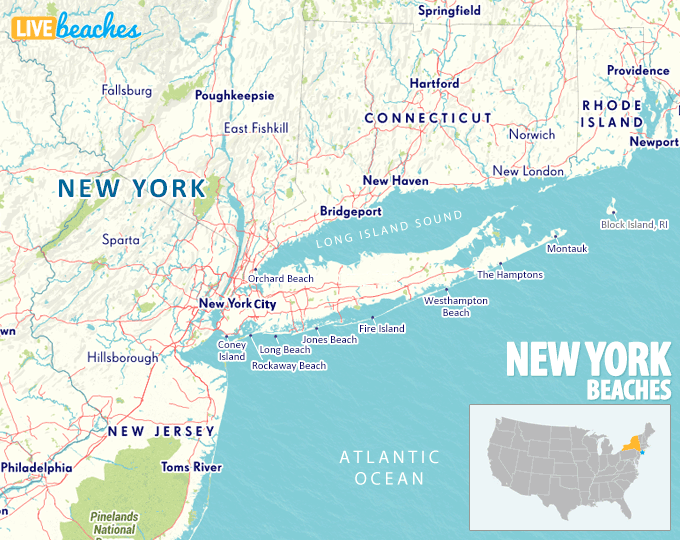
The Eastern Seaboard: A Foundation of History and Opportunity
New York’s placement on the East Coast of the United States is not just a geographical fact; it is the bedrock upon which much of its historical development and cultural significance is built. This strategic positioning along the Atlantic Ocean afforded it unparalleled access to transatlantic trade and European influence from the very earliest days of colonial settlement.
A Gateway to a New World
From the 17th century onwards, New York served as a crucial port of entry. Its natural harbor, one of the finest in the world, facilitated the arrival of ships bearing settlers, goods, and ideas. This role was amplified in the late 19th and early 20th centuries with the establishment of Ellis Island, which became the primary immigration station for millions seeking a new life in America. Standing on the shores of New York Harbor, gazing out at the Statue of Liberty, one can still feel the echoes of those journeys, a testament to the state’s historical function as the literal and symbolic gateway to the nation. The East Coast proximity to Europe meant that New York was often the first American soil that new arrivals touched, embedding within its very fabric a cosmopolitanism and diversity that continues to define it. This historical narrative underscores why the East Coast label is so integral to understanding New York’s genesis and its persistent identity as a land of opportunity.
The Economic Engine of the Atlantic
The access provided by the Atlantic Ocean also propelled New York into becoming a preeminent economic powerhouse. Its port facilities facilitated trade with Europe, the Caribbean, and beyond, fostering the growth of industries and the accumulation of wealth. This led to the development of a sophisticated financial sector, culminating in the establishment of Wall Street, a global epicenter for finance. The bustling docks and the subsequent development of infrastructure like the Erie Canal, which connected the Hudson River to the Great Lakes, further cemented New York’s position as a vital trade and transportation hub, intrinsically tied to its East Coast location. The constant flow of goods and capital, facilitated by its coastal access, has historically fueled the state’s economic dynamism and its ability to attract investment and talent from around the globe.
The Urban Heartbeat: New York City’s East Coast Identity
While the state of New York encompasses diverse landscapes, the question of “What coast is New York?” most often evokes images of New York City. This sprawling metropolis, perched on the southeastern tip of the state, is perhaps the ultimate embodiment of the East Coast urban experience, pulsating with a unique rhythm shaped by its geography and history.

A Metropolis Defined by the Atlantic
New York City itself is a collection of islands and peninsulas, inextricably linked to the water. The iconic skyline of Manhattan rises from an island bordered by the Hudson River to the west and the East River to the east, which then opens into the vast Atlantic Ocean. The city’s very layout, its neighborhoods, and its historical development have been shaped by the presence of these waterways and the ocean beyond. From the historic piers of Chelsea Piers to the ferry terminals that connect to Staten Island and beyond, water transportation and its connection to the wider world have always been central to the city’s functioning. The proximity to the ocean influences its climate, its culture, and its very spirit – a vibrant, sometimes turbulent energy that reflects the ceaseless motion of the sea.
Cultural Hub and Global Influence
As an East Coast metropolis, New York City has long been at the forefront of cultural trends, artistic movements, and intellectual discourse. Its position as a major port and a destination for immigrants has infused it with a global perspective, making it a melting pot of ideas and influences. From the jazz clubs of Harlem to the avant-garde galleries of Chelsea, the city’s cultural landscape is a testament to its diverse population and its role as a global crossroads. The theater district of Times Square, the literary scene, and the fashion industry all draw inspiration from and contribute to the dynamic cultural tapestry of the East Coast. This constant exchange of ideas and creativity, facilitated by its historical connections and its position as a global hub, is what gives New York its enduring cultural cachet.
Beyond the City: The Diverse Landscapes of New York’s East Coast
While New York City often dominates the narrative, the broader state of New York also possesses a rich East Coast identity that extends to its natural beauty and its charming smaller communities.
Coastal Charm and Natural Wonders
The East Coast of New York is not solely defined by urban sprawl. The eastern end of Long Island offers picturesque beaches, charming fishing villages, and a more serene coastal experience. The Hamptons, renowned for their affluent summer communities, and the historic lighthouses that dot the shoreline speak to a different facet of New York’s East Coast persona – one of leisure, natural beauty, and a connection to maritime heritage. Further north, the Hudson Valley presents a landscape of rolling hills, historic estates, and vineyards, all influenced by the river that flows towards the Atlantic. The confluence of the Hudson River with the East River and ultimately the ocean creates a unique geographical tapestry that informs the character of these regions.

A Tapestry of Communities
Beyond the major metropolises, New York is home to numerous towns and cities that are intrinsically tied to the East Coast. These communities, from the historic whaling towns of Sag Harbor to the vibrant waterfronts of cities like Albany, reflect the varied ways in which New York’s geography has shaped human settlement. Each locale contributes to the overall identity of the state as an East Coast entity, offering unique experiences and perspectives. Whether it’s the salty air of a coastal village or the bustling activity of a riverside town, the East Coast influence is palpable, shaping the local economies, traditions, and the very pace of life. This diverse range of experiences, all connected by the overarching geography, makes the East Coast label for New York a truly encompassing descriptor.
LifeOutOfTheBox is a participant in the Amazon Services LLC Associates Program, an affiliate advertising program designed to provide a means for sites to earn advertising fees by advertising and linking to Amazon.com. Amazon, the Amazon logo, AmazonSupply, and the AmazonSupply logo are trademarks of Amazon.com, Inc. or its affiliates. As an Amazon Associate we earn affiliate commissions from qualifying purchases.