
While often perceived as a straightforward destination of dazzling lights and endless desert, Nevada presents a far more nuanced political landscape than its glittering facade might suggest. The Silver State, a vast territory known for its unique blend of urban dynamism and rugged natural beauty, is a fascinating study in political contrasts. From the bustling metropolises of Las Vegas and Reno to the remote ranches and mining towns, Nevada’s political leanings are a complex tapestry woven from diverse demographics, economic drivers, and historical influences. Understanding the “color” of Nevada requires looking beyond simple red or blue and delving into the shifting sands of its electoral geography.
The Urban Divide: Contrasting Colors in Nevada‘s Cities
The most pronounced political divisions within Nevada are often found between its major urban centers and its more rural regions. Las Vegas, the entertainment capital of the world, and its surrounding Clark County, are the state’s most populous area and a significant driver of its political outcomes. Historically, Clark County has leaned Democratic, reflecting a diverse population base that includes a substantial minority electorate, a strong union presence, and a service-based economy heavily reliant on hospitality and tourism. The vibrant, diverse neighborhoods of Las Vegas, with their unique cultural offerings and economic challenges, often prioritize social programs, workers’ rights, and a more interventionist government approach. This has made the county a consistent anchor for the Democratic party in statewide elections.
Conversely, Reno and Washoe County present a slightly different, though still largely urban, political profile. While Washoe County has also seen shifts in its political leanings over time, it often exhibits a more moderate to Republican tilt compared to Clark County. Reno, like Las Vegas, is a hub for tourism and has a growing tech sector, but its demographic makeup and economic structure can lead to different political priorities. Historically, Washoe County has been more susceptible to swings, sometimes siding with Republican candidates, particularly when economic issues or less government intervention are at the forefront of the debate. The presence of a significant university population in Reno can also introduce a more progressive element, creating a dynamic that is often more balanced than the outright Democratic leanings of Las Vegas.
The Nuances of Suburban and Exurban Votes
Beyond the core urban areas, the sprawling suburbs and exurbs of Las Vegas and Reno often play a pivotal role in determining election outcomes. These areas are characterized by a mix of long-time residents, new families seeking affordable housing, and individuals who have moved from more expensive states. This demographic fluidity means that suburban and exurban voters are often more persuadable and less ideologically entrenched than their urban or rural counterparts.
In Clark County, the suburban communities surrounding Las Vegas, such as Henderson and North Las Vegas, have historically leaned Democratic but have shown an increasing propensity to vote Republican in recent election cycles. These areas often represent a battleground for moderate voters who might be concerned about taxes, public safety, and educational quality. Similarly, the exurban areas further from Reno, while often exhibiting more conservative tendencies, can also be influenced by the economic fortunes of the region and the broader national political climate. The voting patterns in these transitional zones are crucial, as a relatively small shift in these populations can have a significant impact on statewide results, making them a key focus for campaign strategists.
Beyond the Cities: The Enduring Influence of Rural Nevada
While the urban centers capture much of the political and media attention, the vast rural expanses of Nevada hold a distinct and often deeply conservative political identity. These areas, characterized by their open spaces, agricultural roots, and reliance on industries like mining and ranching, tend to be overwhelmingly Republican. Counties like Elko, Humboldt, and White Pine consistently deliver strong Republican margins, reflecting a cultural and economic ethos that often values individual liberty, limited government intervention, and traditional values.

The political sentiment in rural Nevada is deeply intertwined with its economic realities. The boom-and-bust cycles of mining, the challenges faced by agricultural communities, and the sheer isolation of many of these areas contribute to a political outlook that is often skeptical of federal mandates and urban-centric policies. There’s a strong sense of self-reliance and a deep connection to the land that shapes voting preferences. Candidates seeking to win statewide must acknowledge and address the concerns of these rural communities, even if their population numbers are smaller than those in the urban corridors. Ignoring this significant bloc of voters would be a critical misstep for any aspiring statewide officeholder.
The Role of Agriculture and Mining in Shaping Political Views
Nevada‘s economy has long been shaped by its natural resources, and this has a direct impact on its political landscape. The agricultural sector, though not as dominant as it once was, remains an important part of the state’s identity, particularly in its northern and eastern regions. Farmers and ranchers often hold conservative views, emphasizing property rights, water access, and policies that support their livelihoods. Issues related to federal land management, environmental regulations, and livestock grazing are often of paramount importance to these communities.
The mining industry, a historical bedrock of Nevada‘s economy and still a significant contributor, also plays a crucial role. Nevada is a leading producer of gold in the United States, and the prosperity of mining towns like Elko is directly linked to the health of this industry. Those involved in mining tend to favor policies that support resource extraction, lower corporate taxes, and reduce regulatory burdens. While the mining industry is not monolithic in its political affiliations, the broader economic interests of these communities often align with Republican platforms. The presence of these resource-based economies creates a distinct political culture in many parts of rural Nevada, one that often contrasts sharply with the service-oriented economies of the major cities.
Shifting Sands: Nevada as a Swing State
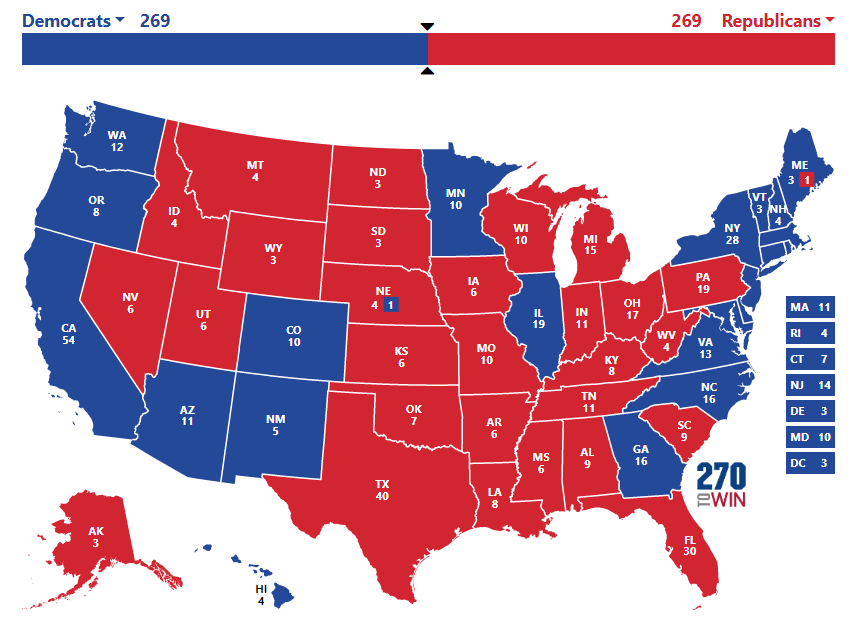
Despite its identifiable urban and rural divides, Nevada has, in recent decades, emerged as one of America’s key swing states. Its political allegiances have proven to be fluid, with the state narrowly voting for both Democratic and Republican presidential candidates in successive elections. This “swing state” status is a testament to its complex demographic makeup and the dynamic interplay of its economic and social forces.
Several factors contribute to Nevada‘s swing state reputation. Firstly, its population growth has been fueled by migration from other states, bringing with it a diverse range of political ideologies and experiences. This influx of new residents can dilute established political loyalties and make the electorate more open to persuasion. Secondly, the state’s economy is heavily reliant on sectors like tourism and hospitality, which are particularly sensitive to economic downturns and can lead to shifts in voter sentiment based on economic performance. The rise of the tech industry in Reno and the continued dominance of the gaming and entertainment industries in Las Vegas mean that economic stability is a perpetual concern for voters.

The Importance of Minority and Younger Voters
The growing influence of minority and younger voters is another critical element in Nevada‘s political dynamism. Nevada has a significant and growing Hispanic population, particularly in Clark County, which has consistently voted Democratic. The younger demographic, often more progressive on social issues and concerned about issues like climate change and student debt, also tends to lean Democratic. As these demographic groups become a larger proportion of the electorate, they exert a greater influence on election outcomes.
Conversely, older voters, particularly in the more established suburban communities, can sometimes lean more Republican. The coalition of voters that ultimately prevails in Nevada often depends on which party can most effectively mobilize its base and persuade a crucial slice of undecided or independent voters. The state’s unique blend of urban energy, rural traditions, and a constantly evolving demographic profile ensures that it will remain a closely watched battleground in future elections, where the “color” of Nevada can indeed shift with each electoral cycle.
LifeOutOfTheBox is a participant in the Amazon Services LLC Associates Program, an affiliate advertising program designed to provide a means for sites to earn advertising fees by advertising and linking to Amazon.com. Amazon, the Amazon logo, AmazonSupply, and the AmazonSupply logo are trademarks of Amazon.com, Inc. or its affiliates. As an Amazon Associate we earn affiliate commissions from qualifying purchases.