
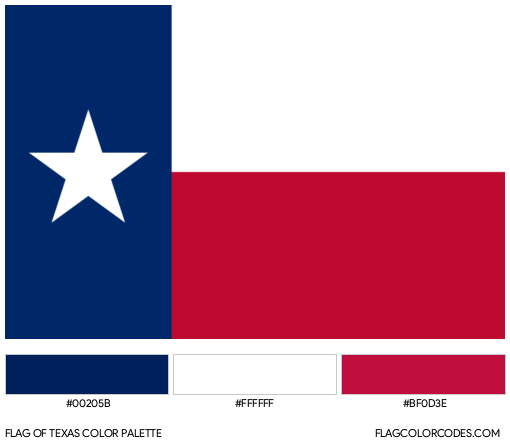
Texas, a state often painted with broad strokes of rugged individualism and sprawling landscapes, is a tapestry woven with a vibrant spectrum of hues. Beyond the iconic lone star against a blue sky, the true colors of Texas reveal themselves in its diverse natural environments, its rich cultural heritage, and the very essence of its people. To understand “What Color Is Texas?” is to delve into the shades of its earth, the vibrancy of its flora and fauna, and the kaleidoscopic expressions of its communities.
The Earth’s Palette: From Desert Sands to Fertile Plains
Texas’s geography is a masterclass in chromatic diversity, offering a visual feast that changes dramatically as one traverses its vast expanse. The western reaches, particularly the Chihuahuan Desert bordering Mexico, are dominated by the warm, earthy tones of sand and rock. Here, ochre, sienna, and burnt umber define the undulating dunes and rugged mountain formations. The sparse vegetation, adapted to arid conditions, contributes subtle shades of muted green and straw. The intense sunlight often casts a golden glow, making the landscape appear as if bathed in liquid amber.

Moving eastward, the landscape transforms. The Texas Hill Country, a unique geological region, bursts with softer, more varied tones. Limestone formations give way to rolling hills carpeted in a verdant green during wetter seasons, interspersed with the grey of exposed rock and the earthy brown of fertile soil. In spring, this region becomes a painter’s dream with the explosion of wildflowers. The iconic bluebonnets, their name a testament to their vibrant azure hue, blanket vast fields. They share this canvas with fiery Indian paintbrushes of scarlet and crimson, sunny Mexican poppies in shades of yellow, and delicate pink and white four o’clocks. The subtle purples of verbena add another layer to this breathtaking display.
Further east, the climate shifts, and so does the color. The Piney Woods of East Texas are awash in deep, resonant greens. Towering pine and oak trees create a dense canopy, their foliage a rich, almost emerald hue. The forest floor, dappled with sunlight, is a mosaic of decaying leaves in shades of brown and rust, alongside the vibrant green of mosses and ferns. In autumn, this region puts on a spectacular show as deciduous trees ignite in a riot of reds, oranges, and yellows, creating a fiery farewell to summer.
The Gulf Coast offers yet another distinct palette. The expansive coastline features sandy beaches in pale beige and cream, meeting the turquoise and deep blue of the Gulf of Mexico. Marshes and wetlands present a rich tapestry of greens, browns, and rusts, teeming with life. The sky here often takes on a dramatic character, with sunsets painting the horizon in fiery oranges, pinks, and purples, reflecting majestically on the water’s surface.
The Desert’s Subtle Symphony
West Texas, in its stark beauty, is often misunderstood. Its colors are not as immediately obvious as a wildflower meadow, but they are profoundly captivating. The deep reds of the soil in areas like Big Bend National Park speak of ancient geological processes. The muted greens of yucca and ocotillo, the dusty grey of sagebrush, and the pale browns of dried grasses form a subtle yet resilient ecosystem. Sunlight here can be intense, bleaching the colors to pastels, or it can soften them at dawn and dusk, revealing deeper, richer tones. The night sky, famously dark, is a deep indigo, studded with countless white stars.
Hill Country’s Floral Fireworks
The spring wildflower season in the Texas Hill Country is perhaps the most visually stunning chromatic event in the state. Beyond the ubiquitous bluebonnets, the landscape is transformed by a profusion of other blooms. Crimson paintbrush, vivid Indian blanket, cheerful yellow coreopsis, and delicate purple phlox create a breathtaking spectacle. These floral explosions are not confined to vast fields; they often dot the roadsides and spill into meadows, creating a dynamic and ever-changing panorama of color that draws visitors from around the globe.
The Colors of Culture: From Heritage to Modern Expression
Texas’s cultural landscape is as variegated as its terrain, reflecting a history of diverse peoples and influences. The deep blues and whites of Mexico are evident in the architecture, art, and cuisine found in cities like San Antonio and El Paso. Vibrant murals adorn buildings, depicting historical narratives and contemporary social commentary in a riot of colors. The rich traditions of Tejano music often evoke a sense of passion and nostalgia, colors that can be felt as much as seen.
The influence of Southern heritage, particularly in East Texas, can be seen in the elegant antebellum architecture, often painted in muted pastels or crisp whites, set against lush green lawns. The warmth and hospitality of its people are often described in terms of golden rays of sunshine and comforting earth tones.
The distinct German heritage in the Texas Hill Country adds another layer of color, particularly during its many festivals. The traditional attire, the vibrant decorations, and the hearty food all contribute to a cheerful and robust chromatic experience.
In the major metropolises like Houston, Dallas, and Austin, the colors are truly global and modern. These cities are melting pots, reflecting the diverse backgrounds of their inhabitants through international cuisine, varied art scenes, and dynamic urban designs. The gleaming steel and glass of skyscrapers reach for the sky, often appearing in shades of silver and grey, juxtaposed against the vibrant street art and neon lights that illuminate the nights. The energy of these urban centers is a pulsating spectrum of human activity and creativity.
The Warmth of Tejano Heritage
The vibrant cultural tapestry of Texas is deeply enriched by its Tejano roots. This influence is most palpable in the southern and western parts of the state, where the colors of Mexico intertwine with those of American culture. Traditional Fiestas and celebrations are often awash in the bright reds, blues, and yellows of Mexican folklore. The intricate designs of Papel Picado, delicate paper banners in a rainbow of hues, flutter in the breeze, adding a festive charm to any occasion. The bold flavors and rich spices of Tex-Mex cuisine also translate into a vibrant culinary palette, from the deep reds of chili sauces to the bright greens of guacamole.
The Urban Spectrum of Modern Texas
The major urban centers of Texas are dynamic canvases of contemporary life. Dallas, with its sleek modernist architecture and thriving arts district, often presents a palette of cool blues, greys, and metallics. Houston, a global hub for space exploration and diverse cultures, bursts with a more eclectic mix of colors, from the vibrant hues of its international neighborhoods to the muted tones of its sprawling bayou landscapes. Austin, the state capital, is renowned for its live music scene and bohemian spirit, radiating a bohemian spectrum of colors, from tie-dye brights to earthy, handcrafted tones. The culinary scene in these cities offers a microcosm of their diversity, with restaurants showcasing an international array of flavors and colors.
The Shades of Everyday Life: From Sunset to Starlight
The colors of Texas also reside in the fleeting moments of its daily life. The iconic Texas sunset is a daily masterpiece, a dramatic display of fiery oranges, deep reds, and soft purples that paint the western sky. As twilight descends, the world softens into shades of indigo and deep blue, eventually giving way to the profound blackness of a star-filled night. On clear nights, far from the light pollution of cities, the celestial display is a breathtaking canvas of tiny, bright white pinpricks against the velvety darkness.
The colors of the people of Texas are equally significant. While the state is often associated with a certain ruggedness, its residents embody a spectrum of personalities and passions. The warmth of a Texan handshake can feel like a golden embrace, while the pride in their state can be as bold and vibrant as a crimson flag. From the quiet determination of ranchers to the exuberant energy of city dwellers, the human element adds a vital layer of color to the Texas experience.
Golden Hour Over the Plains
The late afternoon sun in Texas bathes the landscape in a warm, golden light, a phenomenon often referred to as the “golden hour.” This is when the rolling hills, vast ranches, and sprawling ranches seem to glow, their natural colors enhanced and softened. The sky transforms into a canvas of yellows, oranges, and soft pinks, casting long shadows that add depth and drama to the scenery. This time of day is particularly magical in the open spaces, where the light seems to stretch on forever, creating an ethereal and unforgettable visual experience.

The Starlit Canvas of West Texas
In the vast, sparsely populated expanses of West Texas, the night sky offers a spectacle of unparalleled beauty. Far from the glare of urban lights, the darkness allows for an unobstructed view of the cosmos. The Milky Way stretches across the inky blackness like a brushstroke of diamond dust, a breathtaking display of celestial whites and silvers against the deep indigo. Constellations emerge in sharp relief, and shooting stars occasionally streak across the heavens, adding fleeting moments of brilliance to the profound darkness. This is a stark reminder of the universe’s grandeur and the humble place of human existence within it.
Ultimately, “What Color Is Texas?” is not a question with a single, simple answer. It is a state painted in the bold strokes of its natural beauty, the vibrant hues of its diverse cultures, and the subtle, enduring shades of its everyday life. It is a place where the earth’s palette meets the human spirit, creating a landscape of color that is as dynamic and unforgettable as Texas itself.
LifeOutOfTheBox is a participant in the Amazon Services LLC Associates Program, an affiliate advertising program designed to provide a means for sites to earn advertising fees by advertising and linking to Amazon.com. Amazon, the Amazon logo, AmazonSupply, and the AmazonSupply logo are trademarks of Amazon.com, Inc. or its affiliates. As an Amazon Associate we earn affiliate commissions from qualifying purchases.