
Have you ever slid between the crisp, immaculate sheets of a high-end hotel bed and wondered why the bedding feels so divinely cloud-like, substantial, and perfectly temperature-regulated? Guests often spend their entire stays trying to recreate that exact sleep experience at home, only to find their store-bought bedding falls flat. The secret behind that legendary hotel bed aesthetic and comfort is not magic; it is a carefully curated combination of commercial-grade textiles, specific filling materials, and meticulous layering techniques. Understanding what comforters hotels use demystifies the hospitality sleep experience and empowers you to bring that five-star luxury directly into your own bedroom.
The Secret Behind That Cloud-Like Hotel Bedding
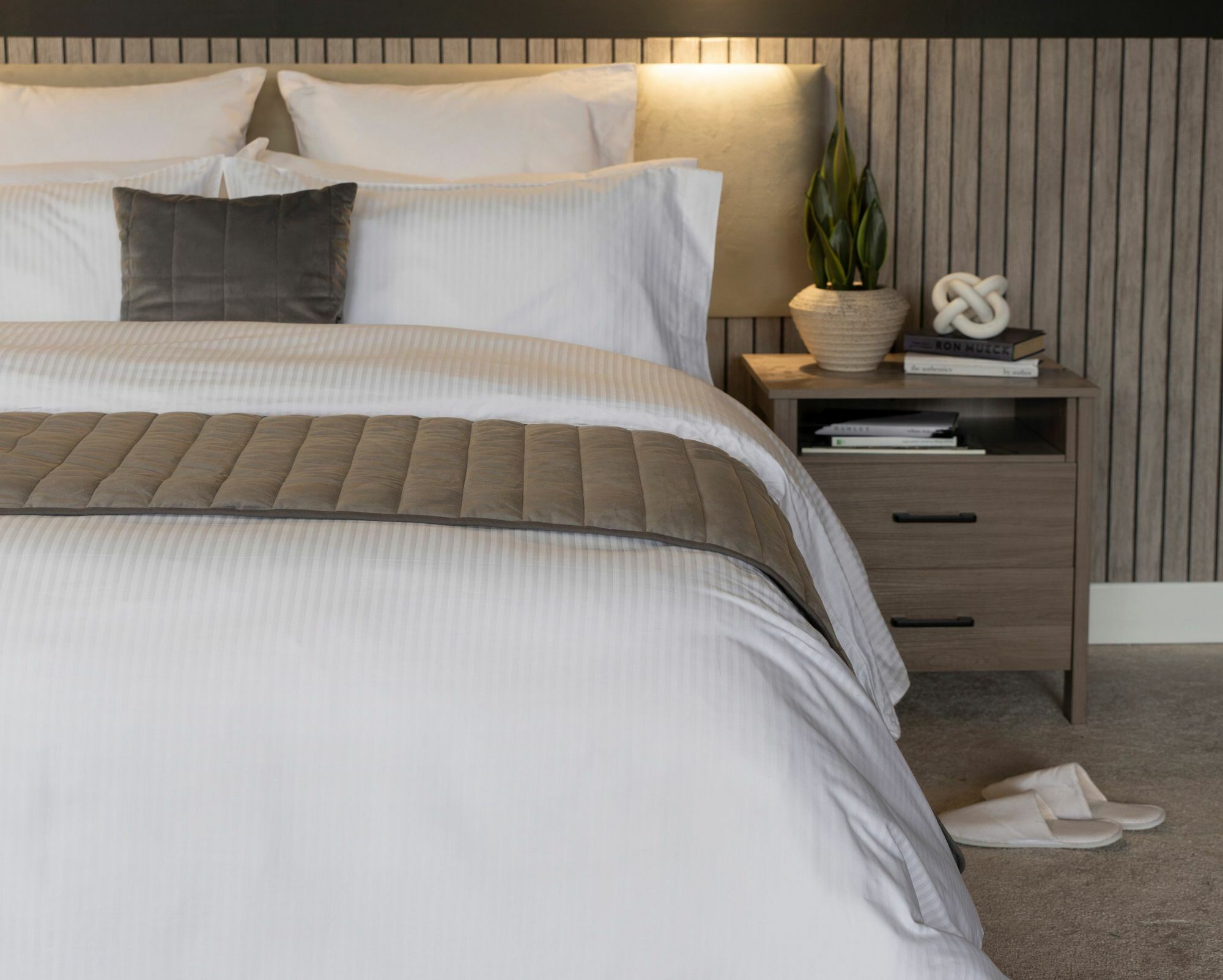
When guests check into renowned luxury establishments like the Ritz-Carlton or the Four Seasons, they are greeted by beds that look impossibly fluffy. This visual appeal is the result of a deliberate industry secret: hotels rarely use a single, standard comforter. Instead, the hospitality industry relies on a sophisticated sleep system designed for durability, ease of maintenance, and supreme tactile comfort.
The Duvet Versus the Comforter Distinction
While everyday consumers often use the terms interchangeably, the hospitality industry makes a strict distinction. A comforter is typically a standalone, quilted blanket designed to go straight onto the bed without a removable cover. Hotels, however, almost exclusively use duvet inserts paired with a separate duvet cover.
This preference is largely driven by hygiene and operational efficiency. In massive properties like the Bellagio in Las Vegas or the Plaza Hotel in New York City, washing heavy comforters between every single guest checkout would be logistically impossible and financially prohibitive. Duvet covers, on the other hand, can be easily slipped off, laundered, sanitized, and replaced in minutes. This ensures absolute cleanliness while preserving the delicate internal filling of the insert.
Architectural Layering and Weight
Another reason hotel beds feel so substantial is the practice of layering. Rather than relying on one monolithic, overly heavy blanket, hotels often utilize a lightweight duvet insert paired with cotton coverlets, blankets, or triple-sheeting methods. This modular approach allows housekeeping staff to adjust the bed according to seasonal changes or specific guest requests. Furthermore, high-end properties purchase inserts with high fill power—a measurement of the fluffiness and insulating capability of the down—ensuring that the bed maintains its voluminous loft over hundreds of industrial laundering cycles.
Materials Inside Five-Star Hotel Comforters
The materials chosen for hotel comforter inserts are selected based on strict performance metrics: breathability, hypoallergenic properties, longevity, and tactile luxury. Whether a guest is staying at a coastal resort in Miami or a boutique mountain lodge in Aspen, the interior filling dictates how well the sleeper regulates their body temperature throughout the night.
Down Versus Down Alternative Fillings
The eternal debate in bedding is whether to choose natural down or down alternative. Both have distinct places in the hospitality world.
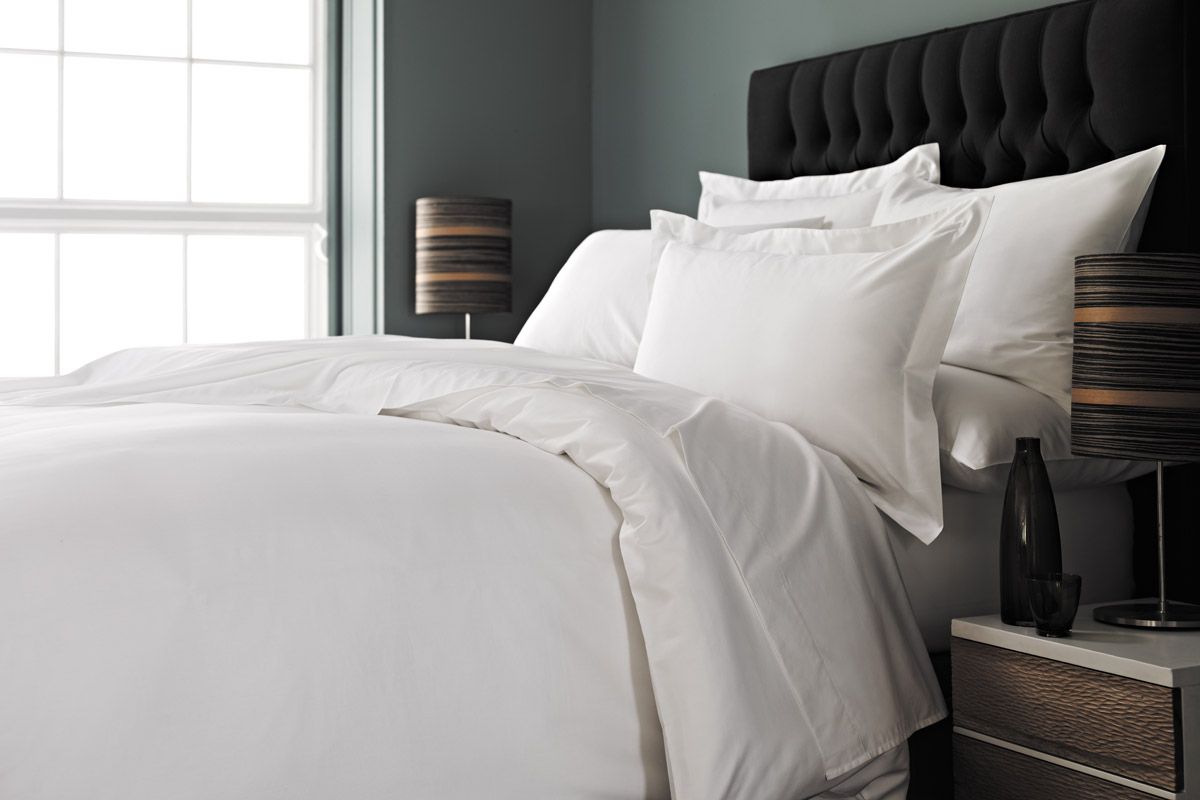
- Natural Down: Sourced from the undercoating of geese or ducks, natural down is the gold standard of luxury. It offers unmatched lightness, supreme warmth without excessive weight, and natural temperature-regulating properties. Premium hotels often use a blend of down and small feathers to add a bit of supportive structure and heft.
- Down Alternative: Typically manufactured from high-grade, ultra-fine microfibers, down alternative has become increasingly popular across major hotel brands. It mimics the plush feel of natural down but is entirely hypoallergenic, making it ideal for guests with sensitivities. Furthermore, down alternative is significantly more affordable to produce and easier to clean on an industrial scale, making it the go-to choice for business-class and select-service properties.
Shell Fabrics and Thread Counts
The exterior fabric encasing the filling—known as the shell—is just as important as the fill itself. High-end hotels generally demand 100% long-staple cotton shells with high thread counts, often featuring a cambric or sateen weave. Long-staple cotton, such as Egyptian or Supima cotton, creates a softer, more durable fabric that prevents feathers or microfibers from poking through. Additionally, hotels look for shells treated with down-proof weaving techniques, ensuring that the interior filling stays securely locked inside the casing for years of heavy use.
Popular Brands and Where to Buy Hotel-Grade Comforters
Major hospitality brands do not usually manufacture their own textiles. Instead, they partner with elite textile manufacturers and sleep-products companies to design custom specifications. Many of these suppliers also operate direct-to-consumer storefronts, allowing travelers to purchase the exact bedding used by their favorite travel destinations.
Frette and Downlite: The Industry Titans
Brands like Frette and Downlite supply many of the world’s most prestigious hotels and resorts. Frette, an Italian luxury textile house, is famously utilized by historic and ultra-luxury properties across Europe and globally, known for its peerless quality and exquisite detailing. Downlite, on the other hand, is the powerhouse behind the bedding found in many major American hotel chains, providing commercial-grade down and down alternative comforters designed to withstand rigorous institutional laundering.
Specific Hotel Brand Collections
If you have ever fallen in love with the bed at a specific hotel chain, you are in luck. Most major hospitality groups have launched retail arms where consumers can buy their signature sleep systems:
- Marriott: The Marriott Hotel group offers a comprehensive online store featuring their signature down alternative duvet inserts and crisp white duvet covers.
- Westin: Famous for launching the “Heavenly Bed” phenomenon, Westin sells its signature white duvet and feather-and-down comforter combinations directly to consumers wanting to recreate that trademark restorative sleep.
- InterContinental: Known for refined elegance, properties managed by InterContinental Hotels often feature plush, medium-weight down comforters that balance warmth and sophisticated drape.
How to Recreate the Hotel Bed Experience at Home
Purchasing a hotel-grade comforter is only the first step. To truly replicate that crisp, inviting aesthetic in your own bedroom, you must adopt the styling and maintenance habits of professional hotel housekeepers.
Sizing Up Your Duvet Insert
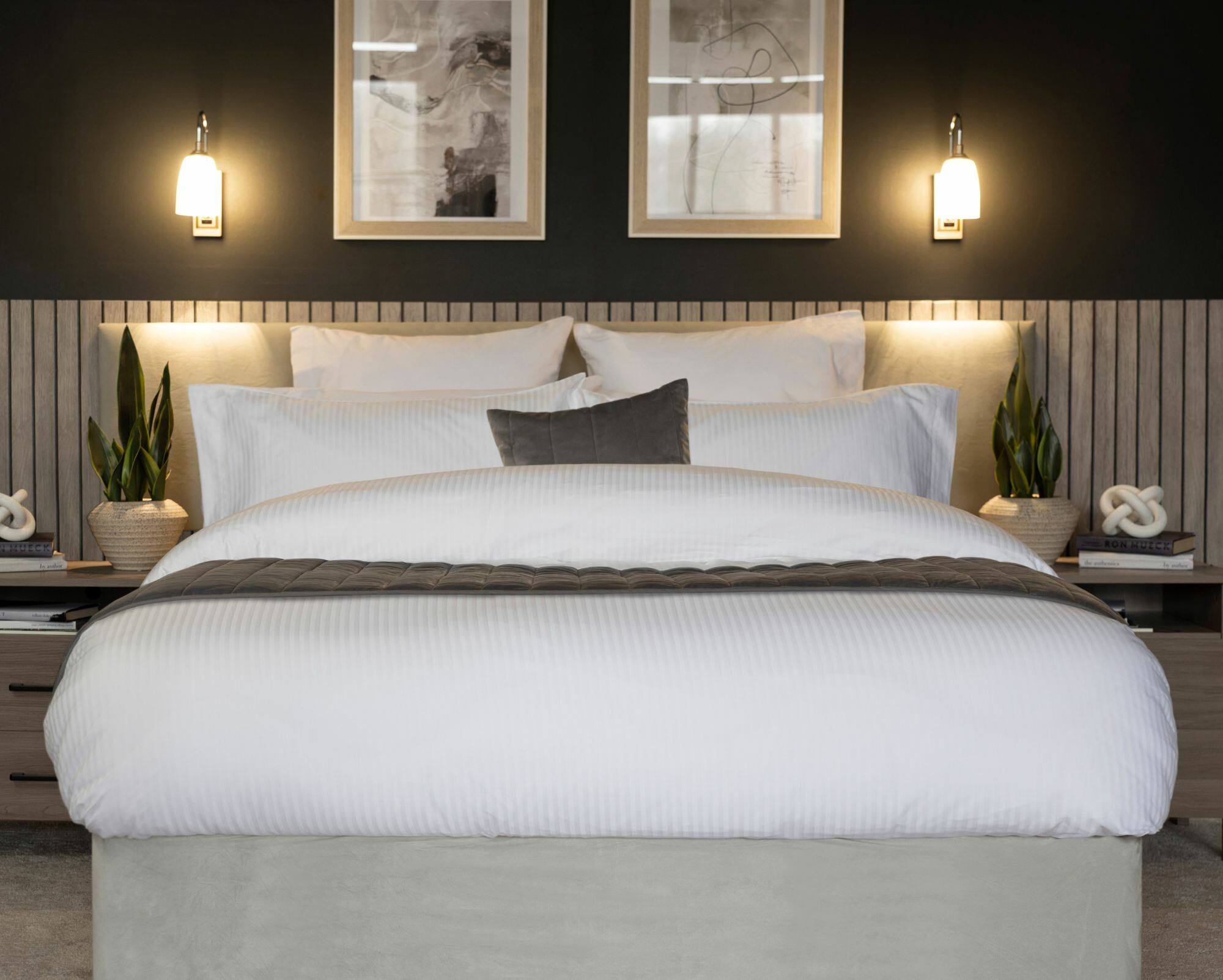
One of the most common mistakes people make is matching their duvet cover size directly to their duvet insert size. Professional stagers and hotel housekeepers often buy a duvet insert that is one size larger than their duvet cover—for example, putting a King-sized insert inside a Queen-sized cover. This simple trick eliminates empty corners, creates an overstuffed, pillowy look, and ensures the bed looks exceptionally full and luxurious.
Proper Laundering and Fluffing Techniques
To maintain that brand-new hotel feel, proper care is essential. Down and down alternative comforters should not be washed too frequently—typically two to three times a year is sufficient, provided you are using a protective, washable duvet cover. When it is time to wash them, use a large-capacity commercial or residential front-load washer with mild detergent on a gentle cycle.
Tumble dry the comforter on low heat with clean wool dryer balls or tennis balls to help break up clumps and redistribute the fill evenly. Taking the comforter out halfway through the cycle to manually shake and fluff it will restore its loft and keep it feeling as pristine as the day you checked into your favorite suite.
LifeOutOfTheBox is a participant in the Amazon Services LLC Associates Program, an affiliate advertising program designed to provide a means for sites to earn advertising fees by advertising and linking to Amazon.com. Amazon, the Amazon logo, AmazonSupply, and the AmazonSupply logo are trademarks of Amazon.com, Inc. or its affiliates. As an Amazon Associate we earn affiliate commissions from qualifying purchases.