
Florida, with its stunning coastlines, vibrant cities, and world-renowned attractions, consistently ranks among top travel destinations. However, its geographic location makes it susceptible to severe weather events, particularly hurricanes and tropical storms, which can necessitate widespread evacuations. For any traveler planning a trip to the Sunshine State, understanding the dynamics of these events, how they trigger evacuation orders, and which areas are typically affected is paramount for ensuring a safe and enjoyable journey. This guide delves into the travel implications of Florida evacuations, offering essential insights for both prospective visitors and those already navigating the state.

Understanding Evacuation Orders and Their Travel Impact
Evacuation orders in Florida are critical measures implemented by local and state authorities to protect lives and property during imminent threats, primarily from tropical cyclones. These orders are not issued lightly; they are based on detailed meteorological forecasts, storm surge projections, and the structural vulnerabilities of certain areas. For travelers, an evacuation order transforms a planned vacation into a critical safety operation, demanding immediate attention and flexible decision-making.
Types of Evacuation Orders
There are generally two classifications of evacuation orders:
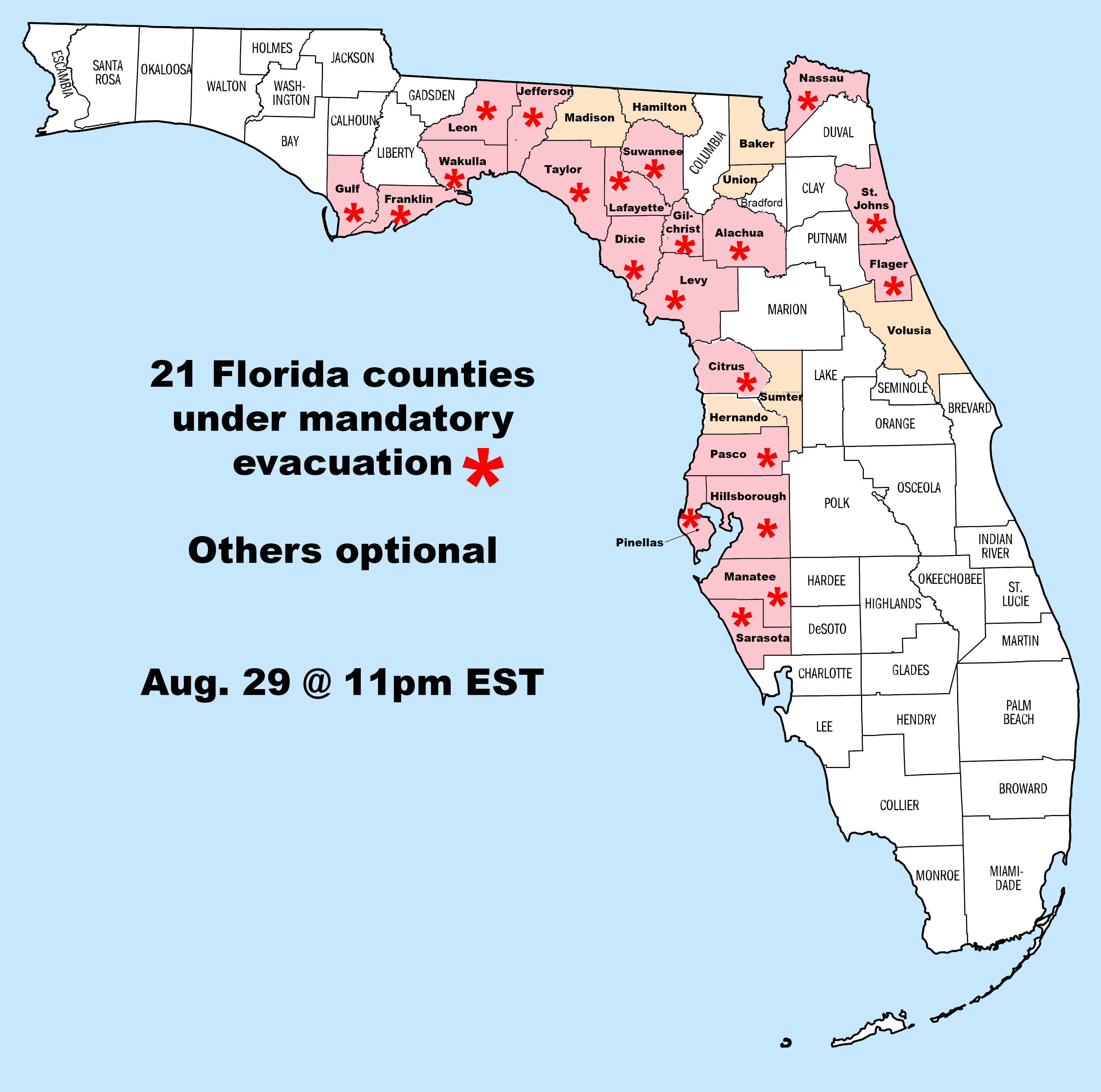
- Mandatory Evacuations: These orders require all residents and visitors in designated zones to leave immediately. Non-compliance can put individuals at extreme risk and may impede emergency services. If your travel plans intersect with a mandatory evacuation zone, immediate departure is not optional; it’s a matter of safety. Travelers in these zones should not only leave but also ensure they have secured alternative accommodations in a safe area and communicated their plans to loved ones.
- Voluntary Evacuations: These advisories suggest that residents and visitors in vulnerable areas, or those with special needs, consider leaving. While not legally binding, voluntary orders indicate a significant threat is approaching, and conditions may rapidly deteriorate. For travelers, a voluntary evacuation should be taken very seriously, prompting a re-evaluation of travel plans, especially if relying on routes that could become impassable or accommodations that might lose power or services.
Triggers for Evacuations
The primary trigger for mass evacuations in Florida is the threat of storm surge, a phenomenon where strong winds push ocean water onto land, causing devastating flooding. Coastal and low-lying areas, barrier islands, and areas near major waterways are particularly susceptible. Wind speeds, potential for tornadoes, and expected rainfall also contribute to evacuation decisions, especially concerning flooding in inland areas. Key factors influencing which counties are evacuated include:
- Proximity to Coastlines: Counties directly on the Atlantic Ocean or Gulf of Mexico are almost always the first to be considered for evacuation due to storm surge risk.
- Elevation and Flood Zones: Low-lying areas and designated flood zones, even if slightly inland, are highly vulnerable.
- Infrastructure: The ability of local infrastructure (roads, bridges, utilities) to withstand a storm and facilitate emergency response also plays a role.
- Population Density: Densely populated coastal areas, such as those found in Miami-Dade County or Pinellas County, often require earlier evacuation orders to manage traffic flow.
Common Evacuation Hotspots for Travelers
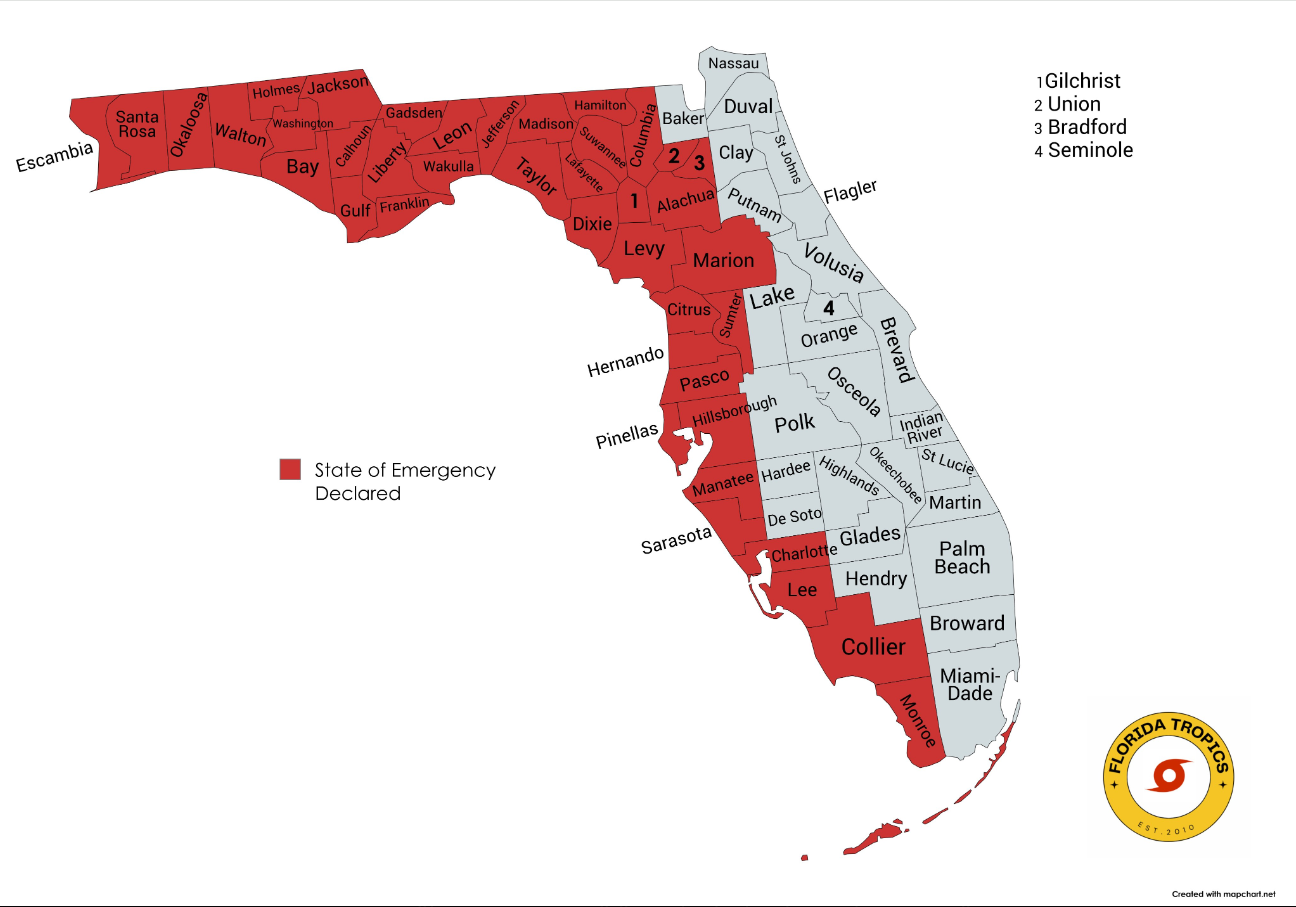
While specific evacuation zones are determined by each storm’s unique trajectory and intensity, certain Florida counties and their popular tourist destinations are historically more prone to evacuation orders. Travelers should pay close attention to updates concerning these regions during hurricane season (June 1st to November 30th).
Southwest Florida
This region, known for its pristine beaches and laid-back atmosphere, is frequently impacted by Gulf-originating storms.
- Lee County (Fort Myers, Sanibel Island, Captiva Island): A major tourist hub, Lee County’s extensive barrier islands and coastal communities are highly vulnerable to storm surge. Fort Myers and its surrounding areas like Cape Coral and Bonita Springs are popular travel destinations that frequently see evacuation orders.
- Collier County (Naples, Marco Island): Home to upscale resorts and beautiful beaches, Collier County often faces evacuations, particularly for its coastal areas and Marco Island.
- Charlotte County (Punta Gorda, Port Charlotte): Situated along Charlotte Harbor, this county has numerous waterways and coastal communities that are highly susceptible to storm surge and flooding, making evacuations common.
- Sarasota County (Sarasota, Siesta Key): Famed for Siesta Key’s white sand beaches, Sarasota County’s barrier islands and low-lying areas are frequently part of evacuation zones.
Southeast Florida
This bustling metropolitan corridor is densely populated and lies directly in the path of many Atlantic Ocean storm tracks.
- Miami-Dade County (Miami, Miami Beach): As a global travel destination, Miami-Dade County frequently issues evacuation orders for its coastal regions, including Miami Beach, key barrier islands, and areas bordering the Biscayne Bay, due to significant storm surge risk.
- Broward County (Fort Lauderdale, Hollywood): With extensive canal systems and beachfront properties, Broward County often sees evacuations for its easternmost zones, impacting travelers in cities like Fort Lauderdale and Hollywood.
- Palm Beach County (West Palm Beach, Boca Raton): Similar to its southern neighbors, coastal Palm Beach County areas, including popular destinations such as Palm Beach and Boca Raton, are often subject to evacuation notices.
Central Florida (Gulf Coast)
This region is home to major tourism attractions and significant coastal development.
- Pinellas County (St. Petersburg, Clearwater): Pinellas County is almost entirely a peninsula, making it exceptionally vulnerable to storm surge from the Gulf of Mexico. Evacuations are common for its popular beach communities like St. Pete Beach and Clearwater Beach, as well as low-lying areas in cities like St. Petersburg and Clearwater.
- Hillsborough County (Tampa): While Tampa is not directly on the open coast, it is situated on Tampa Bay, a large, shallow estuary highly susceptible to storm surge. Evacuation zones typically affect areas around the bay and rivers.
Northwest Florida (Panhandle)
Known for its emerald waters and sugar-white sands, the Florida Panhandle is no stranger to hurricane activity.
- Escambia County (Pensacola, Pensacola Beach): Pensacola and particularly Pensacola Beach on Santa Rosa Island are frequently under evacuation orders due to their exposure to the Gulf.
- Bay County (Panama City, Panama City Beach): This popular spring break destination is a known hurricane hotspot, with Panama City Beach and other coastal areas regularly requiring evacuation.
Northeast Florida
Though often spared the direct brunt of Gulf storms, this region can be significantly impacted by Atlantic Ocean hurricanes.
- St. Johns County (St. Augustine, Ponte Vedra Beach): St. Augustine, with its historic coastal areas, and Ponte Vedra Beach are frequently in storm surge evacuation zones.
- Duval County (Jacksonville, Jacksonville Beach): Jacksonville, as the largest city by land area in the contiguous United States, has significant coastal portions, including Jacksonville Beach, that are highly susceptible to storm surge.
Traveler’s Essential Evacuation Checklist
Being prepared is the best defense against disruption and danger when traveling in Florida during hurricane season.
Before You Travel
- Monitor Weather Forecasts: Stay updated on tropical weather outlooks from the National Hurricane Center (NHC) and local news channels for your destination.
- Travel Insurance: Consider purchasing comprehensive travel insurance that covers weather-related cancellations, evacuations, and medical emergencies. Read the fine print carefully to understand what is covered.
- Flexible Bookings: Whenever possible, choose accommodations and transportation with flexible cancellation and rebooking policies.
- Emergency Kit: Pack a small emergency kit including important documents (IDs, insurance policies), medications, a portable charger, and some cash.
During an Evacuation Order
- Confirm Official Information: Always verify evacuation orders through official channels such as county emergency management websites (e.g., Miami-Dade Emergency Management), local government social media, or reputable news outlets. Do not rely solely on rumors.
- Follow Instructions Immediately: If your location is under a mandatory evacuation, leave without delay. Traffic can become extremely heavy, and resources like gas may become scarce.
- Know Your Route: Plan your evacuation route in advance, identifying safe zones inland or outside the storm’s projected path. Be aware that primary routes may be designated as contraflow lanes (all lanes going in one direction) during major evacuations.
- Secure Accommodation: Try to secure alternative lodging outside the evacuation zone. Hotels inland or further north in Florida or neighboring states like Georgia or Alabama are common destinations.
- Inform Contacts: Let family and friends know your whereabouts and your updated travel plans.
- Travel Documents: Keep all essential travel documents, identification, and medication readily accessible.
Post-Evacuation and Returning to the Area
- Do Not Return Prematurely: Do not attempt to return to an evacuated area until official “all clear” notices have been issued. Roads may still be flooded, damaged, or blocked, and emergency services may be ongoing.
- Assess Conditions: Even after an “all clear,” expect potential power outages, limited access to services (gas, groceries), and damaged infrastructure. Travel may be challenging, and some attractions or accommodations might be closed for recovery.
- Contact Your Providers: Communicate with your airline, hotel, or car rental agency regarding cancellations, rebookings, or refunds.
Being aware of Florida’s vulnerability to natural disasters and understanding how to respond to evacuation orders is an indispensable part of responsible travel planning. By prioritizing safety and staying informed, travelers can mitigate risks and navigate potential disruptions effectively, ensuring that their experience in the Sunshine State remains as positive and memorable as intended.
LifeOutOfTheBox is a participant in the Amazon Services LLC Associates Program, an affiliate advertising program designed to provide a means for sites to earn advertising fees by advertising and linking to Amazon.com. Amazon, the Amazon logo, AmazonSupply, and the AmazonSupply logo are trademarks of Amazon.com, Inc. or its affiliates. As an Amazon Associate we earn affiliate commissions from qualifying purchases.