
Navigating the requirements for establishing residency in a new state can often feel like deciphering a cryptic code. For those looking to make the Sunshine State their permanent home, understanding what constitutes valid proof of residency in Florida is a critical first step. This isn’t just about declaring your allegiance; it’s about unlocking a range of benefits, from in-state tuition at universities and reduced car insurance rates to the ability to vote in local elections and access state-specific services. The Florida Department of Highway Safety and Motor Vehicles, along with various other state agencies, requires specific documentation to verify your intent to reside permanently in the state. This guide aims to demystify the process, outlining the types of documents that are generally accepted and the nuances involved in meeting Florida’s residency criteria.

Establishing Your Physical Presence and Intent
The core of establishing residency in any state, including Florida, rests on two fundamental principles: physical presence and the intent to remain. Simply owning property or spending a winter vacation in the state is not enough to claim Florida residency. You must demonstrate that you are physically living in Florida and have the genuine intention of making it your permanent home. This distinction is crucial, as it separates temporary visitors from bona fide residents. Government agencies look for a pattern of behavior and documentation that supports your claim of making Florida your primary domicile.
Physical Presence: More Than Just a Visit
Physical presence means that Florida is where you actually live. This is typically demonstrated by spending a significant amount of time in the state. While there isn’t a strict day-count mandate for all purposes, for many official matters, such as obtaining a driver’s license or registering to vote, you’ll need to show that you’ve established a primary residence. This implies that your established home, where you habitually sleep, eat, and conduct your daily life, is within Florida. If you maintain a primary residence in another state, your claim to Florida residency may be challenged.
Intent to Remain: The “Why” Behind Your Move
Intent is the subjective element that complements physical presence. It’s about your commitment to making Florida your long-term home. This can be demonstrated through various actions and declarations. For instance, if you’ve moved your belongings, established utility services in your name, registered your vehicles in Florida, and are actively participating in the community, these all signal your intent to remain. The absence of ties to another state also strengthens your claim. This is why it’s often recommended to formally sever ties with your previous state of residence, such as by closing bank accounts or canceling subscriptions that are no longer relevant to your Florida life.
Essential Documents for Proof of Residency
When applying for official Florida identification or services, you’ll typically need to provide at least two different documents that prove your Florida address. These documents serve as tangible evidence of your physical presence and intent. The key is that these documents must bear your name and your Florida residential address. It’s important to note that the specific requirements can vary slightly depending on the agency or service you are applying for, but the following categories represent commonly accepted forms of proof.
Utility Bills and Services
One of the most straightforward ways to prove residency is through utility bills. These documents clearly show your name and the address where you are receiving services. Accepted utilities typically include:
- Electricity Bills: From providers like Florida Power & Light or Duke Energy.
- Water Bills: Issued by your local water authority.
- Gas Bills: If applicable in your area.
- Internet or Cable TV Bills: From providers such as Spectrum or Xfinity.
These bills are generally accepted if they are recent, typically within the last 30 to 60 days, and clearly display your name and Florida address. It’s important that the account is in your name; a bill in a spouse’s or roommate’s name might not be sufficient on its own.
Financial and Banking Records
Financial institutions are often required to maintain records of their customers’ addresses, making bank statements a reliable form of proof.
- Bank Statements: From any Florida-based bank or credit union. These statements should clearly show your name and Florida address.
- Credit Card Statements: Similar to bank statements, these can be used if they list your Florida address as your primary residence.
- Loan Statements: Statements from mortgages, auto loans, or personal loans originating from a Florida institution can also be accepted.
As with utility bills, these financial documents should be recent and bear your name and current Florida address.
Official Mail and Government Correspondence
Mail from government entities or official correspondence carries significant weight in establishing residency.
- Lease Agreements or Mortgage Documents: A current, signed lease agreement for your Florida residence or a mortgage statement for a property you own in the state.
- Property Tax Records: If you own property in Florida, tax bills or receipts showing your name and Florida address are strong evidence.
- IRS or Florida Department of Revenue correspondence: Any official mail from federal or state tax authorities addressed to you at your Florida address.
- Voter Registration Confirmation: If you have already registered to vote in Florida, the confirmation letter can serve as proof.
The common thread here is officialdom; these documents are issued by recognized authorities and are less likely to be questioned.
Employment and Educational Documents

For many, establishing residency is tied to employment or education opportunities in Florida.
- Employment Verification Letter: A letter from your Florida-based employer on company letterhead, confirming your employment and providing your Florida address. This letter should typically be signed by an authorized representative and can be accompanied by recent pay stubs.
- School Enrollment Records: For students, an official letter from a Florida school or university confirming enrollment and listing your Florida address can be accepted. This is particularly relevant for those seeking in-state tuition rates.
These documents link your presence in Florida to a fundamental aspect of your life, further solidifying your claim to residency.
Special Considerations for Different Situations
While the above categories cover most common scenarios, there are specific situations that may require additional documentation or a deeper understanding of Florida’s residency laws. This is especially true for individuals who may still have ties to another state or are making a significant life change.
Establishing Residency for Specific Services
Different state agencies have varying requirements. For example, the process of obtaining a Florida driver’s license or identification card through the Department of Highway Safety and Motor Vehicles requires specific proof. These typically involve presenting multiple documents from the categories mentioned above, often including proof of identity, Social Security number, and your Florida address. Similarly, for in-state tuition at Florida public universities, the Florida Department of Education has detailed guidelines that go beyond simple address verification, often looking for financial independence and a clear severing of ties with another state.
Residency for Military Personnel
Military personnel stationed in Florida have specific provisions for establishing residency. While stationed here under orders, they may be able to claim Florida residency for certain purposes, even if their permanent home of record is elsewhere. However, to gain full residency benefits, such as in-state tuition for dependents, they often need to demonstrate intent to remain in Florida after their military service concludes. Documentation like military orders and a Florida residential lease or mortgage can be crucial in these cases.
Temporary vs. Permanent Residency
It’s vital to differentiate between establishing a temporary residence and a permanent domicile. A tourist might rent an apartment in Miami Beach for a few months, but this does not constitute proof of residency for voting or other long-term benefits. Florida law defines domicile as the “principal and fixed place of habitation from which you have an intent to return whenever you are absent.” This distinction is consistently emphasized by agencies like the Florida Division of Elections and the Department of Children and Families.
Tips for a Smooth Residency Application
Successfully proving your Florida residency often comes down to preparation and attention to detail. Here are some practical tips to ensure the process is as smooth as possible:
Gather More Than You Think You Need
While many applications require two proofs of residency, it’s always a good idea to bring a few extra documents. Having a wider selection ensures that if one document is deemed insufficient, you have alternatives readily available. This can save you a trip back home or to the agency office.
Ensure Documents Are Current and Legible
Agencies are strict about the recency of documents. Utility bills and bank statements older than 30-60 days may be rejected. Likewise, ensure all documents are clear, legible, and free from any smudges or tears that could obscure important information. If you are using digital copies, ensure they are high-resolution scans.
Understand the “Two Proofs” Rule
Most applications will explicitly state the need for two different proofs of residency. This means you generally cannot use two utility bills or two bank statements. Aim to select documents from different categories, such as a utility bill and a bank statement, or a lease agreement and an employment letter.
Update Your Address Everywhere
Once you have firmly established your Florida residence, it’s essential to update your mailing address with all relevant parties. This includes the U.S. Postal Service, banks, credit card companies, insurance providers, employers, and any subscriptions you may have. This consistent updating reinforces your intent to reside in Florida and ensures you receive important mail at your new address.
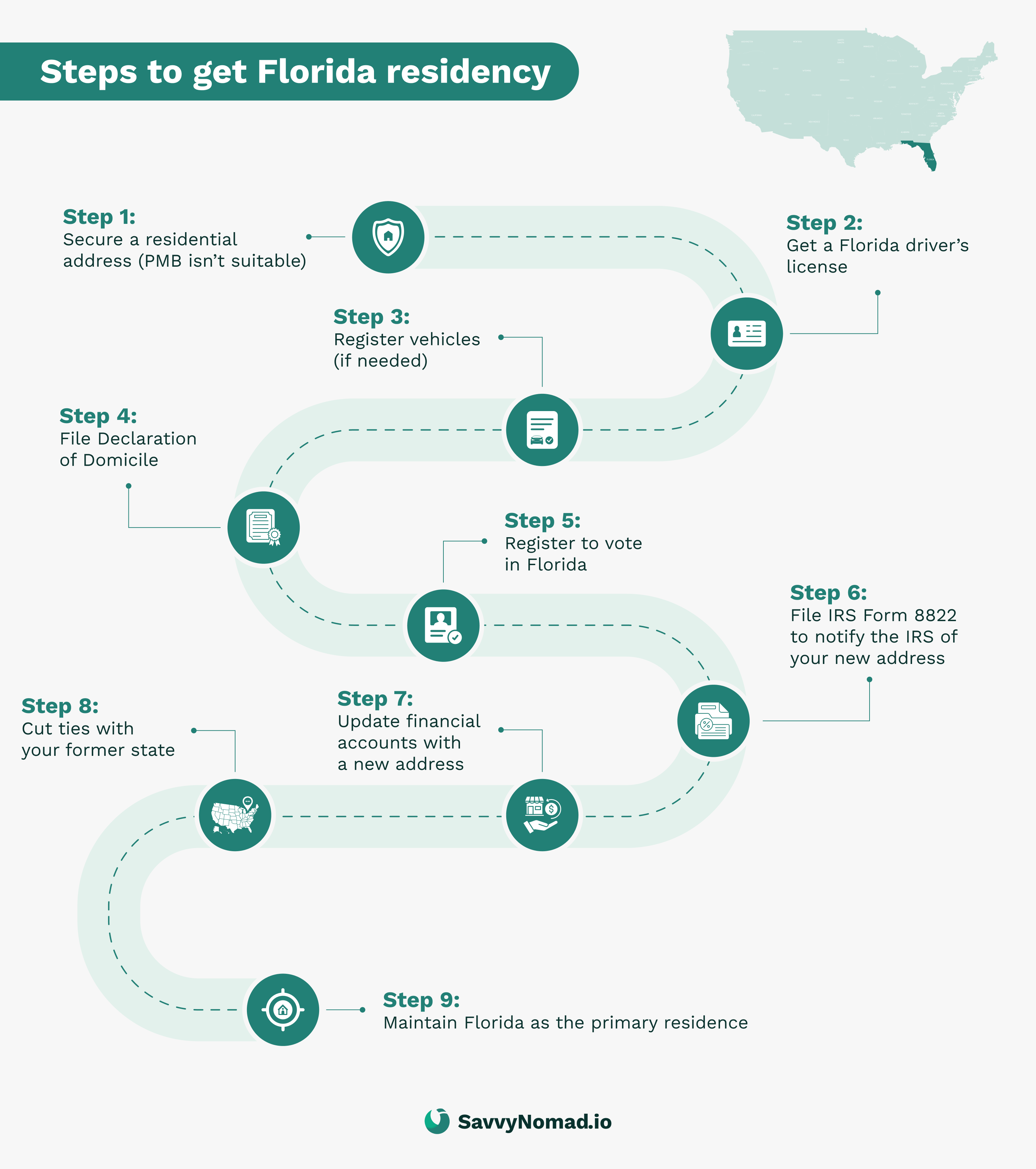
Consult Official Sources
Requirements can change, and specific situations may have unique nuances. Always refer to the official websites of the agencies you are dealing with, such as the Florida Department of Highway Safety and Motor Vehicles or the Florida Department of Education, for the most up-to-date and accurate information regarding proof of residency requirements. Don’t hesitate to contact these agencies directly if you have specific questions about your documentation.
By understanding the types of documents accepted, demonstrating both physical presence and intent, and preparing meticulously, you can confidently navigate the process of establishing your Florida residency and begin enjoying all that the Sunshine State has to offer.
LifeOutOfTheBox is a participant in the Amazon Services LLC Associates Program, an affiliate advertising program designed to provide a means for sites to earn advertising fees by advertising and linking to Amazon.com. Amazon, the Amazon logo, AmazonSupply, and the AmazonSupply logo are trademarks of Amazon.com, Inc. or its affiliates. As an Amazon Associate we earn affiliate commissions from qualifying purchases.