
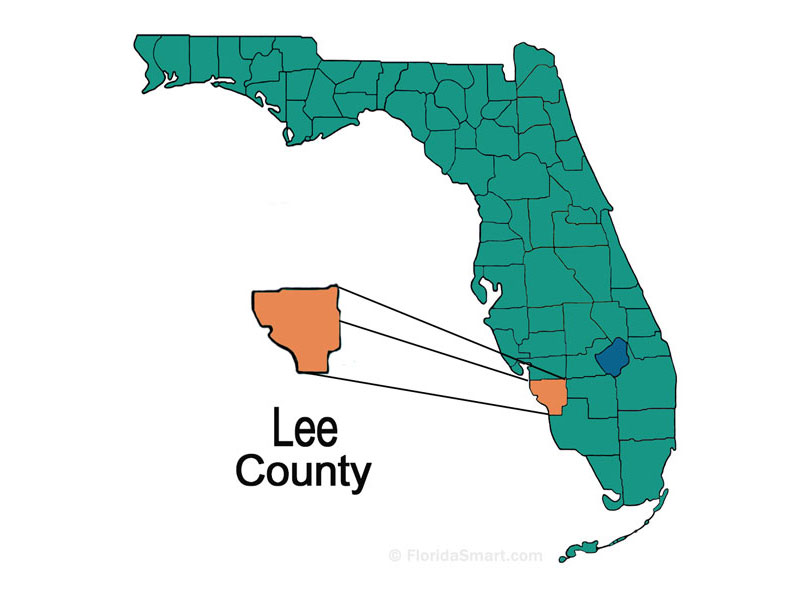
For many discerning travelers seeking the quintessential Florida experience, understanding the geographical context of a destination is the first step in planning an unforgettable journey. When it comes to the vibrant and unique city of Cape Coral, a common and fundamental question arises: “What county is Cape Coral, Florida in?” The answer is unequivocally Lee County. This seemingly simple piece of information unlocks a wealth of travel opportunities, placing Cape Coral at the heart of a region renowned for its stunning Gulf Coast beaches, rich natural beauty, and diverse cultural attractions. Understanding its location within Lee County is crucial for any visitor looking to explore not just Cape Coral itself, but also the broader tapestry of Southwest Florida. This article delves into what makes Lee County a premier travel destination and how Cape Coral’s position within it shapes the visitor experience, offering insights into its unique characteristics, surrounding attractions, and the myriad of activities available.
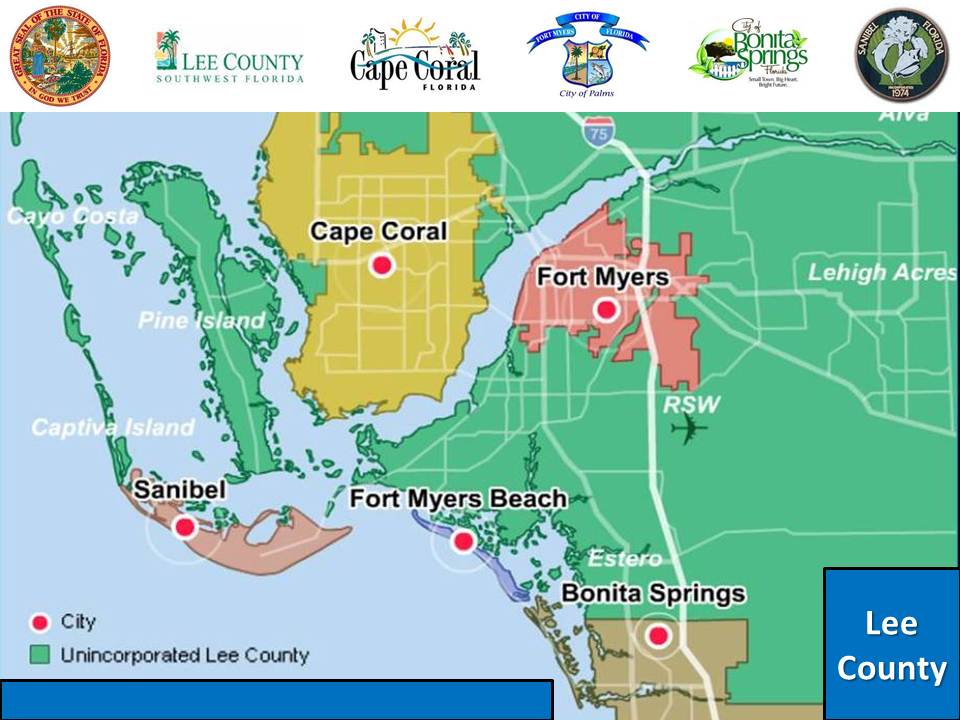
Unveiling Lee County: Cape Coral’s Home
Lee County, established in 1887 and named after Confederate General Robert E. Lee, is a dynamic and thriving region situated on the Gulf Coast of Southwest Florida. It encompasses an impressive land area of over 800 square miles, complemented by an extensive network of waterways and a breathtaking coastline. The county seat is Fort Myers, a city steeped in history and serving as a central hub for the region. However, Lee County is perhaps best known for its collection of distinct communities, each offering a unique flavor and appeal to travelers. Among these, Cape Coral stands out as a testament to visionary urban planning and a paradise for those who appreciate a relaxed, water-centric lifestyle.
Geographical Significance and Connectivity
Lee County’s strategic location is a significant asset for travelers. Bordered by the pristine waters of the Gulf of Mexico to the west, it benefits from a subtropical climate characterized by warm winters and hot, humid summers, making it an ideal year-round destination, especially for those escaping colder climates. The Caloosahatchee River, a significant waterway, flows through the county, connecting Lake Okeechobee to the Gulf of Mexico and offering a vital ecological corridor. This river acts as a natural divide and a focal point for much of the county’s development and recreational activities.
Connectivity within Lee County and to the wider world is excellent. The Southwest Florida International Airport (RSW), located just south of Fort Myers, serves as the primary gateway, offering direct flights to numerous major cities across the United States, Canada, and beyond. Major interstate highways like I-75 provide easy access for road trippers, linking the county to other prominent Florida destinations and the broader southeastern United States. This robust infrastructure ensures that once visitors arrive, navigating the diverse attractions of Lee County is convenient and straightforward, whether they choose to base themselves in Cape Coral or elsewhere.
A Hub for Florida’s Gulf Coast Exploration
Being centrally located in Lee County positions Cape Coral as an excellent base for exploring the wider Southwest Florida region. From its shores, travelers can easily venture to world-famous barrier islands, bustling downtown areas, and pristine nature preserves. This strategic location means that within a short drive, one can transition from the tranquil canals of Cape Coral to the shelling beaches of Sanibel Island, the historic streets of Fort Myers, or the vibrant arts scene of Matlacha. The diversity of experiences available within a compact geographical area is a significant draw for many.
Cape Coral: A Florida Gem within Lee County
Cape Coral, often referred to as “The Canal City” or “Waterfront Wonderland,” is the largest city in Lee County by population and area. Its unique identity is inextricably linked to its astonishing network of over 400 miles of navigable freshwater and saltwater canals – more than any other city in the world. This unparalleled aquatic infrastructure defines much of the city’s lifestyle and appeal, particularly for those passionate about boating, fishing, and waterfront living.
The Canal City: Unique Urban Planning
The vision for Cape Coral began in 1957 as a master-planned community. Its developers, the Rosen brothers, embarked on an ambitious project to transform undeveloped land into a sprawling residential area connected by an intricate system of canals. This audacious plan shaped the city into what it is today: a haven where a significant portion of residents enjoy direct boat access from their backyards to the Caloosahatchee River and, subsequently, the Gulf of Mexico. For visitors, this means a plethora of opportunities for aquatic adventures, from boat rentals and guided eco-tours to kayaking and paddleboarding through serene waterways teeming with wildlife.
Beyond its canals, Cape Coral boasts a family-friendly atmosphere with numerous parks, golf courses, and recreational facilities. The city also features popular attractions like Sun Splash Family Waterpark, a seasonal outdoor waterpark offering thrills for all ages, and the scenic Yacht Club Public Beach, a waterfront park with a beach, fishing pier, and restaurant, providing classic Florida leisure.
Growth and Development: From Vision to Vibrant Community
From its inception as a planned community, Cape Coral has experienced remarkable growth. Today, it is a bustling city with a diverse population, offering a wide array of dining options, shopping centers, and cultural events. While it retains its tranquil, residential charm, the city has developed a robust infrastructure to support its growing community and visitor base. New restaurants, boutique shops, and entertainment venues continually emerge, adding to the city’s appeal as a dynamic travel destination. The blend of planned suburban comfort with easy access to wild Florida beauty makes Cape Coral a distinct travel experience within Lee County. The development of areas like Tarpon Point Marina showcases a more upscale side of Cape Coral, with waterfront dining, resort accommodations, and charter services, catering to those seeking a touch of luxury amidst the natural splendor.
Exploring Lee County Beyond Cape Coral: Nearby Destinations and Attractions
While Cape Coral offers a unique experience, a trip to Lee County would be incomplete without exploring its many other treasures. The county is a mosaic of diverse landscapes and attractions, ensuring every traveler finds something to captivate their interest.

Fort Myers and Its Historical Allure
Just across the Caloosahatchee River from Cape Coral lies Fort Myers, the historical heart of Lee County. This vibrant city is renowned for the Edison and Ford Winter Estates, the winter homes of Thomas Edison and Henry Ford. Visitors can tour their historic homes, laboratories, and gardens, offering a fascinating glimpse into the lives of these American innovators. Downtown Fort Myers, particularly the River District, buzzes with activity, featuring a lively arts scene, charming boutiques, diverse restaurants, and a bustling nightlife. The historic architecture and picturesque waterfront make it a delightful area for strolling and soaking in the local atmosphere.
Island Paradises: Sanibel and Captiva
Among Lee County’s most iconic destinations are the barrier islands of Sanibel and Captiva. These islands are world-renowned for their exceptional shelling beaches, where the unique east-west orientation of Sanibel allows it to act as a scoop, collecting an extraordinary abundance of seashells from the Gulf of Mexico. Beyond shelling, the islands offer pristine natural beauty, upscale resorts, and a relaxed, bohemian vibe. The J.N. “Ding” Darling National Wildlife Refuge on Sanibel is a must-visit for nature enthusiasts, providing opportunities for birdwatching, kayaking, and wildlife photography amidst diverse ecosystems. A causeway connects Sanibel to the mainland, and a small bridge links Sanibel to the even more secluded Captiva, creating an easily accessible island escape from Cape Coral.
Natural Wonders and Outdoor Adventures
Lee County is a paradise for outdoor enthusiasts. Beyond the canals of Cape Coral and the beaches of Sanibel, visitors can explore various state parks and preserves. Lovers Key State Park, located between Fort Myers Beach and Bonita Springs, offers secluded beaches, mangrove forests, and opportunities for kayaking, paddleboarding, and wildlife viewing. For those interested in local wildlife, Manatee Park in Fort Myers is a warm-water sanctuary where manatees gather during cooler months. The colorful fishing village of Matlacha and the expansive agricultural landscape of Pine Island provide a glimpse into Old Florida charm, with unique art galleries, fresh seafood restaurants, and access to some of the best fishing spots in the region. The proximity to the edge of the Everglades also opens up possibilities for airboat tours and deeper wilderness exploration for the truly adventurous.
Why Lee County is a Premier Travel Destination
The collective offerings of Lee County, with Cape Coral as a prominent component, establish it as a premier travel destination. Its allure extends beyond individual attractions, creating a holistic travel experience that caters to a broad spectrum of interests.
Climate and Outdoor Lifestyle
The consistent sunshine and warm temperatures are undoubtedly a major draw. Lee County’s subtropical climate fosters an active, outdoor lifestyle year-round. From water sports and golf to hiking and cycling, the weather rarely imposes limits on recreational pursuits. This environment is particularly attractive to travelers seeking to escape harsh winters or those who simply thrive in warm, sunny conditions. The emphasis on outdoor living is woven into the fabric of the community, influencing everything from urban planning in Cape Coral to the design of public parks and waterfront promenades throughout the county.
Diverse Travel Experiences for Every Visitor
Whether one seeks relaxation on a pristine beach, an adrenaline-fueled fishing expedition, an educational historical tour, or a vibrant culinary adventure, Lee County delivers. Families will appreciate the safe, welcoming atmosphere and child-friendly attractions. Couples can find romantic getaways on the islands or sophisticated dining experiences in Fort Myers. Nature lovers will be captivated by the abundant wildlife and diverse ecosystems. The county’s ability to offer such a wide range of high-quality experiences within close proximity makes it an exceptionally versatile and satisfying travel destination.
Planning Your Trip to Cape Coral and Lee County
Armed with the knowledge that Cape Coral resides in Lee County, travelers can now confidently plan their visit, leveraging the region’s excellent infrastructure and diverse attractions.
Getting There and Around
As mentioned, Southwest Florida International Airport (RSW) is the primary air travel hub. From there, rental cars are highly recommended for exploring Lee County and its various communities at one’s own pace. While ridesharing services are available, having personal transportation offers the flexibility to discover hidden gems and easily access state parks and remote beaches. Driving within the county is generally straightforward, with well-maintained roads and clear signage.
Best Times to Visit
The peak tourist season in Lee County typically runs from December through April, coinciding with the dry season and cooler, more comfortable temperatures. During this period, the weather is ideal for outdoor activities, but attractions and accommodations can be more crowded and expensive. May and November offer a pleasant shoulder season with fewer crowds and still excellent weather. The summer months (June to September) are hot and humid, with a higher chance of rain and tropical storms, but also offer lower prices and a more local experience, particularly appealing to budget-conscious travelers or those seeking a quieter visit. Planning ahead, especially for accommodation in Cape Coral or the islands, is always advisable, regardless of the season.
In conclusion, knowing that Cape Coral is nestled within Lee County provides a fundamental framework for understanding its place within Southwest Florida’s rich tapestry of travel experiences. It’s a region where the unique, canal-lined charm of Cape Coral is complemented by the historical depth of Fort Myers, the pristine beauty of Sanibel and Captiva, and an abundance of natural wonders. For any traveler, this county offers a complete and compelling Florida adventure, promising unforgettable memories whether you’re seeking relaxation, adventure, or cultural enrichment.
LifeOutOfTheBox is a participant in the Amazon Services LLC Associates Program, an affiliate advertising program designed to provide a means for sites to earn advertising fees by advertising and linking to Amazon.com. Amazon, the Amazon logo, AmazonSupply, and the AmazonSupply logo are trademarks of Amazon.com, Inc. or its affiliates. As an Amazon Associate we earn affiliate commissions from qualifying purchases.