
Miami, a vibrant metropolis synonymous with sun-drenched beaches, pulsating nightlife, and a rich tapestry of cultures, is a destination that captivates the world. While many visitors arrive with a clear vision of its iconic skyline and lively atmosphere, a fundamental question often arises for those planning their journey or delving deeper into its geography: “What county is Miami?” This seemingly simple inquiry unlocks a deeper understanding of the city’s administrative structure, its governance, and the broader geographical context that shapes its unique identity. Understanding Miami’s county affiliation is not merely an academic exercise; it provides crucial insights into the services, regulations, and the very fabric of life in this dynamic South Florida hub.
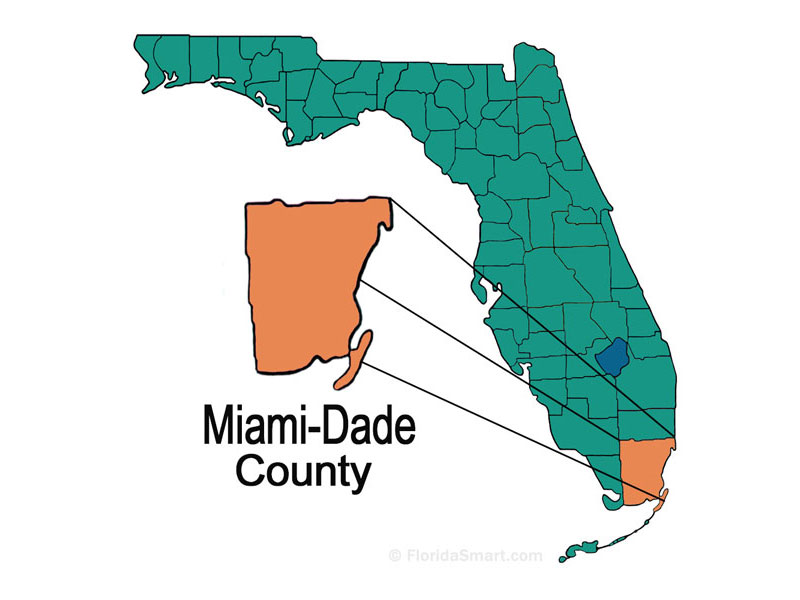
Understanding Miami-Dade County: The Administrative Heartbeat
The answer to “What county is Miami?” is unequivocally Miami-Dade County. This sprawling county, located in the southeastern corner of Florida, is the most populous in the state and the eighth most populous in the United States. It serves as the principal administrative and governmental body for the greater Miami metropolitan area, encompassing not only the city of Miami itself but also numerous other municipalities, unincorporated communities, and distinct geographical regions.
The Significance of County Governance
County governments in Florida play a vital role in the provision of essential public services and the implementation of regional planning initiatives. For Miami-Dade County, this translates into a wide array of responsibilities that directly impact residents and visitors alike. These include the management of public transportation systems, the oversight of airports and seaports, the maintenance of extensive park systems, and the provision of public safety services such as law enforcement and emergency medical care. Furthermore, the county government is instrumental in environmental protection efforts, waste management, and the administration of vital social services.
Key Municipalities within Miami-Dade County
While the city of Miami is the most recognized entity within the county, it is important to acknowledge the diverse collection of other cities and towns that contribute to the county’s unique character. These include, but are not limited to, Hialeah, the second-largest city in the county, known for its significant Cuban-American population; Miami Beach, an island city celebrated for its Art Deco architecture and vibrant social scene; Coral Gables, recognized for its Mediterranean Revival architecture and upscale ambiance; and Homestead, located in the southern part of the county, serving as a gateway to the Everglades National Park and Biscayne National Park. Each of these municipalities operates under its own local government while remaining constituents of the overarching Miami-Dade County framework.
The City of Miami: A Jewel within the County
The city of Miami, the focal point for much of the tourism and cultural interest in the region, is the most prominent municipality within Miami-Dade County. Its identity is intrinsically linked to the county’s administrative structure, yet it possesses its own distinct municipal government, which manages local affairs within its corporate limits. This includes zoning, local policing, and community development initiatives specific to the city’s neighborhoods.
Differentiating City and County Responsibilities
Understanding the distinction between the city of Miami and Miami-Dade County is crucial for appreciating the layers of governance. While the county provides broad regional services and sets overarching policies, the city of Miami addresses the more localized needs and character of its urban core. For instance, the Miami International Airport is a county-run facility, serving the entire region, while the city of Miami might focus on street cleaning and local park maintenance within its boundaries. Similarly, county-wide initiatives related to economic development or environmental sustainability are coordinated by Miami-Dade County, while the city of Miami might implement specific programs to support its local businesses or green spaces.
Iconic Landmarks and Their County Affiliation

Many of the world-renowned attractions that draw visitors to Miami are physically located within the city limits of Miami or in adjacent municipalities, all firmly situated within Miami-Dade County. These include the vibrant Wynwood Walls, a renowned outdoor museum of street art; the historic Little Havana neighborhood, pulsating with Cuban culture; and the upscale shopping district of Brickell. Even the pristine beaches of Miami Beach, while a separate municipality, are geographically part of the larger Miami-Dade County landscape. The county’s vast expanse also encompasses natural wonders like the Deering Estate and the serene Fairchild Tropical Botanic Garden, further highlighting the county’s diverse offerings.
Geographic and Cultural Context of Miami-Dade County
Beyond its administrative framework, Miami-Dade County’s geographical location and its multicultural demographic landscape are fundamental to understanding what makes Miami so unique. Situated on the Atlantic coast of South Florida, it forms the southeasternmost part of the United States mainland.
The Influence of Geography
The county’s geography profoundly influences its climate, its natural environment, and its role as a major gateway between North and South America. Its low-lying elevation makes it particularly susceptible to the impacts of sea-level rise and tropical weather systems, prompting significant planning and infrastructure development by the county government. The proximity to the Caribbean Sea and the rich biodiversity of the surrounding ecosystems, including the Everglades, a UNESCO World Heritage Site, are defining characteristics that are managed and protected, in part, by county initiatives.
A Global Crossroads of Culture
Miami-Dade County is celebrated globally for its extraordinary cultural diversity. This richness is a direct result of successive waves of immigration, with significant populations from Latin America and the Caribbean. Spanish is widely spoken, and the vibrant influences of Cuban, Haitian, Colombian, Venezuelan, and many other cultures permeate the food, music, art, and social fabric of the region. This multiculturalism is not just a characteristic of the city of Miami but is woven into the very identity of Miami-Dade County, making it a truly global city. This diversity is evident in everything from the culinary scene, with countless restaurants offering authentic flavors, to the multitude of festivals and cultural events that take place throughout the year, celebrating the heritage of its residents. The county’s commitment to fostering this inclusive environment is a cornerstone of its identity.
Navigating Miami-Dade County: Practical Considerations for Visitors
For travelers, understanding that Miami is part of Miami-Dade County provides a valuable framework for planning and navigating their visit. This knowledge can inform decisions regarding transportation, accommodation, and activities, ensuring a more seamless and enriching experience.
Transportation Hubs and Connectivity
The major transportation arteries that connect Miami to the rest of the world are managed at the county level. Miami International Airport, one of the busiest airports in the United States, serves as a critical hub for international travel, particularly to Latin America and the Caribbean. Similarly, PortMiami is a major cruise ship port and a significant cargo hub. Within the county, the Metropolitan Planning Organization (MPO), in conjunction with the Miami-Dade Transit agency, oversees the public transportation system, which includes a Metrorail system, Metromover, and extensive bus routes, offering visitors and residents options for getting around the expansive county.
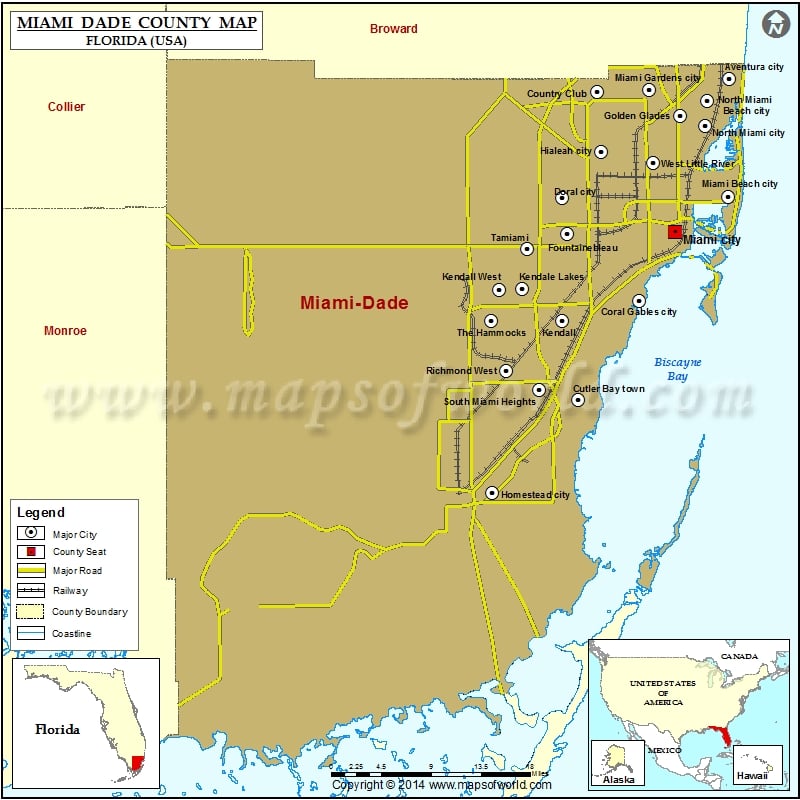
Exploring Beyond the City Center
While the city of Miami itself offers endless attractions, recognizing its place within Miami-Dade County encourages exploration of the surrounding areas. A visit to the northern municipalities might reveal distinct cultural enclaves and quieter residential neighborhoods. Venturing south into areas like Coral Gables allows for appreciation of its Spanish-inspired architecture, while a trip further south can lead to the natural wonders of Biscayne National Park and the gateway to the Everglades. Understanding the county’s boundaries helps in planning day trips or multi-day excursions that showcase the full spectrum of experiences available in this dynamic region. Whether one is seeking luxury resorts on Miami Beach, exploring the art scene in Wynwood, or embarking on an eco-adventure, all these experiences are grounded within the administrative and geographical expanse of Miami-Dade County.
LifeOutOfTheBox is a participant in the Amazon Services LLC Associates Program, an affiliate advertising program designed to provide a means for sites to earn advertising fees by advertising and linking to Amazon.com. Amazon, the Amazon logo, AmazonSupply, and the AmazonSupply logo are trademarks of Amazon.com, Inc. or its affiliates. As an Amazon Associate we earn affiliate commissions from qualifying purchases.