
For anyone planning a vibrant getaway to South Florida or simply curious about the geography of one of the United States’ most dynamic cities, the question “What county is Miami?” is fundamental. The answer is Miami-Dade County. This sprawling and culturally rich county is not just home to the iconic city of Miami itself, but also encompasses a vast array of unique towns, pristine beaches, significant natural preserves, and a lifestyle that captivates millions of travelers annually. Understanding Miami-Dade County is key to unlocking the full spectrum of experiences that make this region a top-tier destination for tourism, accommodation, and an unforgettable lifestyle.
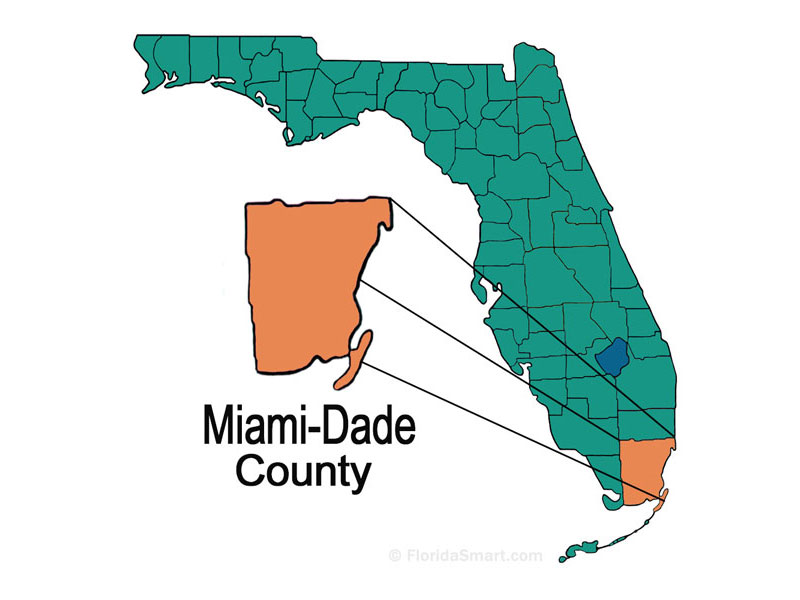
Miami-Dade County: A Diverse Tapestry of South Florida
Miami-Dade County is the most populous county in Florida and the third-largest in terms of land area, covering over 2,400 square miles. This immense footprint stretches from the stunning coastal beaches along the Atlantic Ocean to the expansive wilderness of the Everglades in the west. Its diverse landscape and vibrant communities offer an unparalleled range of activities and sights, making it a microcosm of tropical adventure, urban sophistication, and natural beauty.
Geographic and Demographic Overview
The county’s eastern edge is defined by a spectacular coastline, where cities like Miami Beach, Sunny Isles Beach, and Bal Harbour boast world-famous sandy shores and luxurious resorts. Inland, the county seat, the city of Miami, serves as a global hub for finance, culture, commerce, and the arts. Beyond Miami’s bustling Downtown and Brickell districts, other notable cities and neighborhoods contribute to the county’s rich mosaic. Coral Gables is renowned for its elegant Mediterranean Revival architecture, lush green spaces, and the historic Biltmore Hotel. Key Biscayne offers a serene island escape with beautiful parks and beaches. Further south, agricultural areas give way to towns like Homestead, a gateway to both Everglades National Park and Biscayne National Park.
The population of Miami-Dade County is incredibly diverse, with a significant Latin American and Caribbean influence. This cultural melting pot is palpable in every aspect of daily life, from the prevalence of Spanish language to the eclectic culinary scene and the vibrant music and art. Neighborhoods like Little Havana are living testaments to this heritage, offering an authentic glimpse into Cuban culture right in the heart of Florida. This rich blend of cultures creates an energetic atmosphere that appeals to travelers seeking unique and immersive experiences.
Economic and Cultural Hub
Miami, the crown jewel of Miami-Dade County, is often referred to as the “Gateway to the Americas.” Its strategic location makes it a critical center for international trade, finance, and logistics. PortMiami, frequently dubbed the “Cruise Capital of the World,” welcomes millions of passengers annually, serving as a launching point for journeys to the Caribbean, Mexico, and beyond.
Beyond its economic prowess, Miami-Dade County has blossomed into a major cultural destination. The arts scene is particularly vibrant, headlined by events such as Art Basel Miami Beach, which draws art enthusiasts and collectors from around the globe. Premier institutions like the Pérez Art Museum Miami (PAMM) and the Phillip and Patricia Frost Museum of Science offer world-class exhibits, contributing to the county’s reputation as a cultural powerhouse. The burgeoning gallery scene in districts like Wynwood further solidifies Miami-Dade’s standing as a must-visit for lovers of creativity and innovation.
Unveiling Miami’s Allure: Top Destinations and Attractions
Miami-Dade County is a treasure trove of landmarks and attractions, catering to every interest, from sun-seekers and history buffs to nature enthusiasts and art aficionados. Each area offers distinct charm and a unique set of experiences, making it an ideal destination for any type of traveler.
Iconic Beaches and Waterfronts
The beaches of Miami-Dade County are arguably its most famous draw. South Beach, located on the barrier island of Miami Beach, is synonymous with glamour and excitement. Its pristine sands are backed by the colorful buildings of the Art Deco Historic District, creating a picturesque setting for sunbathing, people-watching, and vibrant nightlife. The Ocean Drive promenade, lined with iconic hotels and restaurants, comes alive after dark, offering endless entertainment options. Further north along Miami Beach, you’ll find equally stunning stretches of sand and luxurious resorts offering a more relaxed, yet equally upscale, ambiance.
For those seeking a quieter escape, Key Biscayne presents tranquil beaches and lush parks. Bill Baggs Cape Florida State Park is home to the historic Cape Florida Lighthouse and offers scenic trails, picnic areas, and calm waters perfect for swimming and kayaking. Crandon Park, another gem on Key Biscayne, features an offshore sandbar that creates a natural lagoon, ideal for families and wading.
Cultural Hotspots and Urban Experiences
Beyond the beaches, Miami-Dade County offers a deep dive into diverse cultures and cutting-edge urban trends.
Little Havana, centered around its lively Calle Ocho, transports visitors to the heart of Cuba. Here, the air is thick with the aroma of Cuban coffee, the sounds of salsa music spill from open doorways, and locals gather to play dominoes in Maximo Gomez Park, also known as Domino Park. Authentic Cuban restaurants, cigar shops, and vibrant murals make this a must-visit for a taste of authentic Miami culture.
The Wynwood Arts District, particularly famous for the Wynwood Walls, has transformed from an industrial area into an open-air art museum. Block after block of warehouses are adorned with spectacular street art and murals by renowned artists from around the globe. Wynwood also buzzes with trendy galleries, boutiques, craft breweries, and innovative restaurants, making it a vibrant destination for modern urban exploration.
For luxury shopping and high-end design, the Miami Design District is unparalleled. Home to flagship stores of leading fashion brands, art galleries, and acclaimed restaurants, it showcases sleek architecture and public art installations. Another historical gem is Vizcaya Museum & Gardens, an opulent European-style estate built in the early 20th century. Its stunning architecture, elaborate gardens, and priceless art collections offer a glimpse into Miami’s gilded age. For family trips, Zoo Miami, one of the oldest and largest zoos in Florida, provides an engaging experience with animals from around the world.
Nature and Outdoors
Miami-Dade County’s unique geographical position places it at the doorstep of some of the most ecologically significant natural areas in the United States. The western boundary of the county borders a significant portion of Everglades National Park. This UNESCO World Heritage Site is a vast wetlands ecosystem, home to alligators, panthers, manatees, and an incredible array of birdlife. Airboat tours offer an exhilarating way to explore the “River of Grass,” while walking trails and visitor centers provide educational experiences for all ages.
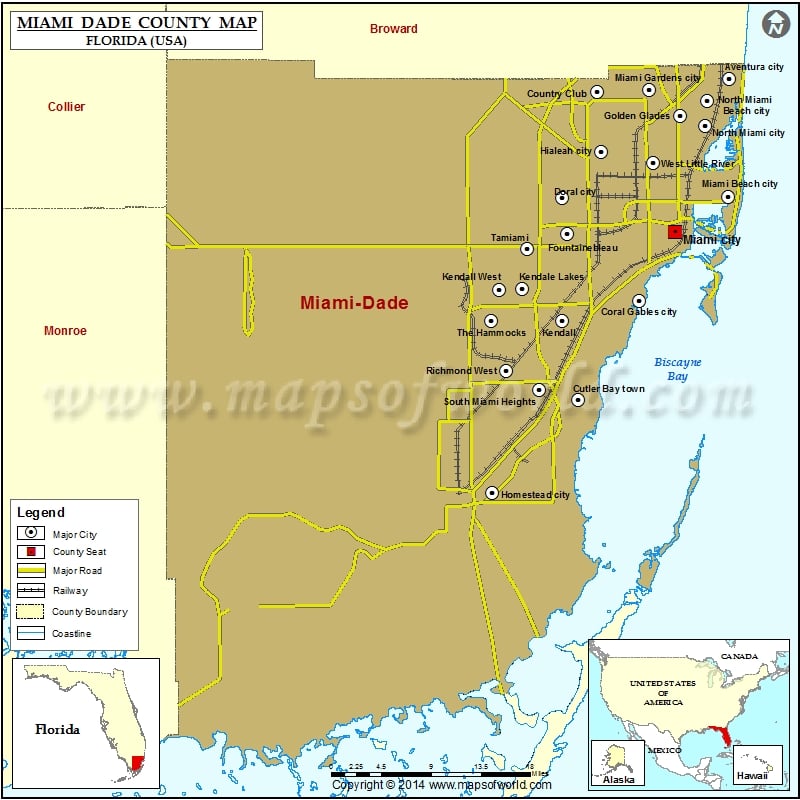
To the south, stretching into Biscayne Bay and the Florida Keys, lies Biscayne National Park. This largely aquatic park protects a vibrant ecosystem of mangrove forests, coral reefs, and barrier islands. It’s a paradise for snorkeling, diving, kayaking, and boating, allowing visitors to discover marine life, shipwrecks, and pristine natural beauty. For botanic enthusiasts, the Fairchild Tropical Botanic Garden in Coral Gables showcases a remarkable collection of tropical plants, trees, and flowers from around the world, offering a serene escape and educational insights into global flora.
Where to Stay and How to Live: Miami’s Accommodation and Lifestyle Scene
One of Miami’s greatest strengths as a global destination is its capacity to cater to every kind of traveler, from those seeking ultimate luxury travel to families looking for kid-friendly fun, and even individuals on a budget travel adventure or professionals on a business stay. The diversity in accommodation options and lifestyle experiences is extensive.
Diverse Accommodation Options
Miami-Dade County offers an incredible array of lodging choices. On Miami Beach, iconic luxury resorts such as the Fontainebleau Miami Beach, The Setai, and the Faena Hotel Miami Beach define opulence with their stunning oceanfront locations, lavish amenities, and world-class dining. These establishments often feature exquisite suites, private villas, and personalized services, perfect for a high-end escape.
For those who appreciate history and unique character, the boutique hotels within the Art Deco Historic District offer charm and a prime location within walking distance of South Beach’s attractions. Beyond the glitz, Downtown Miami and Brickell host numerous modern hotels and serviced apartments, ideal for business travelers or those seeking central access to the city’s financial and entertainment districts. These areas also provide more budget-friendly options without sacrificing convenience. For longer stays or larger groups, rental apartments and villas are widely available, particularly in residential areas or through specialized booking platforms.
Lifestyle and Experiences for Every Traveler
The lifestyle in Miami-Dade County is as diverse as its population.
For the luxury traveler, Miami offers exclusive yacht charters, designer shopping at places like Bal Harbour Shops or the Design District, and reservations at Michelin-starred or celebrity chef restaurants. The nightlife pulses with high-energy clubs and sophisticated lounges, particularly in South Beach and Wynwood.
Family trips to Miami are packed with fun. Children love the sandy beaches, the interactive exhibits at the Phillip and Patricia Frost Museum of Science, the wildlife at Zoo Miami, and the adventures awaiting in the Everglades. Many resorts offer kids’ clubs and family-friendly amenities, making planning effortless.
Budget travel is also feasible in Miami. Many attractions, like the Wynwood Walls or strolling along Ocean Drive, are free. Public transport, food trucks, and local eateries in neighborhoods like Little Havana provide delicious and affordable experiences. Utilizing hostels or more modest hotels outside the immediate tourist hotspots can significantly reduce costs.
For business stays, Brickell and Downtown Miami are prime locations, featuring state-of-the-art convention centers, a multitude of corporate hotels, and easy access to Miami International Airport (MIA). After work, business travelers can unwind at upscale restaurants, enjoy a round of golf, or take in a cultural show.
The food scene in Miami is a reflection of its diverse population. From authentic Cuban sandwiches and cafecitos to fresh Florida seafood, innovative Latin fusion cuisine, and a growing vegan scene, the culinary options are endless and exciting. The city constantly evolves, offering new gastronomic experiences for every palate.
Planning Your Miami Adventure: Practical Tips for Tourists
A successful trip to Miami-Dade County involves some practical planning, especially concerning transport, timing, and embracing the local culture.
Getting Around
Miami International Airport (MIA) serves as the primary gateway, offering connections to cities worldwide. From MIA, visitors can easily access rental cars, ride-sharing services, or public transportation. Within Downtown Miami and Brickell, the free Metromover monorail is an excellent way to get around. The Metrobus network covers a wider area of the county, connecting major attractions. For those planning to visit other Florida cities like Fort Lauderdale, West Palm Beach, or even Orlando, the high-speed Brightline train offers a comfortable and efficient alternative to driving. While public transport options exist, a rental car often provides the most flexibility for exploring the vastness of Miami-Dade County and its surrounding areas, particularly for visiting the national parks.
Best Time to Visit and What to Pack
The best time to visit Miami-Dade County is typically during the cooler, drier months from November to May. During this period, temperatures are pleasant, humidity is lower, and there’s less chance of rain, making it ideal for outdoor activities and beach days. The summer months (June to October) are hot, humid, and prone to daily afternoon thunderstorms, and it’s also hurricane season.
Regardless of the season, light and breathable clothing is recommended. Swimwear, sunglasses, hats, and plenty of sunscreen are essential for enjoying the sunny Florida weather. Comfortable walking shoes are a must for exploring urban areas and natural trails. If you plan on experiencing Miami’s upscale dining or nightlife, packing some smart casual or dressier attire would be beneficial.

Embracing Local Culture
To truly immerse yourself in Miami-Dade County, embrace its unique multicultural atmosphere. While English is widely spoken, knowing a few basic Spanish phrases can enhance your experiences, especially in neighborhoods like Little Havana. Engage with locals, try the diverse cuisine, and seek out local festivals or events that celebrate the county’s rich heritage. The friendly and vibrant spirit of Miami and its surrounding communities is infectious, promising a memorable visit for every traveler.
In conclusion, the answer to “What county is Miami?” is Miami-Dade County — a destination far greater than just one city. It’s a dynamic region that flawlessly blends urban sophistication with natural wonders, cultural richness, and endless opportunities for travel, tourism, and an unforgettable lifestyle. Whether you’re planning a luxury escape, a family adventure, or a business trip, Miami-Dade County offers a captivating tapestry of experiences waiting to be explored.
LifeOutOfTheBox is a participant in the Amazon Services LLC Associates Program, an affiliate advertising program designed to provide a means for sites to earn advertising fees by advertising and linking to Amazon.com. Amazon, the Amazon logo, AmazonSupply, and the AmazonSupply logo are trademarks of Amazon.com, Inc. or its affiliates. As an Amazon Associate we earn affiliate commissions from qualifying purchases.