
The question of “What county is The Bronx, New York?” might seem straightforward, but it delves into the unique administrative and geographical identity of one of New York City’s most vibrant boroughs. Understanding The Bronx’s county status is fundamental to appreciating its history, governance, and its distinct place within the broader tapestry of New York. This exploration will illuminate the singular nature of The Bronx’s county designation, its historical roots, and how this classification impacts its identity and operations as a key component of New York City.
The Singular Status of The Bronx County
The Bronx holds a unique position within the state of New York. Unlike many other urban centers in the United States that are divided into multiple counties or are part of a larger county, The Bronx is singular in its designation. It is both a borough of New York City and its own distinct county. This duality is a crucial aspect of its identity and administrative structure.
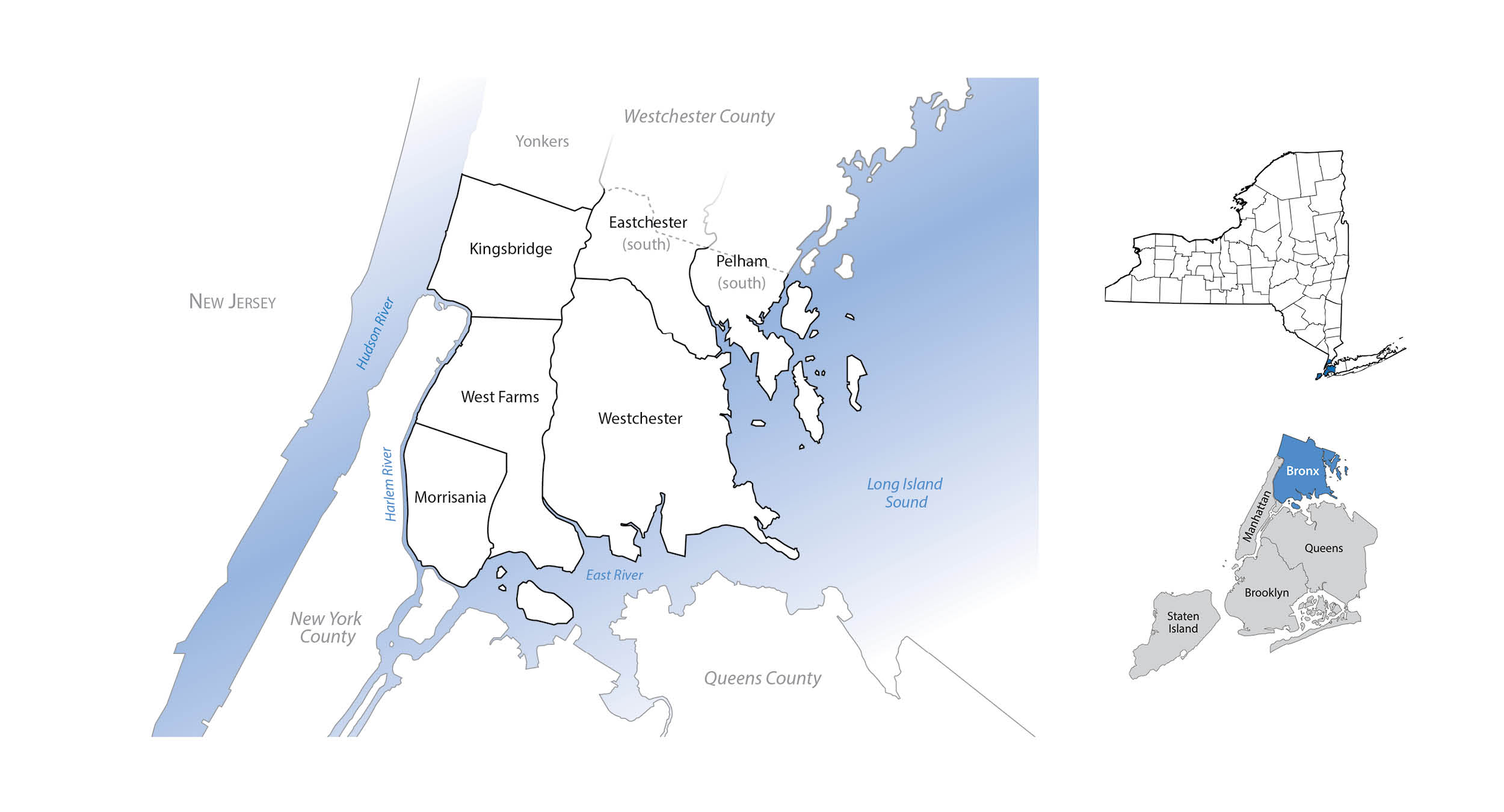
A Borough and a County: A Dual Identity
When discussing the administrative divisions of New York State, counties are the primary units of local government. New York City, however, is composed of five boroughs: Manhattan, Brooklyn, Queens, Staten Island, and The Bronx. Each of these boroughs corresponds directly to a county.
- Manhattan is also New York County.
- Brooklyn is also Kings County.
- Queens is also Queens County.
- Staten Island is also Richmond County.
- And, importantly, The Bronx is also Bronx County.
This direct correspondence means that when one refers to The Bronx, they are simultaneously referring to both a geographical area within New York City and a legally defined county. This unique situation simplifies administrative matters, as the borough’s governance is intrinsically linked to its county functions. There is no need to delineate between the borough’s needs and the county’s responsibilities because they are one and the same. This consolidation of roles offers a streamlined approach to local governance, service provision, and representation within the state’s framework.
Understanding the County System in New York
To fully grasp The Bronx’s status, it’s helpful to understand the role of counties in New York State. Counties are established by the state legislature and serve as administrative arms of the state, carrying out state functions at the local level. They provide services such as law enforcement (sheriff’s departments), courts, elections, and record-keeping. In most of New York State, counties are the dominant form of local government, with cities, towns, and villages operating within their boundaries.
However, New York City presents a unique model. Because the city itself is so large and encompasses multiple traditional county areas, the boroughs have absorbed many of the functions typically handled by separate county governments. The existence of Bronx County as synonymous with the borough of The Bronx is a testament to this consolidation. This means that the district attorney’s office, the sheriff’s office, and other county-level offices are directly associated with and serve the residents of The Bronx borough.
Implications of Dual Identity
The dual identity of The Bronx as both a borough and a county has several implications. For instance, when legal documents refer to “Bronx County,” they are unequivocally referring to the geographical area that makes up the borough of The Bronx. This avoids confusion that might arise in areas where cities are situated within larger counties with different names. It also means that when one votes in local elections, they are voting for officials who represent them at both the borough and county levels simultaneously. This streamlined approach ensures that residents’ concerns and needs are addressed through a unified governmental structure.
Historical Formation and Evolution of Bronx County
The administrative and geographical identity of The Bronx as a county is rooted in a history of annexation, consolidation, and the evolving urban landscape of New York City. Its journey from parts of other counties to its own distinct entity is a compelling narrative of growth and urban development.
Early History: A Part of Westchester
Before The Bronx was officially recognized as a separate county, its territory was primarily part of Westchester County. This northeastern section of the present-day borough was settled in the 17th century, with land grants establishing early estates and communities. For centuries, the area that now constitutes The Bronx was governed and administered as part of Westchester County, a more rural and sprawling entity at the time.
The development of New York City as a major economic and population center began to exert pressure on the surrounding areas. As the city’s population grew, developers and city planners looked to expand its reach and integrate adjacent territories. The southern portion of Westchester County, which included the area that would become The Bronx, saw significant growth and became increasingly intertwined with the city’s economic and social fabric.
The Birth of Bronx County
The pivotal moment in the formation of Bronx County came in the late 19th century. As the population in the southern part of Westchester County continued to swell, driven by industrialization and the demand for housing near the burgeoning metropolis, the desire for more localized governance grew. Residents felt that their needs were not being adequately addressed by the distant county seat of White Plains.

In 1895, a significant portion of southern Westchester County was annexed by New York City. This annexation was a crucial step towards the eventual creation of Bronx County. Following this annexation, the political and administrative processes began to solidify the creation of a new county.
On March 1, 1914, Bronx County was officially established as the 62nd and youngest county in New York State. This act of legislature formally separated the annexed territory from Westchester County, creating a new administrative unit that was intrinsically linked to New York City. This marked the culmination of decades of growth and the recognition of the distinct identity and needs of this rapidly urbanizing region.
Consolidation and the Borough System
The creation of Bronx County coincided with the consolidation of New York City in 1898, which brought together Manhattan, Brooklyn, Queens, and Staten Island into a single municipal entity. The subsequent establishment of Bronx County in 1914 completed the geographical and administrative structure of the five boroughs. From this point onward, Bronx County would function as the county equivalent of the borough of The Bronx, simplifying governance and civic engagement.
The history of Bronx County is a clear illustration of how urban expansion and administrative needs can shape the political geography of a region. The transition from being a peripheral part of Westchester County to becoming an integral and self-governing county within New York City highlights a strategic development aimed at improving service delivery and representation for its growing population.
Exploring The Bronx: Landmarks and Attractions
Understanding that The Bronx is its own county deepens our appreciation for the distinct character and rich offerings of this dynamic borough. The Bronx boasts a diverse array of landmarks, cultural institutions, and natural spaces that reflect its unique history and its position as a hub of culture and community.
Cultural and Historical Sites
The Bronx is home to several significant cultural and historical sites that draw visitors and residents alike. These locations offer a glimpse into the borough’s past and its ongoing cultural contributions.
-
The Edgar Allan Poe Cottage: This modest wooden house in the Tremont neighborhood served as the final home for the famed writer Edgar Allan Poe. He lived here from 1846 to 1849, during which time he wrote some of his most famous works, including “Annabel Lee” and “The Bells.” Visiting the cottage provides an intimate look at the life and inspiration of one of America’s literary giants.
-
Yankee Stadium: An iconic symbol of American sports, Yankee Stadium is the home of the legendary New York Yankees baseball team. This modern marvel, located in the Concourse section of The Bronx, is more than just a sports venue; it’s a landmark that represents a significant part of New York City’s cultural heritage and the borough’s contribution to American sports history. Even those not attending a game often visit to experience the atmosphere and explore the surrounding area.
-
The Bronx Museum of Art: Dedicated to showcasing contemporary and 20th-century art, this museum focuses on works by artists of African, Latino, Asian, and Native American descent. It serves as a vital cultural institution, promoting diversity and offering a platform for emerging and established artists. Its location makes it an accessible cultural destination within the borough.
Natural Beauty and Recreational Spaces
Beyond its urban attractions, The Bronx offers surprising pockets of natural beauty and extensive parklands, providing residents and visitors with opportunities for recreation and relaxation.
-
Orchard Beach: Often referred to as the “Riviera of New York City,” Orchard Beach is a stunning crescent-shaped public beach located on the western edge of the Long Island Sound. This expansive beach, with its boardwalk and recreational facilities, is a popular summer destination, offering a much-needed escape from the city heat and a vibrant social hub.
-
Wave Hill: Situated in the Riverdale section of The Bronx, Wave Hill is a magnificent public garden and cultural center. This 28-acre estate offers breathtaking views of the Hudson River and the Palisades. Its meticulously landscaped gardens, art exhibitions, and concert series make it a serene and inspiring destination, showcasing the borough’s natural splendor and artistic endeavors.
-
Van Cortlandt Park: As the third-largest park in New York City, Van Cortlandt Park is a vast green expanse offering a wide range of activities. It features hiking trails, a golf course, a lake for boating, and historical sites like the Van Cortlandt House Museum, one of the oldest houses in New York. This park is a vital natural resource for the borough, supporting diverse ecosystems and providing ample space for community engagement and outdoor pursuits.

Diverse Neighborhoods and Culinary Delights
The Bronx’s identity as a county is also reflected in the diverse tapestry of its neighborhoods, each with its own unique character and culinary offerings. From the vibrant Latin American influences in areas like Arthur Avenue (often called the “real Little Italy”) to the rich cultural heritage found throughout its communities, The Bronx offers a true taste of New York’s multiculturalism. Exploring these neighborhoods, experiencing local festivals, and savoring the diverse cuisine are essential parts of understanding The Bronx’s lively spirit and its people.
By understanding The Bronx as its own county, we gain a deeper appreciation for the administrative structure that supports these diverse attractions and the community that thrives within them. It highlights the borough’s self-contained governance and its significant contributions to the cultural and natural landscape of New York City.
LifeOutOfTheBox is a participant in the Amazon Services LLC Associates Program, an affiliate advertising program designed to provide a means for sites to earn advertising fees by advertising and linking to Amazon.com. Amazon, the Amazon logo, AmazonSupply, and the AmazonSupply logo are trademarks of Amazon.com, Inc. or its affiliates. As an Amazon Associate we earn affiliate commissions from qualifying purchases.