
The allure of a perfectly cooked steak is a cornerstone of culinary exploration, particularly when traveling. For many, the quest for an exceptional steak experience leads them to iconic dishes and cuts, and the New York Strip stands as a prime example. But what exactly is this celebrated cut, and what makes it a staple on menus across the globe, from the bustling steakhouses of New York City to the fine dining establishments in Paris? Understanding the New York Strip is to appreciate a fundamental element of American and international cuisine, delving into its origins, its distinct characteristics, and its place within the broader landscape of beef cuts.

The Anatomy of a Premier Cut: Where the New York Strip Comes From
The New York Strip, also known by various regional monikers such as the Kansas City Strip, Top Loin, or Striploin, is a marvel of beef butchery. Its identity is intrinsically linked to its origin on the cow: it is a muscle that sees relatively little work, a key factor contributing to its tenderness and desirable texture.
Originating from the Loin
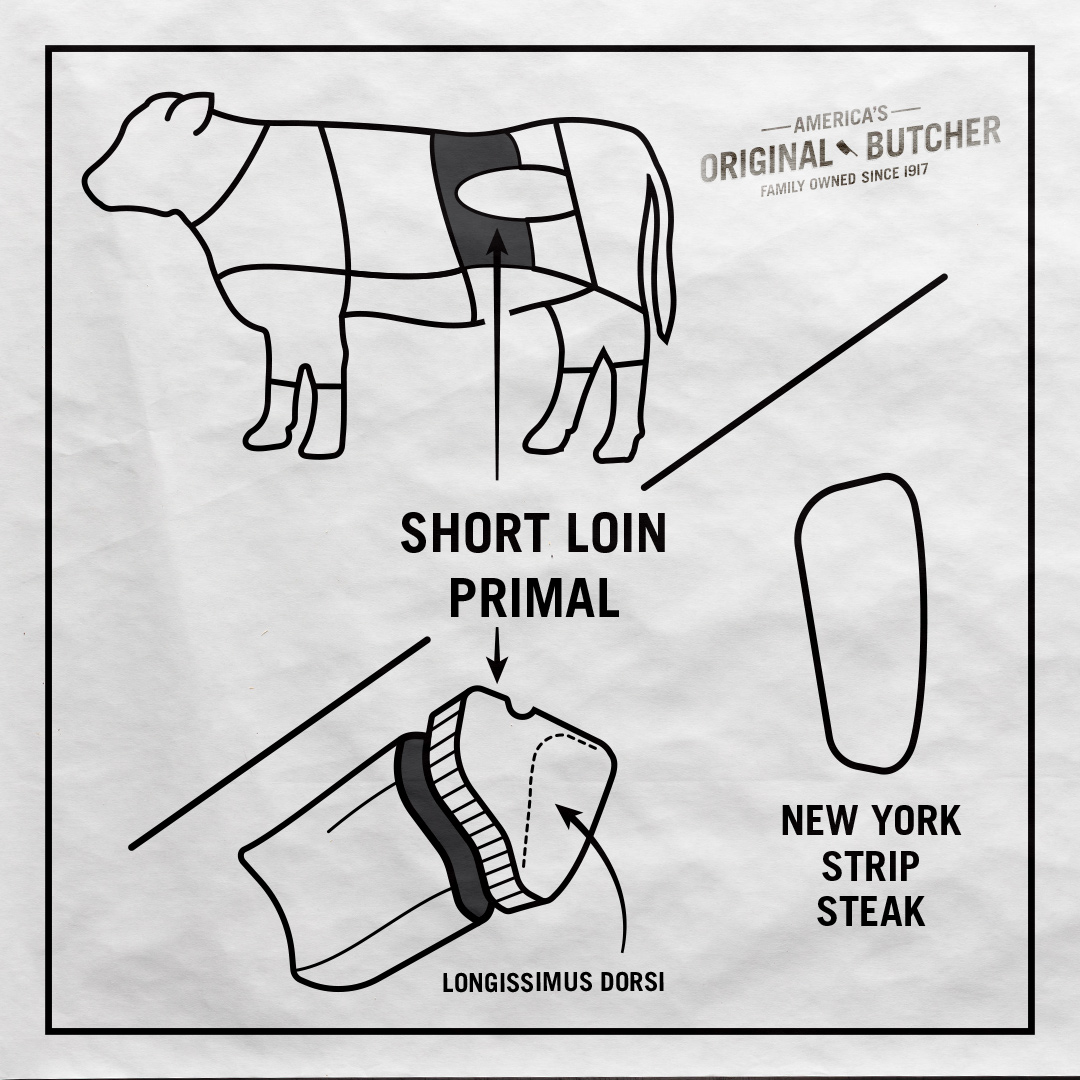
The New York Strip is a sub-primal cut derived from the larger loin section of the cow. This primal cut is further divided into the short loin and the sirloin. The short loin, specifically, is where the most prized steaks are found. The New York Strip is the portion of the short loin that is located towards the rear of the cow, just before the sirloin section begins. This anatomical placement is crucial; muscles in this area are responsible for less strenuous movement compared to those in the legs or shoulder. Consequently, the meat is more tender and marbled, yielding a superior eating experience.
The Short Loin: A Treasure Trove of Steaks
The short loin is a veritable treasure trove for steak lovers, yielding several of the most coveted cuts. It is the source of the T-bone and Porterhouse steaks, which contain a portion of the tenderloin alongside the strip steak, separated by a T-shaped bone. The New York Strip, in contrast, is the portion of the short loin that is exclusively the strip muscle, typically boneless. This distinction is important, as the presence of the bone can influence cooking times and flavor profiles. However, the pure strip steak offers an unadulterated taste of this tender, flavorful meat.
Understanding the “Strip”
The term “strip” in New York Strip refers to the long, rectangular shape of the muscle itself. It is a thick, substantial cut that holds up exceptionally well to various cooking methods, from grilling and broiling to pan-searing. The uniformity in thickness of a well-butchered New York Strip allows for consistent cooking, ensuring that each bite is as succulent as the last. Its popularity stems from this consistent quality and the satisfying chew it provides.
The Defining Characteristics of a New York Strip
Beyond its anatomical origin, the New York Strip boasts a unique set of characteristics that contribute to its esteemed status in the culinary world. These attributes are what discerning diners seek and chefs expertly showcase.
Texture and Tenderness
The New York Strip is renowned for its balance of tenderness and satisfying chew. While not as buttery tender as a filet mignon (which comes from the tenderloin, a different muscle), the strip offers a more robust texture that many steak enthusiasts prefer. The moderate amount of connective tissue present in the cut breaks down during cooking, contributing to its succulence without becoming tough. This makes it an ideal choice for those who appreciate a steak with a bit more substance and a more pronounced “bite.”
Flavor Profile: Rich and Beefy
The flavor of a New York Strip is typically described as rich, beefy, and robust. The inherent marbling—the flecks of fat dispersed throughout the muscle—plays a vital role in delivering this depth of flavor. As the steak cooks, these intramuscular fats melt, basting the meat from within and imparting a delicious, savory essence. This marbling also contributes to the steak’s juiciness, preventing it from drying out and enhancing the overall sensory experience. When compared to leaner cuts, the New York Strip offers a more pronounced and complex beefy taste that pairs wonderfully with a variety of seasonings and sauces.
The Role of Fat Cap
A hallmark of a well-prepared New York Strip is often a strip of fat running along one edge of the cut. This external fat cap, while sometimes trimmed by a butcher, is highly prized by many for its contribution to both flavor and moisture. As it renders during cooking, it adds a succulent richness to the steak and can be a delightful treat for those who enjoy its savory intensity. A skilled chef will often score this fat cap to help it render more evenly and prevent the steak from curling during cooking.

The Culinary Journey: Preparing and Enjoying the New York Strip
The versatility of the New York Strip makes it a favorite among home cooks and professional chefs alike. Its ideal cooking methods and how it’s typically presented further enhance its appeal.
Optimal Cooking Methods
The New York Strip is remarkably adaptable to various cooking techniques. Its thickness and marbling make it well-suited for high-heat cooking methods that create a beautiful sear on the exterior while keeping the interior moist and tender.
Grilling
Grilling is perhaps the most iconic method for cooking a New York Strip. The intense heat of the grill sears the exterior to a perfect crust, locking in the juices. For optimal results, grill enthusiasts often preheat their grills to high heat, searing the steak for a few minutes per side before reducing the heat or moving it to a cooler zone to finish cooking to the desired internal temperature.
Pan-Searing
Pan-searing in a cast-iron skillet is another highly effective method, especially for achieving a glorious crust. Starting with a screaming hot pan and a bit of high-smoke-point oil, the steak is seared to develop a deep brown, flavorful crust. Many chefs then baste the steak with butter, garlic, and herbs like rosemary and thyme during the final stages of cooking, infusing it with aromatic complexity.
Broiling
Broiling offers a similar high-heat experience to grilling, using the oven’s broiler element to cook the steak quickly. This method is particularly useful when outdoor grilling isn’t an option.
Serving Suggestions and Pairings
The robust flavor of the New York Strip lends itself to a variety of accompaniments. Its ability to stand up to bold flavors makes it a perfect canvas for classic steakhouse sides and sauces.
Classic Steakhouse Sides
Traditional accompaniments include creamy mashed potatoes, crisp asparagus, sautéed mushrooms, and a vibrant wedge salad. These sides complement the richness of the steak without overwhelming its inherent flavor.
Sauces and Accompaniments
While a well-cooked New York Strip is often delicious enough on its own, it also pairs beautifully with various sauces. Classic choices include peppercorn sauce, Béarnaise sauce, or a simple red wine reduction. Garlic butter or herb butter melted over the top just before serving is another popular and delightful option. For those visiting cities like Chicago, known for its steakhouses, ordering a New York Strip “au poivre” with a side of creamed spinach is a quintessential experience.
The Global Appeal
The New York Strip’s popularity transcends borders. While it is an American classic, it is a beloved cut in steakhouses and restaurants worldwide. From the upscale dining scene in London to the adventurous palate of diners in Tokyo, the New York Strip is recognized for its consistent quality and satisfying flavor, making it a reliable choice for a memorable meal. Whether you are dining at a renowned establishment or preparing it at home, understanding the New York Strip unlocks a deeper appreciation for this exceptional cut of beef.
LifeOutOfTheBox is a participant in the Amazon Services LLC Associates Program, an affiliate advertising program designed to provide a means for sites to earn advertising fees by advertising and linking to Amazon.com. Amazon, the Amazon logo, AmazonSupply, and the AmazonSupply logo are trademarks of Amazon.com, Inc. or its affiliates. As an Amazon Associate we earn affiliate commissions from qualifying purchases.