
The Boston Marathon, an iconic event steeped in history and athletic achievement, captivates participants and spectators from around the globe. For many, the burning question revolves around its precise timing: “What day is the Boston Marathon?” This legendary race, a cornerstone of the sporting calendar, unfolds annually on a specific, cherished day, making it a pivotal moment for the city of Boston and a beacon for runners worldwide. Beyond the date itself, understanding the context of this prestigious event—from its storied past to the logistical marvels of its execution—provides a richer appreciation for its significance.
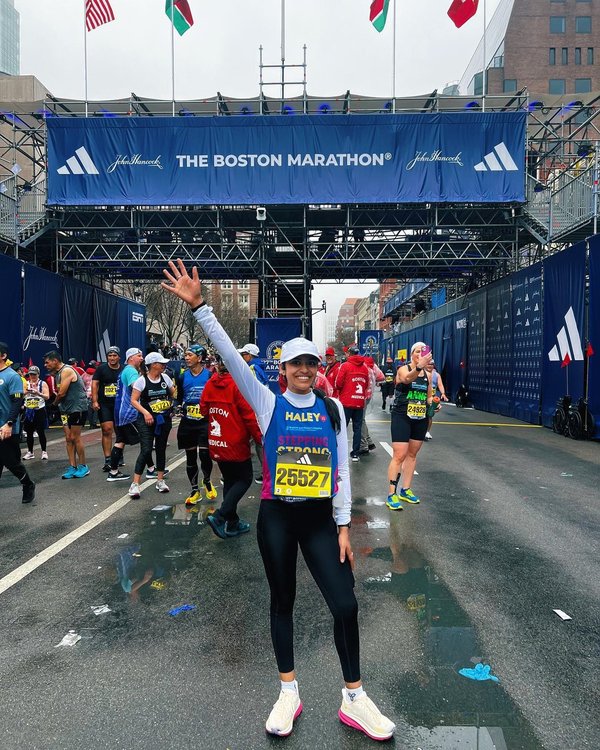
The Boston Marathon is not just a race; it’s a vibrant cultural phenomenon that intertwines athletic prowess with the spirit of New England. It’s a pilgrimage for seasoned marathoners, a test of endurance for aspiring runners, and a spectacular celebration of human perseverance. The city of Boston gears up for this event with immense pride, transforming its streets into a festive arena, and the anticipation builds for months leading up to race day. Understanding when this monumental event takes place is the first step for anyone wishing to experience its electrifying atmosphere, whether as a runner, a supporter, or simply an admirer of extraordinary human endeavor.
The Tradition of Patriots’ Day
The Boston Marathon is famously held on Patriots’ Day. This Massachusetts state holiday, observed on the third Monday of April, commemorates the first battles of the American Revolutionary War in 1775, specifically the skirmishes at Lexington and Concord. The decision to hold the marathon on this significant day is deeply rooted in American history and has become an integral part of the holiday’s modern observance.
A Celebrated Holiday’s Link to Athleticism
Patriots’ Day itself is a day of remembrance and civic pride. It is one of only two state holidays with a specific date in mind, historically falling on April 19th, though its observance on the third Monday of April ensures a consistent three-day weekend for many. This thoughtful scheduling allows for broader participation and viewership of the marathon, transforming it into a true community-wide celebration. The holiday’s solemn historical significance provides a unique backdrop to the joyous and energetic atmosphere of the marathon, creating a compelling juxtaposition of reflection and exhilaration.
The third Monday of April has been the designated day for the Boston Marathon since 1969. Prior to this, the race was held on a Wednesday. The shift to a Monday, coinciding with Patriots’ Day, was a strategic decision to align the event with a significant public holiday, thereby enhancing its visibility and accessibility. This has cemented the marathon’s place as the unofficial centerpiece of the Patriots’ Day celebrations in Boston and surrounding towns.
Planning Your Boston Marathon Experience
Knowing that the Boston Marathon takes place on the third Monday of April is crucial for anyone planning to attend. This single piece of information unlocks a cascade of logistical considerations, from booking accommodation and travel to understanding the best vantage points for spectating or the registration deadlines for eager runners. The race attracts hundreds of thousands of spectators and participants, making early planning not just advisable but essential.
Navigating Accommodation and Travel
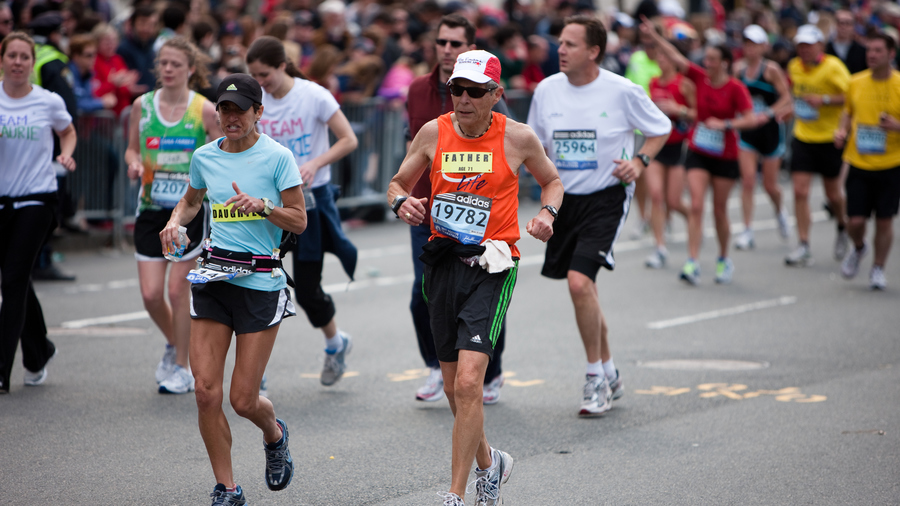
The allure of the Boston Marathon draws visitors from every corner of the world, and securing suitable accommodation well in advance is paramount. Hotels in and around Boston, such as the renowned Fairmont Copley Plaza Boston or the conveniently located Hyatt Regency Boston, tend to book up months, if not a year, ahead of the event. For those seeking a more home-like experience, apartments and villas in neighborhoods like Back Bay or South End also become highly sought-after. The booking process for these options can be competitive, with comparison websites proving invaluable for finding the best rates and availability.
Beyond hotel rooms, the city offers a diverse range of resorts and suites catering to various lifestyles, from luxury travel experiences to more budget travel options. Consider exploring long-term stay apartments if you plan to immerse yourself in the pre- and post-race atmosphere of Boston. The proximity to the marathon route, particularly the finish line area on Boylston Street, often commands a premium. Researching amenities like proximity to public transport, complimentary breakfast, or fitness centers can significantly enhance your stay.
Travel to Boston for the marathon can be accomplished through various means. Logan International Airport is the primary gateway for air travel. For those driving, be prepared for increased traffic and potential road closures along the marathon route, which stretches from Hopkinton to Boston. Utilizing Boston’s extensive public transportation system, including the MBTA subway and bus lines, is often the most efficient way to navigate the city on race day. Planning your destinations within Boston and considering how to reach them from your accommodation is a critical part of your itinerary.
Experiencing the Marathon as a Spectator
As a spectator, the Boston Marathon offers an unparalleled experience. Finding a prime viewing spot along the 26.2-mile course is part of the adventure. Popular attractions for spectating include the Wellesley College area, known for its enthusiastic student section, or the lively neighborhoods of Newton. The final miles through Brookline and into Boston, culminating in the triumphant finish on Boylston Street, are particularly electric.
Beyond the race itself, the tourism aspect of visiting Boston during this period is rich. Immerse yourself in the local culture by visiting historical landmarks like the Freedom Trail, exploring famous places such as Faneuil Hall Marketplace, or delving into the city’s renowned culinary scene. The food scene in Boston is diverse, offering everything from classic New England seafood to innovative international cuisine. Participating in pre-race events, like the Boston Marathon Expo, or simply enjoying the festive atmosphere that permeates the city adds to the overall experience. Understanding local customs and tips for navigating crowds can enhance your visit. For families, the marathon can be a memorable outing, offering a chance to witness incredible athletic feats and enjoy a vibrant city atmosphere, making it a fantastic option for family trips.
The Marathon’s Enduring Legacy and Global Impact
The Boston Marathon is more than just a race held on a particular day; it is a testament to human endurance, community spirit, and athletic excellence. Its history, dating back to 1897, is rich with stories of triumph, heartbreak, and groundbreaking achievements. The race’s unwavering commitment to its date—the third Monday in April—solidifies its place in the hearts of runners and the calendar of tourism professionals.
A Journey Through History and Elite Competition
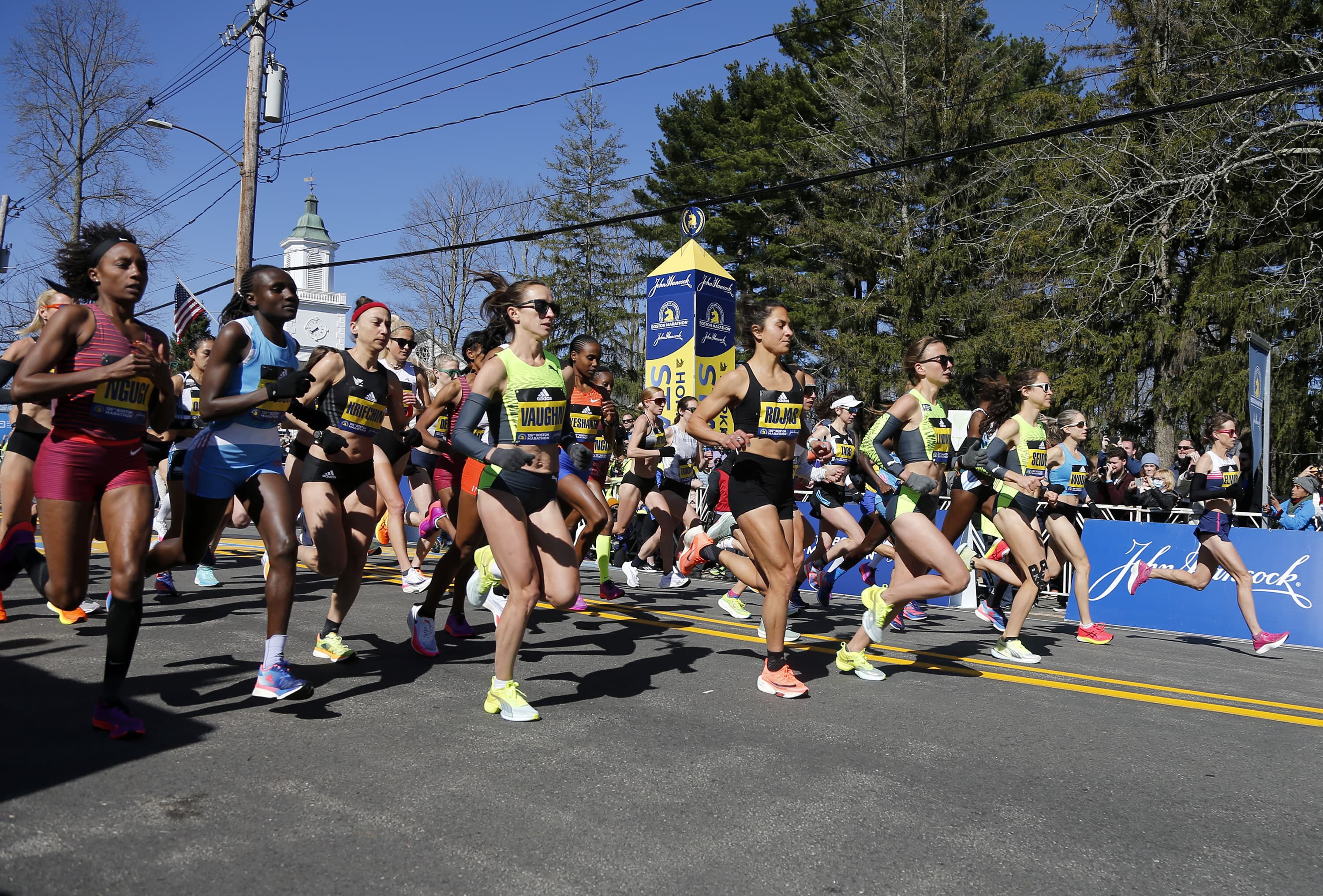
The Boston Marathon is one of the six World Marathon Major races, a series of the largest and most prestigious marathons in the world. Its challenging course, with iconic hills like the Heartbreak Hill, and its unpredictable spring weather in New England make it a coveted prize for elite athletes. The architecture of the city provides a stunning backdrop to this athletic spectacle, with historic buildings lining much of the route. The nature surrounding the course, particularly in the early miles, offers moments of natural beauty before the urban intensity takes over.
The marathon’s history is deeply intertwined with the evolution of modern running. It has witnessed significant moments, including Kathrine Switzer’s 1967 run, which challenged gender barriers in the sport, and the introduction of wheelchair athletes in 1977. These milestones have not only shaped the marathon but have also had a profound impact on global athletics and societal attitudes towards inclusivity. The race continues to be a platform for pushing the boundaries of human performance and celebrating the diverse lifestyles and abilities of its participants, from seasoned professionals to everyday athletes.
The sheer scale of the event, drawing tens of thousands of runners and hundreds of thousands of spectators, transforms Boston into a global hub for a few days each April. This influx of visitors significantly impacts the local economy, boosting travel and hospitality sectors. The marathon’s reputation as a premier sporting event contributes to Boston’s status as a world-class destination for sports enthusiasts and cultural explorers alike. The planning that goes into such an event, from the meticulous organization of the race route to the coordination of accommodation and travel for participants and fans, is a massive undertaking, reflecting the dedication of the organizers and the city itself. The annual gathering on the third Monday of April is a powerful symbol of continuity, aspiration, and the enduring appeal of one of the world’s most celebrated marathons.
LifeOutOfTheBox is a participant in the Amazon Services LLC Associates Program, an affiliate advertising program designed to provide a means for sites to earn advertising fees by advertising and linking to Amazon.com. Amazon, the Amazon logo, AmazonSupply, and the AmazonSupply logo are trademarks of Amazon.com, Inc. or its affiliates. As an Amazon Associate we earn affiliate commissions from qualifying purchases.