
A three-star hotel occupies a significant and often sought-after space in the hospitality landscape. It represents a balance – a step up from basic accommodations but without the stratospheric price tag of a five-star luxury establishment. For many travelers, particularly those on mid-range budgets, families, or business professionals seeking comfort and value, the three-star hotel is the sweet spot. Understanding what defines this category is crucial for setting expectations and making informed booking decisions. While specific criteria can vary slightly between different rating systems and regions, a consensus has emerged around several key pillars that consistently characterize a three-star hotel.

Essential Amenities and Services
The hallmark of a three-star hotel lies in its provision of a solid range of essential amenities and services that cater to the comfort and convenience of its guests. These go beyond the bare necessities and aim to enhance the overall stay.
In-Room Features
Guests can generally expect well-appointed and comfortable rooms in a three-star establishment. This typically includes:
- Comfortable Bedding: Clean, comfortable beds with adequate linens and pillows are standard. While not always designer brands, the focus is on restful sleep.
- Private Ensuite Bathroom: A private bathroom with a shower or bathtub, toilet, and sink is a non-negotiable feature. Towels, basic toiletries (soap, shampoo), and a mirror are always provided.
- Climate Control: Individual air conditioning or heating controls in each room are standard, allowing guests to set their preferred temperature.
- Television: A television, often a flat-screen model, offering a selection of local and sometimes international channels, is a common amenity.
- Telephone: An in-room telephone for direct calls, both local and to the front desk, is usually available.
- Wi-Fi Access: Free Wi-Fi access is increasingly becoming a standard expectation, and most three-star hotels offer this, although speeds and reliability can vary.
- Workspace: A small desk or table with adequate lighting is often provided, catering to business travelers or those who need a space to work.
- Storage: Sufficient closet space or drawers for storing clothes and personal belongings.
Hotel Facilities and Services
Beyond the individual rooms, three-star hotels offer a range of common facilities and services designed to make a guest’s stay more convenient and enjoyable.
- 24-Hour Reception: A reception desk staffed around the clock is a key differentiator. This ensures that guests can check in or out at any time, and assistance is readily available.
- Housekeeping Services: Daily housekeeping is standard, ensuring rooms are cleaned and tidied regularly. This includes making beds, cleaning bathrooms, and replenishing supplies.
- Food and Beverage Options: Most three-star hotels will have at least one on-site dining option, such as a restaurant or a café, serving breakfast, lunch, and dinner. While the cuisine might not be Michelin-starred, it offers convenience and quality. Room service may also be available during specified hours.
- Elevators: For multi-story buildings, elevators are essential and are expected in three-star hotels.
- Lobby Area: A comfortable and welcoming lobby area where guests can relax, meet, or wait.
- On-Site Parking: While not always guaranteed, many three-star hotels offer on-site parking, either complimentary or for a fee. This is particularly important in urban areas.
- Luggage Storage: Facilities for storing luggage before check-in or after check-out are typically provided.
- Wake-Up Calls: Guests can usually request wake-up calls from the front desk.
Quality and Consistency
Beyond the tangible amenities, the definition of a three-star hotel is also deeply rooted in the quality and consistency of its offerings. This isn’t just about having the facilities; it’s about how well they are maintained and delivered.
Cleanliness and Maintenance
High standards of cleanliness are paramount. Rooms, bathrooms, and all public areas should be immaculately kept. This extends to the general maintenance of the property. Fixtures should be in good working order, and any signs of wear and tear should be promptly addressed. A well-maintained three-star hotel conveys a sense of care and professionalism.
Staff Professionalism and Service Standards
While not reaching the personalized, anticipatory service of higher-rated hotels, the staff at a three-star establishment are expected to be professional, courteous, and efficient. This means being knowledgeable about the hotel and local area, responding promptly to requests, and maintaining a friendly demeanor. Service should be competent and reliable, ensuring that guests feel welcomed and attended to.
Room Comfort and Design
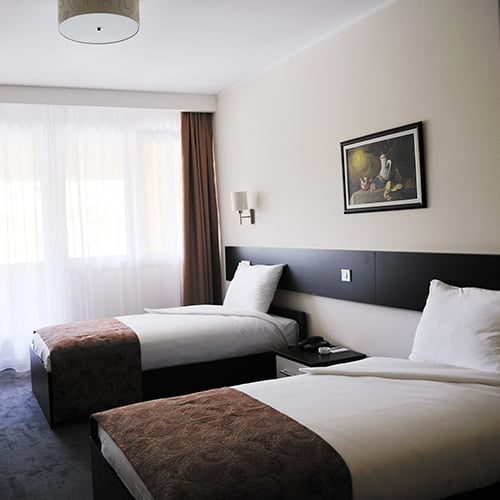
The design and comfort of the rooms are also considered. While elaborate décor is not a requirement, rooms should be thoughtfully furnished, creating a pleasant and functional space. Comfortable beds, good lighting, and adequate soundproofing contribute to a positive guest experience. The overall aesthetic should be pleasing and conducive to relaxation.
What Sets Them Apart from Lower and Higher Ratings
Understanding the three-star category also involves recognizing what it is not. This helps to delineate its place within the broader spectrum of hotel accommodations.
Compared to One and Two-Star Hotels
One and two-star hotels typically offer more basic accommodations with fewer amenities. They might have shared bathrooms, limited or no on-site dining, and fewer staff services. Wi-Fi might be a rarity, and rooms may be more spartan in their furnishings. A three-star hotel significantly elevates the experience by providing private bathrooms, more comprehensive services, and generally better comfort and cleanliness standards. The difference is often noticeable in the quality of the bedding, the range of in-room amenities, and the overall ambiance.
Compared to Four and Five-Star Hotels
Four and five-star hotels offer a higher level of luxury, service, and amenities. This can include:
- Enhanced Dining: Multiple fine-dining restaurants, celebrity chef partnerships, and extensive room service menus.
- Luxury Amenities: High-thread-count linens, designer toiletries, plush bathrobes, and slippers, often with turndown service.
- Extensive Facilities: Spas, fitness centers, swimming pools, concierge services, business centers, and sometimes even dedicated event spaces.
- Personalized Service: Highly trained staff anticipating guest needs, with a focus on bespoke experiences and a higher staff-to-guest ratio.
- Boutique Design: Unique and often opulent interior design, with a strong emphasis on aesthetics and high-quality materials.
A three-star hotel, while comfortable and well-equipped, does not typically feature the extensive luxury amenities or the highly personalized, anticipatory service that defines four and five-star properties. The focus is on providing a reliable, comfortable, and good-value stay rather than an extravagant or bespoke experience.
Navigating the Three-Star Landscape
When choosing a three-star hotel, several factors can help ensure a positive experience, especially since the term itself can encompass a range of offerings.
Location and Accessibility
The location of a three-star hotel is often a key selling point. Many are situated in convenient areas, close to major attractions, business districts, or transportation hubs. Evaluating the hotel’s proximity to points of interest and the ease of getting around the city or region is crucial. For example, a three-star hotel in the heart of a bustling city like New York City might offer excellent access to theaters and museums, while one near a theme park like Disneyland would be ideal for families.
Reading Reviews
As with any hotel booking, reading recent guest reviews is invaluable. While a hotel might meet the general criteria for a three-star rating, individual experiences can highlight specific strengths or weaknesses. Look for comments on cleanliness, staff helpfulness, the quality of amenities (like Wi-Fi or breakfast), and the overall atmosphere. Reviews can offer insights into the consistency of service and the actual condition of the property.

Understanding Star Rating Systems
It’s important to note that star rating systems are not universally standardized. Different organizations, such as the American Automobile Association (AAA) or Forbes Travel Guide, have their own criteria. While a three-star rating generally implies a certain level of quality and service, understanding the specific system used for a particular hotel can provide a clearer picture. Many online booking platforms also use their own simplified rating systems, often based on guest feedback, which should be considered alongside official ratings.
In conclusion, a three-star hotel represents a dependable choice for travelers seeking comfort, convenience, and value without unnecessary extravagance. It offers a solid foundation of amenities and services, underpinned by a commitment to cleanliness and professional hospitality, making it a cornerstone of the modern travel experience.
LifeOutOfTheBox is a participant in the Amazon Services LLC Associates Program, an affiliate advertising program designed to provide a means for sites to earn advertising fees by advertising and linking to Amazon.com. Amazon, the Amazon logo, AmazonSupply, and the AmazonSupply logo are trademarks of Amazon.com, Inc. or its affiliates. As an Amazon Associate we earn affiliate commissions from qualifying purchases.