
California, a state renowned for its diverse geography, boasts an array of stunning desert landscapes that beckon explorers and nature enthusiasts alike. From the iconic Mojave to the lesser-known but equally captivating Colorado, these arid expanses offer a unique blend of natural beauty, geological wonders, and rich ecological systems. Understanding the distinct characteristics of each desert within California is key to planning an unforgettable journey into these starkly beautiful territories.
The Mojave Desert: A Crown Jewel of Aridity
The Mojave Desert is arguably the most famous desert in California, covering a significant portion of the state’s southeastern region. It is a high desert, characterized by its extreme temperatures, both hot and cold, and its distinctive Joshua trees, which have become an iconic symbol of the American Southwest.

Key Characteristics and Attractions
The Mojave is a vast and varied landscape, offering a surprising amount of biodiversity adapted to its harsh conditions.
Joshua Tree National Park
This national park is the undisputed heart of the Mojave in California. Visitors flock here to witness the surreal forests of Joshua Trees, hike through unique rock formations like Skull Rock and Arch Rock, and experience the breathtaking panoramic views from Keys View. The park is also a haven for stargazers, with its exceptionally dark skies offering unparalleled celestial displays. Within the park, the town of Joshua Tree itself offers a quirky and artistic escape, with charming shops, galleries, and unique accommodations.
Death Valley National Park
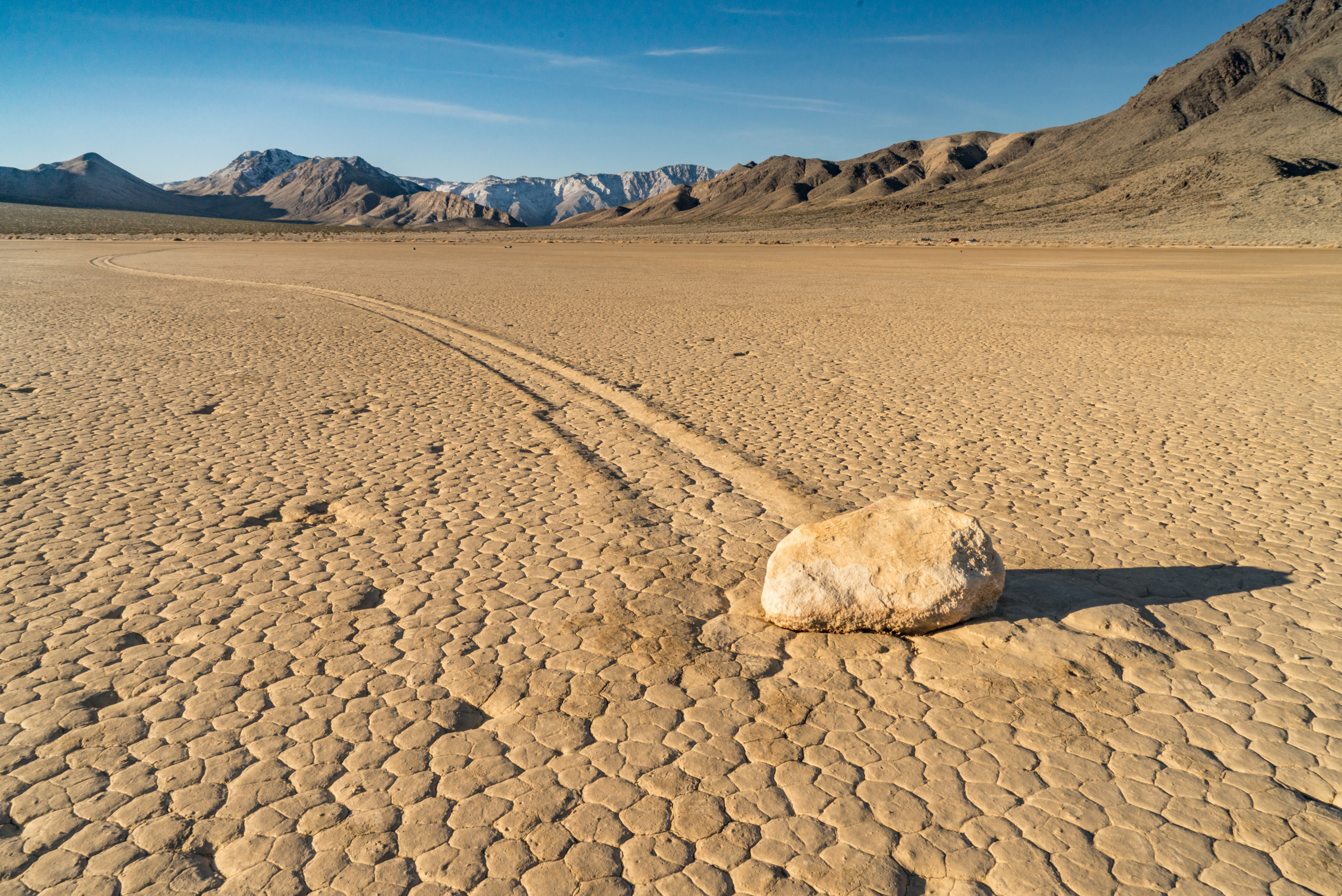
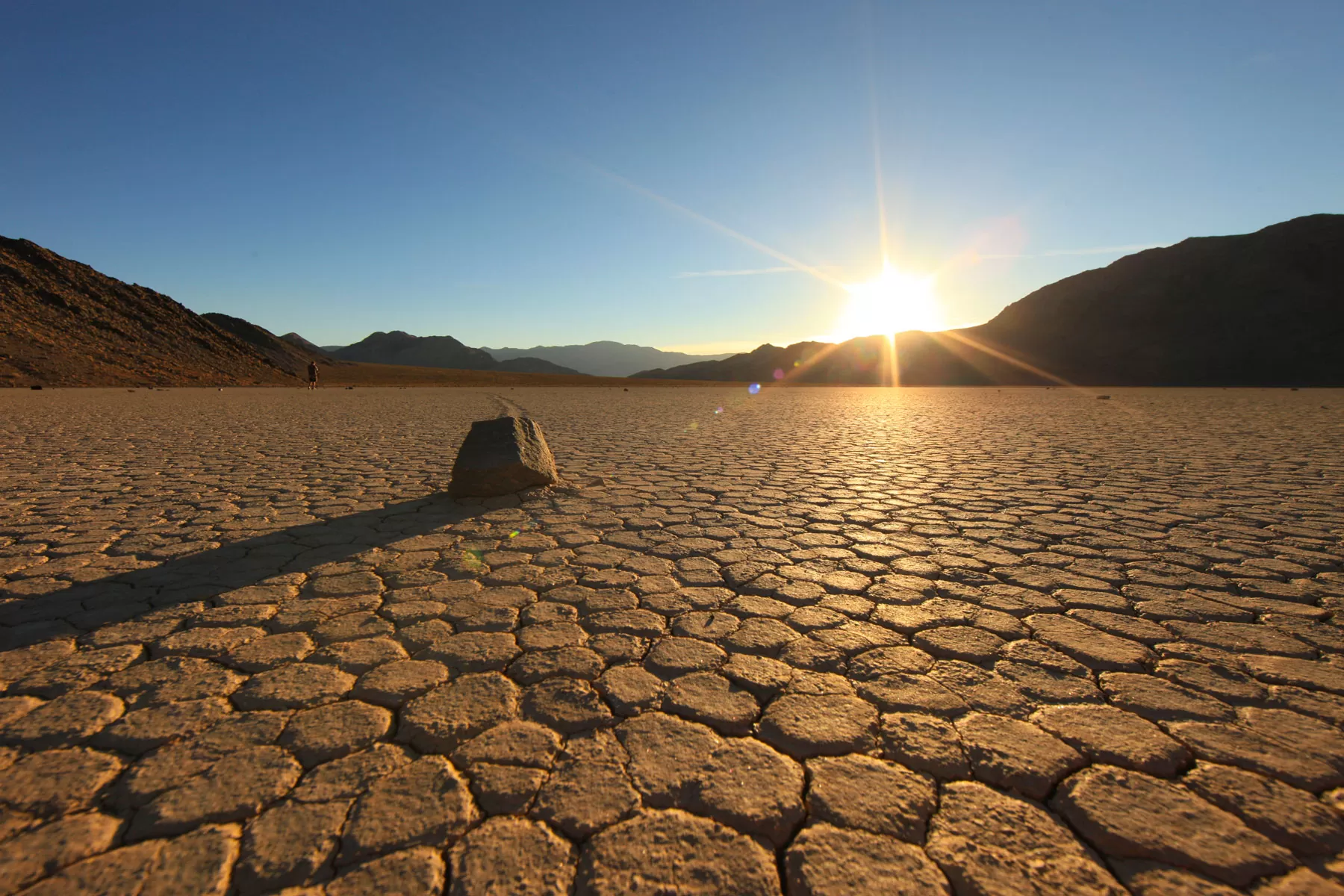
Straddling the border of California and Nevada, Death Valley National Park is a land of extremes. It holds the record for the hottest recorded temperature on Earth and is home to the lowest elevation point in North America at Badwater Basin. Despite its forbidding name and reputation, Death Valley is teeming with life and geological marvels. Landscapes range from salt flats and sand dunes to colorful badlands and rugged mountains. Must-see spots include Zabriskie Point for sunrise and sunset vistas, Artist’s Palette with its vibrant mineral hues, and the Mesquite Flat Sand Dunes. For those seeking unique lodging, The Oasis at Death Valley offers a touch of luxury amidst the stark beauty.
Anza-Borrego Desert State Park
Located in southeastern California, Anza-Borrego Desert State Park is California’s largest state park and a significant part of the northern Colorado Desert, an ecological region often considered a subsection of the larger Mojave. It is renowned for its spectacular wildflower blooms in the spring, transforming the arid landscape into a vibrant tapestry of color. Beyond the blooms, the park offers extensive opportunities for hiking, camping, and exploring its palm oases, slot canyons, and mud caves. The drive through the park, particularly along Montezuma Valley Road, provides dramatic vistas.
Other Mojave Highlights
Beyond these major parks, the Mojave Desert is dotted with smaller towns and natural attractions that are worth exploring. Areas like the Mojave National Preserve offer vast stretches of wilderness with volcanic cinder cones, lava tubes, and unique desert flora. Towns such as Pioneertown, with its Old West movie set feel, and Twentynine Palms, known for its vibrant arts scene, provide cultural insights into desert living.
The Colorado Desert: A Sub-Region of Arid Beauty
The Colorado Desert is often described as the westernmost extension of the Sonoran Desert, although its distinct ecological characteristics lead many to classify it as its own desert region. In California, it primarily occupies the southeastern part of the state, east of the mountains of Southern California. It is generally a lower desert than the Mojave, characterized by hotter temperatures and a different array of plant and animal life.
Defining Features and Experiences
While sharing some similarities with the Mojave, the Colorado Desert possesses a unique character shaped by its lower elevation and distinct climate.
Palm Springs and Its Surroundings
The city of Palm Springs is the most well-known hub within the California portion of the Colorado Desert. Famous for its mid-century modern architecture, luxurious resorts, and vibrant arts and culture scene, Palm Springs serves as a gateway to the desert’s natural wonders. Nearby attractions include the Palm Springs Aerial Tramway, which ascends to the cooler climate of the San Jacinto Mountains, offering a dramatic contrast to the desert floor. The Living Desert Zoo and Gardens in Palm Desert provides an excellent opportunity to learn about the flora and fauna of the region.
Salton Sea
A major geographical feature within the Colorado Desert is the Salton Sea, a large, saline lake formed in 1905 by an engineering error that diverted the Colorado River. While the Salton Sea has faced environmental challenges, it remains a significant habitat for migratory birds and a unique landscape with its desert beaches and surrounding communities. Exploring the lesser-known areas around the Salton Sea offers a glimpse into a different side of desert life, with ghost towns and a developing art scene in places like Bombay Beach.
Borrego Springs
Nestled within Anza-Borrego Desert State Park, the community of Borrego Springs is an International Dark Sky Community, offering exceptional stargazing opportunities. The town is a tranquil retreat, surrounded by rugged desert mountains and known for its abundance of desert wildflowers in the spring. The Galleta Meadows Estate is famous for its metal sculptures of prehistoric creatures scattered throughout the desert, adding an element of whimsical discovery to the landscape.
Wildlife and Vegetation
The Colorado Desert is home to a unique ecosystem. Unlike the Joshua Trees of the Mojave, the Colorado Desert is characterized by palo verde trees, ocotillo, and various species of cacti, including the barrel cactus and prickly pear. The region is also a vital migratory stop for birds, particularly around the Salton Sea. Reptiles like the desert tortoise and various lizard species are common, while mammals such as desert bighorn sheep and coyotes navigate the arid terrain.
Exploring California’s Deserts Responsibly
When planning a visit to any of California’s deserts, responsible tourism is paramount. These are fragile ecosystems, and visitors play a crucial role in their preservation.
Essential Travel Tips
Adhering to best practices ensures a safe and enjoyable experience while minimizing your impact.
Water and Hydration
The most critical element for any desert excursion is ample water. Dehydration can occur rapidly in the extreme heat. Carry more water than you think you will need, and drink consistently, even if you don’t feel thirsty.
Sun Protection
The desert sun is intense. Always wear sunscreen with a high SPF, a wide-brimmed hat, sunglasses, and protective clothing. Seek shade during the hottest parts of the day, typically from late morning to late afternoon.
Navigation and Safety
Many desert areas lack cell service. Inform someone of your travel plans, including your intended route and expected return time. Carry a detailed map and compass or a GPS device, and be aware of your surroundings. Avoid hiking during extreme heat, and be cautious of wildlife.
Leave No Trace
Practice the principles of Leave No Trace. Pack out everything you pack in, including all trash. Stay on marked trails to protect fragile desert vegetation and prevent erosion. Do not disturb wildlife or plant life.
Vehicle Preparedness
If driving into remote desert areas, ensure your vehicle is in excellent condition. Check tires, fluids, and carry a spare tire and the necessary tools for minor repairs. Consider carrying a satellite phone or personal locator beacon for emergencies.
California’s deserts are not merely barren lands; they are vibrant, dynamic environments offering profound beauty and unique adventures. Whether you’re drawn to the iconic silhouettes of the Mojave or the distinct character of the Colorado, exploring these regions promises an unforgettable journey into the heart of the American Southwest. Respecting their delicate nature ensures that these magnificent landscapes will endure for generations to come.
LifeOutOfTheBox is a participant in the Amazon Services LLC Associates Program, an affiliate advertising program designed to provide a means for sites to earn advertising fees by advertising and linking to Amazon.com. Amazon, the Amazon logo, AmazonSupply, and the AmazonSupply logo are trademarks of Amazon.com, Inc. or its affiliates. As an Amazon Associate we earn affiliate commissions from qualifying purchases.