
Imagine peeling back a thousand years of history, stripping away the freeways, the bustling cities, the sprawling vineyards, and the digital hum that defines modern California. What would emerge is a land of breathtaking, untamed beauty, a vast and diverse wilderness teeming with life, and a vibrant mosaic of indigenous cultures thriving in harmony with their environment. In 1000 AD, the Golden State was a realm almost unrecognizable to the contemporary traveler, yet it held the foundational elements that still draw millions seeking adventure, natural splendor, and a unique lifestyle. This journey back in time offers a profound understanding of the deep roots beneath one of the world’s most dynamic destinations, enriching the experience of today’s travel and tourism enthusiasts.
A Tapestry of Unspoiled Wilderness and Diverse Ecosystems
A millennium ago, California was a land of extremes and unparalleled ecological richness. Its geography, sculpted over millennia by tectonic forces and glacial movements, presented a dramatic panorama from the tempestuous Pacific coast to the arid eastern deserts. This natural grandeur served as the backdrop for countless generations of native peoples, shaping their existence and dictating the rhythms of their lives long before European contact.
The Landscape: From Coast to Desert
The coastline in 1000 AD stretched for hundreds of miles, wild and rugged, punctuated by dramatic cliffs, pristine sandy beaches, and hidden coves. There were no coastal roads or beachfront resorts; instead, dense coastal scrub, oak woodlands, and riparian forests met the waves. The iconic beauty of places like today’s Big Sur would have been there, but entirely untouched, a realm solely for wildlife and the occasional passing canoe. Further inland, the towering, ancient redwood forests formed cathedral-like groves, their immense trunks piercing the perpetual fog, creating unique, cool microclimates. These giants, much older and more widespread than today, stood as silent sentinels, vital to the ecological balance of the northern and central coastal regions.
Venturing east, the vast and fertile Central Valley was a sprawling wetland and grassland savanna. Unlike the intensively farmed landscape we see today, it was a mosaic of seasonal lakes, meandering rivers, and lush meadows, supporting immense herds of antelope, deer, and countless migratory birds. This incredibly productive ecosystem was a vital resource hub for numerous indigenous groups. To the east, the formidable peaks of the Sierra Nevada rose majestically, their snow-capped summits feeding crystalline rivers and streams that cascaded down to the valley floor. Landscapes reminiscent of Yosemite National Park’s granite domes and pristine valleys were present, but without any trails or human interventions, offering an even more raw and majestic experience. Further north, the volcanic peaks, like Mount Shasta, would have dominated the horizon, their spiritual significance already deeply embedded in indigenous cultures.

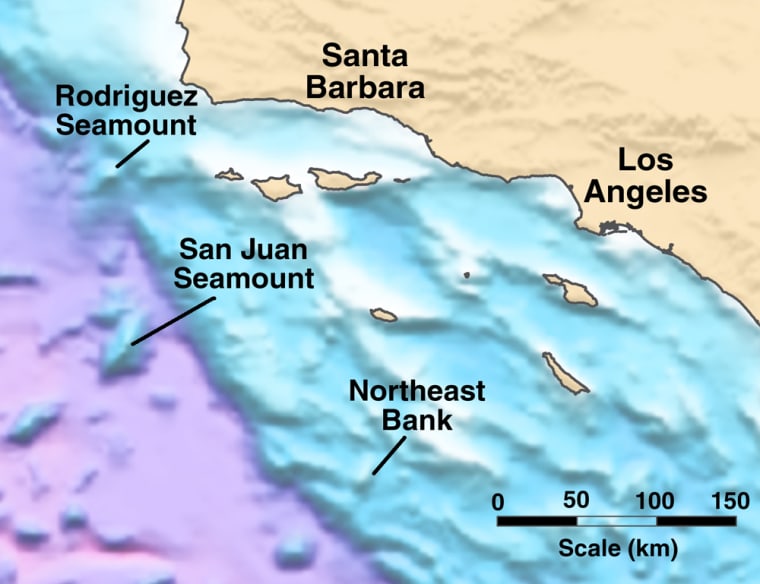
To the south and east, the landscape transitioned dramatically into vast desert systems, including the Mojave Desert and the Colorado Desert. These seemingly harsh environments were, in fact, vibrant ecosystems supporting unique flora and fauna adapted to the extreme conditions. Lush oases, fed by hidden springs, dotted the landscape, providing essential water sources for both human and animal populations. Death Valley, even then, was a place of stark beauty and intense heat, a formidable natural barrier and a source of valuable salt deposits. The Channel Islands off the southern coast were also pristine havens, home to unique species and maritime indigenous communities.
Climate and Resources: The Abundance of a Pristine Land
The climate patterns in 1000 AD were likely similar to today’s Mediterranean climate, characterized by dry, hot summers and mild, wet winters, though perhaps with less human impact exacerbating seasonal variations. Rainfall and snowpack in the Sierra Nevada would have been critical, replenishing the rivers and sustaining the extensive wetlands and forests. The abundance of water, particularly during the spring melt, ensured a rich biodiversity across the state.
Natural resources were not just plentiful; they were the very foundation of existence. The forests provided timber for dwellings, tools, and fuel. The vast oak woodlands yielded acorns, a staple food for many groups. Coastal areas offered an endless supply of fish, shellfish, and marine mammals. Inland rivers teemed with salmon and other freshwater species. Game animals—deer, elk, rabbits, and bears, including the formidable California grizzly, now extinct—roamed freely. The skies were filled with immense flocks of birds, including the majestic California condor. This incredible natural larder meant that the indigenous populations, with their deep understanding of the land’s rhythms, could sustain themselves without agriculture in many areas, creating a unique pattern of semi-nomadic or settled hunter-gatherer societies.

The First Californians: Thriving Cultures and Ingenious Adaptations
Into this bountiful and wild landscape lived an estimated 300,000 indigenous people, potentially more, making California one of the most densely populated areas in pre-Columbian North America. Far from being a monolithic entity, these “First Californians” comprised hundreds of distinct tribal groups, speaking over a hundred mutually unintelligible languages, each with their own unique cultures, traditions, and adaptations to their specific environments.
A Mosaic of Indigenous Peoples
The cultural diversity of California in 1000 AD was astounding, a testament to the ingenuity of human adaptation. Along the southern coast, the Chumash people were master mariners, building sophisticated plank canoes (tomols) to navigate the ocean and trade with the Channel Islands. Their settlements were often substantial, indicating a highly organized society. In the Central Valley, the Yokuts people thrived, managing the wetlands for abundant fish and waterfowl, and harvesting vast quantities of acorns.
Northern California was home to diverse groups such as the Hupa, who fished for salmon in the powerful rivers, and the Pomo, renowned for their intricate basket weaving. The Sierra foothills were the domain of the Miwok and other groups, who developed sophisticated methods for acorn processing and forest management. In the arid southern deserts, the Cahuilla and Kumeyaay adapted to the harsh conditions, utilizing desert plants and hunting desert game, often living in semi-subterranean structures to escape the heat. Near what would become Los Angeles, the Tongva people flourished, utilizing both coastal and inland resources. Each group possessed a deep, intricate knowledge of their local ecosystem, a wisdom passed down through generations.
Sustainable Living and Cultural Richness
The lifestyle of these early Californians was one of profound connection to the land. They were not simply inhabitants but active participants in shaping their environment through controlled burns to encourage new growth and manage resources, and sophisticated harvesting techniques that ensured sustainability. Their settlements, though not cities in the European sense, were often complex social structures, with clear hierarchies, trade networks, and vibrant ceremonial practices.
Without the influence of modern architecture or vast urban centers like San Francisco or San Diego, the built environment was entirely organic, crafted from natural materials like redwood planks, tule reeds, or willow branches, designed to integrate seamlessly with the landscape. Art was expressed through intricate basketry, rock carvings (petroglyphs), shell beads used for adornment and currency, and oral traditions filled with myths, legends, and practical knowledge. Spirituality was deeply animistic, seeing the sacred in every aspect of nature – mountains, rivers, animals, and plants. This profound respect for the earth fostered a harmonious existence, a stark contrast to the rapid resource exploitation that would come centuries later.
Echoes in Modern California: Tracing the Ancient Roots
While California in 1000 AD exists only in history and archaeological records, its spirit and some of its ancient beauty can still be found today. For those interested in travel, tourism, and understanding the historical landmarks and natural destinations of the state, looking back a millennium offers invaluable context. Modern California still offers gateways to experience the echoes of this ancient past.
Experiencing the Past Through Nature and Heritage
Today’s travelers can glimpse fragments of 1000 AD California by immersing themselves in its protected natural spaces. Visiting national parks like Yosemite National Park or Redwood National Park allows one to stand among ancient trees and gaze upon granite landscapes that have changed little in a thousand years. State parks like Anza-Borrego Desert State Park offer insights into the desert ecosystems that sustained indigenous groups for millennia. Hiking through these pristine environments, away from the developed areas, one can almost feel the presence of those who walked these lands before. The quiet contemplation offered by these natural landmarks is a powerful way to connect with the state’s deep history.
Beyond the natural environment, numerous museums and cultural centers are dedicated to preserving and sharing the heritage of California’s first peoples. The Chumash Indian Museum in Thousand Oaks offers insights into the sophisticated maritime culture of the Chumash. Indian Grinding Rock State Historic Park in the Sierra Nevada foothills preserves hundreds of bedrock mortars and petroglyphs, offering a tangible link to the Miwok people’s daily life and artistic expression. Many tribal nations across California operate cultural centers that provide educational programs, art exhibitions, and traditional ceremonies, offering respectful opportunities for visitors to learn directly from descendants of the original inhabitants. These sites offer a powerful reminder that the story of California began long before its modern cities were conceived.
A Legacy of Lifestyle and Connection
While finding accommodation in a tree hollow or a reed hut is no longer an option, the ancient connection to nature can still inspire modern travel choices. Many hotels and resorts in California today, particularly those focusing on eco-tourism or wellness, strive to integrate with their natural surroundings, offering experiences that subtly nod to the land’s pristine past. Imagine staying in a glamping site nestled in a redwood grove, or a boutique hotel near Big Sur that emphasizes sustainable practices and local, seasonal food, much like the resourceful inhabitants of 1000 AD.
The desire for authentic experiences, a core aspect of modern tourism, can be profoundly enriched by understanding this history. Engaging with local cultures, respecting the environment, and seeking out indigenous-led tourism initiatives allow travelers to connect with the land and its ancient heritage in a meaningful way. From tasting indigenous-inspired cuisine using native ingredients to participating in nature walks led by tribal elders, these experiences bridge the gap between ancient lifeways and contemporary exploration, offering a unique lifestyle perspective.
In essence, a journey to California in 1000 AD reveals a profound truth: beneath the layers of modernity lies a vibrant, resilient, and utterly magnificent natural and cultural landscape. Understanding this past not only deepens appreciation for the present beauty and diversity of the state but also encourages a more thoughtful and respectful approach to travel and exploration, inviting us to connect with the spirit of a land that has truly been golden for millennia.
LifeOutOfTheBox is a participant in the Amazon Services LLC Associates Program, an affiliate advertising program designed to provide a means for sites to earn advertising fees by advertising and linking to Amazon.com. Amazon, the Amazon logo, AmazonSupply, and the AmazonSupply logo are trademarks of Amazon.com, Inc. or its affiliates. As an Amazon Associate we earn affiliate commissions from qualifying purchases.