
The Mississippi River is more than just a body of water; it is the lifeblood of the United States. Spanning thousands of miles, it cuts through the heart of the continent, serving as a historical, economic, and geological marvel. When people ask about the direction in which this legendary river flows, the answer is often met with a degree of surprise or confusion. Contrary to the common assumption that all rivers flow from north to south due to gravity, the Mississippi follows a specific path dictated by the unique topography of North America.

The Flow of the Great River
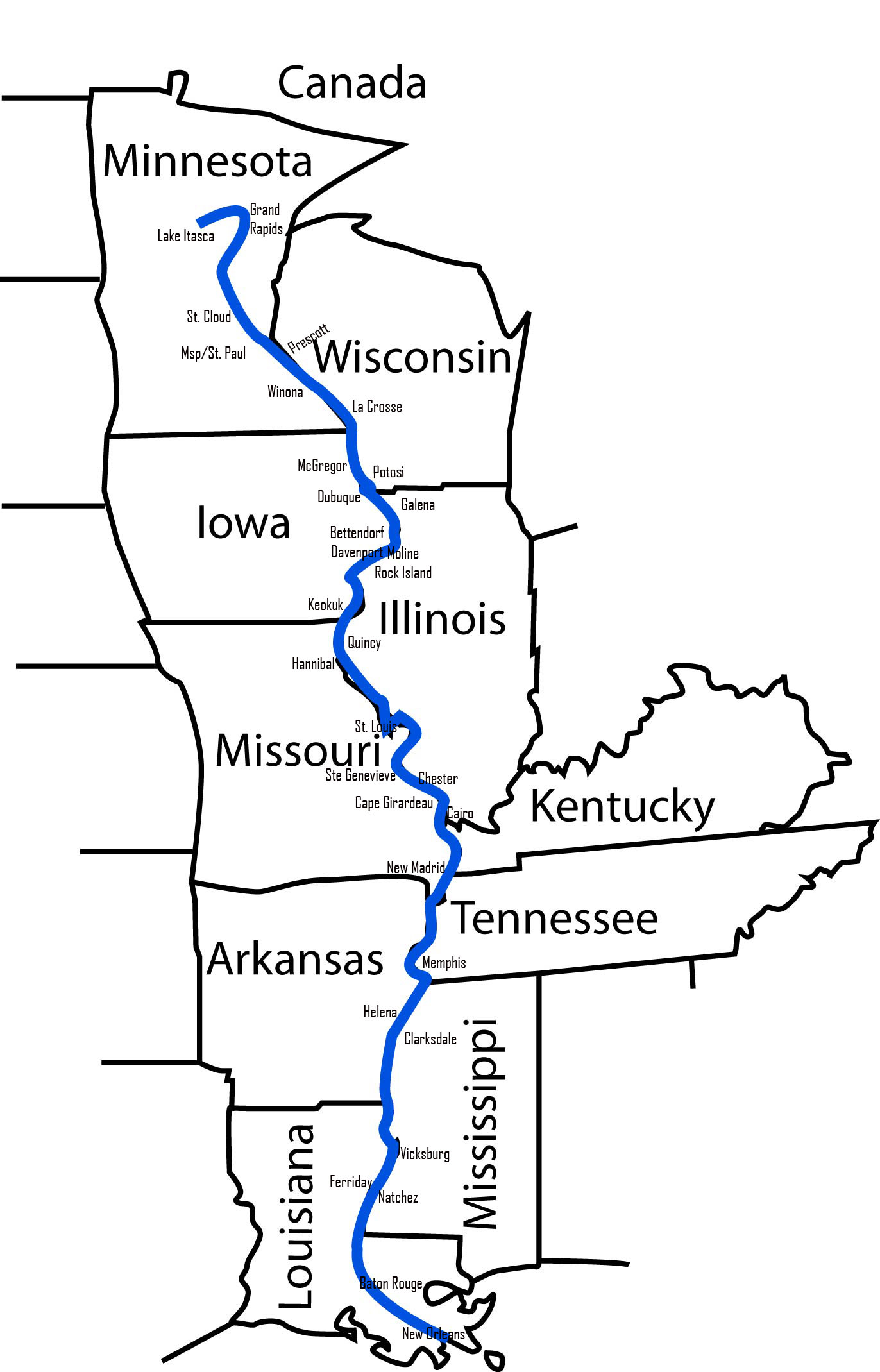
At its core, the Mississippi River flows in a southerly direction. It originates at Lake Itasca in Minnesota and makes its grand exit into the Gulf of Mexico. While it may seem straightforward, this movement is the result of a massive drainage basin that collects water from 31 states and two Canadian provinces.
From the Headwaters to the Heartlands
The journey begins in the dense, pine-covered forests of Itasca State Park. Here, the river is modest, shallow enough for visitors to walk across, marking the humble start of a massive journey. As it travels southward, it gathers strength from tributaries like the Missouri River and the Ohio River. This accumulation of volume transforms the river into a wide, powerful force of nature that has carved the very landscape of the American Midwest.
Understanding the Gradient
The reason the river flows southward is entirely due to the elevation gradient. The Mississippi River headwaters sit at an elevation of approximately 1,475 feet above sea level. By the time it reaches the Mississippi River Delta in Louisiana, it has descended to sea level. Water, by the laws of physics, must seek the lowest point. The Central United States functions as a massive natural bowl, funneling all runoff toward the southern coast.
A Geographical and Historical Landmark
The Mississippi River is not merely a path for water; it is a monumental landmark that has defined the human experience in the Americas. From the indigenous civilizations that thrived along its banks to the early European explorers who sought to navigate its depths, the river has always been the central focus of inland exploration.
Navigation and Early Exploration
For centuries, the river acted as a primary highway. Before the rise of railroads and highways, the Mississippi River was the only reliable way to transport goods and people across the vast expanse of the continent. Historical figures like Hernando de Soto, the first European to document the river, recognized its strategic importance early on. Today, the river remains a critical artery for commercial shipping, connecting the industrial hubs of the north to the bustling international ports near New Orleans.
Cultural Significance of the Riverbanks
The influence of the river extends into the cultural fabric of the Mississippi Valley. Literature, music, and local traditions are deeply intertwined with the river’s movement. Writers such as Mark Twain immortalized the river, capturing the spirit of life on the water and the towns that cling to its banks. Whether it is the blues music of Memphis or the festive atmosphere of the French Quarter, the culture of the region is inseparable from the river’s slow, steady current toward the south.
Managing the Mississippi: Humans and Nature
Because the Mississippi River is so vital, humans have gone to extraordinary lengths to control its path. Through a massive network of levees, dams, and spillways, the United States Army Corps of Engineers manages the river to prevent catastrophic flooding and ensure consistent navigation for freight.
The Conflict Between Industry and Environment
The river’s natural tendency is to meander and change course. Over thousands of years, the river has shifted its bed countless times, creating the fertile floodplains we see today. Modern infrastructure attempts to “lock” the river in place. This has led to environmental debates about the health of the Atchafalaya River and the loss of wetlands in the southern Louisiana region. Balancing the need for commercial efficiency with the preservation of natural ecosystems remains one of the most complex challenges in American geography.
The River as a Tourism Destination
Despite the heavy industrial use, the Mississippi River remains a top-tier destination for travelers. Riverboat cruises offer a glimpse into the history of the region, while national monuments along the banks preserve the stories of the past. From the Gateway Arch in St. Louis, which serves as a gateway to the American West, to the preserved plantations and historical sites of the deep south, the river provides endless opportunities for exploration.
Geological Wonders Along the Way
The journey from the north to the south takes the Mississippi River through a variety of unique geological zones. Understanding these changes provides context for why the river looks and behaves differently depending on the state you are in.
The Upper Mississippi: Rugged and Clear
In the northern reaches, the river is characterized by glacial landscapes, limestone bluffs, and crystal-clear waters. Near La Crosse, the valley narrows, creating stunning vistas that are popular among outdoor enthusiasts. The ecology here is drastically different from the slower, muddier, and wider sections found in the south.
The Lower Mississippi: Wide and Powerful
By the time the river reaches Vicksburg or Natchez, it has become a true behemoth. The water is heavy with sediment, which has been carried from the distant plains of the midwest. This sediment is what ultimately created the massive delta, one of the most productive and biologically diverse regions on the planet.
Why the Direction Matters
The southward flow of the Mississippi River is the defining characteristic that made the growth of the United States possible. It allowed for the rapid expansion into the interior, provided water for the agricultural heartland, and connected the distant corners of a burgeoning nation.
When you visit the river, whether you are standing at the headwaters in Minnesota or watching it empty into the Gulf of Mexico, you are witnessing a continuous, powerful flow of history. The river is a testament to the fact that geography dictates destiny. It is a natural wonder that, despite the best efforts of humanity to tame it, continues to follow its own inevitable path southward, shaping the earth and the communities along its way. For those interested in landscape, history, or simply the beauty of nature, there is no greater subject of study than the great Mississippi River. Its direction is not just a geographical fact; it is the heartbeat of a nation.
LifeOutOfTheBox is a participant in the Amazon Services LLC Associates Program, an affiliate advertising program designed to provide a means for sites to earn advertising fees by advertising and linking to Amazon.com. Amazon, the Amazon logo, AmazonSupply, and the AmazonSupply logo are trademarks of Amazon.com, Inc. or its affiliates. As an Amazon Associate we earn affiliate commissions from qualifying purchases.