
Understanding your location within Alabama goes beyond simply knowing the city or county. For travelers, grasping the state’s diverse districts—both official and unofficial—unlocks a deeper appreciation for its unique landscapes, rich history, and vibrant cultural offerings. Whether you’re planning a road trip, seeking specific attractions, or immersing yourself in local experiences, knowing “what district am I in Alabama?” provides invaluable context for a more enriching journey. This guide explores the various ways Alabama is divided and how these divisions can inform and enhance your travel plans.
Navigating Alabama’s Diverse Landscapes: Official vs. Unofficial Divisions
Alabama, like any state, is carved into various administrative units for governance and public services. While most travelers might think of cities or counties, there are broader distinctions that shape regional identities and influence everything from local laws to cultural nuances. Understanding these can help you better appreciate the distinct characteristics of different parts of the state.
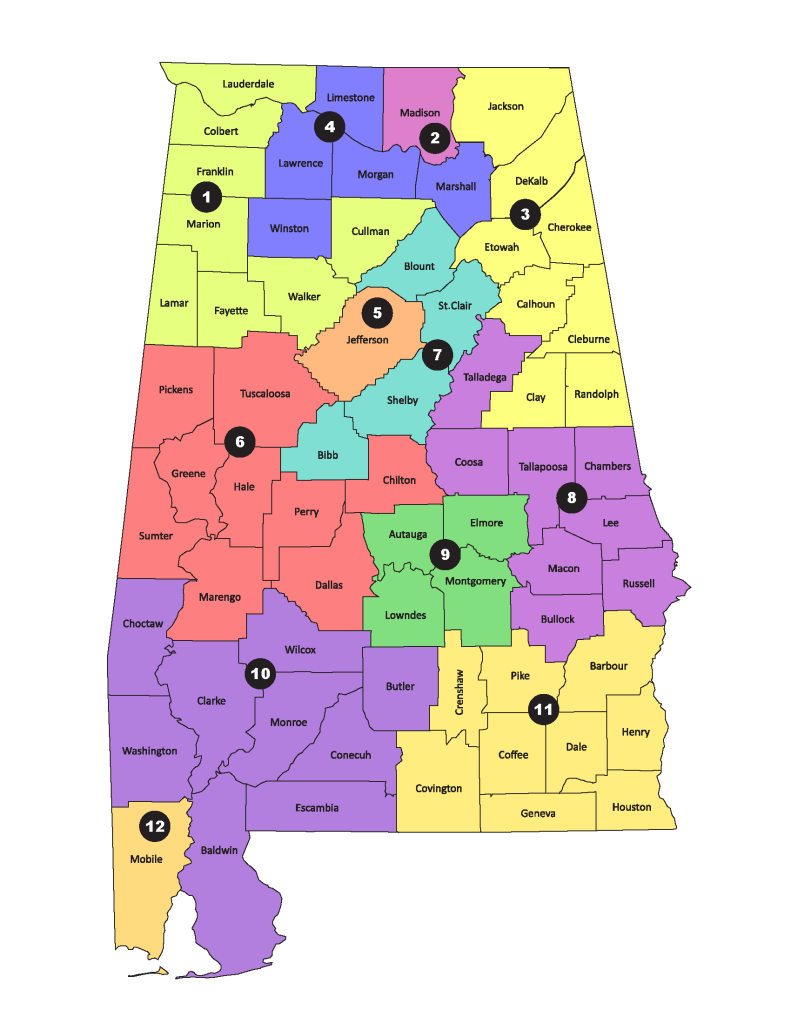
Alabama’s Congressional Districts: A Glimpse into Political Geography
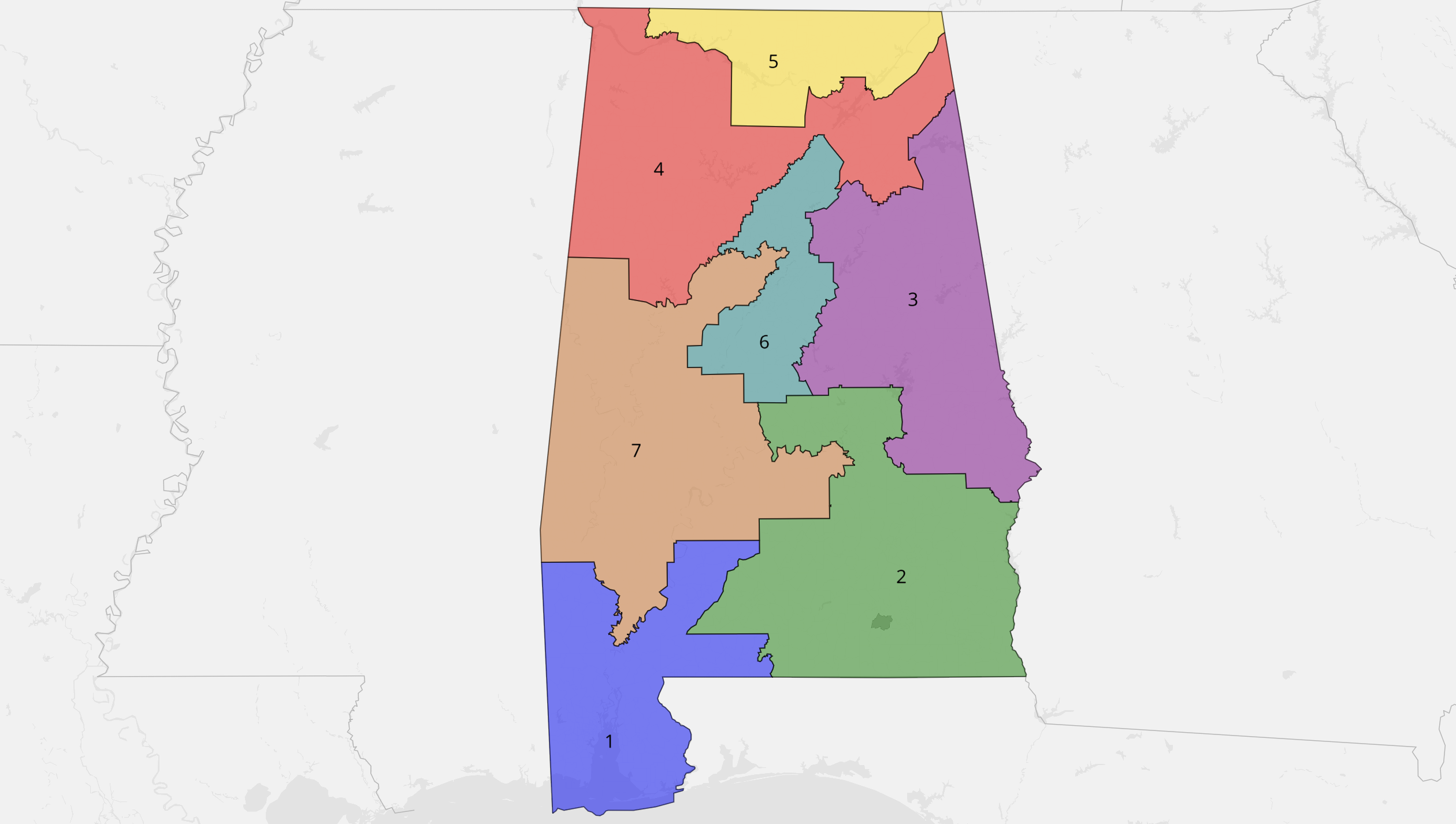
For most visitors, congressional districts might seem like a purely political construct, but they offer a unique way to segment the state geographically and understand how different regions are represented. Alabama is divided into seven congressional districts, each encompassing a distinct collection of counties and communities. While these districts primarily serve electoral purposes, their boundaries often reflect population densities, economic hubs, and historical groupings. For instance, the 1st Congressional District typically covers much of the Gulf Coast region, influencing focus on maritime and tourism industries. The 7th District often encompasses the Black Belt region, an area with a profound civil rights history and agricultural heritage. While you won’t typically see signs announcing your congressional district, knowing which district a major city or attraction falls into can subtly inform your understanding of its broader regional priorities and demographics.
Judicial Circuits and Beyond: Administrative Boundaries for Travelers
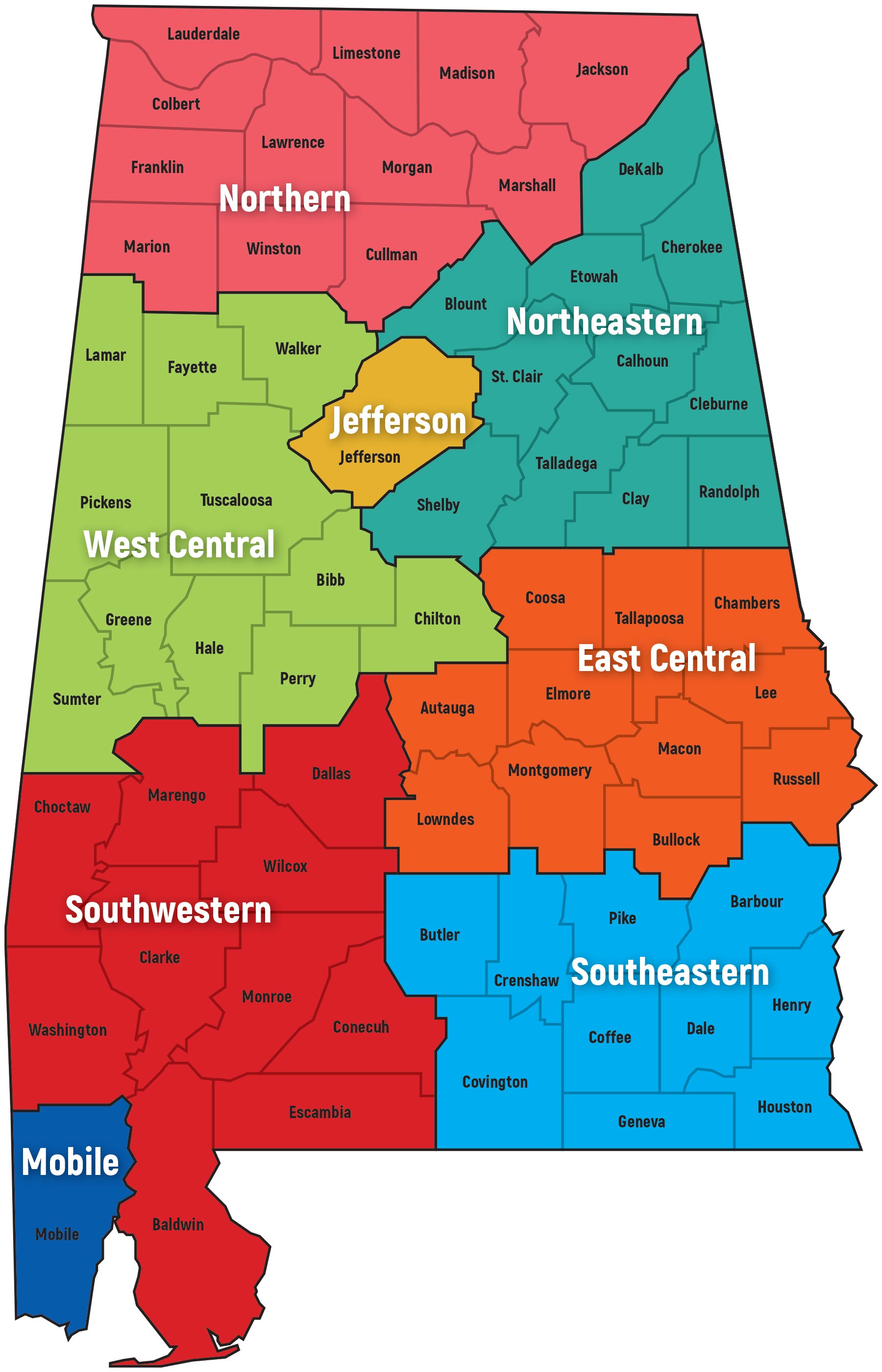
Beyond congressional districts, Alabama is also divided into judicial circuits, which group counties for the administration of justice. While these legal boundaries are even less visible to the casual traveler, they underscore the state’s administrative structure. More practically for travelers, understanding “districts” can refer to broader, often unofficial, geographic or cultural regions that have developed over time. These include the distinct areas recognized by locals, such as “North Alabama,” “Central Alabama,” the “Wiregrass region” in the southeast, or the “Gulf Coast.” These informal divisions are far more relevant for travel planning, as they cluster similar attractions, natural features, and cultural characteristics.
Exploring Alabama’s Regional Identities: What Each “District” Offers
When traveling, thinking in terms of these broader regional identities can help you categorize attractions, plan logical itineraries, and anticipate the kind of experiences each area offers. Alabama is a state of remarkable contrasts, from its northern mountains to its southern beaches, each offering a distinct flavor.
North Alabama: Space, Science, and Southern Appalachian Mountains
This region, often defined by its proximity to the Tennessee River and the foothills of the Appalachian Mountains, is a hub of innovation, outdoor adventure, and musical heritage. The city of Huntsville, often called “Rocket City,” is home to the world-renowned U.S. Space & Rocket Center, a must-visit for space enthusiasts. Further west, the Muscle Shoals area (including cities like Florence and Sheffield) is legendary for its pivotal role in music history, attracting musicians globally to its iconic recording studios. Travelers here can hike through Cheaha State Park, Alabama’s highest point, explore historical sites in Decatur, or enjoy fishing and boating on the many lakes formed by the Tennessee River. This “district” caters to those seeking a blend of intellectual stimulation, natural beauty, and a rich cultural tapestry.
Central Alabama: The Heart of History, Culture, and College Towns
The central part of the state encapsulates much of Alabama’s profound history and vibrant modern life. Birmingham, the state’s largest city, is a dynamic urban center offering world-class dining, a thriving arts scene, and significant civil rights landmarks like the Birmingham Civil Rights Institute. Montgomery, the state capital, is another cornerstone of the Civil Rights Trail, home to the Rosa Parks Museum and the Dexter Avenue King Memorial Baptist Church. Nearby Selma holds immense historical significance with the Edmund Pettus Bridge. This region also boasts prominent college towns like Tuscaloosa, home to the University of Alabama, and Auburn, site of Auburn University, each buzzing with collegiate energy, sports culture, and unique local attractions. Travelers interested in history, higher education, Southern hospitality, and urban exploration will find this central “district” incredibly rewarding.
South Alabama and the Gulf Coast: Beaches, Bayous, and Coastal Charm
Venturing south, the landscape transforms into pine forests, swampy bayous, and eventually, the stunning white-sand beaches of the Gulf Coast. The historic port city of Mobile is a jewel, known for its French and Spanish colonial heritage, vibrant Mardi Gras traditions (the oldest in the U.S.), and beautiful architecture in the Mobile Bay area. Further along the coast, Gulf Shores and Orange Beach offer family-friendly resorts, water sports, fresh seafood, and abundant opportunities for relaxation by the Gulf of Mexico. Dauphin Island provides a more laid-back, natural coastal experience. Inland, cities like Dothan, in the Wiregrass region, offer a glimpse into Alabama’s agricultural roots and small-town charm. This “district” is ideal for beach lovers, seafood connoisseurs, nature enthusiasts, and those looking to experience the unique blend of Southern and coastal cultures.
Practical Tools for Travelers: Pinpointing Your Location
While understanding these broader “districts” is great for conceptualizing your trip, sometimes you need to know your precise location within the official boundaries.
Digital Resources and Mapping Your Journey
Modern technology makes it incredibly easy to pinpoint your exact district. When using GPS or online mapping services, inputting your specific address will often display your city, county, and even zip code. Websites for the U.S. House of Representatives and Alabama state government often provide “Find Your Legislator” tools where you can enter an address to determine your congressional district. For an even more detailed local context, local government websites for cities like Wetumpka or counties will provide maps and information on smaller electoral or administrative districts within their jurisdictions. These tools are invaluable for understanding local services, voting information, and sometimes even specific local regulations or events that might affect your visit.
Local Expertise: Visitor Centers and Community Insights
For a more human touch, never underestimate the power of local expertise. Visitor information centers, found in most major cities and tourist hubs across Alabama, are excellent resources. Staff there can not only tell you what “district” you’re in but also provide context about local attractions, events, and unique community characteristics. Engaging with locals—whether hotel staff, restaurant servers, or shopkeepers—can also offer rich insights into the nuances of their specific area. They can explain which part of town is known for what, the colloquial names for certain areas, and how different neighborhoods contribute to the larger regional identity.
Crafting Your Alabama Itinerary with District Awareness
Ultimately, knowing “what district am I in Alabama?” is about empowering your travel experience. By understanding the official administrative divisions, and more importantly, the culturally distinct regions, you can:
- Plan logical routes: Group attractions within a specific region to minimize travel time and maximize exploration.
- Anticipate local flavors: Prepare for the distinct culinary traditions, musical genres, and historical narratives unique to each area.
- Discover hidden gems: Delve deeper into a region’s specific offerings, from small-town festivals to unique natural wonders, often promoted by local district-level organizations.
- Connect with the community: Understand the local context, making your interactions with residents more informed and meaningful.
Whether you’re exploring the space-age marvels of Huntsville, walking the historic streets of Montgomery, or relaxing on the sun-drenched beaches of Gulf Shores, recognizing the “district” you’re in transforms a simple visit into an insightful and deeply engaging journey through the Heart of Dixie.
LifeOutOfTheBox is a participant in the Amazon Services LLC Associates Program, an affiliate advertising program designed to provide a means for sites to earn advertising fees by advertising and linking to Amazon.com. Amazon, the Amazon logo, AmazonSupply, and the AmazonSupply logo are trademarks of Amazon.com, Inc. or its affiliates. As an Amazon Associate we earn affiliate commissions from qualifying purchases.