
Arizona, a land of striking contrasts and breathtaking beauty, beckons travelers with its diverse landscapes, vibrant cities, and rich cultural tapestry. From the dramatic depths of the Grand Canyon to the bustling urban centers of Phoenix and Tucson, the state offers an unparalleled array of experiences. For any traveler exploring this vast and varied state, understanding “what district am I in Arizona?” is not just a matter of curiosity but a fundamental step towards a richer, more informed, and truly immersive journey.
While Arizona is formally divided into 15 counties, the concept of a “district” for travelers often refers to more localized, culturally distinct, or geographically defined regions that guide exploration and activity. These tourist-centric districts help visitors navigate the state’s immense offerings, understand local nuances, and pinpoint attractions relevant to their immediate surroundings. Identifying your current or prospective district unlocks a wealth of targeted information, from local events and culinary hotspots to transportation options and specific natural wonders. This guide aims to demystify Arizona’s key travel districts, empowering you to better plan and enjoy your adventure in the Grand Canyon State.

Understanding Arizona’s Geographic and Tourist Districts
The term “district” in Arizona, especially from a traveler’s perspective, can be multifaceted. It rarely refers to strictly administrative boundaries like school or voting districts, but rather to areas defined by their unique geography, economic focus, historical significance, or predominant tourist appeal. These designations help segment a large state into manageable, character-rich zones, each promising a distinct flavor of the Arizona experience.
Beyond Simple Borders: Counties vs. Tourist Regions
While Arizona is officially divided into 15 counties—such as Maricopa County (home to Phoenix) or Coconino County (encompassing the Grand Canyon and Flagstaff)—these large political divisions aren’t always the most helpful for day-to-day travel planning. Travelers are more likely to think in terms of tourist regions or specific city districts. For instance, within Maricopa County, you have distinct tourist districts like Old Town Scottsdale, the Downtown Phoenix arts district, or the lakeside communities around Lake Pleasant. These smaller, more focused areas offer a clear identity and a concentrated set of attractions and amenities.
The Importance of Context: What “District” Means to You
The significance of identifying your district shifts depending on your travel goals. Are you looking for a vibrant nightlife scene? Then knowing you’re in Mill Avenue District in Tempe is crucial. Are you seeking solitude amidst red rock formations? Then understanding you’re in the Oak Creek Canyon area near Sedona will direct your activities. For ecotourists, distinguishing between the Sonoran Desert region (near Tucson) and the high desert of Northern Arizona (near Page) is vital for understanding the local flora, fauna, and outdoor opportunities. This contextual understanding allows travelers to fine-tune their itineraries, access relevant local information, and fully immerse themselves in the unique character of each location.
Key Tourist Regions and Their Distinct Districts
Arizona can be broadly divided into several major tourist regions, each housing smaller, more specific districts with their own appeal.
Northern Arizona: The Grand Canyon Country and High Deserts
This region is synonymous with iconic natural wonders and cooler climates.
- The Grand Canyon National Park Districts: The most famous attraction. The South Rim is the most accessible and popular, offering numerous viewpoints, lodging, and visitor services. The North Rim, open seasonally, is more remote and offers a different perspective with fewer crowds. The West Rim, located on Hualapai Tribal Land, is known for the Grand Canyon Skywalk.
- Flagstaff: Gateway to Adventure: Flagstaff itself can be seen as a district, a mountain town surrounded by the Coconino National Forest, serving as a hub for skiing at Arizona Snowbowl and exploring Route 66 history.
- Sedona and Red Rock Country: Spiritual and Scenic: This district is defined by its stunning red rock formations, vibrant arts scene, and renowned vortex sites. The Village of Oak Creek offers a quieter stay with golf courses, while the main Sedona area is closer to galleries and dining.
- Page and Lake Powell Region: A district centered around water sports, iconic slot canyons like Antelope Canyon, and the impressive Horseshoe Bend.
Central Arizona: The Greater Phoenix Metropolitan Area
Often referred to as the “Valley of the Sun,” this expansive urban region is a collection of distinct cities and neighborhoods.
- Downtown Phoenix: Urban Core: This district is a hub for business, arts, sports (like the Footprint Center), and cultural institutions.
- Scottsdale: Luxury and Lifestyle: Sub-districts include Old Town Scottsdale with its Western charm, galleries, and nightlife; the Fashion Square area for high-end shopping; and the more residential North Scottsdale known for golf resorts.
- Tempe: Collegiate and Lakeside: Home to Arizona State University, its Mill Avenue District is bustling with restaurants and shops, while Tempe Town Lake offers recreation.
- Mesa, Gilbert, Chandler: East Valley Expansion: These suburban districts offer family-friendly attractions, diverse dining, and cultural centers. Mesa is known for its arts and cultural venues, while Chandler is a tech hub with a charming downtown.
- Glendale and Peoria: West Valley Sports and Entertainment: The Westgate Entertainment District in Glendale is home to professional sports arenas and concert venues.
Southern Arizona: Sonoran Desert and Historic Charm
This region offers a blend of desert landscapes, rich history, and vibrant Mexican-American culture.
- Tucson and the Sonoran Desert: UNESCO City of Gastronomy: Tucson itself is a major district, surrounded by mountains and home to Saguaro National Park (east and west districts). Its Downtown Tucson area features historic architecture, diverse cuisine, and a lively arts scene.
- Tombstone and Bisbee: Old West and Mining History: These historic towns are distinct districts offering a glimpse into Arizona’s past. Tombstone is famous for its O.K. Corral shootout, while Bisbee is a bohemian arts town built into a former mining pit.
- Sierra Vista: Hummingbird Capital: Known for its birdwatching opportunities and proximity to the Huachuca Mountains.
Western Arizona: The Colorado River Corridor
This region is characterized by the Colorado River and its associated lakes, making it a hotspot for water activities.
- Lake Havasu City: London Bridge Icon: This district is famous for the transplanted London Bridge and its extensive water recreation on Lake Havasu.
- Yuma: Sunniest City: A historic district known for its sunny weather, agricultural bounty, and proximity to the Mexican border.
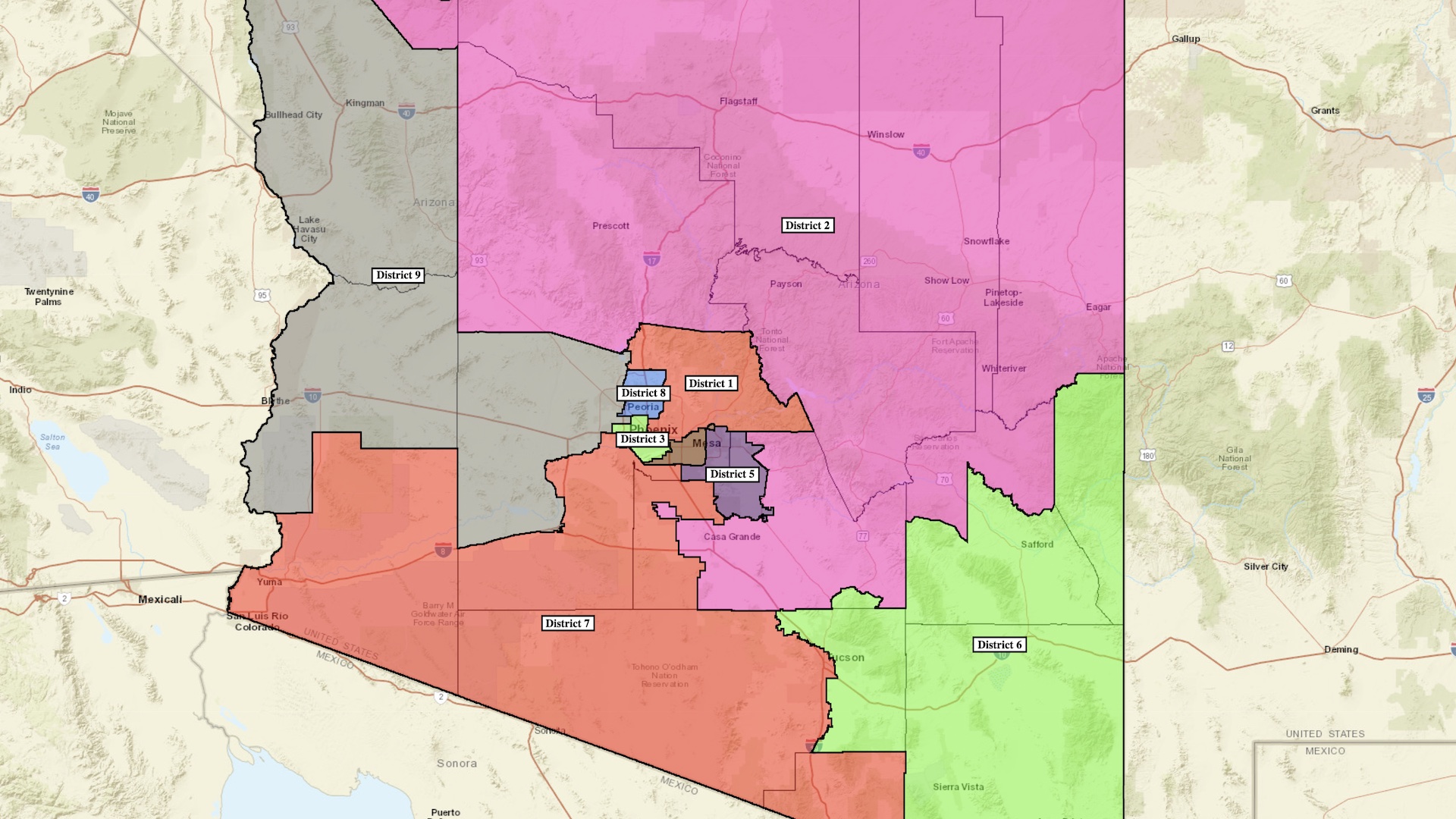
How to Determine Your Current District
Pinpointing your exact district is easier than ever, thanks to modern technology and readily available local resources. Whether you’re planning your trip or already immersed in your Arizona adventure, these methods will help you stay oriented.
Using Digital Tools for Precise Location
The most straightforward way to identify your district is through digital mapping and location services.
- GPS and Smartphone Maps: Apps like Google Maps, Apple Maps, or Waze can show your precise location, often labeling the specific neighborhood or city district you are in. Inputting the name of your hotel or a nearby landmark will typically reveal its district.
- Local Tourism Apps and Websites: Many Arizona cities and regions have dedicated tourism websites or apps that feature interactive maps highlighting various districts, points of interest, and local businesses within those zones. Check the official tourism sites for Phoenix, Scottsdale, Tucson, or Sedona.
Official Signage and Local Information Sources
Traditional methods remain highly effective for confirming your location and understanding the local context.
- Street Signs and Welcome Centers: As you drive or walk, pay attention to street signs, particularly those at the entrances to towns or distinct neighborhoods, which often announce the area. Major tourist destinations often have visitor centers with maps and knowledgeable staff who can explain local districts.
- Hotel and Business Addresses: Your accommodation’s address is a key indicator. The city and specific address can usually tell you which major district you’re in. Many hotels will even brand themselves by their district (e.g., “Hotel Valley Ho Old Town Scottsdale”).
- Local Newspapers and Magazines: Picking up a local paper or a free tourist magazine can offer insights into the distinct areas, their attractions, and events happening within them.
Engaging with Locals for Insider Knowledge
Sometimes, the best information comes from the people who live and breathe the area.
- Ask Residents and Staff: Don’t hesitate to ask your hotel concierge, restaurant server, or a friendly local which district you’re in. They can often provide valuable context, explain local boundaries, and offer recommendations specific to that area. This also offers an opportunity to connect with the local culture.
Why Knowing Your District Enhances Your Arizona Travel
Being aware of your district in Arizona transforms a good trip into an exceptional one, allowing for more efficient planning, deeper exploration, and a more authentic experience.
Tailoring Your Itinerary and Activities
Understanding your district empowers you to craft a more focused and enjoyable itinerary. If you know you’re in the Downtown Phoenix arts district, you’ll prioritize visits to the Phoenix Art Museum or the Musical Instrument Museum, rather than trying to find hiking trails only available on the city’s outskirts. Conversely, if you’re in a high desert district like Sedona, your focus will naturally shift to hiking, spiritual retreats, and red rock viewing. This targeted approach saves time and ensures you’re engaging with the best that your immediate surroundings have to offer.
Navigating Local Transport and Logistics
Knowing your district is crucial for efficient transportation. In sprawling metropolitan areas like Phoenix, public transport like the Valley Metro Light Rail serves specific districts and knowing your location helps you utilize it effectively. For ride-sharing services, being able to articulate your exact district ensures smoother pick-ups and accurate fare estimations. Furthermore, understanding the layout of a district can help you identify walkable areas, parking availability, and convenient access to major roadways for day trips.
Discovering Local Gems and Unique Experiences
Each district in Arizona boasts its own unique character, often harboring hidden gems that are easily missed by those unfamiliar with the area. By knowing your district, you can delve into local events, discover niche eateries, explore independent boutiques, or stumble upon charming parks and local markets. For example, the historic districts of Tucson offer a completely different culinary and cultural experience than the resort-heavy districts of Scottsdale. This local insight allows for more authentic cultural immersion and memorable discoveries beyond the main tourist trails.

Enhancing Safety and Preparedness
Awareness of your district also contributes to your safety and preparedness. Local emergency services are organized by area, so knowing your district can expedite assistance if needed. Understanding local weather patterns, which can vary significantly between Arizona’s diverse regions (e.g., desert heat vs. mountain snow), becomes easier when you know which specific district you’re in. This knowledge allows you to pack appropriately, plan activities for optimal conditions, and be mindful of local advisories.
In conclusion, “What district am I in Arizona?” is more than a simple geographical query; it’s a key to unlocking the full potential of your travel experience. By understanding Arizona’s diverse tourist regions and their distinct districts, you empower yourself to navigate with confidence, tailor your adventures, uncover local treasures, and ultimately forge a deeper connection with the remarkable landscapes and vibrant cultures of the Grand Canyon State. So, embrace the local distinctions, and let them guide you to an unforgettable Arizona journey.
LifeOutOfTheBox is a participant in the Amazon Services LLC Associates Program, an affiliate advertising program designed to provide a means for sites to earn advertising fees by advertising and linking to Amazon.com. Amazon, the Amazon logo, AmazonSupply, and the AmazonSupply logo are trademarks of Amazon.com, Inc. or its affiliates. As an Amazon Associate we earn affiliate commissions from qualifying purchases.