
Navigating the administrative and geographical landscape of any state can be a complex undertaking, especially when it pertains to understanding your precise location within its various districts. For residents and visitors of Nebraska, this question often arises when dealing with matters of governance, representation, or even localized services. Understanding which district you fall into is crucial for civic engagement and accessing specific resources. This guide aims to demystify the district system in Nebraska, focusing on the primary categories that define these divisions: Congressional Districts, Legislative Districts, and Judicial Districts, with a brief mention of other relevant local divisions.

Congressional Districts: Your Voice in Washington D.C.
Nebraska is divided into three congressional districts. Each district elects one representative to the United States House of Representatives. These representatives are responsible for advocating for the interests of their constituents in federal legislation and policy-making. The boundaries of these districts are drawn based on population counts from the decennial U.S. Census, ensuring roughly equal representation across the state.
The Three Congressional Districts
-
Nebraska’s 1st Congressional District: This district is the most populous and generally encompasses the eastern part of the state. It includes major population centers like Lincoln, the state capital, and surrounding suburban and rural areas. Its economy is diverse, with significant agricultural and growing technology sectors. Residents of this district are represented by a single Member of Congress in Washington.
-
Nebraska’s 2nd Congressional District: This district is also heavily populated and is centered around the metropolitan area of Omaha, the state’s largest city. It includes Omaha and its surrounding suburbs. This district is known for its strong financial services, insurance, and transportation industries. It is a key battleground for political representation due to its urban concentration.
-
Nebraska’s 3rd Congressional District: This is the largest congressional district by land area, stretching across western and central Nebraska. It is predominantly rural and agricultural, representing a significant portion of the state’s farming communities. While less densely populated, it plays a vital role in representing the agricultural heartland of Nebraska.
Determining Your Congressional District
To determine your congressional district, the most reliable method is to consult official state resources. The Nebraska Secretary of State website often provides interactive maps or search tools where you can enter your address to identify your representative and district. Alternatively, you can visit the website of your current U.S. Representative and look for a “Find My Representative” feature, which typically uses your ZIP code or full address. Understanding your congressional district is fundamental to participating in federal elections and communicating with your elected officials on issues affecting your community and the nation.
Legislative Districts: Your Voice in the State Legislature
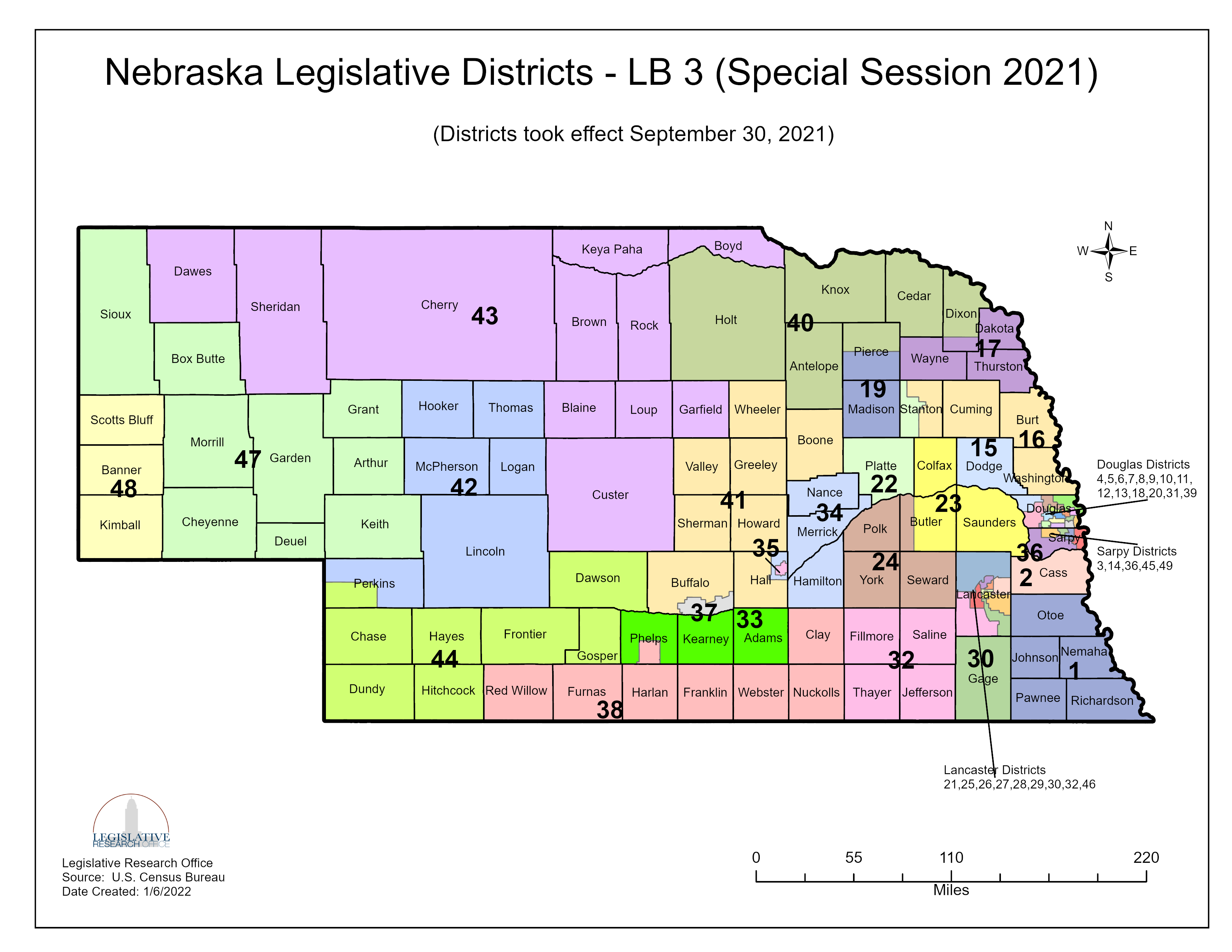
Nebraska stands out as the only state in the nation with a unicameral, nonpartisan legislature. This means there is a single legislative body, the Nebraska Legislature, comprised of 49 senators, each representing a distinct legislative district. Unlike congressional districts, legislative districts are redrawn following each U.S. Census to ensure equal population distribution among them, reflecting the principle of “one person, one vote.”
The Structure of Legislative Districts
The 49 legislative districts are geographically varied, reflecting population density. Urban areas may contain smaller districts with a higher population, while rural areas will have larger districts encompassing more land but fewer people. This system is designed to ensure that every Nebraskan has a voice in the state’s lawmaking process, regardless of where they live within the state’s borders.
Identifying Your Legislative District
Similar to congressional districts, the official Nebraska Legislature website is the primary source for identifying your legislative district. They typically provide maps and sometimes a searchable database where you can input your address to find your senator and district number. This is essential for understanding who represents you at the state level and for engaging in state-specific political discourse and elections. Knowing your legislative district allows you to follow the proceedings of the Nebraska Legislature and make informed decisions during state elections.

Judicial Districts: Accessing the Court System
The Nebraska court system is organized into administrative judicial districts. These districts are established to efficiently manage and administer the state’s judicial functions. Each judicial district is overseen by a presiding judge who ensures the smooth operation of the courts within their jurisdiction. The boundaries of these districts are not necessarily aligned with congressional or legislative districts and are primarily determined by caseload, population distribution, and geographical considerations to ensure accessibility to justice.
The Role of Judicial Districts
Judicial districts are the geographical areas within which state courts operate. They determine which courthouse you would typically visit for legal matters, whether it’s for criminal proceedings, civil disputes, family law cases, or other judicial matters. The state is divided into eight judicial districts, each with its own set of judges and court staff.
Navigating Your Judicial District
To find out which judicial district you belong to, the Nebraska Judicial Branch website is the authoritative resource. They provide detailed information about the court system, including maps and contact information for each district. You can usually find your judicial district by looking up the county you reside in on their interactive resources. This information is critical if you are involved in any legal proceedings or need to access court services.
Other Local Districts: A Layer of Governance
Beyond the major federal, state legislative, and judicial divisions, your locality might also be part of various other districts that provide specific services or represent specific interests. These can include:
School Districts
These are perhaps the most frequently encountered local districts, responsible for the administration and provision of public education. Nebraska has numerous school districts, each with its own boundaries, school board, and educational policies. Your children’s education and your local property taxes are directly tied to the specific school district you reside in. Information on school district boundaries is typically available through the Nebraska Department of Education or directly from individual school districts.
Public Service Districts
Depending on your location, you might be part of districts focused on specific public services. These can include:
- Public Power Districts: These districts manage the generation and distribution of electricity. Nebraska has a significant number of these, often serving vast rural areas.
- Natural Resource Districts (NRDs): These are unique to Nebraska and are responsible for managing and protecting the state’s natural resources, including water quality, groundwater levels, soil conservation, and flood control. There are 23 NRDs across the state.
- Fire and Emergency Medical Service Districts: In some areas, these services are organized through special districts to ensure efficient and localized emergency response.
- Library Districts: Some communities are served by dedicated library districts that fund and operate public libraries.
Identifying Your Local Districts
To identify which specific local districts you belong to, the most effective approach is to consult your county government website or your city/village hall. These offices are usually well-informed about all the districts that encompass their jurisdiction and can provide the necessary information. Property tax statements also often list the various districts to which you contribute.
In conclusion, understanding your district in Nebraska is a multi-layered process. Whether you are seeking to understand your representation in Washington D.C., your voice in the Nebraska Legislature, your access to the court system, or the services provided by local entities, there are distinct divisions that define your place. By utilizing the official resources available through state and county government websites, you can confidently determine your precise district affiliation and engage more effectively with the governance and services that shape your life in Nebraska.
LifeOutOfTheBox is a participant in the Amazon Services LLC Associates Program, an affiliate advertising program designed to provide a means for sites to earn advertising fees by advertising and linking to Amazon.com. Amazon, the Amazon logo, AmazonSupply, and the AmazonSupply logo are trademarks of Amazon.com, Inc. or its affiliates. As an Amazon Associate we earn affiliate commissions from qualifying purchases.