
Navigating the complex administrative and geographic landscape of New York can be a daunting task for both residents and visitors. Whether you are looking to register to vote, file taxes, or simply understand the cultural nuances that define different neighborhoods, knowing your district is essential. New York is a city defined by its layers of governance and community identity, making it a unique urban tapestry that requires a bit of detective work to decode.
Understanding New York City’s Administrative Geography
The administrative structure of New York City is unique, operating through a series of overlapping districts that serve different purposes. When someone asks “What district am I in?”, the answer often depends on which level of government or service they are inquiring about.
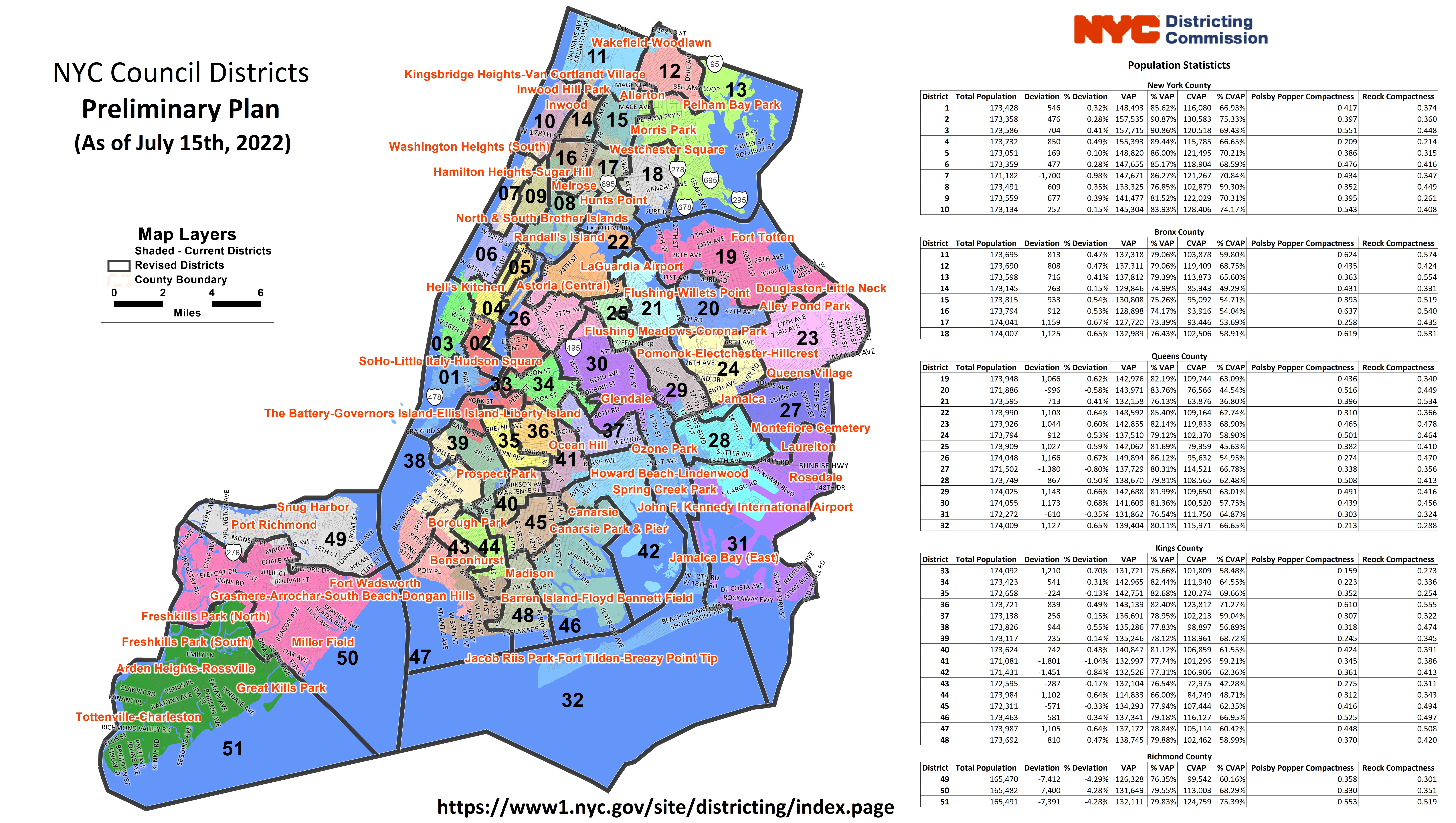
The Five Boroughs and Community Districts
At the macro level, the city is divided into five boroughs: Manhattan, Brooklyn, Queens, the Bronx, and Staten Island. However, for local administrative purposes, the city is further subdivided into 59 Community Districts. Each of these districts is overseen by a Community Board, a local representative body that acts as an advisory group on land use, zoning, and service delivery.
To identify your Community District, you can consult the official city planning maps. These districts are the front line of civic engagement, providing a forum for residents to voice concerns about local developments, street repairs, and sanitation services. They serve as the heartbeat of neighborhood-level governance, ensuring that the vast expanse of the city remains connected to the needs of its people.
City Council and State Assembly Districts
Beyond the community level, there are political districts that dictate your representation in the government. Every resident lives within a specific City Council district, which determines which council member represents their interests at City Hall. These boundaries are drawn to ensure proportional representation and are subject to change following each decennial census.
Similarly, you reside within a New York State Assembly district and a New York State Senate district. These boundaries determine who you vote for in Albany. Understanding these is critical for anyone wishing to participate in the democratic process, as these representatives are responsible for legislation that directly impacts the cost of living, public safety, and infrastructure investment in your specific neighborhood.
How to Locate Your Precise District
In the digital age, finding your district information has become remarkably straightforward, provided you know where to look. Gone are the days of manually cross-referencing paper maps; today’s technology allows for precision mapping at the click of a button.
Using the NYC Poll Site Locator
One of the most reliable ways to identify your various districts is by using the official New York City Board of Elections website or the “Poll Site Locator” tool. By entering your residential address, the portal generates a comprehensive list of all your electoral districts, including:
- City Council District
- State Assembly District
- State Senate District
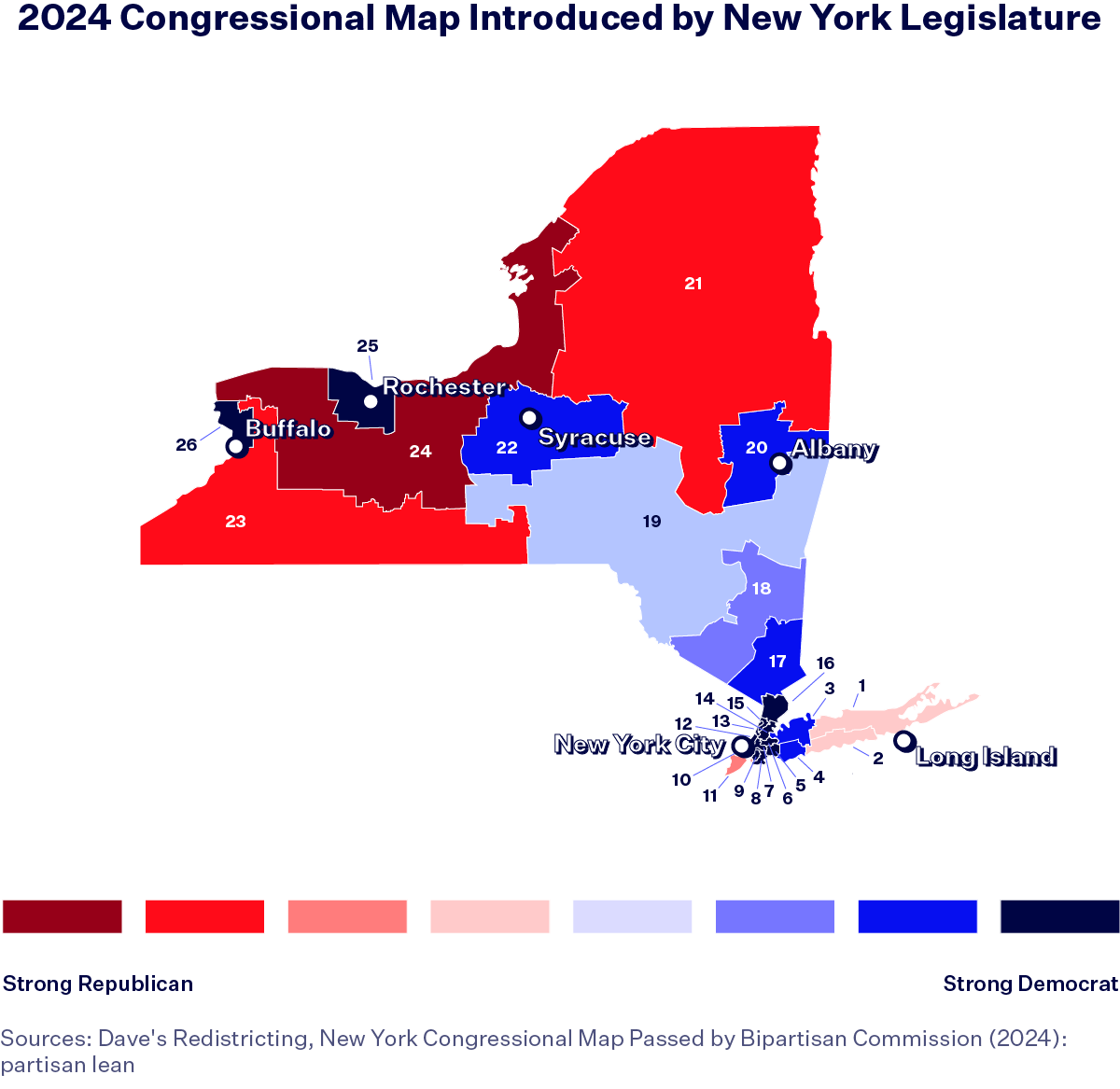
- Congressional District
- Judicial District
This tool is not just for election season; it is a repository of your civic identity. It links your home address to the specific administrative zones that dictate your representation and the resources allocated to your street.
Utilizing Geographic Information Systems (GIS)
For those who prefer a visual approach, the NYC Department of City Planning offers an interactive tool called “NYC District Finder.” This is a sophisticated mapping interface that allows you to zoom into your exact house or apartment building. By toggling different layers on and off, you can see how your home sits at the intersection of different district boundaries.
This visual context is helpful because it illustrates the reality of urban boundaries. Sometimes, a district line might run down the middle of a street, meaning your neighbors across the road might technically fall under a different representative or service umbrella. Understanding these nuances helps explain why certain services, like snow plowing routes or school district zoning, may differ by just a few blocks.
The Impact of Districts on Daily Life
Living in a specific district is more than just a line on a map; it impacts the services you receive and the policies that shape your immediate surroundings. The synergy between your district and your lifestyle is a fundamental part of the experience of living in America.
Education and Zoning
One of the most tangible ways that district lines affect residents is through school zoning. The New York City Department of Education operates using a system of school districts that often run parallel to, but are distinct from, political districts. Knowing your school district is essential for parents, as it determines your child’s catchment area and which schools you are eligible to attend.
This zoning can have a profound impact on property values and the overall appeal of a neighborhood. In areas where school performance is a priority for families, these lines are often highly scrutinized. Understanding where you stand within this system is crucial for long-term planning and community integration.
Emergency Services and Infrastructure
Your district also plays a role in how emergency services like the New York City Fire Department and the New York Police Department are organized. Precincts are designed to ensure that response times are kept to a minimum and that police officers are intimately familiar with the specific terrain and population they serve.
Similarly, sanitation and public works departments are organized by districts. If you have ever wondered why trash is collected on different days in neighborhoods just a few blocks apart, the answer lies in these administrative district boundaries. They are the invisible lines that coordinate the logistics of a city that never sleeps, ensuring that millions of people can live in relative harmony.
Navigating the Future of Your Neighborhood
As New York continues to evolve, district boundaries are subject to change. Redistricting, often necessitated by population shifts captured in the census, can redraw the political map every ten years. Staying informed about these changes is a part of being an active, engaged citizen.
Staying Engaged with Local Boards
Regardless of which district you fall into, the most impactful way to influence your environment is to attend Community Board meetings. These meetings provide a direct line to local government officials. Whether it is a proposal for a new bike lane, a zoning change for a high-rise building, or concerns about public safety, your voice carries weight within your specific district board.

Beyond the Political Map
While districts define the administrative reality, it is important to remember that neighborhoods in New York are defined by more than lines on a map. Cultural hubs like Chinatown or Little Italy have boundaries that are defined by heritage, food, and history rather than legislation.
Ultimately, knowing your district is a form of empowerment. It allows you to navigate the bureaucratic intricacies of the city with confidence, ensures you know exactly who to call when things go wrong, and deepens your connection to the community you call home. Whether you are living in a historic townhouse in Brooklyn Heights or a modern condo in Long Island City, your district is the foundational layer of your New York identity. Take the time to look up your specific information—it is the first step toward truly making your mark on this incredible city.
LifeOutOfTheBox is a participant in the Amazon Services LLC Associates Program, an affiliate advertising program designed to provide a means for sites to earn advertising fees by advertising and linking to Amazon.com. Amazon, the Amazon logo, AmazonSupply, and the AmazonSupply logo are trademarks of Amazon.com, Inc. or its affiliates. As an Amazon Associate we earn affiliate commissions from qualifying purchases.