
Exploring the vibrant natural tapestry of Florida offers tourists a unique glimpse into diverse ecosystems, from sun-drenched beaches to lush, subtropical forests. Amidst this rich biodiversity, one of the most common and fascinating inhabitants a visitor is likely to encounter is the gecko. These small, agile lizards, often seen scuttling across walls or darting through foliage, play a surprisingly significant role in the local environment, directly impacting the comfort and experience of those vacationing in the Sunshine State. Understanding what Florida geckos eat not only provides insight into their ecological niche but also enhances a tourist’s appreciation for the natural pest control they inadvertently provide, contributing to a more pleasant stay.
Geckos as Part of the Florida Tourism Experience
For many visitors to Florida, the sight of a gecko is an immediate sign that they are indeed in a warm, subtropical climate. These creatures are ubiquitous, from the bustling streets of Miami to the serene landscapes of Orlando‘s resort areas, and even deep within the state’s natural parks. Far from being a nuisance, these lizards are often a welcome, albeit sometimes startling, sight that adds to the authentic Florida experience.
A Common Sight for Visitors
Whether staying in a beachfront condo, a luxurious resort, or a rustic cabin near one of Florida’s many natural springs, tourists will inevitably encounter geckos. Species like the Mediterranean House Gecko and the Brown Anole are particularly common around human habitation, attracted to outdoor lighting that, in turn, draws their insect prey. Observing them up close, clinging effortlessly to surfaces or exhibiting their characteristic quick movements, can be an unexpected highlight for nature enthusiasts and curious travelers alike. Their presence offers a subtle connection to the wild heart of Florida, even in developed areas, serving as a constant reminder of the state’s incredible natural richness that lies just beyond the manicured lawns and concrete jungles. It’s a touch of the wild that is generally harmless and often entertaining.
Ecological Role and Natural Pest Control
Beyond their visual appeal, geckos serve a vital function that directly benefits the tourism industry and visitors. They are highly efficient insectivores, meaning their primary diet consists of insects. In a state renowned for its warm, humid climate, which is also ideal for a multitude of insects, geckos act as a natural, non-toxic form of pest control. Imagine enjoying an evening meal on a Sarasota patio or relaxing by the pool in Naples without the incessant buzz of mosquitoes or the unsettling scurry of cockroaches. Geckos contribute significantly to this comfort by actively hunting and consuming these common pests. Their presence helps maintain a balanced ecosystem, reducing the populations of insects that might otherwise detract from a tourist’s enjoyment of outdoor activities, from hiking in Everglades National Park to simply relaxing on a hotel balcony. This natural service makes them an unsung hero of the Florida hospitality experience.
The Diverse Diet of Florida’s Geckos
The dietary habits of Florida geckos are primarily shaped by their environment and their opportunistic nature. While insectivorous at heart, different species may exhibit slight variations in their preferred prey, all contributing to the larger ecological balance.
Insectivores Extraordinaire
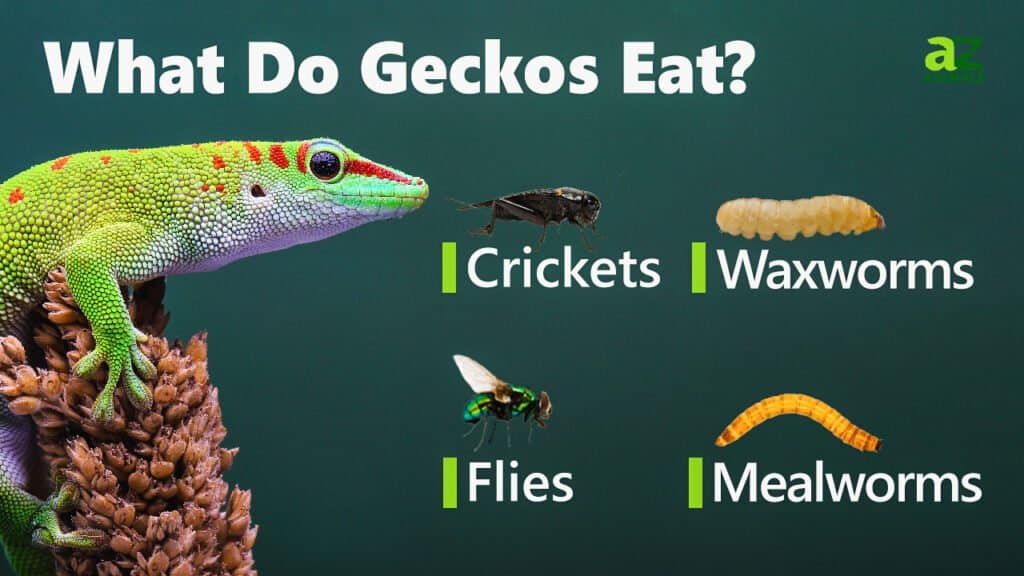
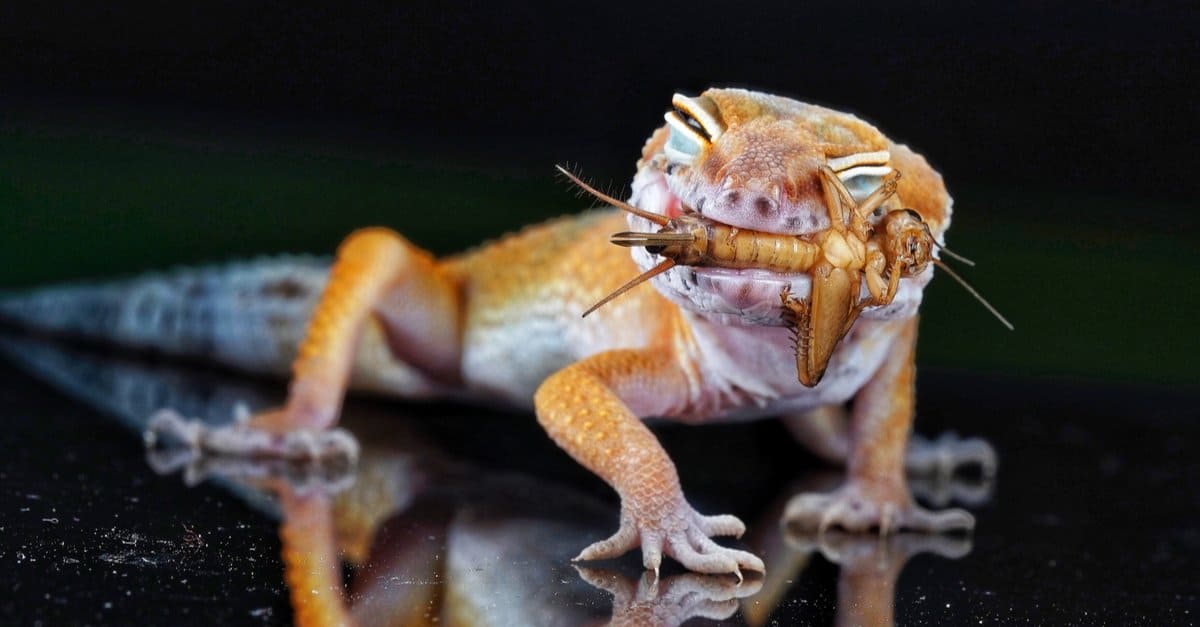
The vast majority of a Florida gecko’s diet consists of invertebrates, particularly insects. Their keen eyesight, especially adapted for low-light conditions, and their incredible agility make them formidable hunters of the nocturnal insect world. Common items on a gecko’s menu include:
- Mosquitoes: A significant benefit for tourists, geckos actively hunt and consume mosquitoes, reducing the presence of these biting insects which are prevalent in Florida’s humid climate.
- Moths: Attracted to lights, moths often become an easy target for geckos lurking near windows and outdoor fixtures of hotels and restaurants.
- Spiders: Geckos are not afraid to tackle arachnids, including various types of spiders found around homes and gardens.
- Cockroaches: Another common pest in warm climates, cockroaches are a nutritious meal for geckos, especially the smaller species.
- Crickets and Grasshoppers: These hopping insects are abundant in grassy and natural areas, providing a steady food source for geckos in more rural or wilder parts of Florida.
- Beetles: Various beetle species, from small ground beetles to flying varieties, are also part of their regular intake.
This focus on insects means that where geckos thrive, insect populations are often kept in check, creating a more comfortable and enjoyable environment for human visitors. It’s a biological interaction that quietly improves the quality of outdoor spaces for tourism.
Opportunistic Foragers
While insects form the bulk of their diet, Florida geckos, particularly larger species or those in resource-scarce environments, can be opportunistic foragers. This means they will consume other available food sources if the opportunity arises. This can include:
- Smaller Lizards: In some cases, larger gecko species may prey on smaller lizards, including juvenile geckos of other species or even their own. This is a less common occurrence but highlights their predatory instincts.
- Fruit and Nectar: Some gecko species, especially those native to tropical regions but introduced to Florida, might occasionally supplement their insect diet with soft fruits or nectar. While not a primary food source for most Florida geckos, it demonstrates their adaptability. This behavior is more typical of arboreal gecko species from other parts of the world, but observations of it in Florida are not unheard of, particularly near gardens or fruit trees.
- Small Invertebrates Beyond Insects: Beyond the usual insects, geckos will also consume other small invertebrates like worms or centipedes if they encounter them.
This adaptability in diet allows geckos to thrive in diverse environments across Florida, from dense urban centers like Tampa to more secluded natural reserves. For tourists, it underscores the dynamic nature of the ecosystems they are visiting, where every creature plays a role in the intricate food web.
The Impact of Human Presence
Human settlements, particularly tourist areas with their abundant outdoor lighting and landscaping, inadvertently create prime hunting grounds for geckos. The lights attract a nocturnal feast of insects, while well-watered gardens and maintained grounds provide ample hiding spots and breeding areas for their prey. This symbiosis means that geckos are often more prevalent around hotels, restaurants, and residential areas than deep within pristine natural habitats. This proximity allows tourists frequent, often close-up, observations of these fascinating reptiles. It’s a natural phenomenon that showcases how wildlife adapts to and even thrives within human-altered landscapes, offering an accessible wildlife viewing experience for casual observers who might not venture into deep wilderness areas. The urban gecko essentially becomes a living part of the local culture and environment that tourists encounter, making their experience more vibrant and authentic.
Encountering Geckos Safely and Responsibly
While geckos are generally harmless and beneficial, responsible tourism dictates that visitors understand how to interact with local wildlife. For the most part, simply observing these creatures from a distance is the best approach, ensuring both the safety of the gecko and the tourist.
Observing from a Distance
Geckos are naturally curious but also timid creatures. When exploring Florida’s various attractions, whether it’s the botanical gardens in St. Petersburg or the historic streets of Key West, if you spot a gecko, take a moment to observe its behavior. Watch as it stalks an insect or displays its impressive climbing abilities. This non-invasive observation allows the gecko to continue its natural activities, including hunting, without stress. Flash photography, loud noises, or sudden movements can startle them, causing them to flee or, in rare cases, drop their tails as a defense mechanism, which is stressful for the animal. Respecting their space contributes to a sustainable tourism environment where wildlife can thrive alongside human visitors.
Avoiding Interaction
While tempting for some, it is always best to avoid touching or attempting to capture geckos. Wild animals can carry bacteria, and handling them can cause them undue stress or injury. Even seemingly friendly geckos can deliver a small bite if they feel threatened, though this is rare and generally harmless to humans. More importantly, interfering with their natural behavior can disrupt their hunting patterns or expose them to predators. For visitors with children, teaching them the importance of respecting wildlife and observing from a distance is an invaluable lesson that promotes responsible travel and fosters an appreciation for nature.
Respecting Their Habitat
Geckos are an integral part of Florida’s ecosystem. Tourists can contribute to their well-being by simply respecting their habitat. This means not leaving food scraps around that might attract unnatural predators or alter their natural diet, and certainly not introducing foreign substances into their environment. If you’re staying in an accommodation, understanding that geckos are often found near outdoor lights is part of acknowledging their ecological role. Embrace their presence as a natural, beneficial aspect of your Florida vacation. By doing so, you help ensure that these charming reptiles continue to thrive and contribute to the unique natural allure that draws millions of tourists to the state each year.
Understanding Local Wildlife for a Richer Florida Visit
A deeper understanding of Florida’s local fauna, including what geckos eat, enhances the overall tourism experience. It transforms a simple vacation into an educational and immersive journey into the state’s natural heritage.
Beyond the Beaches: Exploring Florida’s Ecosystems
Florida is much more than its famous beaches and theme parks. It boasts an incredibly diverse range of ecosystems, from the unique wetlands of the Everglades to the vast pine forests of the panhandle. Geckos, being adaptable creatures, are found in many of these habitats, serving as a tangible link to the wild. For tourists interested in ecotourism or simply gaining a fuller appreciation of their surroundings, learning about the diet and habits of geckos opens a window into the complex interdependencies of Florida’s natural world. Guided eco-tours, visits to nature centers, and even casual observation in hotel gardens can become much more meaningful when one understands the roles played by creatures like the gecko.
The Importance of Biodiversity for Tourism
Biodiversity is a cornerstone of Florida’s appeal as a tourist destination. The richness of its wildlife, from manatees and alligators to diverse bird species and, yes, even geckos, is a major draw. Geckos, by keeping insect populations in check, play a crucial role in maintaining the health and comfort of the environment, which indirectly supports various tourism sectors. A healthy ecosystem with balanced insect populations means a more pleasant experience for hikers, campers, birdwatchers, and even those simply enjoying an outdoor café. Protecting these smaller, yet vital, components of the ecosystem is essential for the long-term sustainability of Florida’s natural attractions and the tourism that depends on them.
Contributing to Conservation Efforts
By understanding and appreciating the ecological roles of creatures like geckos, tourists can become more aware and responsible travelers. This awareness might inspire them to support local conservation efforts, choose eco-friendly accommodations, or simply share their newfound knowledge with others. Every small act of respect for local wildlife, from observing geckos responsibly to supporting organizations dedicated to preserving Florida’s unique habitats, contributes to a more sustainable and enriching tourism experience for everyone. In essence, knowing what Florida geckos eat is more than just a trivial fact; it’s a gateway to understanding and appreciating the intricate beauty and ecological importance of the Sunshine State’s natural world.
LifeOutOfTheBox is a participant in the Amazon Services LLC Associates Program, an affiliate advertising program designed to provide a means for sites to earn advertising fees by advertising and linking to Amazon.com. Amazon, the Amazon logo, AmazonSupply, and the AmazonSupply logo are trademarks of Amazon.com, Inc. or its affiliates. As an Amazon Associate we earn affiliate commissions from qualifying purchases.