
Navigating the process of obtaining a California ID card, often referred to as a REAL ID, can seem like another step in your journey, especially if you’re a visitor or new resident. While the primary purpose of this article is to explore the vibrant tapestry of travel, from iconic landmarks to diverse lifestyles, understanding essential administrative tasks like securing identification is crucial for a seamless experience. Whether you’re planning a luxurious resort stay in Palm Springs, exploring the cultural delights of San Francisco, or embarking on a budget-friendly road trip along the Pacific Coast Highway, having the correct identification can significantly simplify your adventures.
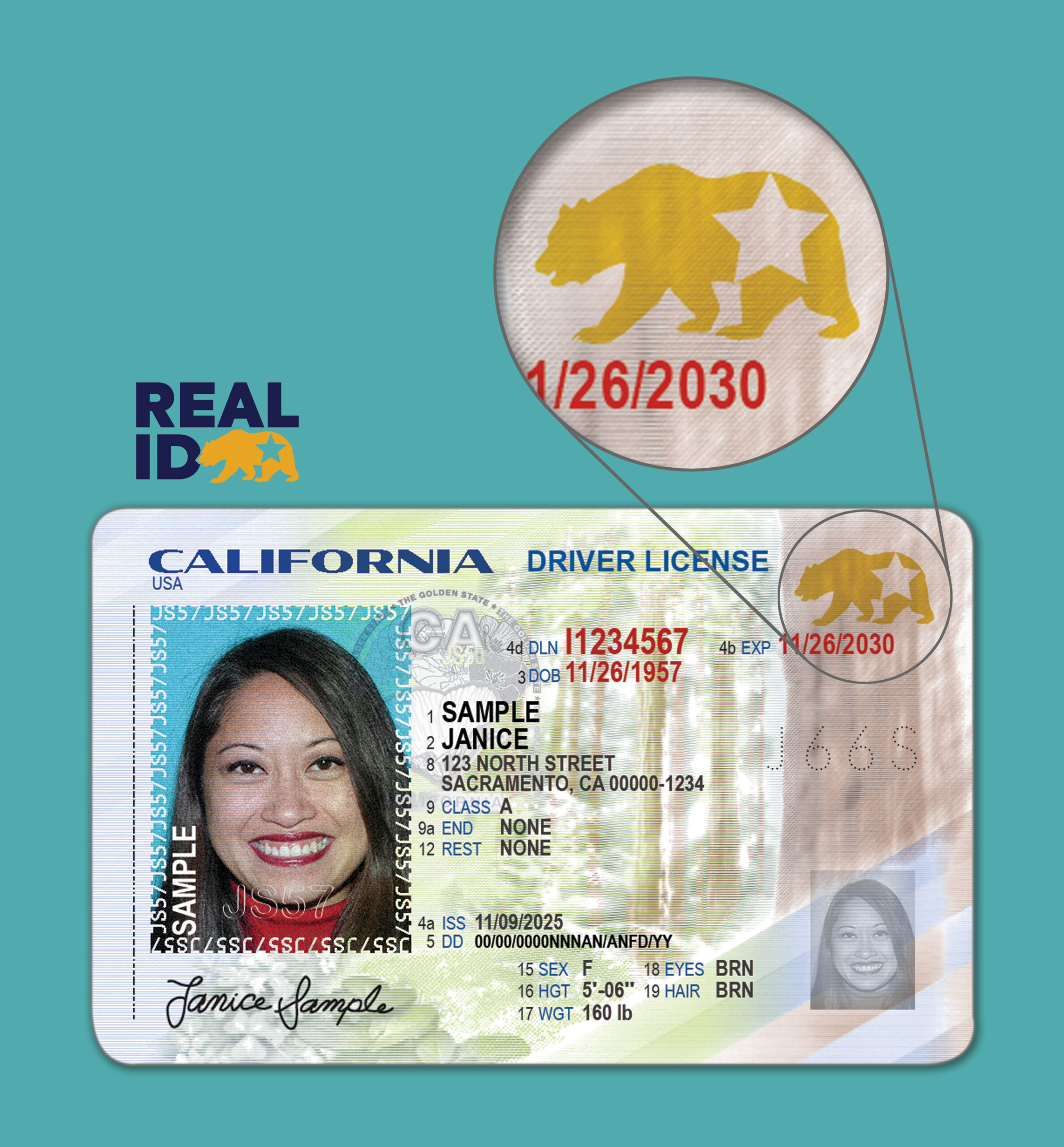
A California ID card is more than just a photo and a name; it’s a key that unlocks access to various services and activities. For instance, when booking accommodation or checking into a charming boutique hotel in Napa Valley, you’ll likely be asked for it. It’s also essential for many experiences, from renting a car to, eventually, boarding domestic flights. This guide will walk you through the fundamental requirements for obtaining this vital document, ensuring your travel plans remain uninterrupted and your exploration of California‘s myriad attractions – from the majestic Yosemite National Park to the bustling streets of Los Angeles – proceeds without a hitch.
Understanding the California Identification Requirements
Securing a California ID card, especially one that complies with federal standards (REAL ID), involves presenting specific documentation to prove your identity, date of birth, social security number, and residency within the state. The California Department of Motor Vehicles (DMV) is the issuing authority, and while their website provides comprehensive details, breaking down the essentials can be helpful for anyone planning their visit or relocation. This is particularly relevant for those immersing themselves in local culture, seeking out unique experiences, or planning extended stays.
Proving Your Identity and Date of Birth
The first hurdle in obtaining your California ID card is to establish your identity and confirm your date of birth. The California DMV accepts a variety of original or certified documents for this purpose. These are typically documents issued by a government agency that contain your full legal name and date of birth.
- Primary Identification Documents:
- A certified copy of your birth certificate issued by a U.S. state, territory, or the District of Columbia. If your birth certificate is from outside the U.S., you may need additional documentation.
- A U.S. Passport or Passport Card, which are excellent for proving both identity and citizenship.
- A foreign passport with a valid I-94 form and an approved I-551 stamp, or other immigration documents.
- A Consular Report of Birth Abroad.
- For individuals adopted after January 1, 1977, a certified copy of the adoption decree.
These documents are the cornerstone of your application. Without them, proceeding to the next steps will be impossible. For many international visitors who might be exploring California‘s stunning coastlines or planning to visit Disneyland, having a valid U.S. Passport is often the most straightforward primary identification.
Verifying Your Social Security Number (SSN)
Proving your Social Security number is another critical component of the application process. The California DMV requires a document that clearly displays your full Social Security number.
- Social Security Number Documents:
- A Social Security card.
- A W-2 form.
- A SSA-1099 form.
- A non-SSA-1099 form.
- A pay stub with your name and full SSN.
It’s important to note that the California DMV will not accept documents where the Social Security number has been altered or erased. This verification step helps prevent identity fraud and ensures that your identification is properly registered. For those working or studying in California, having your W-2 or pay stubs readily available can streamline this requirement, especially if you’re considering a longer-term business stay or integrating into the local lifestyle.
Establishing California Residency
Demonstrating that you are a resident of California is the final major documentation requirement. You will need to provide two separate documents, each from a different source, that show your California address. These documents should be recent, typically dated within the last 60 to 90 days, though some exceptions apply.
- Examples of Residency Documents:
- Utility bills (electricity, gas, water, landline phone, cable TV).
- Rental or lease agreements, or a receipt for rent payment.
- Mortgage statements.
- Homeowner’s insurance policy or homeowner’s bill.
- Vehicle registration or title.
- Bank statements.
- Medical documents.
- Employment documents, such as a letter from your employer.
- School documents, such as transcripts or enrollment records.
- Court orders.
For travelers planning a prolonged stay, perhaps in a villa in Lake Tahoe or an apartment in San Diego, establishing residency might involve utility bills or bank statements associated with your temporary address. For those considering a long-term accommodation arrangement, ensuring these documents are accessible is key. It’s worth noting that mail from government agencies, like the IRS or the California Employment Development Department, can also serve as proof of residency.
The Application Process: From Appointment to Issuance
Once you have gathered all the necessary documentation, the next step is to navigate the application process itself. This involves scheduling an appointment, completing the necessary forms, and visiting a California DMV office. Understanding this workflow can help manage expectations and make the entire experience more efficient, allowing you more time to enjoy California‘s diverse offerings, from its world-class resorts to its captivating natural beauty.
Scheduling Your Appointment and Completing the DL 44
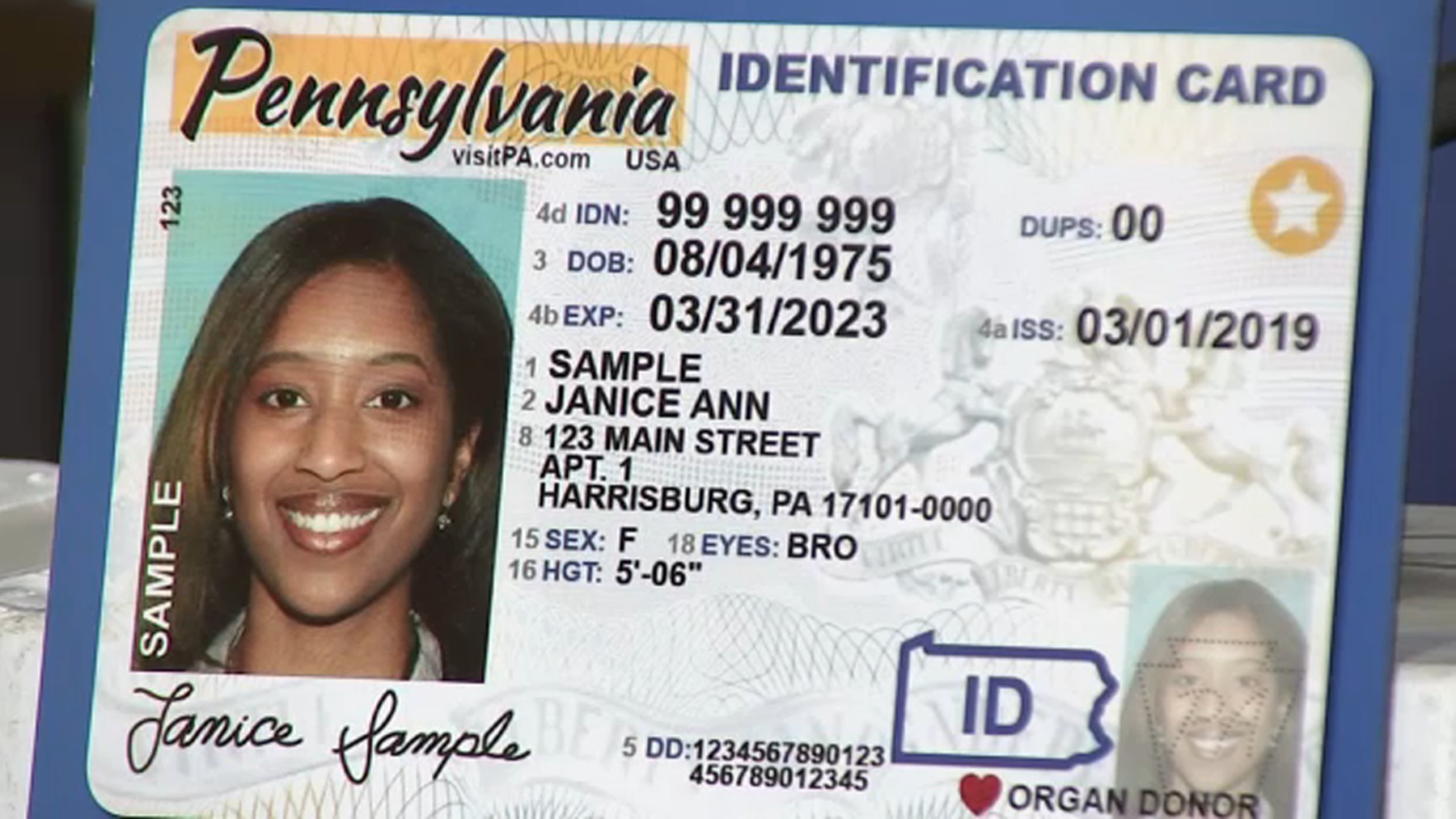
Before you visit a California DMV office, it is highly recommended to schedule an appointment online. This can save you significant waiting time. Appointments can be made through the official California DMV website.
- The Application Form (DL 44): At your appointment, you will be required to complete the Driver License or Identification Card Application form (DL 44). This form gathers all the necessary information for your ID card. You can often start filling out this form online before your appointment, which can further expedite the process.
The DL 44 requires details about your personal information, including your name, address, date of birth, and answers to questions regarding your physical condition and driving record (even if you are not applying for a driver’s license). Be prepared to answer these questions accurately and truthfully.
At the DMV Office: What to Expect
When you arrive at the California DMV for your appointment, you will typically go through a series of steps:
- Document Verification: A DMV representative will review all the documents you have brought to verify your identity, date of birth, SSN, and residency. They will ensure that all your paperwork is in order and meets the requirements for a REAL ID.
- Vision Screening: You will undergo a simple vision screening to ensure you meet the minimum vision standards.
- Photograph: Your photograph will be taken for the ID card. It’s advisable to dress appropriately, as this photo will be on your identification for several years.
- Thumbprint: A thumbprint will be captured electronically.
- Fees: You will need to pay the required application fee. The fee amount can be found on the California DMV website and is subject to change.
- Knowledge Test (If applicable): While not required for a standard ID card, if you were applying for a driver’s license and did not have one, a knowledge test would be part of the process.
The entire process at the DMV can take anywhere from an hour to a few hours, depending on the volume of visitors and the efficiency of the office. Having all your documents organized and pre-filled forms can significantly speed things up, leaving you more time to explore California‘s wonders.
Receiving Your Temporary and Permanent ID
After completing your application and passing all the necessary checks, you will be issued a temporary identification document on the spot. This temporary ID is valid for a specific period, usually 60 to 90 days, and can be used for most purposes while your permanent card is being processed.
- Mailed Permanent ID: Your permanent California ID card will be mailed to the address you provided on your application. This usually takes several weeks. It’s important to keep your mailing address updated with the DMV if you move.
Once you receive your permanent ID, you can confidently use it for various activities across California. This includes making reservations at renowned hotels like the Beverly Wilshire, A Four Seasons Hotel, exploring historical landmarks such as Alcatraz Island, enjoying the culinary scene in Los Angeles, or simply experiencing the diverse lifestyle options available throughout the state.
Maximizing Your California Experience with Your ID Card
A California ID card is an indispensable tool for fully immersing yourself in the Golden State’s rich offerings. Beyond its official capacity, it serves as a facilitator for countless enriching experiences, from the practicalities of daily life to the enjoyment of leisure and tourism. Whether you’re a seasoned traveler or embarking on your first adventure, understanding how your ID card enhances your California journey is key.
Practicalities for Travelers and Residents
For visitors staying in California for an extended period or those who have recently relocated, having a California ID card simplifies many aspects of daily life. It’s essential for opening a bank account, which can be crucial for managing finances during a longer trip or for settling into a new residence. It’s also required for many rental services, from cars to equipment, allowing for greater freedom to explore.
- Accommodation: While many hotels accept passports for check-in, a California ID can streamline the process and is often required for local amenities or loyalty programs. This is particularly true for apartments or villas you might book for longer stays.
- Transportation: Renting a car is a popular way to see California, and a valid ID is a must. It also makes purchasing public transportation passes or accessing ride-sharing services smoother.
- Access to Services: Many local services, from enrolling in recreational activities to accessing libraries, may require proof of residency, which your ID card provides.
For those who appreciate luxury travel, a California ID can ensure access to exclusive clubs or services at premium resorts. For families planning family trips, it simplifies the logistics of managing arrangements and ensuring everyone has the necessary identification.
Engaging with California’s Tourism and Culture
California is renowned for its vibrant tourism sector, diverse local culture, and an endless array of activities. Your ID card plays a role in unlocking many of these experiences.
- Attractions and Landmarks: While many attractions are open to all, some tours, special exhibits, or age-restricted venues might require identification. This is especially true for events or historical sites that offer unique experiences.
- Dining and Entertainment: Certain restaurants or bars may ask for ID to verify age. This is standard practice and ensures compliance with local regulations.
- Local Activities and Tips: Engaging with local communities often involves participating in events or workshops. Having your ID readily available can facilitate smoother interactions and access. For instance, if you’re exploring the vibrant art scene in Los Angeles or the wine country of Napa Valley, your ID ensures you can fully participate.
Ultimately, obtaining a California ID card is a practical step that empowers you to navigate the state with greater ease and confidence. It allows you to focus on what truly matters: experiencing the breathtaking landscapes, indulging in the diverse food scene, and soaking in the unique lifestyle that makes California such an extraordinary destination. From the serene beaches of Southern California to the towering redwoods of Northern California, your ID card is a key to unlocking the full spectrum of what this magnificent state has to offer.
LifeOutOfTheBox is a participant in the Amazon Services LLC Associates Program, an affiliate advertising program designed to provide a means for sites to earn advertising fees by advertising and linking to Amazon.com. Amazon, the Amazon logo, AmazonSupply, and the AmazonSupply logo are trademarks of Amazon.com, Inc. or its affiliates. As an Amazon Associate we earn affiliate commissions from qualifying purchases.