
Navigating the process of obtaining official identification can sometimes feel like deciphering a labyrinth. For residents and newcomers to the Lone Star State, understanding the requirements for a Texas ID is crucial. This guide will illuminate the path to securing your Texas identification card, ensuring a smooth and informed experience. Whether you are a new resident establishing your life in Texas, a student attending one of its many esteemed institutions, or simply need to update your credentials, this comprehensive overview will equip you with the knowledge necessary to gather the correct documentation and confidently approach the Department of Public Safety (DPS) for your Texas ID.
Understanding the Texas ID Card
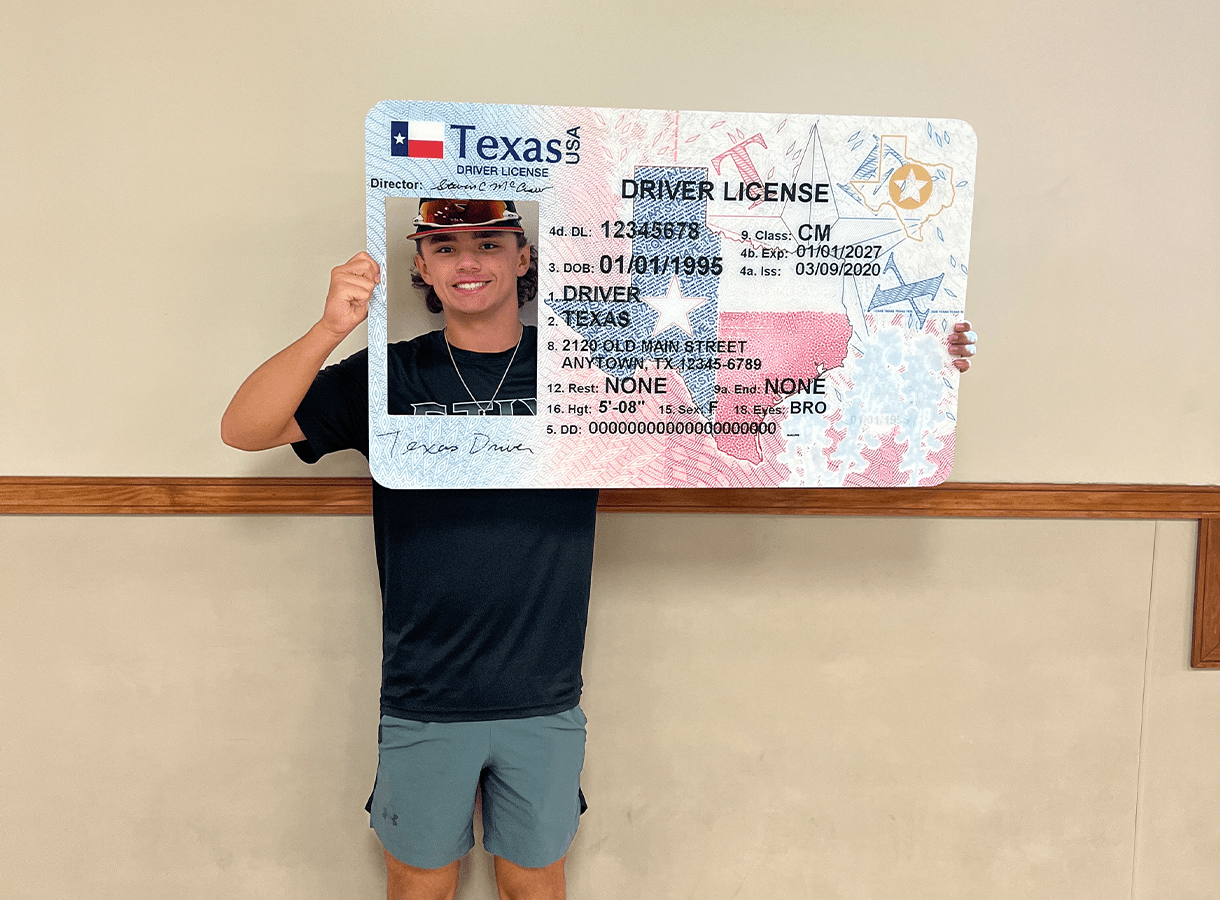
A Texas Identification Certificate, often referred to as a Texas ID, is a government-issued card that serves as proof of identity and age for individuals who do not possess a Texas driver’s license. It is a vital document for various purposes, including accessing certain services, opening bank accounts, proving residency, and generally participating in civic life within the state. Unlike a driver’s license, which is primarily for operating a motor vehicle, the Texas ID is a universal identification tool.
The Texas Department of Public Safety (DPS) oversees the issuance of these cards. It’s important to note that the requirements can be detailed, and ensuring you have all necessary documents before your visit can save you significant time and prevent a return trip. The DPS aims to provide a secure and reliable method for Texans to verify their identity, and the process is designed to be thorough.
Eligibility for a Texas ID
To be eligible for a Texas ID, you must be a resident of Texas. The state defines residency in several ways, but generally, it means you intend to make Texas your permanent home or are living in Texas for a specific purpose other than attending school. You must also be able to prove your identity, date of birth, and social security number.
Types of Texas IDs
While the primary focus is on the standard Texas ID card, the DPS also issues other forms of identification. However, for the purpose of this guide, we are focusing on the standard Texas ID, which is suitable for most individuals. It’s important to distinguish this from a driver’s license or a commercial driver’s license (CDL), each of which has its own set of requirements and purposes.
Gathering Your Essential Documents
The cornerstone of obtaining your Texas ID lies in presenting the correct documentation to the Texas Department of Public Safety. The state has a rigorous system in place to verify identity, and applicants are typically required to provide a set of documents proving three key pieces of information: identity, social security number, and Texas residency. It’s advisable to gather more documents than you think you might need, as this can prevent unexpected issues on the day of your appointment or visit.
Proof of Identity and Date of Birth
You will need to present at least one acceptable document that proves your identity and your date of birth. These documents must be original or certified copies. Common acceptable documents include:
- U.S. Birth Certificate: This must be issued by a U.S. state or territory.
- U.S. Passport: A valid, unexpired U.S. passport book or card.
- Foreign Passport: A valid, unexpired foreign passport.
- U.S. Certificate of Citizenship or Naturalization: Form N-560, N-561, N-565, N-570, or N-578.
- Consular Report of Birth Abroad: Issued by the U.S. Department of State.
- Valid Permanent Resident Card: U.S. Citizenship and Immigration Services (USCIS) Form I-551.
- Employment Authorization Document (EAD): USCIS Form I-766.
- Valid Driver’s License or ID Card from another U.S. state: Must be valid or expired no more than two years.
It is crucial that the name on this document matches the name you intend to have on your Texas ID. If there is a discrepancy due to marriage, divorce, or other legal name changes, you will need additional documentation to bridge the gap.
Proof of Social Security Number (SSN)
You must also provide proof of your Social Security number. Acceptable documents include:
- Social Security Card: The physical card issued by the Social Security Administration.
- W-2 Form: An IRS Wage and Tax Statement.
- SSA-1099 Form: A Social Security Administration form.
- Non-SSA-1099 Form: Such as a 1099-MISC, if it shows your SSN.
- Paystub: If it contains your full Social Security number.
The Social Security Administration also provides a letter stating your SSN if you have lost your card. This letter is generally acceptable. Ensure the SSN presented is your own and is valid.
Proof of Texas Residency
This is often the most complex part of the documentation process, as you need to prove you are a bona fide resident of Texas. You will typically need to provide two separate documents, each from a different source, that clearly show your Texas address. These documents must be current and not expired. Acceptable proofs of residency include:
- Utility Bills: Electric, gas, water, or internet bills in your name at your Texas address. These are very common and widely accepted.
- Lease Agreement or Mortgage Statement: A current lease agreement for your Texas residence or a recent mortgage statement.
- Bank Statement: A statement from a Texas-based financial institution showing your address.
- Texas Voter Registration Certificate: If you are registered to vote in Texas.
- Property Tax Statement: A recent property tax bill for a Texas property.
- Insurance Policy: A current homeowner’s or renter’s insurance policy.
- Mail from a Government Agency: Such as a property tax statement, court documents, or correspondence from a state agency.
- School Transcript or Report Card: For students, a recent official document from a Texas school showing your address.
Important Considerations for Residency Proof:
- Name Match: The name on your residency documents must match the name on your identity document.
- Address Accuracy: The address on these documents must be your current residential address in Texas. P.O. Boxes are generally not accepted for residency proof.
- Timeliness: Documents should be recent, typically within the last 60 to 90 days, though this can vary.
- Two Different Sources: The DPS usually requires two proofs of residency from two different sources. For example, a utility bill and a bank statement are acceptable, but two utility bills from the same provider might not be.
If you are a minor, additional documentation may be required, such as proof of relationship to a parent or guardian, and the parent/guardian may need to be present.
The Application Process: Step-by-Step
Once you have meticulously gathered all your required documents, the next step is to navigate the application process at a Texas Department of Public Safety (DPS) Driver License office. It is highly recommended to visit the official Texas Department of Public Safety website to check for the most up-to-date requirements, office locations, and hours of operation. Some offices may require appointments, so verifying this in advance is crucial to avoid a wasted trip.
Scheduling an Appointment (If Required)
Many DPS offices operate on an appointment basis to manage customer flow and reduce wait times. If your local office requires appointments, log on to the DPS website or use their designated online system to book a slot. Be prepared to select a date and time that works with your schedule. It’s wise to book in advance, especially if you have specific date constraints.
Visiting the DPS Office
On the day of your appointment or visit, arrive a little early to allow for parking and any potential queues. Make sure all your original documents and certified copies are organized and easily accessible.
- Application Form: You will likely be given or directed to a form to fill out. Ensure you complete it accurately and legibly. Some forms may be available for download on the DPS website beforehand, allowing you to pre-fill them.
- Document Verification: You will present your gathered documents to a DPS representative. They will carefully review each item to ensure it meets the state’s requirements for proof of identity, SSN, and residency. This is where having all your correct paperwork is paramount.
- Vision Screening (Optional but Recommended): Although a Texas ID is not for driving, some DPS offices may conduct a basic vision screening as part of their standard procedure for all identification applications.
- Photograph: A photograph of you will be taken. You will want to dress presentably for this, as it will appear on your official identification. Avoid hats or sunglasses unless they are for religious or medical reasons, and ensure your face is clearly visible.
- Fingerprint Scan: For some types of identification, a fingerprint scan may be required. This is part of the security measures to ensure the integrity of the identification system.
- Fee Payment: There is a fee associated with obtaining a Texas ID. The cost can vary slightly, so it’s good to check the current fee schedule on the DPS website. Payment methods usually include cash, check, or money order, and some offices may accept credit or debit cards.
Receiving Your Texas ID
After your application is processed and approved, you will typically receive a temporary paper ID on-site, which is valid for a limited time. Your permanent Texas ID card will be mailed to the address you provided on your application. This process can take a few weeks, so be patient. Once you receive your card, carefully check it for any errors in your name, address, or date of birth. If you find any mistakes, contact the DPS immediately to have them corrected.
Special Considerations and Tips for Success
Obtaining your Texas ID is a straightforward process if you are well-prepared. However, certain situations and proactive measures can make the experience even smoother. Understanding these nuances can save you time, reduce stress, and ensure you leave the DPS office with your application successfully processed.
Name Changes and Discrepancies
If your current legal name differs from the name on your primary identity document (e.g., due to marriage, divorce, or adoption), you must provide documentation that links the names. This typically involves presenting original or certified copies of documents such as:
- Marriage Certificate: To show a name change through marriage.
- Divorce Decree: To revert to a previous name after divorce.
- Court Order for Name Change: Documenting a legal name modification.
Each document should clearly show the progression of names, allowing the DPS to verify your identity across different records.
Minors and Parental/Guardian Consent
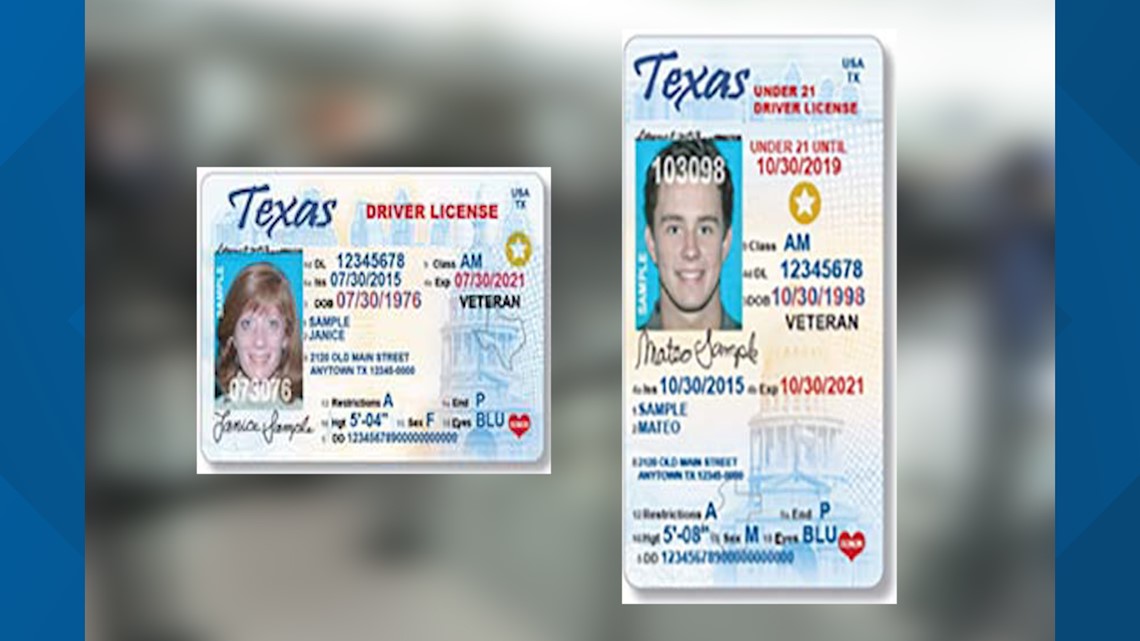
If you are applying for a Texas ID for a minor (under 18), specific rules apply. Generally, a parent or legal guardian must provide consent and be present during the application process. They will need to present their own proof of identity and show proof of their relationship to the minor (e.g., birth certificate listing them as a parent, adoption decree, court order). The minor will also need to provide their own proof of identity and SSN.
Non-U.S. Citizens
For individuals who are not U.S. citizens, the documentation requirements will differ, focusing on legal presence and authorization to be in the United States. Acceptable documents may include:
- Valid Permanent Resident Card (USCIS Form I-551)
- Employment Authorization Document (EAD) (USCIS Form I-766)
- Valid Foreign Passport with Visa and I-94 Arrival/Departure Record
- Other USCIS forms indicating lawful status.
It is essential to consult the Texas DPS website for the most precise list of acceptable documents for non-U.S. citizens, as requirements can be nuanced.

Tips for a Smooth Visit
- Check the Official Website: Always verify the latest requirements and procedures on the Texas DPS website. Requirements can change.
- Organize Your Documents: Have all your original documents and copies neatly organized before you go.
- Arrive Early: Give yourself ample time for parking and potential lines, even with an appointment.
- Be Prepared for Fees: Know the approximate cost and have the correct payment method ready.
- Dress Appropriately: For your photograph, wear something you are comfortable with and that presents you professionally.
- Be Patient: The process can take time, especially during peak hours.
- Ask Questions: If you are unsure about any requirement, don’t hesitate to ask a DPS representative.
By understanding the requirements, meticulously preparing your documentation, and following the outlined steps, you can confidently obtain your Texas ID, a fundamental document for your life in the Lone Star State.
LifeOutOfTheBox is a participant in the Amazon Services LLC Associates Program, an affiliate advertising program designed to provide a means for sites to earn advertising fees by advertising and linking to Amazon.com. Amazon, the Amazon logo, AmazonSupply, and the AmazonSupply logo are trademarks of Amazon.com, Inc. or its affiliates. As an Amazon Associate we earn affiliate commissions from qualifying purchases.