
Navigating the administrative tasks of vehicle ownership in a new state can feel like a daunting journey, akin to planning an extensive trip to an unfamiliar destination. Much like researching the best accommodations in Aspen or understanding the local culture in Denver, registering your car in Colorado requires a clear roadmap and a checklist of essential items. This guide will equip you with the knowledge needed to smoothly transition your vehicle registration process, ensuring you can fully embrace the freedom of exploring the stunning landscapes, from the majestic peaks of the Rocky Mountains to the vibrant city life.
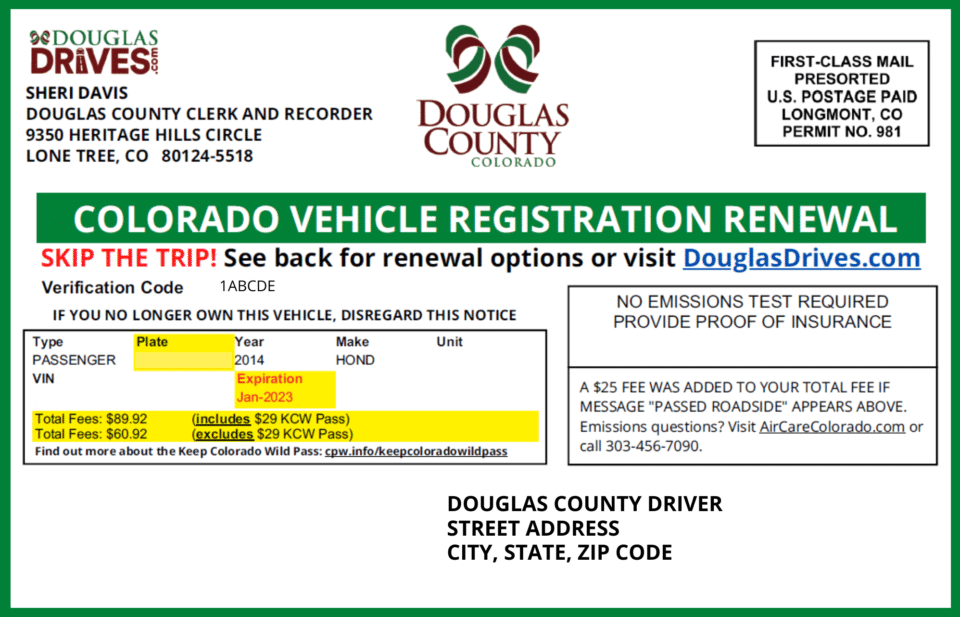
Getting Started: Your Vehicle Registration Essentials
The process of registering your car in Colorado is designed to be straightforward, but it hinges on having the correct documentation and understanding the requirements. Whether you’re a new resident who has just arrived to explore the many wonders the state has to offer, perhaps after a memorable stay at a resort in Vail or a charming villa in the Colorado Springs area, or you’ve been here for a while and need to update your vehicle’s status, the fundamental requirements remain consistent. The primary goal is to ensure your vehicle is legally registered and insured, allowing you to drive freely and safely across the state, whether you’re planning a day trip to a national park or a longer adventure through the diverse terrains.
Proof of Ownership and Identity: The Cornerstones of Registration
The first crucial step in registering your car is establishing that you are indeed the legal owner of the vehicle and that you are who you say you are. This involves presenting specific documents to the county Vehicle Identification Number (VIN) inspection station or the county motor vehicle office.
Key Documents for Vehicle Ownership
- Proof of Ownership: This is typically your vehicle’s title. The title is the most important document, serving as legal proof that you own the car. If you financed your vehicle and the lender holds the title, you will need to provide proof of loan satisfaction or work with your lienholder to obtain the necessary documentation. For leased vehicles, you will need a copy of the lease agreement.
- Bill of Sale: If you recently purchased the vehicle, a bill of sale is often required. This document details the transaction, including the names of the buyer and seller, the vehicle’s make, model, year, and VIN, and the purchase price.
- Previous Registration: If your vehicle was previously registered in another state, you’ll need to present that current or expired registration. This helps demonstrate a history of legal operation.
Valid Identification
In addition to proving ownership, you must present valid identification to confirm your identity. This typically includes:
- Driver’s License: A current and valid driver’s license issued by any state or country is usually acceptable.
- Other Forms of Identification: In some cases, other government-issued identification may be accepted, such as a state-issued ID card, passport, or military ID. It’s always a good idea to check with your local county motor vehicle office for their specific requirements.
Colorado-Specific Requirements: Emissions and Inspections
Beyond the general documentation, Colorado has specific requirements designed to ensure vehicle safety and environmental compliance. These are critical to address before you can complete your registration.
Emissions Testing
Depending on the county you reside in and the age of your vehicle, you may be required to undergo an emissions test. The Colorado Department of Public Health and Environment oversees these regulations.
- Applicable Areas: Emissions testing is generally required in the counties that are part of the Denver metropolitan area, including Denver, Adams, Arapahoe, Boulder, Douglas, and Jefferson. Some parts of El Paso County, including Colorado Springs, also require testing.
- Vehicle Age: Typically, vehicles that are older than a certain number of model years (e.g., 7 years old) may be exempt from the annual test and instead require a one-time VIN inspection and potentially a later model year exemption. However, new vehicles usually have an exemption for their first few years. Always confirm the current exemption rules with the county motor vehicle office or the relevant state agency.
- Finding a Testing Station: Numerous certified emissions testing stations are located throughout the affected counties. You can usually find a list of these stations on the state’s official website.
Vehicle Identification Number (VIN) Inspection
A VIN inspection is a mandatory step for most out-of-state vehicles being registered for the first time in Colorado. This inspection verifies the vehicle’s identity by confirming the VIN on the vehicle matches the VIN on the ownership documents.
- Purpose: The VIN inspection is a security measure to prevent the registration of stolen vehicles.
- Where to Get Inspected: These inspections are typically conducted by law enforcement officers at designated inspection stations or by licensed private inspectors. Some county sheriff’s departments and police departments offer VIN inspection services.
- Documentation: You will need to bring your proof of ownership (title) and a valid form of identification to the inspection. The inspector will then complete an official VIN inspection certificate, which you will need to submit with your registration application.
Completing the Registration Process: Fees, Insurance, and Finalizing Your Colorado Plates
Once you have gathered all the necessary ownership documents, proof of identity, and passed any required inspections, you are ready to proceed to the final stages of vehicle registration in Colorado. This involves paying the associated fees, demonstrating financial responsibility through insurance, and ultimately receiving your Colorado license plates.
Understanding Fees and Taxes
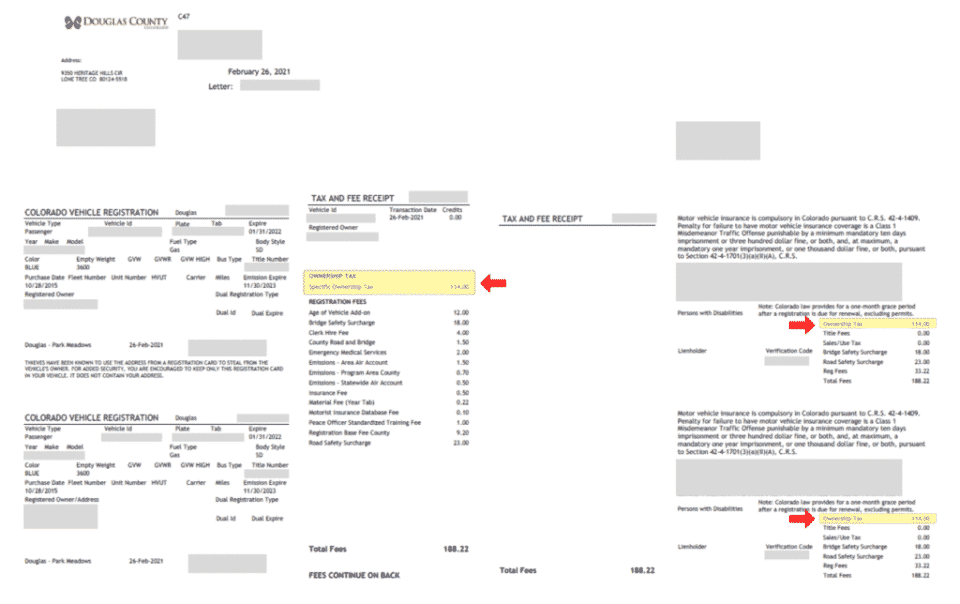
Colorado vehicle registration involves several types of fees and taxes that contribute to state and local infrastructure, transportation projects, and services. The exact amount will vary based on factors such as the vehicle’s age, weight, and the county in which you register.
- Ownership Tax: This tax is based on the actual cash value of your vehicle. For new vehicles, this is the purchase price. For used vehicles, it’s based on a depreciation schedule. The tax rate decreases as the vehicle ages.
- Annual Registration Fee: This is a standard fee charged for the privilege of operating a vehicle on Colorado roads.
- Plate Fee: A fee is charged for the issuance of your license plates.
- County-Specific Fees: Some counties may have additional fees that support local transportation initiatives.
It’s advisable to check your local county motor vehicle office’s website or contact them directly for an estimate of the total fees and taxes you can expect to pay. This can help you budget effectively, much like planning your expenses for a luxurious stay at the Ritz-Carlton or a budget-friendly adventure on a hiking trail near Boulder.
Proof of Insurance: Your Financial Responsibility
Colorado mandates that all registered vehicles carry a minimum amount of liability insurance. This is a critical component of responsible vehicle ownership and is essential for completing your registration.
- Minimum Coverage Requirements: As of current regulations, Colorado requires at least:
- $25,000 for death or bodily injury per person.
- $50,000 for death or bodily injury per accident.
- $15,000 for property damage per accident.
- Verification: You will need to present proof of current Colorado insurance at the motor vehicle office. This is typically in the form of an insurance card or a declaration page from your insurance provider. Your insurance policy must be in your name or the name of the primary driver of the vehicle.
Submitting Your Application and Receiving Your Plates
With all your documentation in order, including proof of ownership, identification, emissions certificates (if applicable), VIN inspection certificate, and proof of insurance, you can proceed to your local county motor vehicle office.
- Appointment vs. Walk-in: Some county offices recommend or require appointments to expedite the process. It’s wise to check their website or call ahead to understand their procedure. This is similar to booking ahead for popular attractions like the Garden of the Gods or ensuring your reservation at a sought-after restaurant in Telluride.
- Application Forms: You will likely need to fill out an application for title and registration.
- Receiving Your Plates and Registration: Upon successful processing of your application and payment of all fees, you will be issued your new Colorado license plates and registration documents. Make sure to affix your new plates to your vehicle promptly and keep your registration in a safe place.
By diligently following these steps, you can ensure a smooth and efficient process for registering your car in Colorado, allowing you to fully enjoy all the travel and lifestyle opportunities this beautiful state has to offer, from the bustling streets of Denver to the serene trails of the San Juan Mountains.
LifeOutOfTheBox is a participant in the Amazon Services LLC Associates Program, an affiliate advertising program designed to provide a means for sites to earn advertising fees by advertising and linking to Amazon.com. Amazon, the Amazon logo, AmazonSupply, and the AmazonSupply logo are trademarks of Amazon.com, Inc. or its affiliates. As an Amazon Associate we earn affiliate commissions from qualifying purchases.