
Embarking on a journey, whether it’s a cross-country move or an extended vacation, often involves navigating new logistical landscapes. For those planning to settle in or spend considerable time exploring the diverse beauty of California, understanding the car registration process is an essential step towards seamless travel and daily life. California, a state synonymous with iconic road trips, vibrant cities, and breathtaking natural wonders, offers unparalleled freedom to those with their own wheels. From cruising down the Pacific Coast Highway to exploring the deserts of Palm Springs or the vineyards of Napa Valley, a properly registered vehicle is your key to unlocking the Golden State’s myriad experiences. This comprehensive guide will walk you through everything you need to know, ensuring your vehicle is compliant with California Department of Motor Vehicles (DMV) regulations, allowing you to focus on the adventures that await.

Navigating California’s Roadways: Why Car Registration Matters for Travelers and New Residents
California’s allure is undeniable. It’s a premier destination for travelers seeking everything from the glitz and glamour of Hollywood in Los Angeles to the serene majesty of Yosemite National Park or the cultural vibrancy of San Francisco. Whether you’re considering a permanent move, an extended sabbatical, or simply planning to bring your vehicle for a long-term stay, understanding the nuances of car registration is paramount. It’s not just a legal requirement; it’s an assurance that your vehicle meets California’s stringent environmental and safety standards, contributing to the state’s quality of life and your peace of mind.
The Golden State Beckons: Planning Your California Adventure
For tourists and long-term visitors, the question of car registration often arises in the context of extended stays. While short-term visitors usually retain their home state’s registration, anyone planning to remain in California for more than a few months, especially if they establish residency, will need to address registration. Imagine planning an epic road trip, perhaps driving from the sun-drenched beaches of San Diego through the bustling heart of Los Angeles, up to the iconic Golden Gate Bridge in San Francisco, and then venturing inland to the towering sequoias of Sequoia National Park. A properly registered vehicle ensures this journey is smooth, legal, and worry-free. It connects directly to the travel and lifestyle aspects of exploring a destination, granting the freedom to discover hidden gems and major landmarks at your own pace.
Making California Home: Relocation Essentials
For those making California their new home, car registration is one of the foundational tasks of settling in. Moving to a new city, whether it’s the tech hub of San Jose, the artistic haven of Laguna Beach, or the historic charm of Sacramento, involves a series of administrative steps. Registering your car within the stipulated timeframe—usually 20 days after establishing residency or gainful employment—is crucial to avoid penalties. This impacts your lifestyle significantly, as a car is often essential for commuting, grocery shopping, or simply exploring your new local culture and attractions, from neighborhood eateries to nearby parks and natural beauty spots. Neglecting this step can lead to fines and complications, overshadowing the excitement of your new life in the Golden State.
The Essentials: Documents and Steps for California Car Registration
Regardless of whether you’re a new resident or purchasing a vehicle within the state, the registration process in California follows a structured path. While the specific forms and requirements might vary slightly depending on your situation, there’s a core set of documents and steps universally applicable. Being prepared with these essentials will significantly streamline your visit to the DMV or your online application, saving you time and preventing frustrating delays.
Gathering Your Core Documents
The foundation of any car registration application lies in providing clear proof of ownership and identity. You’ll need:
- Vehicle Title or Proof of Ownership: This is the most crucial document. If you have a car from another state, you’ll need its out-of-state title. If the vehicle is new or you’ve recently purchased it, you’ll need the manufacturer’s certificate of origin (MCO) or a properly endorsed title from the seller. For vehicles with a lienholder, you’ll typically provide a copy of the title or a payment history, and the DMV will often handle the request for the original title from the lienholder.
- Application for Title or Registration (Form REG 343): This form officially initiates your request. It’s available online through the California DMV website or at any DMV office.
- Odometer Reading: For most vehicles, an accurate odometer reading is required at the time of registration. This helps ensure transparency in vehicle sales and usage.
- Bill of Sale (if applicable): If you’ve purchased the vehicle recently from a private party, a bill of sale can serve as additional proof of ownership and purchase price, which is relevant for calculating sales tax.
- Identification: A valid California Driver’s License or ID card is usually sufficient. If you’re new to the state and haven’t yet obtained a California license, other forms of identification may be accepted, but it’s best to check with the DMV directly.
Emissions Testing: A California Standard
California is renowned for its commitment to environmental protection, and this is reflected in its mandatory smog check program. Most gasoline-powered vehicles manufactured in 1976 or newer, and diesel-powered vehicles manufactured in 1998 or newer with a gross vehicle weight rating of 14,000 pounds or less, are required to pass a smog inspection. This test must be conducted at a licensed smog check station.
- Who Needs a Smog Check? Generally, if you’re registering a vehicle that’s more than eight model years old (excluding motorcycles, electric, and certain older vehicles), you’ll need a smog certificate. New residents bringing an out-of-state vehicle, regardless of age, typically require a smog check.
- Exemptions: Vehicles that are six model years old or newer are usually exempt from biennial (every two years) smog checks, but not necessarily from the initial smog check required for out-of-state vehicles. Other exemptions include electric vehicles, natural gas vehicles over 14,000 lbs, and certain older vehicles (pre-1976 gasoline, pre-1998 diesel). Always verify your specific vehicle’s requirements on the official DMV website or by contacting them directly. The smog check ensures that the air quality remains pristine, benefiting residents and tourists exploring California’s natural beauty, from the coastal breezes of Santa Barbara to the crisp mountain air of Lake Tahoe.
Proof of Insurance: Drive Legally, Drive Safely
Mandatory liability insurance is a cornerstone of responsible driving in California. You must show proof of financial responsibility before your vehicle can be registered. The minimum liability coverage requirements are:
- $15,000 for injury/death to one person.
- $30,000 for injury/death to more than one person.
- $5,000 for damage to property.
You’ll need to provide your insurance policy number or a copy of your insurance card. It’s highly recommended to have your insurance in place before you even begin the registration process, as driving uninsured in California carries significant penalties. Many insurance providers offer specific policies tailored to California residents, often with additional options for roadside assistance, which can be invaluable when exploring remote areas like Death Valley National Park or the scenic routes of the Sierra Nevada.
The Registration Application Process
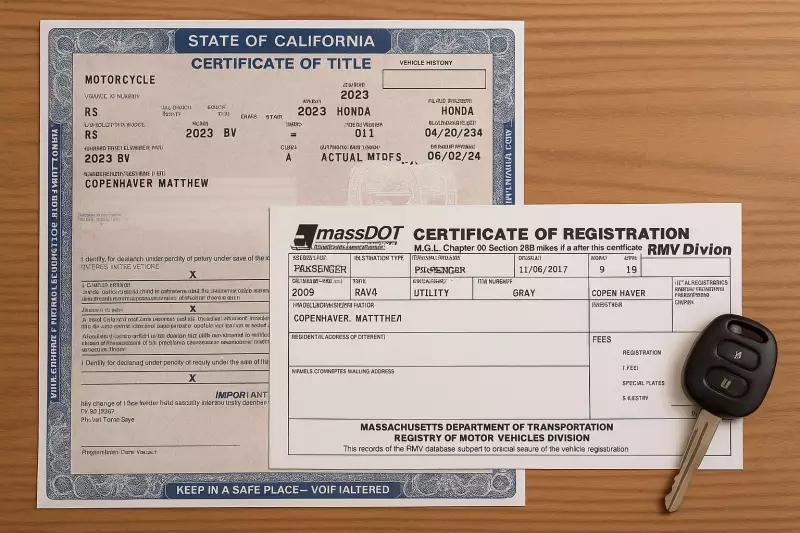
Once you have all your documents in order, you can submit your application. For new residents or those purchasing a vehicle, this often means a visit to a DMV field office. You can make an appointment online to reduce wait times, a practical tip for anyone navigating administrative tasks while managing travel or relocation logistics. During your visit, a DMV representative will review your documents, verify your identity, and process your application. You’ll pay the necessary fees, and upon successful completion, you’ll receive your new California license plates, registration card, and stickers. The DMV also offers options for limited online services, such as renewals, but initial registrations, especially for out-of-state vehicles, typically require an in-person visit.
Specific Scenarios: What to Expect
The car registration process can vary based on whether you’re bringing a vehicle from another state, purchasing one within California, or dealing with specific circumstances like outstanding fees or unique vehicle types. Understanding these distinctions will help you prepare more effectively and anticipate any additional requirements.
Registering a Vehicle from Out of State
This is a common scenario for new residents moving to California. As mentioned, you generally have 20 days from the date you establish residency or acquire employment in the state to register your out-of-state vehicle. The process usually involves:
- Smog Inspection: Unless exempt, your vehicle will need a smog check.
- Vehicle Verification: A DMV employee or an authorized verifier (e.g., licensed vehicle verifier, law enforcement officer) must visually inspect your vehicle to confirm the vehicle identification number (VIN) and engine number match your documents. This step helps prevent fraud and ensures the vehicle’s identity.
- Required Documents: The out-of-state title, proof of insurance, current odometer reading, and a completed Application for Title or Registration (Form REG 343).
- Fees: You’ll pay registration fees, potentially vehicle license fees, and any applicable sales tax if the vehicle was recently purchased and sales tax was not paid in another state or at a lesser rate.
This process is critical for anyone relocating for work or lifestyle changes, perhaps to enjoy the vibrant tech scene of Silicon Valley or the diverse cultural offerings of Oakland.
Buying a New or Used Car in California
If you’re purchasing a vehicle while already residing in California, the registration process is often integrated with the sales transaction.
- From a Licensed Dealership: When you buy a car from a licensed California dealership, they typically handle all the registration paperwork, sales tax collection, and submission to the DMV on your behalf. You’ll usually drive off with temporary tags, and your permanent license plates and registration will be mailed to you. This is generally the most straightforward way to register a vehicle.
- From a Private Party: If you buy from a private seller, you are responsible for transferring the title and registering the vehicle yourself. The seller must provide you with a signed-off title, a smog certificate (if applicable, typically issued within 90 days of the sale), and a bill of sale. You then have 10 days from the date of purchase to submit these documents to the DMV to transfer ownership and register the vehicle in your name. You’ll also be responsible for paying sales tax on the purchase price. This scenario demands more personal attention to detail but offers greater flexibility in pricing, aligning with budget travel or lifestyle choices that prioritize value.
Special Considerations: Fees, Renewals, and Exemptions
Understanding the financial aspects and ongoing requirements is vital.
- Fees: California vehicle registration fees comprise several components, including a registration fee, a vehicle license fee (which varies based on the vehicle’s value), a transportation improvement fee, and potentially county-specific fees (e.g., for air quality or congestion management). These fees contribute to maintaining the state’s extensive road networks and infrastructure, essential for everyone exploring destinations like Big Sur or the national parks system.
- Renewals: Vehicle registration must be renewed annually. The DMV typically sends a renewal notice by mail or email. Renewals can often be completed online, by mail, or in person, and may require a new smog check depending on your vehicle’s age.
- Exemptions: Certain vehicles may be exempt from specific requirements. For instance, some historic vehicles or those with very low annual mileage might have special provisions. Always check the official DMV website for the most current and accurate information regarding any potential exemptions for your specific vehicle type or situation.
Beyond the Paperwork: Enjoying Your California Drive
Once your car is officially registered in California, a whole new world of exploration opens up. The effort put into navigating the paperwork transforms into the freedom of the open road, allowing you to fully immerse yourself in the rich tapestry of experiences the Golden State has to offer.
Exploring California’s Diverse Landscapes
With your registration complete, you’re ready to hit the road and discover why California is a dream destination for travelers and residents alike. Imagine weekend getaways to the vineyards of Sonoma County, a leisurely drive through the enchanting forests of Redwood National Park, or an adrenaline-fueled adventure in the surf towns along Orange County’s coast. A registered vehicle allows for spontaneous detours to picturesque towns, hidden beaches, or majestic mountain passes. Whether it’s a luxury trip to a resort in Pebble Beach or a budget-friendly camping excursion in Joshua Tree National Park, your car is your companion. This is where the travel, tourism, and lifestyle aspects of your vehicle truly come to life, offering unparalleled access to everything from world-class dining in Beverly Hills to the tranquil hiking trails near Mammoth Lakes.
Tips for a Seamless Registration Experience
To make your registration journey as smooth as possible, keep these tips in mind:
- Plan Ahead: Don’t wait until the last minute. Gather all your documents well in advance of any deadlines.
- Utilize Online Resources: The California DMV website is a treasure trove of information. Many forms can be downloaded, and you can often start applications or make appointments online.
- Make an Appointment: For in-person DMV visits, scheduling an appointment can drastically cut down on wait times, allowing you more time to explore local attractions or relax at your chosen accommodation, be it a boutique hotel in Santa Monica or an apartment rental in San Jose.
- Double-Check Everything: Before heading to the DMV, ensure all forms are completely filled out and you have all required documents. A single missing piece of information can lead to significant delays.
- Keep Copies: Always keep copies of all submitted documents for your records.
- Stay Informed: California’s regulations can change, so periodically check the official DMV website for the most up-to-date requirements.
Registering your car in California is more than just a bureaucratic hurdle; it’s an investment in your freedom and peace of mind within one of the world’s most dynamic states. By understanding the requirements and preparing adequately, you ensure that your focus remains on experiencing the unparalleled beauty, culture, and adventure that California so generously offers. So, get your documents in order, pass that smog check, and prepare to embark on your California dream drive.
LifeOutOfTheBox is a participant in the Amazon Services LLC Associates Program, an affiliate advertising program designed to provide a means for sites to earn advertising fees by advertising and linking to Amazon.com. Amazon, the Amazon logo, AmazonSupply, and the AmazonSupply logo are trademarks of Amazon.com, Inc. or its affiliates. As an Amazon Associate we earn affiliate commissions from qualifying purchases.