
Welcome to the vibrant and breathtaking state of Colorado! Whether you’re drawn by the majestic Rocky Mountains, the bustling urban centers like Denver and Boulder, or the serene beauty of its expansive landscapes, Colorado offers an unparalleled lifestyle and endless adventure. For those planning an extended stay or making Colorado their new permanent home, understanding the essential administrative steps is crucial for a smooth transition. One of the most important tasks for any vehicle owner relocating to the Centennial State is registering their vehicle. This comprehensive guide is designed to demystify the process, ensuring you have all the necessary information and documents to register your car efficiently and legally, allowing you to fully embrace everything Colorado has to offer. Navigating the requirements of the Colorado Division of Motor Vehicles (DMV) can seem daunting, but with the right preparation, it’s a straightforward process that will get you out on the scenic roads in no time.
Understanding Colorado’s Residency and Registration Timelines
Before diving into the specifics of documentation, it’s vital to understand Colorado’s definition of residency and the timeline within which you must register your vehicle. This foundational knowledge will prevent potential penalties and ensure compliance with state law. Colorado law is quite clear regarding who needs to register their vehicle and when.
Who Needs to Register?
Any individual who establishes residency in Colorado is required to register their vehicle(s) within the state. Establishing residency generally means that you have moved to Colorado with the intent to make it your permanent home. This can be evidenced by several factors, including but not limited to, obtaining a Colorado driver’s license, gaining employment in the state, enrolling children in local schools, or leasing or purchasing property. Even if you maintain an out-of-state driver’s license, if your primary residence and daily activities are now in Colorado, you are considered a resident for vehicle registration purposes. This applies to all types of private passenger vehicles, motorcycles, trucks, and recreational vehicles. Students attending Colorado universities are generally exempt from this requirement if their permanent residence remains out-of-state and their vehicle is registered in their home state. However, it’s always wise to check with the local DMV if you are unsure about your specific situation.
When to Register Your Vehicle
Once you’ve established residency in Colorado, state law mandates that you register your vehicle within 90 days of your move. This 90-day window provides ample time to gather all necessary documents and complete the process. Failing to register your vehicle within this timeframe can result in penalties, including fines. It’s important not to confuse vehicle registration with obtaining a Colorado driver’s license, which has its own separate 30-day requirement for new residents. While you typically need a valid Colorado driver’s license to register your vehicle, you should prioritize establishing your residency and initiating both processes concurrently to avoid any issues. The clock starts ticking from the moment you move or establish residency, so proactive planning is key to a hassle-free experience.
Essential Documents for Colorado Vehicle Registration
Preparing the correct documentation is arguably the most crucial step in registering your vehicle in Colorado. A single missing or incorrect document can lead to delays and multiple trips to the DMV. Gathering these items beforehand will streamline your visit and ensure a successful registration on your first attempt.
Proof of Ownership
The primary document proving your legal right to the vehicle is its Certificate of Title. If you own your vehicle outright, you should have the physical title in your possession. For vehicles with a lien (meaning you still owe money on a loan), the lienholder (typically a bank or credit union) will hold the title. In such cases, you will need either a copy of the title or, more commonly, a letter from your lienholder stating they hold the title and authorizing you to register the vehicle in Colorado. If you’ve recently purchased the vehicle, a signed Bill of Sale may serve as temporary proof of ownership, especially if the title transfer is still pending. Ensure the Bill of Sale includes vehicle identification number (VIN), purchase price, and buyer and seller information.
Proof of Colorado Insurance
Colorado law requires all registered vehicles to have liability insurance. You must provide proof of valid Colorado automobile insurance coverage. Your insurance policy must meet the state’s minimum liability requirements, which are currently:
- $25,000 for bodily injury to one person
- $50,000 for bodily injury to two or more people
- $15,000 for property damage
Make sure your insurance card or declaration page clearly indicates that the policy is valid in Colorado and covers the specific vehicle you are registering. It’s a good idea to update your insurance policy to a Colorado address and provider as soon as you establish residency.
Identification and Proof of Residency
You’ll need to present a valid form of identification. For new residents, a valid Colorado Driver’s License or Colorado ID card is preferred. If you haven’t obtained your Colorado driver’s license yet, you may be able to use your out-of-state license along with supplementary proof of residency. Proof of Colorado residency is crucial to confirm your eligibility. Acceptable documents include:
- A utility bill (electric, gas, water) in your name with a Colorado address.
- A rental agreement or lease showing your Colorado address.
- A property tax bill or mortgage statement.
- A bank statement or credit card statement mailed to your Colorado address.
- A pay stub with your Colorado address.
Ensure these documents are recent, typically within the last 60 days.
Emissions Test Certificate
For vehicles registered in certain areas of Colorado, an Emissions Test Certificate is required. This applies to vehicles in specific counties within the Front Range region, including Adams County, Arapahoe County, Boulder County, Broomfield County, Denver County, Douglas County, and parts of Larimer County and Weld County. The test ensures your vehicle meets state air quality standards. You can get an emissions test at any state-certified Air Care Colorado testing station. The certificate is typically valid for one or two years, depending on the vehicle’s age and fuel type. Be sure to check if your specific zip code falls within the required testing area, as not all parts of these counties require emissions testing. Electric vehicles and certain older or newer vehicles are often exempt; always verify current exemptions.
The Colorado Vehicle Registration Process: A Step-by-Step Guide
Once you have all your documents in order, the actual registration process is fairly straightforward. Understanding the steps involved will help you navigate your visit to the DMV office efficiently.
Locating Your County Motor Vehicle Office
In Colorado, vehicle registration is handled at the county level, not by a centralized state DMV office. This means you will need to visit the Motor Vehicle Division office in the county where you reside. For instance, if you live in El Paso County, you’ll go to the El Paso County Motor Vehicle office. Most counties offer online appointment scheduling, which can significantly reduce your waiting time. Check your specific county’s website for office locations, hours, and appointment booking systems. Some counties, like Jefferson County, have multiple locations, so choose the one most convenient for you.
Completing Necessary Forms
Upon arrival at the county motor vehicle office, you will typically need to complete a few forms. The most common forms for new residents registering an out-of-state vehicle include:
- Application for Title and/or Registration (Form DR 2395): This is the primary form for titling and registering your vehicle. You’ll fill in details about your vehicle, yourself, and your previous registration information.
- Declaration of Gross Vehicle Weight (Form DR 2698): This form might be required for certain types of vehicles, especially commercial trucks, but is sometimes asked for private vehicles to determine appropriate fees.
- Verification of Vehicle Identification Number (VIN) (Form DR 2698A): For vehicles previously titled out-of-state, a VIN inspection is required. This inspection confirms the VIN on your vehicle matches your documents. Often, this can be done by a DMV agent at the office, a licensed Colorado law enforcement officer, or a certified inspection station. Some offices have dedicated lanes for VIN verification.
Ensure all forms are filled out accurately and completely to avoid any processing delays.
Paying Fees and Taxes
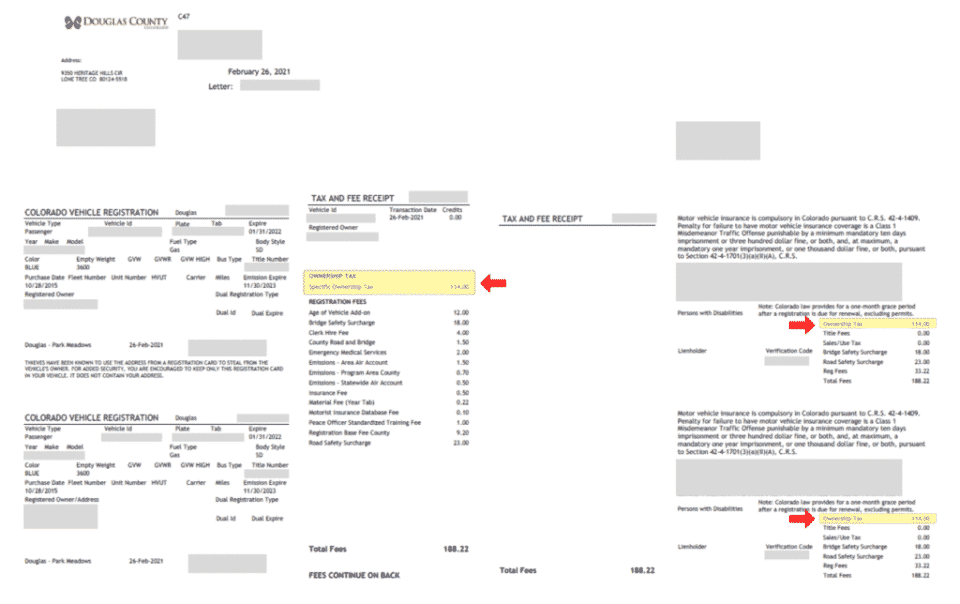
Registering your vehicle in Colorado involves several fees and taxes. These can vary based on your vehicle’s age, weight, classification, and purchase price. Key costs include:
- Registration Fees: These are annual fees based on the vehicle’s weight and age.
- Specific Ownership Tax (SOT): This is a property tax levied annually on vehicles. The amount is determined by the vehicle’s original taxable value and its age. It’s a significant portion of the total cost, especially for newer vehicles.
- License Plate Fees: For new plates issued.
- Road Safety Surcharge: A fee contributing to state road safety initiatives.
- Sales Tax: If you purchased your vehicle less than 90 days before moving to Colorado, or if it was purchased in a state with a lower sales tax rate, you might owe the difference in Colorado sales tax. This is typically collected at the time of registration.
Payment methods vary by county but generally include cash, check, and major credit/debit cards. It’s advisable to check your county’s specific payment options and bring multiple forms of payment.
Receiving Your Plates and Stickers
Once all documents are approved, forms are completed, and fees are paid, you will receive your new Colorado license plates and a registration sticker. The sticker will indicate your registration’s expiration month and year, which you must affix to your rear license plate. You are then legally permitted to drive your vehicle in Colorado. Remember to keep your new registration certificate in your vehicle, as it serves as proof of valid registration.
Special Considerations and Tips for a Smooth Process
While the general steps apply to most, certain situations may require additional attention. Being aware of these can further simplify your registration journey.
Out-of-State Vehicles with Liens
If your vehicle has a lienholder, you’ll need their cooperation. As mentioned, a copy of the out-of-state title or a letter from the lienholder is crucial. The DMV will then process the new Colorado title, which will be sent directly to your lienholder. Ensure you have their correct mailing address for this purpose. It’s a good idea to notify your lienholder in advance that you are moving to Colorado and will be re-titling the vehicle.
Leased Vehicles
Registering a leased vehicle has similar requirements, but you’ll need specific documentation from the leasing company. This typically includes:
- A power of attorney from the leasing company, authorizing you to register the vehicle on their behalf.
- A copy of the lease agreement.
- The leasing company’s master title or a letter confirming ownership and permitting registration in Colorado.
Always contact your leasing company well in advance to request these documents, as they can take time to process and mail.
Renewing Your Registration
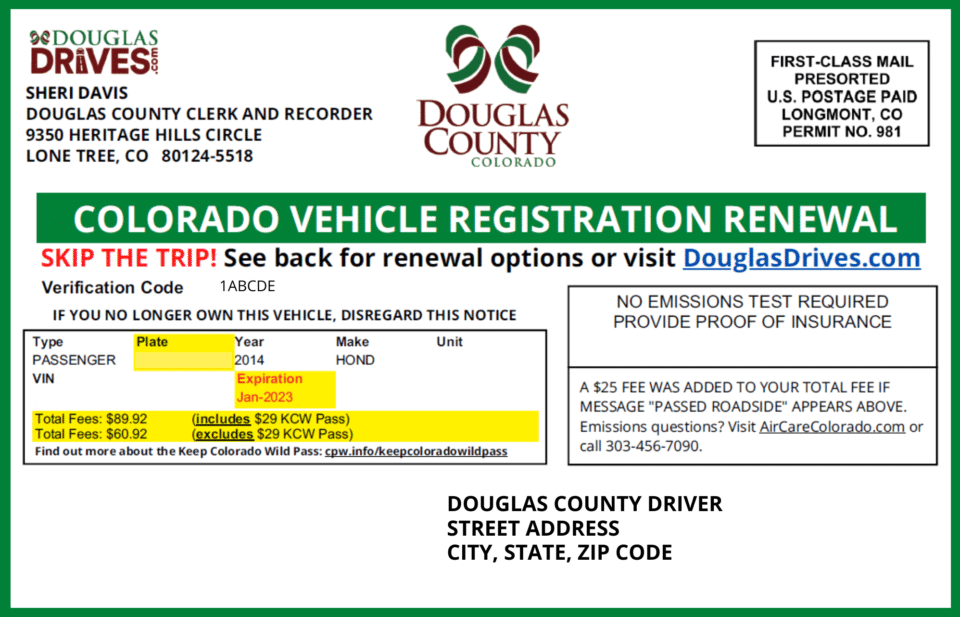
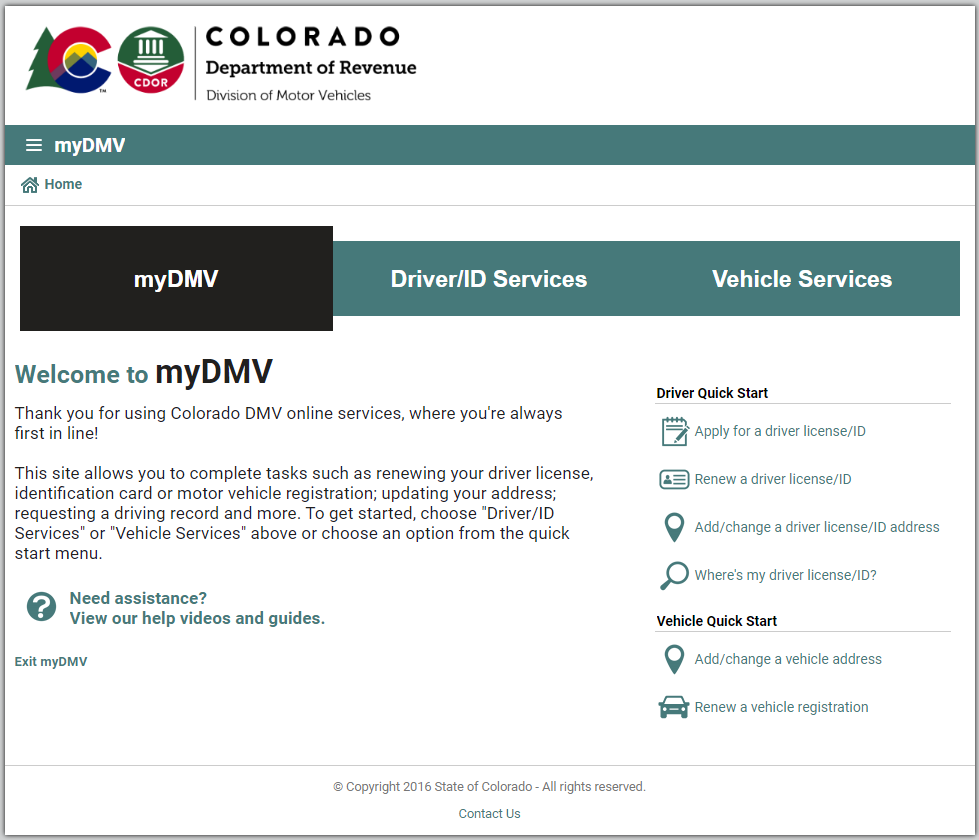
After your initial registration, you’ll need to renew your vehicle registration annually. Colorado sends renewal postcards as a courtesy, but it’s ultimately your responsibility to renew on time. You can typically renew online, by mail, or in person at your county motor vehicle office. Online renewal is often the most convenient option. You’ll need proof of current Colorado insurance and, if applicable, a current emissions test certificate for renewal.
Emissions Testing Exemptions
Not all vehicles require emissions testing. Exemptions typically include:
- New vehicles (up to four years old).
- Electric vehicles (EVs).
- Vehicles that are 1975 model year or older.
- Motorcycles.
- Certain heavy-duty vehicles.
Always verify the current exemption list on the Air Care Colorado website or with your county DMV as rules can change. If your vehicle is exempt, you won’t need an emissions certificate for registration.
Moving to a new state brings a host of exciting opportunities and a few administrative necessities. Registering your vehicle in Colorado is a fundamental step toward officially calling this beautiful state home. By meticulously preparing your documents, understanding the timelines, and knowing what to expect at your county motor vehicle office, you can navigate the process with ease. Once your vehicle is properly registered, you’ll be free to explore the scenic byways, vibrant cities, and charming towns that make Colorado such an incredible destination, knowing you’ve taken care of all the legal requirements. Embrace the adventure, and enjoy the ride!
LifeOutOfTheBox is a participant in the Amazon Services LLC Associates Program, an affiliate advertising program designed to provide a means for sites to earn advertising fees by advertising and linking to Amazon.com. Amazon, the Amazon logo, AmazonSupply, and the AmazonSupply logo are trademarks of Amazon.com, Inc. or its affiliates. As an Amazon Associate we earn affiliate commissions from qualifying purchases.