
Maintaining a vehicle in Texas is more than just owning a mode of transportation; it’s about upholding a lifestyle defined by freedom, mobility, and the ability to navigate the vast landscapes and bustling cities of the Lone Star State. Whether you’re commuting to work in Houston, embarking on a family road trip to Big Bend National Park, or simply running daily errands in Austin, a current vehicle registration is non-negotiable. Lapsed registration can disrupt your entire routine, lead to costly penalties, and even impact your ability to enjoy the very lifestyle your vehicle supports. This guide delves into the specifics of renewing your vehicle registration in Texas, ensuring you remain compliant, mobile, and ready for whatever your Texas lifestyle demands.
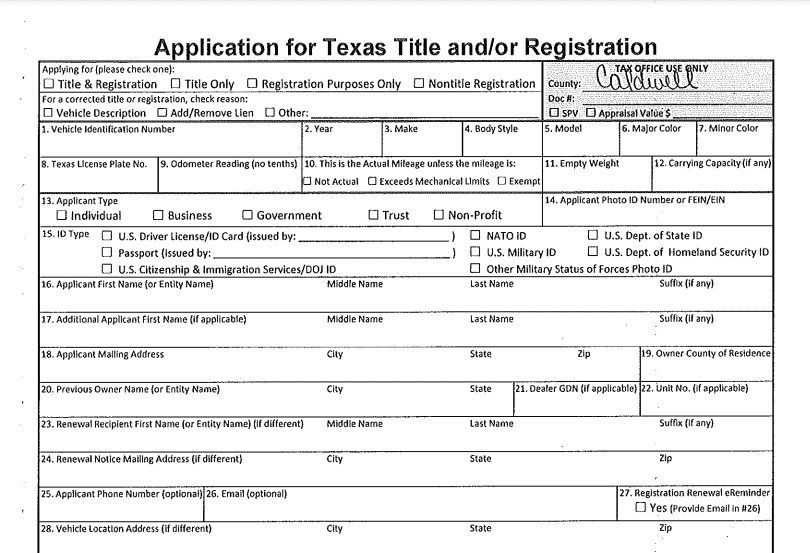
The Foundation of Texas Mobility: Why Registration Matters for Your Lifestyle
Your vehicle registration isn’t just a bureaucratic formality; it’s a fundamental aspect of responsible vehicle ownership that underpins your daily life and broader lifestyle choices. In Texas, the freedom of the open road is a cherished part of the culture, and a current registration is your ticket to that freedom. Without it, your ability to commute, travel, and even perform essential tasks is severely hampered, potentially leading to significant stress and inconvenience.
Understanding the Importance of Timely Renewal
Timely renewal of your vehicle registration is crucial for maintaining uninterrupted mobility. It signifies that your vehicle meets state requirements, including safety and emissions standards, and that you are a responsible road user. For many Texans, a vehicle is not just transport; it’s a lifeline, enabling access to work, education, healthcare, and leisure activities. A lapsed registration can bring this essential aspect of your lifestyle to a screeching halt. Consider the impact on a working professional who relies on their car for daily commutes, or a family planning a much-anticipated weekend getaway. Any disruption due to an expired registration can throw carefully laid plans into disarray, leading to missed opportunities and unnecessary complications. It’s about more than just avoiding a ticket; it’s about preserving your autonomy and the seamless flow of your everyday existence.
The Ramifications of Lapsed Registration
Ignoring your registration renewal can have far-reaching negative consequences for your lifestyle. The most immediate impact is the risk of legal penalties. Driving with an expired registration in Texas can result in fines, court costs, and additional fees, which can quickly add up and become a significant financial burden. Furthermore, law enforcement officers can impound your vehicle, leaving you stranded and incurring towing and storage fees on top of the existing penalties. This sudden loss of transportation can disrupt work schedules, make childcare arrangements difficult, and complicate personal obligations.
Beyond the legal and financial repercussions, an expired registration can also complicate insurance claims. While your insurance policy might still be active, some providers could view an unregistered vehicle as a higher risk, potentially affecting future premiums or even the processing of claims in the event of an accident. The inconvenience of not being able to legally operate your vehicle can force changes in your lifestyle, limiting your ability to participate in social events, pursue hobbies, or even perform basic errands. For those who rely on their vehicle for business travel or delivering goods, a lapse in registration can directly impact their livelihood, leading to lost income and professional difficulties. Proactive renewal is, therefore, an investment in preserving your peace of mind and maintaining control over your daily life.
Navigating the Renewal Process: Essential Steps for a Smooth Lifestyle
Renewing your vehicle registration in Texas is a straightforward process, but it requires attention to detail. By understanding the necessary steps and preparing in advance, you can ensure a smooth transition and avoid any hiccups that might disrupt your lifestyle.
Eligibility and Notification: Your First Steps
The Texas Department of Motor Vehicles (TxDMV) typically sends out renewal notices well in advance of your registration expiration date. These notices are usually mailed to the address on file, so ensuring your address is up-to-date with the TxDMV is a critical first step. The notice will contain important information, including your renewal identification number (RIN), the amount due, and a link to renew online.
Even if you don’t receive a physical notice, it’s your responsibility to renew your registration. You can check your registration status and renewal eligibility online using your license plate number and the last four digits of your vehicle identification number (VIN). Generally, you are eligible to renew within 90 days before your expiration date. Planning your renewal during this window allows ample time to address any potential issues without rushing.
Gathering Your Documents: What You’ll Need
To renew your registration, you’ll typically need a few key pieces of information and documents:
- Proof of Financial Responsibility (Auto Insurance): Texas law requires all registered vehicles to be covered by valid liability insurance. When renewing, the TxDMV will verify your insurance electronically through the TexasSure system. While you usually don’t need to present a physical copy, it’s always wise to have your current insurance card or policy information handy, especially if you plan to renew in person.
- Vehicle Inspection Report (VIR): Before you can renew your registration, your vehicle must pass an annual safety inspection. For most counties, an emissions test is also required. Upon passing, the inspection station will electronically submit the Vehicle Inspection Report (VIR) to the TxDMV. Your registration cannot be renewed until the inspection results are in the system. Ensure your inspection is current; it must have been completed within 90 days of your registration expiration or your renewal date, whichever is later.
- Current Registration Information: This includes your license plate number and, if you received one, your renewal notice with the RIN.
- Payment Method: Be prepared with a valid credit card (for online/phone renewals), check, or money order (for mail-in), or cash/card (for in-person renewals).
Ensuring all these components are in place before you begin the renewal process can prevent delays and keep your lifestyle running smoothly.
Inspection Requirements: Ensuring Your Vehicle is Road-Ready
The annual vehicle inspection is a cornerstone of Texas’s commitment to road safety and environmental protection. This two-step process includes:
- Safety Inspection: All vehicles registered in Texas must pass a safety inspection covering items such as brakes, lights, tires, steering, and mirrors. This ensures your vehicle is safe for you, your passengers, and other drivers on the road.
- Emissions Testing: Vehicles registered in specific Texas counties (currently 17 counties, including those in major metropolitan areas like Dallas-Fort Worth, Houston-Galveston-Brazoria, and Austin-Round Rock) are also required to pass an emissions test. This measure helps reduce air pollution and maintain cleaner air quality, which impacts the health and overall lifestyle of communities across the state.
You must get your inspection done at a certified inspection station. Once your vehicle passes, the station electronically updates the TxDMV system. It’s crucial to complete this step before attempting to renew your registration, as the system will not allow renewal without a current passing inspection on file.
Online, Mail, or In-Person: Choosing Your Lifestyle-Friendly Renewal Method
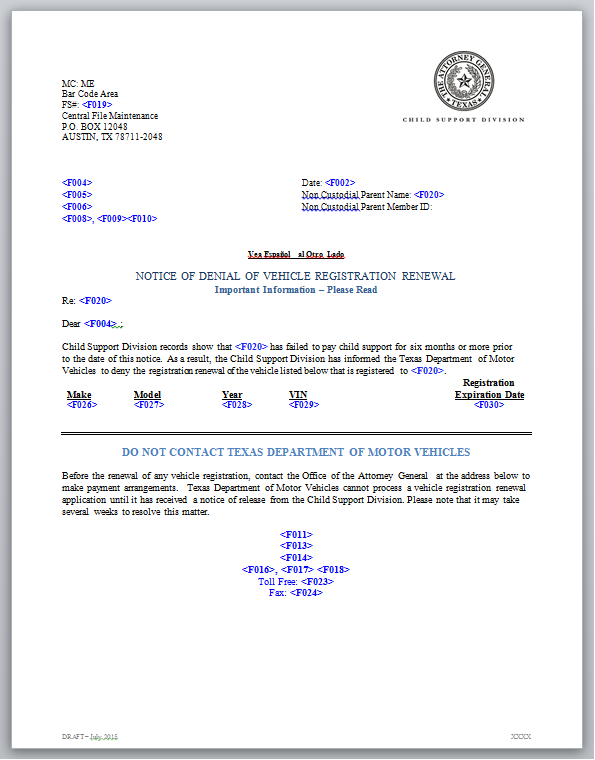
Texas offers multiple convenient options for renewing your vehicle registration, allowing you to choose the method that best fits your lifestyle and schedule.
Embracing Digital Convenience: Online Renewal
For many, the most convenient method is renewing online through the TxDMV’s official website, TxDMV.gov. This option is ideal for those with busy schedules, allowing you to complete the process from the comfort of your home or office, 24/7. To renew online, you will need your license plate number, the last four digits of your VIN, and your RIN from your renewal notice (if you have one). The system will automatically verify your insurance and inspection status. If everything is in order, you can pay your fees with a credit card, and your new registration sticker will be mailed to you within a few weeks. This digital-first approach aligns perfectly with a modern, fast-paced lifestyle, minimizing disruption and maximizing efficiency.
The Traditional Route: Mail-In Options
If you prefer a more traditional approach or don’t have immediate access to the internet, renewing by mail is still an option. Your renewal notice typically includes instructions for mail-in renewal. You’ll need to sign the notice, indicate any changes to your vehicle information (if applicable), include your check or money order for the exact amount due, and mail it to your county tax assessor-collector’s office. While this method offers flexibility for those who prefer not to use online services, it requires planning due to postal delivery times. Ensure you mail your renewal well in advance of your expiration date to avoid driving with an expired sticker.
Personal Touch: In-Person Visits
For those who prefer face-to-face interaction or need immediate assistance, renewing in person at your county tax assessor-collector’s office is a viable choice. This option can be particularly useful if you have questions, require special services, or need your new sticker immediately. Remember to bring your current registration, proof of insurance, and a valid form of identification. While this method offers personalized service, be prepared for potential wait times, especially during peak hours. Some counties may also have satellite offices or offer drive-thru services, which can be more convenient. Check your local county’s website for specific locations, hours of operation, and any unique requirements.
Costs and Considerations: Budgeting for Seamless Texas Living
Understanding the financial aspects of vehicle registration renewal is essential for effective budgeting and maintaining a stable lifestyle in Texas.
Understanding Fees and Penalties
The cost of renewing your vehicle registration in Texas comprises several components: the base registration fee, local fees (which vary by county), and potentially state fees for specific programs or vehicle types. For most standard passenger vehicles, the base fee is around $50.75, with additional local fees bringing the total to approximately $70-$80, though this can vary. These fees contribute to maintaining Texas’s extensive road network and supporting various state services.
As mentioned earlier, failing to renew on time can incur significant penalties. Driving with an expired registration can lead to fines of up to $200, plus court costs and state surcharges, potentially totaling hundreds of dollars. Furthermore, delayed renewal fees might be applied by the county tax assessor-collector’s office. Proactive budgeting for your annual registration renewal is a small price to pay to avoid these hefty and unnecessary expenses that can strain your personal finances and impact your lifestyle.
Special Circumstances and Exemptions
While the general renewal process applies to most, certain special circumstances and exemptions exist:
- New Residents: If you’ve recently moved to Texas, you generally have 30 days to register your out-of-state vehicle.
- Disabled Veterans: Certain disabled veterans may be eligible for an exemption from vehicle registration fees. Documentation of service-connected disability from the Department of Veterans Affairs is usually required.
- Antique Vehicles: Vehicles meeting specific criteria for antique status may have different registration requirements and fees.
- Farm Vehicles: Some farm vehicles might also qualify for special registration or exemptions.
If you believe you might qualify for a special circumstance or exemption, it’s best to contact your county tax assessor-collector’s office or the TxDMV directly to confirm eligibility and understand the specific documentation needed.
Beyond the Sticker: Maintaining Your Texas Lifestyle on the Road
Renewing your registration is an annual ritual that goes beyond merely slapping a new sticker on your windshield. It’s a proactive step in preserving your mobility, independence, and overall lifestyle within the great state of Texas.
Staying Compliant: The Benefits of Proactive Management
Proactive management of your vehicle’s registration is a testament to responsible living. By staying ahead of your renewal date, you ensure seamless legal operation of your vehicle, which is fundamental to a stress-free existence. This compliance not only avoids legal headaches and financial penalties but also contributes to safer roads for everyone. Knowing your vehicle is properly registered, inspected, and insured provides peace of mind, allowing you to focus on your journey rather than worrying about potential roadside stops or fines. It’s a small, yet significant, administrative task that yields substantial benefits for your daily routine and long-term plans.

Planning Ahead: Future Renewals and Travel Prep
As you complete your current renewal, consider implementing strategies for future cycles. Mark your calendar, set digital reminders, or even sign up for email notifications from the TxDMV. Integrating this annual task into your personal or family’s administrative routine ensures it doesn’t become an eleventh-hour scramble.
Furthermore, a valid registration is paramount for any travel within or beyond Texas borders. Whether planning a cross-country adventure, a business trip to a neighboring state, or a simple weekend escape, having up-to-date documentation for your vehicle is critical. It avoids unnecessary delays at checkpoints, ensures you meet the legal requirements of other jurisdictions, and protects your travel insurance coverage. By viewing vehicle registration renewal as an integral part of your comprehensive lifestyle management, you empower yourself to live freely, travel confidently, and explore all that Texas and beyond have to offer.
LifeOutOfTheBox is a participant in the Amazon Services LLC Associates Program, an affiliate advertising program designed to provide a means for sites to earn advertising fees by advertising and linking to Amazon.com. Amazon, the Amazon logo, AmazonSupply, and the AmazonSupply logo are trademarks of Amazon.com, Inc. or its affiliates. As an Amazon Associate we earn affiliate commissions from qualifying purchases.