
While planning your dream vacation to the sunshine state, envisioning pristine beaches, vibrant theme parks, and delicious local cuisine, the last thing you might want to consider is the presence of termites. However, understanding what termites look like in Florida is crucial for homeowners, property managers, and even long-term visitors concerned about the integrity of their accommodations. These tiny, often unseen pests can cause significant damage to wooden structures, turning idyllic stays into potential nightmares. This guide aims to demystify the appearance of termites common in Florida, helping you identify them and understand their impact, whether you’re enjoying a luxury resort stay or a budget-friendly family trip.
The diverse ecosystems of Florida, from its coastal regions to its lush inland forests, provide ideal habitats for various termite species. While many visitors might be focused on exploring iconic landmarks like the Everglades National Park or indulging in the vibrant nightlife of Miami, termite activity is a year-round concern for those residing in or managing properties. This article will delve into the visual characteristics of these destructive insects, focusing on the most prevalent types found in Florida, and providing insights that align with your travel and accommodation interests.
Understanding Termite Diversity in Florida
Florida is a hotspot for termite activity, primarily due to its warm, humid climate, which offers perfect breeding grounds for these social insects. Unlike the typical image of a homeowner frantically inspecting their walls, understanding termite appearances is also relevant to anyone staying in rental properties, villas, or even hotels that have wooden elements. Knowing what to look for can help in identifying potential issues early, especially if you’re considering a long-term stay or booking accommodation that emphasizes its natural surroundings.
Subterranean Termites: The Silent Destroyers
The most common and destructive type of termite in Florida is the subterranean termite. As their name suggests, these termites live in underground colonies and build mud tubes to travel between their food source (wood) and their nests. This reliance on moisture means they are particularly prevalent in areas with high humidity and access to soil.
Appearance of Subterranean Termites:
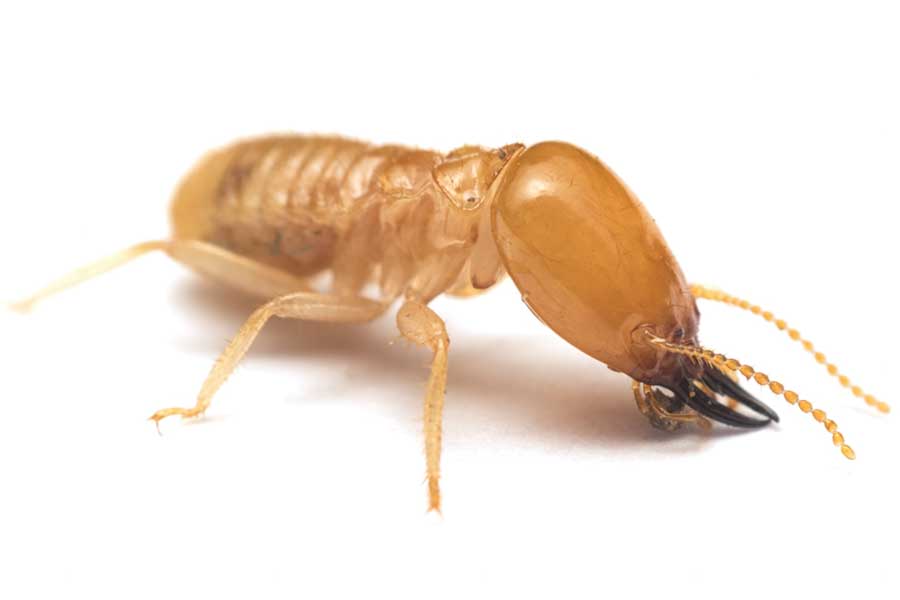
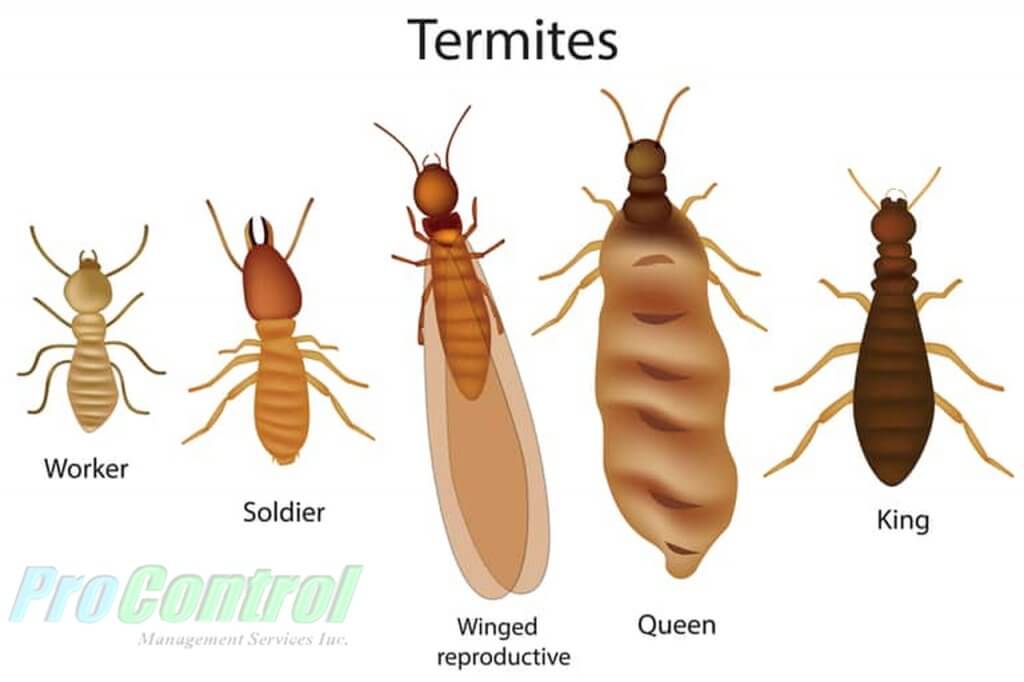
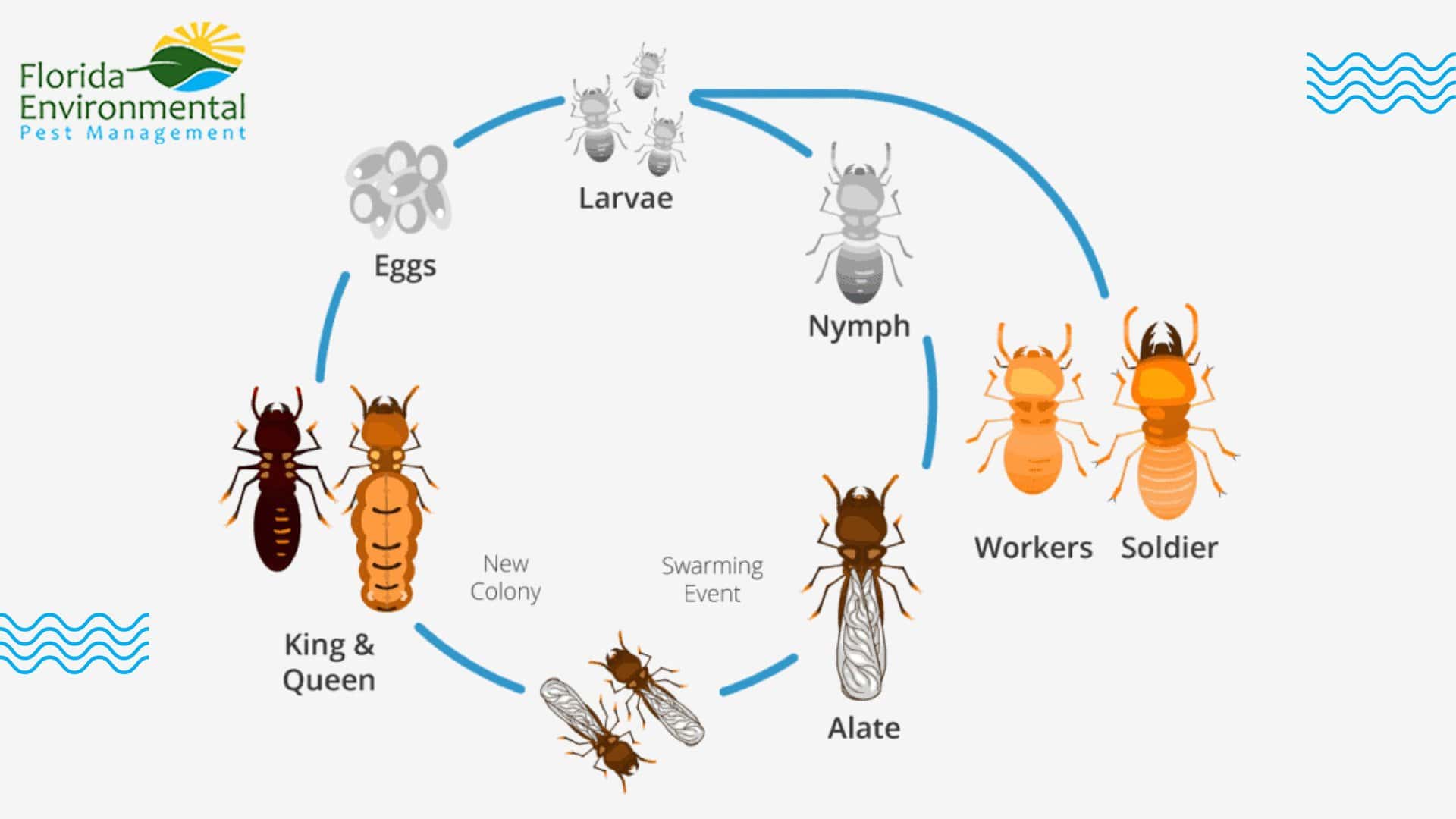
- Workers: These are the most numerous members of the colony and are responsible for foraging for food, as well as building and repairing the nest. They are typically creamy-white to light brown in color, soft-bodied, and about ¼ to ½ inch long. They are blind and avoid light. Their antennae are straight.
- Soldiers: These termites have larger heads and powerful mandibles (jaws) used for defending the colony from predators. Their bodies are similar in size to workers, but their heads are often darker and more heavily armored.
- Reproductives (Swarmers): These are the termites you are most likely to see, especially during swarming season. Swarmers are dark brown to black and have two pairs of equal-sized wings that are longer than their bodies. They emerge from the colony in large numbers to mate and establish new colonies. After their wings are shed, they are ready to mate and burrow into soil or wood to start a new nest. These “swarmers” are often mistaken for flying ants, but a key difference is their straight antennae and thick waist, whereas ants have elbowed antennae and a pinched waist.
Signs of Subterranean Termite Infestation:
Beyond seeing the termites themselves, look for:
- Mud Tubes: These pencil-sized tubes are made of soil, saliva, and feces, and are constructed on foundation walls, crawl spaces, or other structural elements. They are a sure sign that subterranean termites are active.
- Swarming Activity: Seeing winged termites or their discarded wings around windowsills, doors, or light fixtures can indicate a nearby colony.
- Damaged Wood: Termites consume wood from the inside out, so you might find hollow-sounding wood, buckling floors or ceilings, or paint that appears to be blistering.
Drywood Termites: Pests of the Tropics
Florida’s coastal regions and even some inland areas are also home to drywood termites. Unlike subterranean termites, drywood termites do not need contact with the soil to survive. They infest dry, seasoned wood, such as that found in attics, wall voids, and wooden furniture. Their colonies are typically smaller and less numerous than subterranean colonies.
Appearance of Drywood Termites:
- Workers: Similar in color to subterranean workers, but generally a bit larger, ranging from ½ to ¾ inch in length. They are creamy white with darker heads.
- Soldiers: Possess large, rectangular heads with prominent mandibles. Their color can vary from yellowish-brown to dark brown.
- Reproductives (Swarmers): These are typically reddish-brown to dark brown and have two pairs of wings that are significantly unequal in length; the front wings are much longer than the hind wings. They are also larger than subterranean swarmers.
Signs of Drywood Termite Infestation:
- Frass (Termite Droppings): This is the most distinctive sign of drywood termites. They push fecal pellets, known as frass, out of small holes in the wood. This frass resembles tiny, hexagonal-shaped grains of sand or sawdust and can accumulate in small piles beneath infested wood.
- Blistered or Sagging Wood: Similar to subterranean termites, they can weaken wood, causing it to appear blistered or sag.
- Swarming: Drywood termites also swarm, and finding shed wings can be an indicator, though the wings themselves are often more delicate and might disintegrate more readily than those of subterranean termites.
Termite Swarms: A Visual Indicator for Travelers and Residents
One of the most visible signs of termite activity in Florida is swarming. This reproductive phase is crucial for the establishment of new colonies and often occurs during specific times of the year, triggered by environmental conditions like rainfall and temperature. For those visiting popular destinations like >>thebox.com/st-augustine”>St. Augustine, understanding swarmers is key.
Identifying Swarmers: Distinguishing from Ants
During a termite swarm, reproductives emerge from established colonies with the sole purpose of finding a mate and a new location to start a new colony. These swarmers are often mistaken for flying ants. However, several key visual differences can help you distinguish between them:
Termite Swarmers:
- Antennae: Straight and bead-like.
- Waist: Thick and broad.
- Wings: Two pairs of wings of equal size. These wings are often longer than the termite’s body and are shed shortly after swarming.
Flying Ants:
- Antennae: Elbowed or bent.
- Waist: Thin and pinched.
- Wings: Two pairs of wings, but the front pair is noticeably larger than the hind pair.
If you’re staying at a resort such as the Ritz-Carlton Orlando, Grande Lakes or a charming villa rental in the Timing and Location of Swarms
Termite swarms in Florida typically occur during warmer months, often following periods of rain. Different species have slightly different peak swarming times. For instance, subterranean termites might swarm more frequently in spring and fall, while drywood termites can swarm throughout the warmer parts of the year. Witnessing a swarm doesn’t necessarily mean your immediate accommodation is severely infested, but it does indicate that a colony is active nearby. If you see swarmers inside your hotel room, a rental apartment, or even around the grounds of a resort like the Termites vs. Other Wood-Destroying Insects in Florida
Beyond termites, Florida’s environment is conducive to other wood-destroying insects that can be confused with termites. Understanding these differences is crucial for accurate identification and pest management, whether you’re a tourist marveling at the architecture of a historic Florida landmark or a resident maintaining your home. Carpenter ants are often mistaken for termites due to their similar size and habit of nesting in wood. However, they differ significantly in their behavior and physical characteristics. Appearance of Carpenter Ants: Behavioral Differences: Crucially, carpenter ants do not eat wood. Instead, they excavate galleries in wood to build their nests. They are often found in moist or decaying wood, but can also infest sound wood. They also leave behind piles of wood shavings, called “frass,” which are coarser than termite frass and may contain fragments of insulation or other debris. Powderpost beetles are another group of insects that can damage wood. They are much smaller than termites and ants. Appearance of Powderpost Beetles: Signs of Powderpost Beetle Infestation: For tourists exploring the historic charm of places like >>thebox.com/breakers-palm-beach”>Breakers Palm Beach, it’s a sign of wood decay that could indicate other issues. Whether you’re a tourist enjoying the vibrant culture of Florida, from the culinary scene in For Tourists and Short-Term Visitors:
Carpenter Ants: The Mimics
Powderpost Beetles: The Tiny Borers
Prevention and Protection for Travelers and Residents
For Long-Term Residents and Property Owners: