
New York is more than a city; it is a sensory overload, a cultural crucible, and a global beacon of ambition. Whether you are a first-time visitor navigating the grid of Manhattan or a seasoned traveler looking to peel back the layers of New York, the sheer volume of possibilities can be overwhelming. To experience the city effectively, one must balance the iconic “must-sees” with the granular, authentic pockets that define the local rhythm.
The Architectural Icons and Urban Landscapes
To understand the scale of this metropolis, one must first engage with the verticality that defines the United States. The skyline is not just a backdrop; it is a historical record of architectural evolution.

The Heights of Midtown
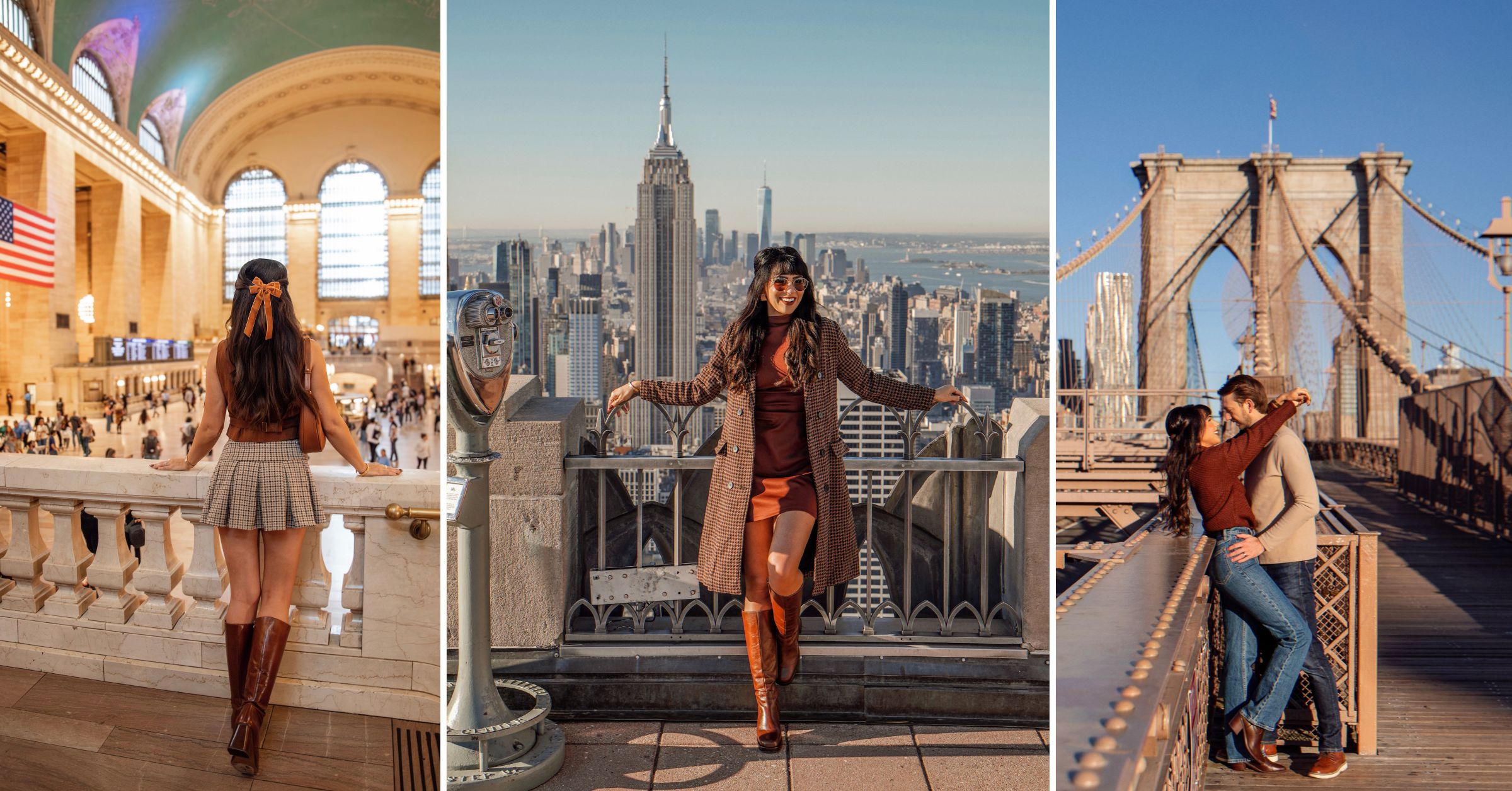
Begin your journey at the Empire State Building. While many tourists flock here for the views, the experience is best enjoyed during the “golden hour,” when the light hits the Art Deco limestone and shifts the city’s mood from industrious to cinematic. Nearby, the Rockefeller Center offers a different perspective, providing a vantage point that captures the Empire State Building itself within the frame of the city.
For those who appreciate history etched into steel, a walk through Grand Central Terminal is non-negotiable. Beyond the rush of commuters, look up at the celestial ceiling mural, a silent testament to the grandeur of the early 20th-century transit boom.
Green Oases Amidst the Concrete
The juxtaposition of nature and industry is best experienced at Central Park. Spanning 843 acres, this manicured wilderness acts as the lungs of the city. Rent a rowboat at the Loeb Boathouse or simply wander the winding paths of The Ramble to escape the relentless siren calls of the streets below. If you prefer a post-industrial landscape, the High Line provides an elevated walkway carved out of a decommissioned rail line, weaving through the modern glass towers of Chelsea.
Cultural Immersion and Institutional Art
New York’s cultural depth is anchored by institutions that have set the global standard for curation and preservation. These spaces are not merely repositories of objects but venues for public discourse and intellectual growth.
The Metropolitan Museum of Art
A day at the Metropolitan Museum of Art is an exercise in human history. From the ancient Egyptian Temple of Dendur to the vast corridors of European painting, the museum is effectively a microcosm of global civilization. To avoid fatigue, choose one specific wing to explore deeply rather than attempting to see the entire collection in a single afternoon.
Contemporary Perspectives
For a more modern aesthetic, the Museum of Modern Art offers a focused look at the 20th and 21st centuries. The sculpture garden here remains one of the most tranquil spots in Midtown Manhattan. Alternatively, the Whitney Museum of American Art, located at the southern terminus of the High Line, focuses exclusively on American artists, providing a stark, provocative look at the national identity through diverse lenses.

Navigating the Neighborhood Mosaic
The soul of New York lies in its neighborhoods. Each borough possesses a distinct dialect, culinary tradition, and social architecture. To truly “do” New York, you must venture beyond the tourist-heavy thoroughfares.
The Bohemian Roots of the Village
Greenwich Village retains a sense of its historic identity as a refuge for artists and dissidents. Winding, tree-lined streets—which purposefully defy the city’s standard grid—house some of the best jazz clubs, including Blue Note Jazz Club. Spend an evening here to feel the lingering spirit of the folk music revival and the counter-cultural movements of the 1960s.
The Energy of Brooklyn
Crossing the Brooklyn Bridge on foot provides a panoramic transition into Brooklyn. Once on the other side, the DUMBO neighborhood offers striking views of the East River and the Manhattan skyline. For a deeper dive into the borough’s character, head to Williamsburg. This area has evolved from an industrial hub into a epicenter of artisanal food, independent boutiques, and vibrant street art. It is the perfect place to observe the current cultural trends influencing the rest of the city.
Gastronomy: A Global Kitchen
New York is arguably the culinary capital of the world. The city’s history as a gateway for immigration has resulted in a dining landscape where you can traverse continents within a single city block.
The Street Food Evolution
While high-end dining is abundant, some of the most authentic flavors are found on the street. A proper New York bagel—boiled before it is baked—is best sought out in the morning from local bakeries in Queens or The Bronx. Meanwhile, the Halal Guys carts have elevated the humble street plate into a cult-like necessity for late-night city dwellers.
Iconic Establishments
For a taste of the “Old New York,” visit Katz’s Delicatessen in the Lower East Side. This institution, famous for its cured meats and sprawling, communal atmosphere, offers a glimpse into the immigrant stories that built the city. Conversely, the city’s fine-dining scene is ever-evolving. Establishments like Le Bernardin or Eleven Madison Park represent the pinnacle of service and culinary innovation, demanding months of advance planning for those who wish to secure a table.
Practical Tips for the Urban Traveler
Efficiency is the currency of the city. Understanding how to move through the metropolis will save you time and maximize your experiences.
Mastering the Transit System
The New York City Subway is the most democratic way to experience the city. It connects disparate worlds—from the high-fashion boutiques of SoHo to the diverse corridors of Jackson Heights—for a flat fee. Avoid the temptation to rely on taxis or rideshares during peak hours; the subway is almost always faster, and it provides an authentic look at the daily lives of millions.
Timing Your Visit
New York changes drastically with the seasons. Summer brings a humid, electric energy and a plethora of outdoor festivals, while winter transforms the city into a festive, albeit chilly, landscape. The shoulder seasons—late spring and early autumn—provide the most comfortable weather for walking, which is the primary mode of transportation for anyone wanting to discover the hidden architectural details, secret gardens, and off-the-beaten-path cafes that make New York the most fascinating city in the world. Whatever you do, keep your pace swift, your eyes upward, and your schedule flexible; in New York, the best discoveries are almost always the ones you didn’t plan for.
LifeOutOfTheBox is a participant in the Amazon Services LLC Associates Program, an affiliate advertising program designed to provide a means for sites to earn advertising fees by advertising and linking to Amazon.com. Amazon, the Amazon logo, AmazonSupply, and the AmazonSupply logo are trademarks of Amazon.com, Inc. or its affiliates. As an Amazon Associate we earn affiliate commissions from qualifying purchases.