
Embarking on a journey, whether across the globe or simply across the United States, often begins with ensuring your documentation is in order. For residents of California, understanding the requirements for a Real ID is no longer just a suggestion, but a crucial step for seamless domestic travel and access to federal facilities. In an era where security and identification standards are continuously evolving, the Real ID Act has reshaped how we verify our identities for essential activities. This comprehensive guide will delve into everything you need to know about obtaining your California Real ID, ensuring your future travel plans, from exploring the vibrant streets of Los Angeles to the serene landscapes of Yosemite National Park, remain uninterrupted.
The process might seem daunting at first glance, given the need to gather various documents, but with a clear understanding of the requirements and a systematic approach, it’s entirely manageable. As a hub for travel enthusiasts, hotel connoisseurs, and lifestyle explorers, we understand the importance of hassle-free experiences. A Real ID is an investment in that freedom, allowing you to focus on the joys of discovering new destinations and creating unforgettable memories, rather than worrying about airport security checkpoints or gaining entry to federal buildings. Let’s navigate the specifics, turning a potentially complex administrative task into a straightforward checklist for your next adventure.
Understanding the Real ID Mandate in California
The concept of a Real ID emerged from the Real ID Act, passed by Congress in 2005. This federal law established minimum security standards for state-issued driver’s licenses and identification cards and prohibits federal agencies from accepting for certain purposes driver’s licenses and identification cards from states that do not meet these standards. For residents of California, this means that your standard driver’s license or identification card will eventually no longer be sufficient for specific federal purposes.
What is a Real ID and Why Do You Need One?
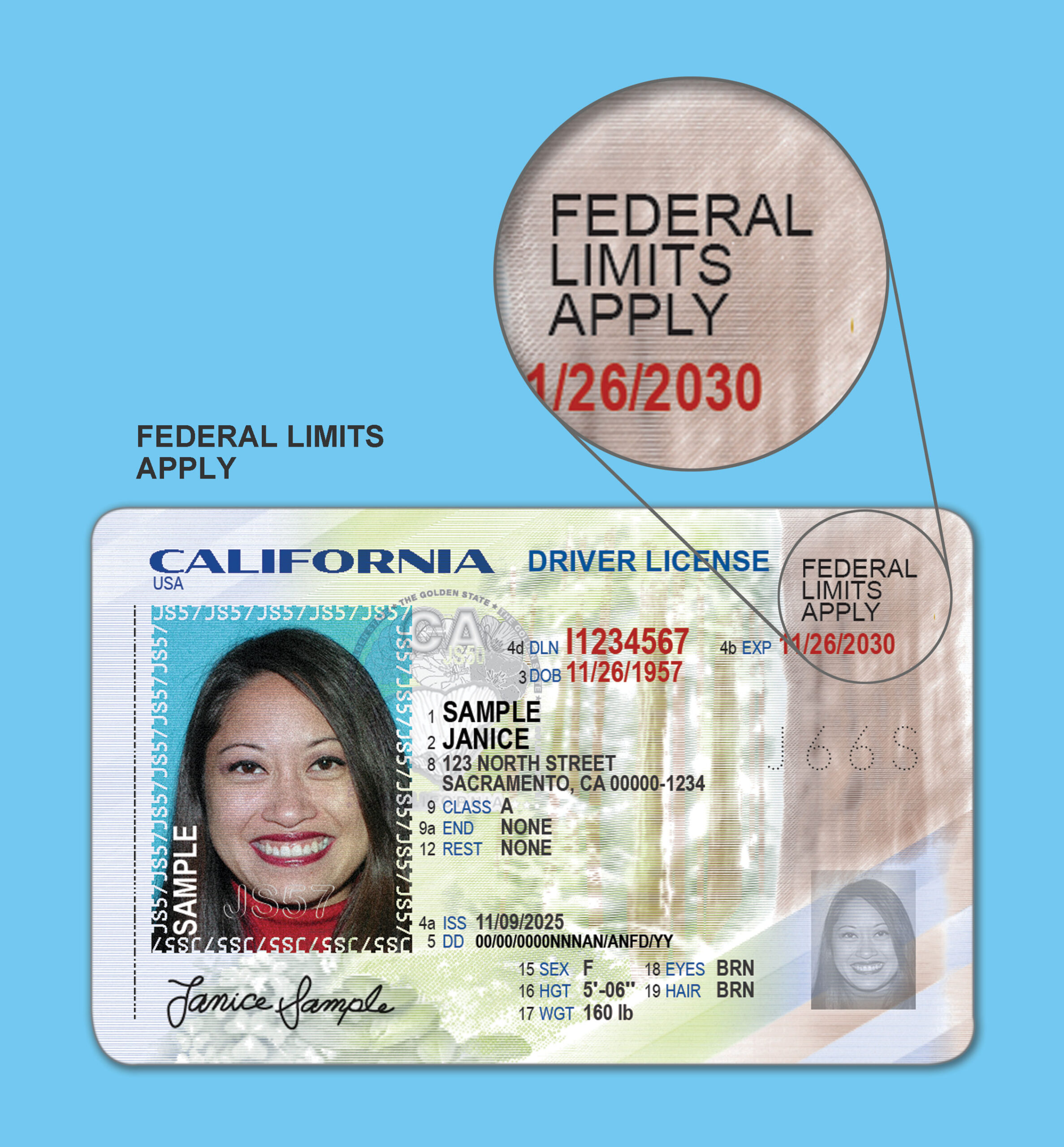
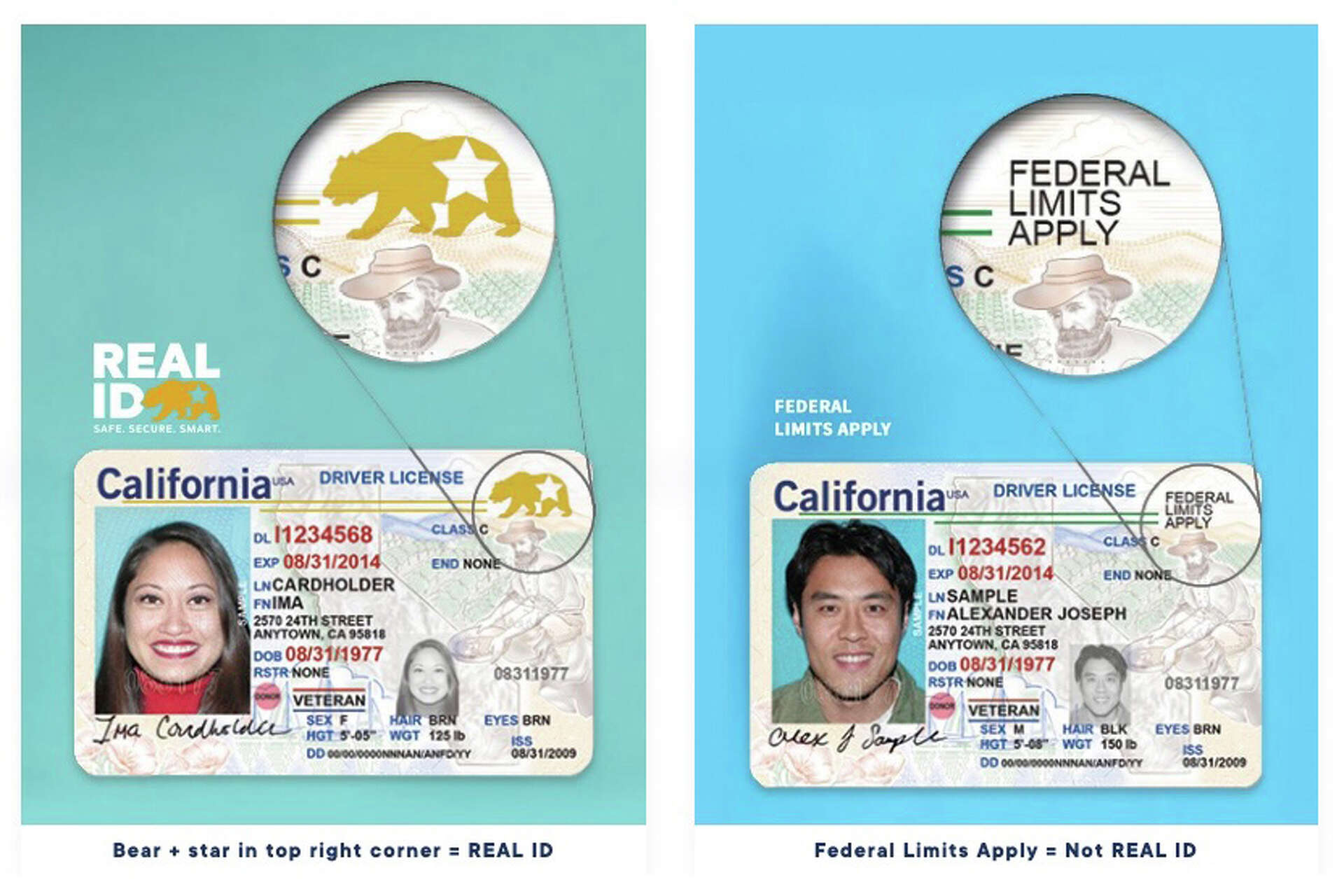
A Real ID is essentially a federally compliant driver’s license or identification card. It is distinguished from a standard California driver’s license by a specific marking – typically a gold bear with a star, or a gold star alone, in the upper right corner of the card. This designation signifies that the cardholder has provided additional documentation to verify their identity, legal status, and residency, meeting heightened security protocols set by the Department of Homeland Security.
The primary reason most people opt for a Real ID is for domestic air travel. After the enforcement deadline, an uncompliant standard driver’s license will not be accepted by the TSA for boarding commercial flights within the United States. Imagine planning a dream vacation to Disneyland, a business trip to San Francisco, or a relaxing getaway to Lake Tahoe, only to be turned away at the airport because your identification doesn’t meet federal standards. This scenario is precisely what the Real ID aims to prevent, ensuring your travel plans, whether for leisure or work, proceed without a hitch.
Beyond air travel, a Real ID is also required for entering secure federal facilities, such as military bases, federal courthouses, and other restricted government sites. While many people might not frequently visit such locations, having the proper identification provides an invaluable layer of accessibility and convenience for those who do. For the modern traveler and active citizen, the Real ID becomes a cornerstone of their personal identification toolkit, streamlining interactions with federal authorities and securing their freedom of movement.
Key Deadlines and Who It Affects
The initial enforcement deadline for the Real ID was set for October 1, 2020, but it has been extended multiple times due to various factors, including the global pandemic. As of the most recent update, the new deadline is May 7, 2025. After this date, every air traveler 18 years of age and older will need a Real ID compliant driver’s license or identification card, or another acceptable form of identification, such as a US Passport, to fly within the United States.
This mandate affects nearly all adults residing in California who plan to use a state-issued ID for domestic air travel or access to federal facilities. It’s particularly pertinent for individuals who do not possess a valid US Passport or Passport Card. While a US Passport remains the gold standard for identification both domestically and internationally, the Real ID offers a convenient alternative for those primarily traveling within the country or seeking a less cumbersome form of ID for daily federal interactions.
It’s important to note that the Real ID is not mandatory for all purposes. You can still use a non-compliant driver’s license for driving, voting, applying for federal benefits, entering federal facilities that do not require ID (like a post office), or accessing health and hospital services. However, for those keen on unhindered travel and easy access to all federal services, securing a Real ID before the deadline is a prudent decision. The proactive step ensures you’re not caught off guard, especially if an unexpected trip arises. For families planning future adventures to iconic landmarks like the Golden Gate Bridge or the historic sites around Sacramento, ensuring every adult has a Real ID means one less thing to worry about when packing bags and making itineraries.
Essential Documentation for Your California Real ID Application
Obtaining a Real ID in California requires a thorough approach to documentation. Unlike a standard driver’s license renewal, the application process for a Real ID necessitates proving your identity, legal presence, Social Security Number, and California residency with specific documents. The Department of Motor Vehicles (DMV) outlines precise requirements, and having all your paperwork in order before your appointment is paramount to a smooth application process.
Proving Your Identity: Primary Documents
This is perhaps the most critical step, as it establishes who you are. You must provide one document from the following list to verify your identity and legal presence in the United States:
- A valid, unexpired US Passport or Passport Card.
- An original or certified copy of your US Birth Certificate (issued by a state or local government).
- An unexpired Permanent Resident Card (Green Card).
- An unexpired Foreign Passport with an approved I-94 form.
- An unexpired Employment Authorization Document (EAD) or a valid I-797A (Notice of Action) or I-797B (Approval Notice).
It’s crucial that the name on your chosen identity document matches your current legal name. If there are discrepancies, you will need to provide additional documents to link those names, which we’ll discuss shortly. For those who frequently travel internationally, using your US Passport is often the easiest route, as it is already a federally compliant document. For others, an original US Birth Certificate is a common and reliable option. Remember, photocopies are generally not accepted for primary identity documents; you must present the original.
Verifying Your Social Security Number
To meet the federal requirements for a Real ID, you must also provide proof of your Social Security Number. The DMV typically requires one document for this purpose:
- Your Social Security Card (not laminated).
- A W-2 form (Wage and Tax Statement).
- A SSA-1099 form (Social Security Benefit Statement).
- A non-SSA-1099 form (for self-employment or contractor income).
- A pay stub with your name and full Social Security Number.
The name on your SSN document must match the name on your identity document. If your name has changed, ensure that the name on your Social Security Card has been updated by the Social Security Administration prior to your DMV visit. This step is critical as it validates your tax-paying status within the United States and is a cornerstone of the Real ID security standards. For travelers, especially those considering working or extending their stay in California long-term, having these financial identifiers correctly linked is an integral part of their lifestyle and accommodation planning.
Establishing California Residency
Proving you are a current resident of California is another crucial requirement. You will need to provide two different documents that show your California physical address. These documents must be original and dated within a reasonable timeframe (usually the last 2-3 months). Acceptable documents include:
- A utility bill (gas, electric, water, trash, cell phone).
- A rental or lease agreement with your signature.
- A mortgage statement.
- Bank statements.
- Insurance documents (auto, health, life).
- Medical documents.
- An employment document.
- A property tax bill.
- Records from a financial institution.
- A change of address confirmation from the US Postal Service.
The key here is variety and currency. Using two different types of documents (e.g., a utility bill and a bank statement) strengthens your proof of residency. For those who frequently move or split their time between different accommodations, ensuring you have two recent documents reflecting your current California address is vital. This also ties into the lifestyle aspect of travel – whether you’re settling into a new apartment in San Diego or finding temporary accommodation near Hollywood for an extended stay, your residential proof is essential for many administrative tasks, including obtaining a Real ID.
Addressing Name Changes
If the name on your identity document (e.g., birth certificate) does not match your current legal name, you must provide documentation to explain the name change. This is a common requirement for individuals who have married, divorced, or legally changed their name. Acceptable documents include:
- An original or certified copy of a Marriage Certificate.
- An original or certified copy of a Divorce Decree that lists your former and current names.
- Certified court documents for a legal name change.
- Adoption Documents that show the name change.
It is crucial to provide a complete chain of name changes if you have had multiple. For example, if your birth certificate has your maiden name, and you’ve married and divorced, you may need both your marriage certificate and divorce decree to link your birth name to your current legal name. This meticulous approach ensures that your Real ID accurately reflects your legal identity, preventing any future complications related to travel or official engagements. For anyone planning a destination wedding or a honeymoon that involves travel, aligning these details beforehand can save significant stress.
The Application Process: Navigating the California DMV
Once you’ve meticulously gathered all your required documents, the next step is the actual application process with the California Department of Motor Vehicles. While the DMV is often associated with long waits and bureaucratic hurdles, there are several ways to streamline your application for a Real ID and make the experience as efficient as possible. Planning ahead is the key to minimizing time and effort, leaving you more time to explore California’s myriad attractions or simply relax.
Streamlining Your Application: Online and In-Person Steps
The California DMV strongly encourages applicants to start the Real ID application process online. By visiting the official DMV website, you can fill out the electronic application form, which includes providing personal information and answering security questions. This preliminary step saves a significant amount of time during your in-person visit. Once completed, you will receive a confirmation code, which you should bring with you to your appointment.
After completing the online application, the next crucial step is to schedule an appointment at your nearest DMV office. The DMV appointment system is designed to reduce wait times, transforming what could be a half-day affair into a much more manageable visit. Walk-ins are generally discouraged for Real ID applications due to the complexity and time required for document verification. When scheduling, try to pick a time slot during off-peak hours if possible, though popular offices in cities like San Francisco or Los Angeles might have consistent demand.
On the day of your appointment, ensure you bring all original documents that you identified in the previous section. Double-check that all names match or that you have the necessary linkage documents. Being prepared with every single piece of required paperwork is the single most effective way to ensure your application is processed successfully on your first visit. A small oversight, such as forgetting a utility bill, could necessitate another trip to the DMV, delaying your Real ID and potentially impacting future travel plans.
What to Expect During Your Visit
Upon arrival at the DMV office for your scheduled Real ID appointment, you’ll typically check in using your confirmation code. You’ll then be directed to a counter where a DMV representative will meticulously review your original documents. This is where the thorough preparation pays off. The representative will verify your identity, legal presence, Social Security Number, and California residency based on the documents you provide. They will likely scan or make copies of your documents for their records.
After document verification, you will proceed to take a new photograph. Ensure you dress appropriately and are prepared for this photo, as it will be on your Real ID for several years. You will also be asked to provide a thumbprint and sign your application electronically. If you are applying for a driver’s license Real ID and are a new driver or letting your old license lapse, you might also need to take a vision test and possibly a written exam, depending on your circumstances.
Finally, you will pay the applicable fee for your Real ID card. The cost is typically the same as a standard driver’s license or identification card. Once all steps are completed, you will receive a temporary paper Real ID. Your permanent, federally compliant Real ID card will be mailed to your address within a few weeks. It’s important to keep your temporary paper ID and an alternative form of identification (like your old driver’s license or US Passport) until your permanent card arrives, especially if you plan to travel domestically during this waiting period. The entire process, with an appointment and proper documentation, generally takes less than an hour at the DMV office, freeing you up to continue with your travel planning or explore local California landmarks.
Real ID and Your Travel Lifestyle
For those who embrace a travel-rich lifestyle, whether it’s weekend getaways to San Diego Zoo, business trips to tech hubs, or extended explorations of California’s diverse landscapes, the Real ID becomes an indispensable tool. It’s more than just a piece of plastic; it’s a gateway to uninterrupted mobility and peace of mind. In an age where spontaneous trips and seamless transitions between different modes of transport are highly valued, having compliant identification simplifies much of the logistical overhead.
Seamless Domestic Travel and Federal Access
The most significant impact of the Real ID for most individuals is its role in domestic air travel. After the May 7, 2025, deadline, the TSA will require a Real ID compliant driver’s license or other acceptable forms of ID for passengers aged 18 and older to board commercial flights within the United States. This means that whether you’re flying from Oakland to Burbank, or from San Jose to Orange County, your California Real ID will be your primary accepted form of identification. This compliance streamlines the security check process, making your airport experience smoother and faster. Imagine skipping the last-minute stress of checking your ID’s validity and simply presenting your Real ID with confidence, knowing you meet federal standards.
Beyond airports, the Real ID also grants you access to secure federal facilities. While not a daily necessity for everyone, this becomes crucial for those who may need to visit military bases, federal courthouses, or other sensitive government installations. For business travelers, government contractors, or even military families, the Real ID provides the necessary credential without the need to carry a passport for domestic purposes. It integrates seamlessly into a lifestyle that may occasionally require interaction with these secure environments, making it a valuable asset for a diverse range of professionals and citizens alike. The ease of access it provides can significantly reduce administrative friction in various aspects of life, allowing you to focus on your main objectives, whether they are work-related or personal.

Beyond the Real ID: Other Valid Identification Options
While the Real ID is highly recommended for California residents who primarily use their driver’s license for identification, it’s not the only acceptable form of ID for domestic air travel or federal access. For those who travel internationally or prefer alternative credentials, several other documents are recognized by the TSA and federal agencies.
The most prominent alternative is a valid, unexpired US Passport. A US Passport serves as comprehensive proof of identity and citizenship, making it universally accepted for domestic and international flights. Many frequent travelers already carry a passport, and for them, obtaining a Real ID might not be an urgent priority if their primary use for a state ID is purely for driving. Similarly, a Passport Card is also an acceptable form of ID for domestic flights and land/sea travel to certain neighboring countries, offering a compact and convenient option.
Other acceptable forms of identification for federal purposes include:
- DHS trusted traveler cards (e.g., Global Entry, NEXUS, SENTRI, FAST).
- Permanent Resident Cards (Green Card).
- Border Crossing Cards.
- DOD Common Access Card.
- US military ID.
- Foreign government-issued passport.
- Canadian provincial driver’s license or Indian and Northern Affairs Canada card.
For the adventurous traveler who might also be exploring international destinations or seeking a luxury travel experience that involves private aviation, these alternative forms of ID offer flexibility. However, for most residents of California who rely on their driver’s license as their primary form of identification, the Real ID remains the most straightforward path to ensure compliance and avoid future travel disruptions. Whether you’re planning a stay at a boutique hotel in Napa Valley or a family trip to Universal Studios Hollywood, having your identification in order means one less thing to stress about, allowing you to fully immerse yourself in the rich experiences California has to offer.
LifeOutOfTheBox is a participant in the Amazon Services LLC Associates Program, an affiliate advertising program designed to provide a means for sites to earn advertising fees by advertising and linking to Amazon.com. Amazon, the Amazon logo, AmazonSupply, and the AmazonSupply logo are trademarks of Amazon.com, Inc. or its affiliates. As an Amazon Associate we earn affiliate commissions from qualifying purchases.