
Navigating the requirements for a Texas identification card can seem like a complex journey, especially for those new to the Lone Star State. Whether you’re a permanent resident looking to establish official identification, a student arriving for the first time, or simply someone who needs a valid photo ID for various purposes, understanding the documentation and procedures is crucial. This guide aims to demystify the process, outlining precisely what you need to secure your Texas ID, a key to unlocking many facets of daily life in the state, from opening a bank account to purchasing certain goods and services.
Understanding the Texas ID and Its Purpose
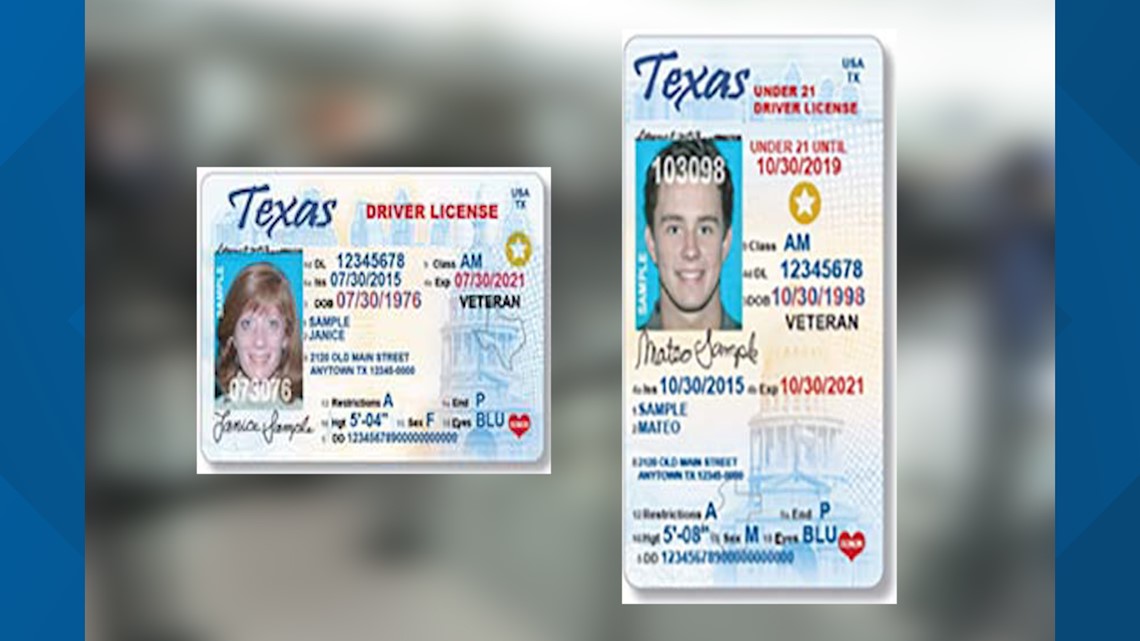
A Texas identification card, often referred to as a Texas ID or a Texas Driver License (if it includes driving privileges), is issued by the Texas Department of Public Safety (DPS). It serves as a primary form of identification for individuals who do not possess a Texas driver’s license but require a government-issued ID. This is invaluable for a multitude of activities that are commonplace in Texas, from its bustling cities like Dallas and Houston to its vast rural landscapes.
Key Uses of a Texas ID
The utility of a Texas ID extends far beyond merely proving who you are. It’s an essential document for:
- Proving Identity: This is its most fundamental role, used for verifying your identity when dealing with law enforcement, banks, or other official bodies.
- Age Verification: Essential for purchasing age-restricted items such as tobacco or alcohol, or for entering establishments with age limits.
- Accessing Services: Many government services, healthcare providers, and even some private businesses require a valid ID for registration and access.
- Travel: While not a substitute for a passport for international travel, a Texas ID is generally accepted for domestic flights within the United States and for boarding Amtrak trains.
- Voting: In many jurisdictions, a Texas ID can be used as a form of identification to cast your vote in elections, a cornerstone of civic participation in places like Austin.
- Opening Bank Accounts: Financial institutions in Texas require a valid government-issued ID to open checking or savings accounts.
- Renting Property: Landlords and property management companies often require a Texas ID to process rental applications.
- Purchasing Firearms: Federal and state laws mandate proper identification for the purchase of firearms.
- Receiving Mail: Post offices may require identification to pick up certain types of mail.
Types of Texas IDs
While the term “Texas ID” can be general, the Texas DPS issues several types of identification cards, each with specific requirements and implications:
- Texas Driver License: This is the most common form of identification and grants the holder the privilege to drive in Texas. It also serves as a standard identification card.
- Texas Identification Certificate: This is issued to individuals who do not wish to obtain a driver’s license but still need a state-issued identification card. It has no driving privileges.
- Provisional Driver License: For younger drivers, typically under 18, this license has restrictions and is a stepping stone to a full driver’s license.
- Commercial Driver License (CDL): For those operating commercial vehicles.
For the purpose of this guide, we will focus primarily on the requirements for a standard Texas Identification Certificate or a Driver License, as the core documentation is largely the same.
Essential Documentation for Your Texas ID Application
The cornerstone of obtaining a Texas ID lies in providing the correct documentation to the Texas Department of Public Safety. The DPS has established strict requirements to ensure the integrity and authenticity of issued IDs. Applicants must present original documents or certified copies. Photocopies are generally not accepted. The documentation is typically categorized into three main areas: Proof of Identity, Proof of Social Security Number, and Proof of Texas Residency.
1. Proof of Identity
To prove your identity, you need a document that clearly shows your full legal name and date of birth. The DPS accepts a variety of primary and secondary documents. It’s crucial to ensure the name on all your documents matches your current legal name. If there are discrepancies, you may need to provide additional documentation, such as a marriage certificate or court order, to explain the name change.
Primary Proof of Identity Documents:
- U.S. Birth Certificate: An original or certified copy issued by a U.S. state or territory.
- U.S. Passport: A valid, unexpired U.S. Passport book or card.
- U.S. Certificate of Citizenship or Naturalization: Original documents proving citizenship.
- Valid Permanent Resident Card (Green Card): For non-U.S. citizens residing legally in the U.S.
- Foreign Passport with Valid U.S. Visa and I-94: For non-U.S. citizens who are not permanent residents but are in the U.S. legally.
Secondary Proof of Identity Documents (if a primary document is not available or sufficient):
- Social Security Card: (See Proof of Social Security Number below)
- Marriage Certificate or Divorce Decree: If it reflects a legal name change.
- U.S. Military Identification Card:
- Foreign Birth Certificate: (May require translation and verification)
- Other government-issued identification documents that contain full name, date of birth, and photograph, such as a foreign driver’s license or national identity card.
2. Proof of Social Security Number (SSN)
If you have been issued a Social Security number, you must provide proof of it. This is a critical step in verifying your identity and preventing identity fraud.
Accepted Proof of SSN Documents:
- Social Security Card: The original card is the most common and preferred document.
- W-2 Form: Issued by an employer, showing your SSN.
- SSA-1099 Form: Issued by the Social Security Administration.
- Non-SSA-1099 Form: Such as a 1099-MISC or 1099-INT, that shows your SSN.
- Pay Stub: With your name, SSN, and employer’s name.
If you have never been issued an SSN, you will need to provide an official letter from the Social Security Administration stating that you are not eligible for an SSN.
3. Proof of Texas Residency
This category requires you to demonstrate that you live in Texas. You will typically need two different documents, each showing your name and current Texas address. These documents should be recent, usually within the last 60 to 90 days, depending on the type of document.
Accepted Proof of Texas Residency Documents:
- Utility Bills: (e.g., electricity, gas, water, internet, cable) showing your name and service address.
- Bank Statements: From a Texas-based financial institution.
- Credit Card Statements: Showing your name and Texas billing address.
- Mortgage Statement or Rental/Lease Agreement: Proof of homeownership or rental.
- Texas Voter Registration Card:
- Vehicle Registration or Title: If it shows your Texas address.
- Insurance Policies: Home, auto, or life insurance documents with your Texas address.
- Mail from Government Agencies: Such as the IRS, Texas Comptroller, or local government.
- School Transcripts or Report Cards: For students attending a Texas educational institution.
Important Note on Residency Documents: The DPS may have specific requirements for certain types of residency documents. For example, if you are living with a relative, you may need a supplemental affidavit from that relative along with their proof of residency. Always check the latest guidelines on the Texas DPS website.
The Application Process: Step-by-Step
Once you have gathered all the necessary documentation, the next step is to navigate the application process at a Texas Department of Public Safety driver license office. It’s advisable to prepare for your visit to ensure a smooth and efficient experience.
Step 1: Prepare Your Documents
Double-check that you have all original documents or certified copies required for Proof of Identity, Proof of SSN, and Proof of Texas Residency. Ensure names and addresses are consistent across all documents. If any name discrepancies exist, have supporting legal documents ready (e.g., marriage certificate).
Step 2: Complete the Application Form
You can often start the application process online through the Texas DPS website. This can save you time at the office. You will need to provide information such as your name, date of birth, address, and other personal details.
Step 3: Visit a Texas DPS Driver License Office
You are required to visit a driver license office in person to complete the application and verify your documents. You can check the Texas DPS website for office locations and to see if appointments are recommended or required for your specific service.
Step 4: Present Your Documents and Verification
At the office, a DPS representative will review your original documents to verify your identity, SSN, and residency. They will also verify your lawful presence in the United States if you are not a U.S. citizen.
Step 5: Pass Vision and Knowledge Tests (if applying for a Driver License)
If you are applying for a driver license (even an ID card with driving privileges), you will need to pass a vision test to ensure your eyesight meets the required standards. For a first-time driver’s license, you may also need to pass a written knowledge test on traffic laws and safe driving practices. An ID card alone does not require these tests.
Step 6: Have Your Photo Taken and Provide Fingerprints
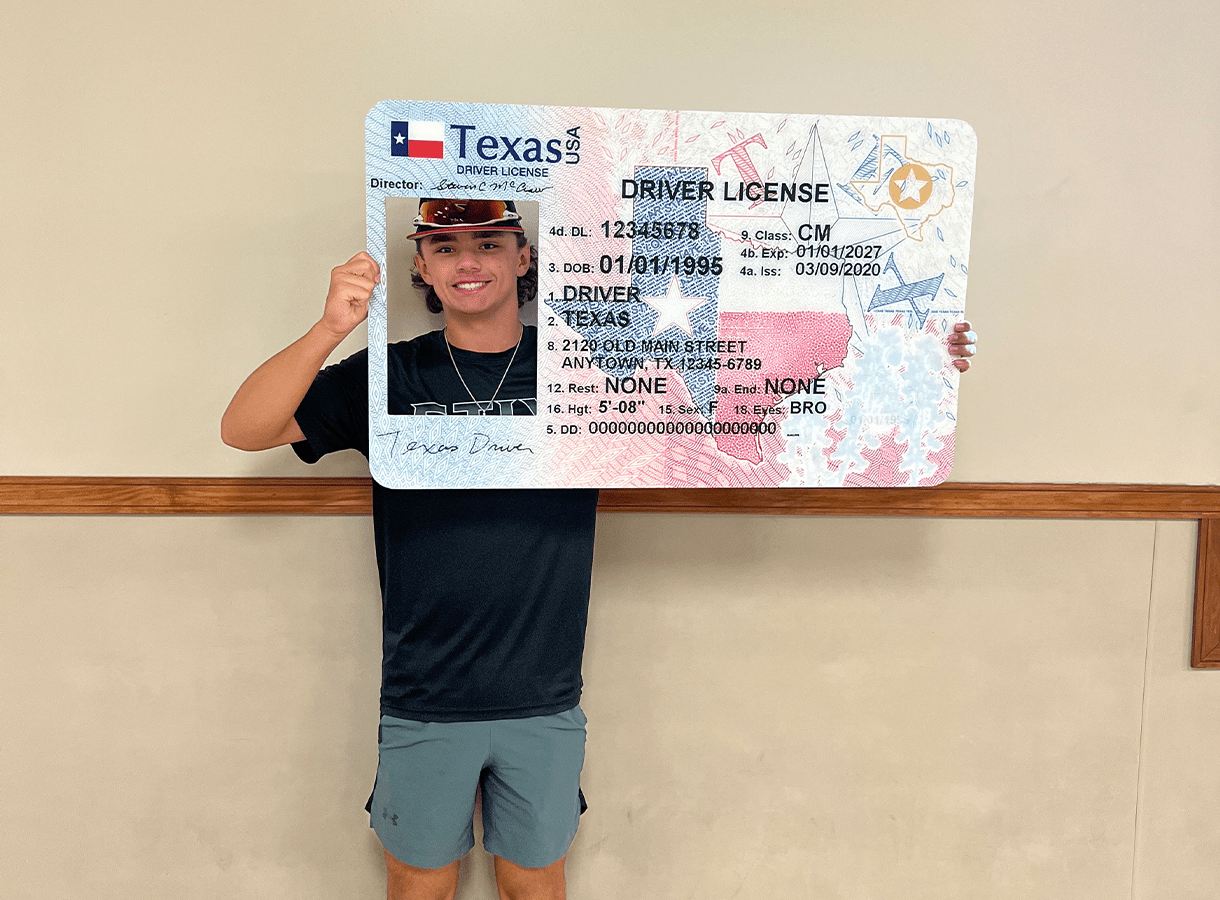
A digital photograph will be taken for your ID card. For some types of identification, including driver’s licenses, you may also be required to provide fingerprints.
Step 7: Pay the Required Fees
There is a fee associated with obtaining a Texas ID card. The amount can vary slightly depending on the type of ID and your age. Payment methods accepted typically include cash, check, money order, and credit/debit cards.
Step 8: Receive Your Temporary and Permanent ID
Upon successful completion of the process and payment, you will typically be issued a temporary paper ID that is valid for a short period. Your permanent Texas ID card will be mailed to your registered address within a few weeks.
Special Considerations for Different Applicants
While the core requirements remain consistent, certain applicants may have unique considerations when applying for a Texas ID. Understanding these nuances can prevent unexpected delays or complications.
Minors (Under 17 Years of Age)
Minors applying for a Texas ID or driver’s license face additional requirements, particularly regarding parental or guardian consent and education.
- Parental/Guardian Consent: A parent or legal guardian must typically be present to provide consent and sign the application.
- Proof of Identity and Residency: The minor will need to provide proof of identity and residency, often relying on the parent’s or guardian’s documents.
- Certificate of Completion for Driver Education Programs: For driver’s licenses, proof of completing a state-approved driver education program is mandatory. This includes the Impact Texas Teen Drivers (ITTD) program for applicants under 25.
Non-U.S. Citizens
For individuals who are not U.S. citizens, proving lawful presence in the United States is paramount.
- Valid Immigration Documents: This includes documents like a Permanent Resident Card (Green Card), Employment Authorization Document (EAD), or a valid U.S. visa accompanied by an I-94 form and passport.
- Verification Process: The Texas DPS will verify the authenticity and validity of these immigration documents with federal agencies.
- Limited-Term IDs: For individuals with temporary lawful status, the Texas ID or driver’s license may be issued with an expiration date corresponding to the expiration of their lawful presence.
Applicants with Name Changes
If your current legal name differs from the name on your primary identification document (e.g., due to marriage or divorce), you must provide a certified copy of the legal document that supports the name change. This could be a marriage certificate, divorce decree, or court order. All documents should form a clear chain of legal name progression.

Seniors and Veterans
While there are no specific documentation requirements that differ solely based on age or veteran status for a standard ID, specific programs or discounts might be available. Veterans may use their military ID or discharge papers to prove identity. For seniors, while no different ID documents are needed, the ability to prove residency with utility bills or other standard documents remains the same.
By thoroughly understanding these requirements and preparing your documents meticulously, you can ensure a straightforward and successful application process for your Texas ID, granting you access to all the conveniences and necessities that official identification provides within the great state of Texas.
LifeOutOfTheBox is a participant in the Amazon Services LLC Associates Program, an affiliate advertising program designed to provide a means for sites to earn advertising fees by advertising and linking to Amazon.com. Amazon, the Amazon logo, AmazonSupply, and the AmazonSupply logo are trademarks of Amazon.com, Inc. or its affiliates. As an Amazon Associate we earn affiliate commissions from qualifying purchases.