
Embarking on a new chapter in the Sunshine State, whether as a permanent resident or for an extended stay, often involves navigating essential administrative processes. Among the most crucial for anyone intending to drive is securing a Florida driver’s license. More than just a permit to operate a vehicle, a Florida driver’s license serves as a primary form of identification, unlocking various aspects of life, from opening bank accounts to proving age. For those embracing a lifestyle in this vibrant state, understanding the requirements and streamlining the application process is paramount. This comprehensive guide will demystify what you need, how to prepare, and what to expect when obtaining your Florida driver’s license, ensuring a smooth transition into your new driving experience.
Understanding Florida’s Driver’s License Requirements
Before gathering documents or making appointments, it’s vital to grasp the foundational requirements and understand who needs a Florida license. The rules are designed to ensure all drivers on the state’s roads are properly identified and qualified.
Who Needs a Florida License?
The distinction between a temporary visitor and a new resident is key. Generally, if you establish residency in Florida, you are required to obtain a Florida driver’s license within 30 days of becoming a resident. Establishing residency can be defined by several factors, including:
- Registering to vote in Florida.
- Filing for homestead exemption.
- Enrolling children in public school.
- Accepting employment in Florida.
- Living in Florida for more than six consecutive months.
Temporary visitors, even those staying for several months, might be able to use a valid out-of-state or international driver’s license, provided it is accompanied by an International Driving Permit (IDP) if the license is not in English. However, for anyone settling in, the Florida license is a non-negotiable step.
Types of Licenses
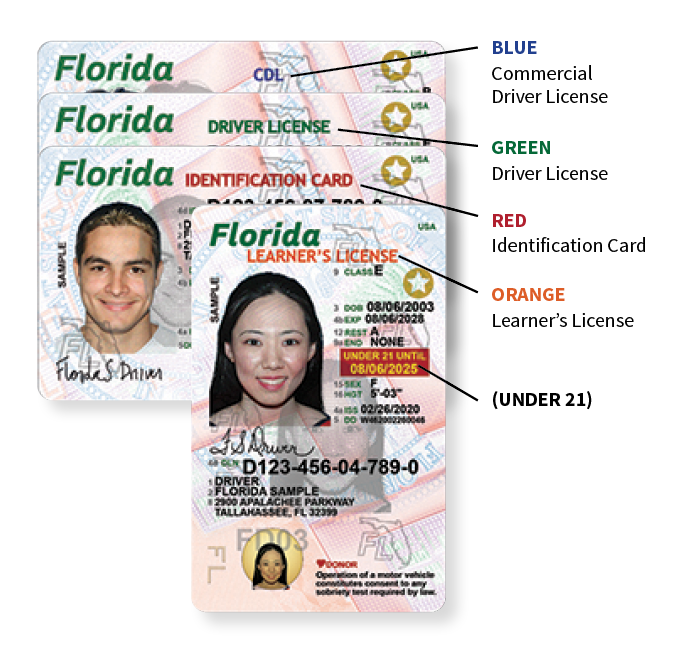
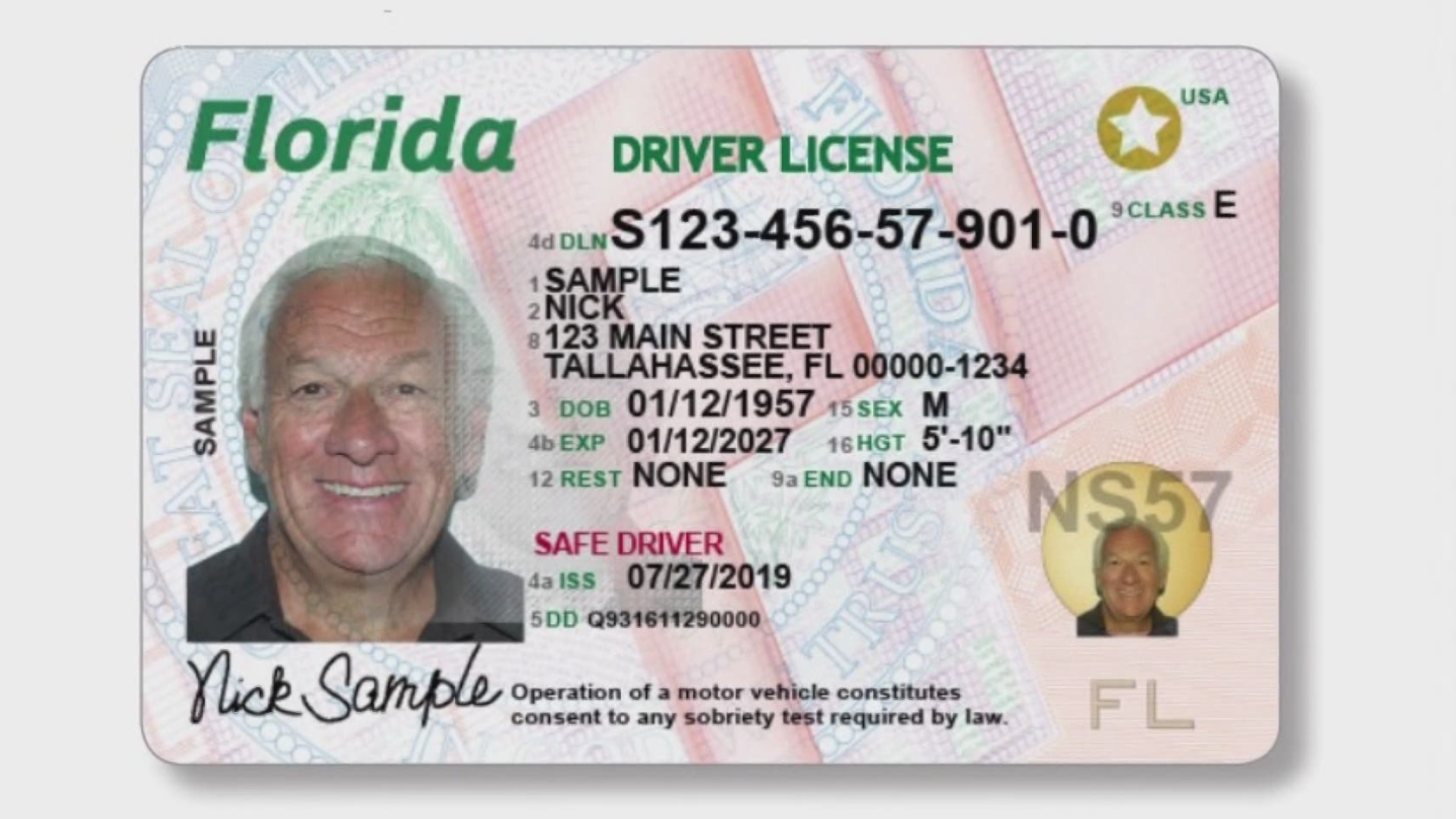
For the vast majority of personal vehicle drivers, the Class E driver’s license is the standard. This license permits you to operate non-commercial vehicles weighing less than 26,001 pounds Gross Vehicle Weight Rating (GVWR), including passenger cars, 2-axle vehicles, and most recreational vehicles. Other license classifications exist for commercial drivers (Class A, B, C) and motorcyclists, but our focus here will be on the essential Class E license, which caters to the everyday needs of a Florida resident. It’s also worth noting that Florida issues REAL ID compliant licenses, which are necessary for domestic air travel and accessing certain federal facilities starting from the extended enforcement deadline.
Essential Documents You’ll Need
Gathering the correct documentation beforehand is perhaps the most critical step to a successful application. The Florida Department of Highway Safety and Motor Vehicles (DHSMV) adheres to strict requirements to verify your identity, legal presence, and residency. Missing even one document can lead to delays and require multiple trips.
Proof of Identity
You will need one primary document to prove your identity. This document must be original or a certified copy. Common examples include:
- A certified U.S. birth certificate (not a hospital certificate).
- A valid U.S. passport or passport card.
- A Certificate of Naturalization.
- An unexpired Alien Registration Card (Green Card).
It’s crucial that the name on this document matches your current legal name. If your name has changed due to marriage or other legal processes, you’ll also need to provide official documentation of the name change (e.g., marriage certificate, court order).
Proof of Social Security Number
To comply with federal and state laws, all applicants must provide proof of their Social Security Number (SSN). Acceptable documents include:
- Your Social Security card.
- A W-2 form.
- A pay stub with your SSN.
- A 1099 form.
The SSN must be printed on the document; a handwritten SSN will not be accepted. If you are not eligible for an SSN, you will need to present a letter from the Social Security Administration stating your ineligibility.
Proof of Residential Address
This requirement helps verify that you are a genuine Florida resident. You must provide two different documents that show your residential address. These cannot be from the same source. Examples include:
- A utility bill (water, electric, gas, cable, landline phone).
- A rental agreement or mortgage statement.
- A bank statement.
- A current car registration or title.
- Mail from a government agency.
- A W-2 form or 1099.
Ensure these documents are recent, typically within the last 60-90 days, and clearly display your name and physical address in Florida. A P.O. Box is not sufficient; a physical street address is required.
Proof of Legal Presence (Non-US Citizens)
For non-U.S. citizens, additional documentation is necessary to prove legal presence in the United States. This typically includes:
- An unexpired visa with I-94 form.
- An Employment Authorization Card (EAD).
- A Permanent Resident Card (Green Card).
- Asylum or Refugee documentation.
The specific documents will vary based on your immigration status. The DHSMV will verify your immigration documents through a federal system, which can sometimes take extra time. It’s advisable to have all related immigration paperwork readily available.
Navigating the Application Process
Once your documents are in order, the next step involves visiting a DHSMV office or a local Tax Collector’s office that processes driver’s licenses. The process typically involves an application, various tests, and payment of fees.
Preparing for Your Visit to the DHSMV
Making an appointment is highly recommended, especially in populous areas like Miami, Orlando, or Tampa. The DHSMV website offers an online appointment system, which can significantly reduce wait times. Before your visit, ensure you have all original documents, as photocopies are generally not accepted. It’s also a good idea to bring extra copies of critical documents, just in case. Be prepared for a vision test and possibly a hearing test. If you wear glasses or contact lenses, bring them with you.
Required Tests
- Vision Test: All applicants must pass a vision test to ensure they meet the minimum vision requirements for driving.
- Hearing Test: While not as stringent as the vision test, some offices may conduct a basic hearing screening.
- Knowledge Exam: Unless you are converting an out-of-state license from a state with a reciprocal agreement, you will need to pass a written knowledge exam. This test covers Florida traffic laws, road signs, and safe driving practices. The official Florida Driver Handbook is the best resource for preparation. Many questions are multiple-choice, and you can often find practice tests online.
- Driving Skill Test: If you are a first-time driver or your out-of-state license has been expired for an extended period, you will likely be required to pass a practical driving skill test. This test evaluates your ability to safely operate a vehicle, obey traffic laws, and perform maneuvers such as turns, lane changes, and parking. You must provide a vehicle for the test, which must be properly registered, insured, and in safe working condition.
Fees and Payment Options
There are fees associated with obtaining a Florida driver’s license, typically around $48 for an initial Class E license. These fees are subject to change, so it’s wise to check the official DHSMV website for the most current pricing. Most offices accept cash, checks, and major credit cards, but it’s always good to confirm payment methods beforehand.
Specific Considerations and Tips
While the general process applies to most, certain situations have specific requirements or considerations. Being aware of these can further simplify your journey to obtaining a Florida driver’s license.
Converting an Out-of-State License
If you hold a valid driver’s license from another U.S. state, the process is generally simpler. You typically will not need to take the written knowledge or driving skills tests, provided your out-of-state license is current or has not been expired for more than a year. You will still need to pass the vision test and provide all the required identity, SSN, and residency documents. Your out-of-state license will be surrendered to the DHSMV upon issuance of your Florida license.
First-Time Drivers and the TLSAE Course
If you are a first-time driver in Florida and have never held a driver’s license in any state or country, you are required to complete a Traffic Law and Substance Abuse Education (TLSAE) course. This 4-hour course covers the impact of drugs and alcohol on driving, Florida traffic laws, and safe driving techniques. It can be completed online or in person through an approved provider. Completion of this course is a prerequisite for taking the written knowledge exam.
International Drivers and Permits
Visitors holding a valid driver’s license from another country may drive in Florida for up to one year. While an International Driving Permit (IDP) is not legally required, it is highly recommended, especially if your foreign license is not in English. An IDP serves as an official translation of your driver’s license and can be very helpful in interactions with law enforcement. However, an IDP is not a substitute for a valid driver’s license and cannot be used by itself to drive. If you become a Florida resident, you must obtain a Florida driver’s license within 30 days.
Common Pitfalls to Avoid
- Incomplete Documentation: Double-check, triple-check! Ensure you have all original documents required for identity, SSN, and residency.
- Expired Documents: Make sure passports, visas, and other legal presence documents are current.
- Name Discrepancies: All names on documents should match, or you must provide legal proof of name change.
- Unprepared for Tests: Study the Florida Driver Handbook thoroughly for the knowledge exam, and practice driving for the skills test.
- No Appointment: Walking in without an appointment can result in extremely long wait times or being turned away.
Maintaining Your Florida Driver’s License
Once you’ve successfully obtained your Florida driver’s license, the journey doesn’t end there. Understanding how to maintain it, including renewals and updates, is part of being a responsible Florida resident.
Renewals and Updates
Most Florida Class E driver’s licenses are valid for eight years. You will typically receive a renewal notice in the mail before your license expires. Many renewals can be processed online, by mail, or in person. However, if you have certain types of legal presence documents (e.g., specific visas), your license might be issued for a shorter duration, correlating with your authorized stay.
It is crucial to update your address with the DHSMV within 30 days if you move. You can often do this online or in person. Changing your name also requires an in-person visit with supporting legal documents. Failure to update this information can lead to issues with official communications and potentially legal complications.

Importance of a Valid License for Your Florida Lifestyle
Having a valid Florida driver’s license is more than just a legal obligation; it’s a cornerstone of the Florida lifestyle. It grants you the freedom to explore the state’s diverse landscapes, from the vibrant beaches of Key West to the theme parks of Orlando and the cultural hubs of Miami. It also serves as your primary identification for countless daily activities, simplifying administrative tasks and ensuring smooth interactions across various services. For anyone looking to truly embrace life in Florida, navigating the driver’s license process efficiently is an essential step towards independent and worry-free living. With the right preparation and understanding, you’ll be on the road enjoying all that the Sunshine State has to offer in no time.
LifeOutOfTheBox is a participant in the Amazon Services LLC Associates Program, an affiliate advertising program designed to provide a means for sites to earn advertising fees by advertising and linking to Amazon.com. Amazon, the Amazon logo, AmazonSupply, and the AmazonSupply logo are trademarks of Amazon.com, Inc. or its affiliates. As an Amazon Associate we earn affiliate commissions from qualifying purchases.