
California, a state synonymous with innovation, diverse lifestyles, and breathtaking destinations, offers its residents numerous opportunities for civic engagement. Whether you’re a long-time resident who has witnessed decades of the Golden State’s evolution, a recent transplant drawn by the promise of Silicon Valley careers or the allure of Hollywood, or simply someone looking to deepen your roots after an extended stay at one of its many resorts, understanding your voting rights and requirements is paramount. Participation in the democratic process allows you to directly influence the policies that shape everything from local tourism initiatives and the preservation of iconic landmarks to educational funding and community development.
The act of voting is not merely a legal right; it’s a vital part of belonging and contributing to the vibrant tapestry of California life. This guide aims to demystify the process, ensuring you have all the necessary information to cast your ballot effectively. From establishing residency after a significant move that might involve new accommodation arrangements to understanding specific deadlines and options for casting your vote, we’ll cover the essentials for making your voice heard in California’s elections.
Eligibility Essentials: Who Can Vote in California?
Before you can even think about marking a ballot, it’s crucial to understand the fundamental criteria that determine your eligibility to vote in California. These requirements are designed to ensure that the electoral process is fair, secure, and representative of its citizenry. For anyone moving to California, perhaps after exploring its diverse attractions or contemplating a permanent change of scenery, understanding these initial hurdles is your first step towards civic participation.
Age, Citizenship, and Residency Requirements
To be eligible to vote in California, you must meet three primary criteria:
-
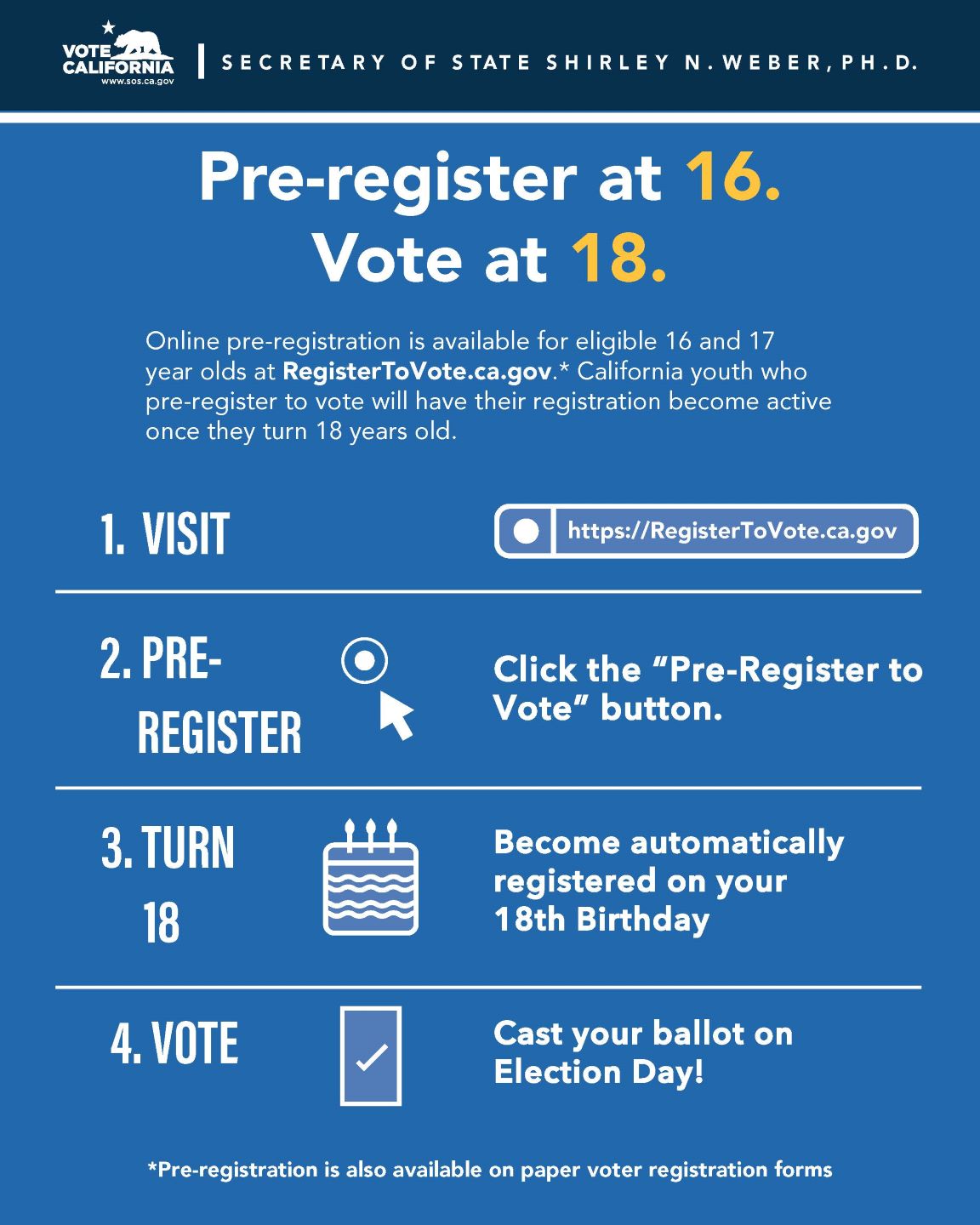
Age Requirement: You must be 18 years old by Election Day. This means you can register to vote when you are 16 or 17, and your registration will automatically become active once you turn 18. This early registration option is a fantastic way for younger residents, perhaps those on their first independent travel experiences within the state or planning their future, to engage with the democratic process from an early age.
-
Citizenship Status: You must be a citizen of the United States. This is a non-negotiable requirement for voting in federal, state, and local elections in California. For many who move to the state from other countries, perhaps seeking the California dream or simply enjoying its renowned hospitality, obtaining American citizenship is a significant milestone that unlocks this fundamental right.
-
Residency in California: You must be a resident of California. This means you consider California your permanent home. The concept of residency is particularly important for those who might split their time between different states or those who have recently relocated. For instance, if you’ve decided to make San Diego your permanent base after years of visiting its sunny beaches, or if you’ve transitioned from a temporary stay in a Los Angeles apartment to a long-term villa, establishing your intent to reside in California is key. Your residential address, not a business address or a temporary hotel booking, is what matters for voter registration. Furthermore, you cannot be currently imprisoned or on parole for a felony conviction (a significant change from previous laws, detailed later) or currently found mentally incompetent to vote by a court.
Navigating Voter Registration
Once you meet the core eligibility criteria, the next crucial step is to register to vote. California’s registration process is designed to be accessible and straightforward, reflecting the state’s commitment to broad civic participation. For newcomers establishing their presence in diverse California cities like San Francisco or Sacramento, registering to vote is an integral part of becoming a fully engaged member of their new community.
There are several convenient ways to register:
- Online: The easiest and most popular method is to register online through the California Secretary of State’s website. This process typically takes just a few minutes, requiring you to provide your name, address, date of birth, and either your California driver’s license or state ID card number, or the last four digits of your Social Security Number.
- By Mail: You can pick up a paper voter registration form at most post offices, public libraries, and Department of Motor Vehicles (DMV) offices. Fill it out and mail it in. This traditional method can be preferred by those who appreciate a tangible record or are perhaps less comfortable with online forms.
- At the DMV: When you apply for or renew your California driver’s license or state ID card, you’ll be offered the opportunity to register to vote. This seamless integration makes it incredibly convenient, especially for those who’ve just moved to the state and are getting their essential documents in order.
Registration Deadlines: The standard deadline to register to vote for any election is 15 days before Election Day. It’s crucial to mark this on your calendar, much like you would a booking for a highly anticipated travel experience or a stay at a popular hotel. Missing this deadline doesn’t necessarily preclude you from voting, thanks to California’s Conditional Voter Registration (CVR) provisions, which we’ll discuss shortly. However, registering on time ensures a smoother voting experience. Once registered, your county elections official will send you a Voter Information Guide and your official ballot well before Election Day, guiding you through the local issues, candidates, and propositions that impact your chosen California lifestyle.
Casting Your Ballot: Methods and Materials
Once you’re registered, the next step is actually casting your vote. California offers flexible and secure options, acknowledging the diverse lifestyles and preferences of its citizens. From busy professionals who might be on a business trip to San Jose, to families managing daily routines in Oakland, or retirees enjoying the serene pace of Palm Springs, there’s a method designed to make voting accessible for everyone.
Voting by Mail: Convenience and Security
California has embraced vote-by-mail as its primary method of voting, ensuring that every registered voter automatically receives a ballot in the mail before each election. This system underscores convenience, allowing you to cast your vote from the comfort of your home, accommodation, or even while enjoying a prolonged travel experience within the state.
The Process:
- Receive Your Ballot: Approximately 29 days before an election, your official ballot will be mailed to your registered address. Along with it, you’ll receive a Voter Information Guide providing details on candidates, measures, and how to vote.
- Mark Your Ballot: Take your time to carefully review and mark your choices. Research candidates and propositions using reliable sources, perhaps while enjoying a quiet morning coffee at your chosen hotel or villa.
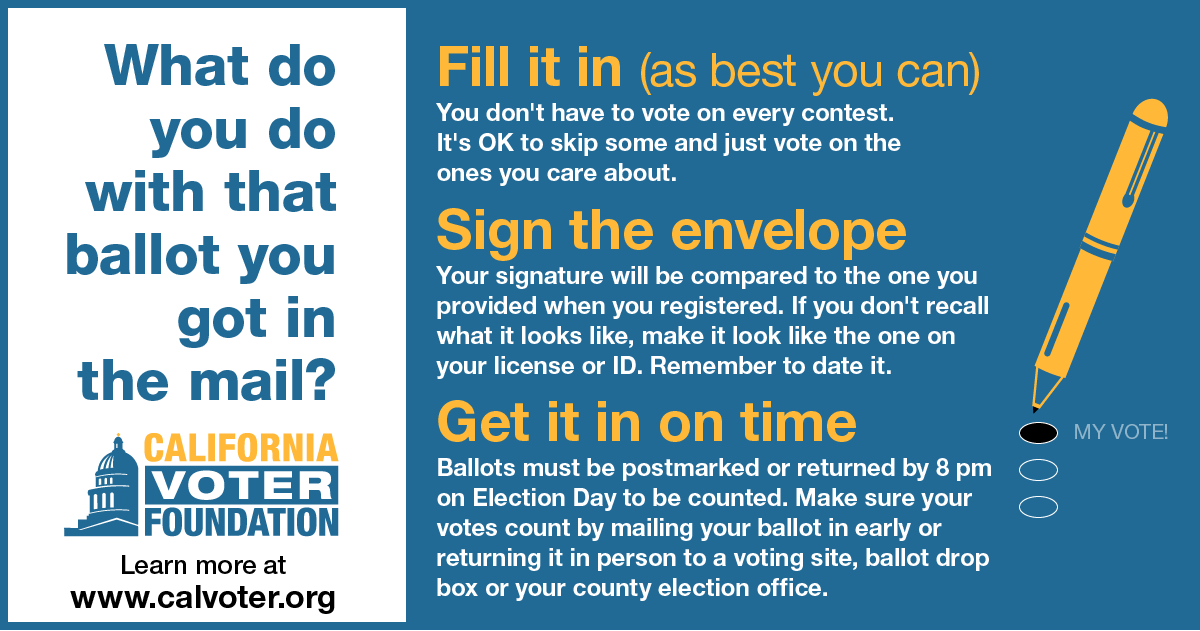
- Sign and Return: Place your marked ballot in the official return envelope provided, making sure to sign the envelope. This signature is critical for verifying your identity; without it, your ballot cannot be counted.
- Return Options: You have several secure ways to return your ballot:
- Mail: Simply drop it in any mailbox. Postage is pre-paid. Ballots must be postmarked by Election Day and received by your county elections office within 7 days.
- Official Drop Box: Many counties provide secure, official drop boxes at various locations, including libraries, city halls, and public buildings. These are available 24/7 during the voting period and provide a convenient way to return your ballot without worrying about postal delays.
- In Person: You can drop off your ballot at any polling place or vote center in your county on Election Day.

Ballot Tracking: For peace of mind, California offers a “Where’s My Ballot?” tool through the Secretary of State’s office. This service allows you to track your ballot’s journey from being mailed to you, to being received and counted by election officials. This transparency is a key component of the state’s secure electoral process.
In-Person Voting: Polls and Voter Centers
While vote-by-mail is the standard, California also provides robust options for those who prefer or need to vote in person. This method allows for direct interaction with election officials, on-site assistance, and the tangible experience of civic participation. For many, visiting a polling place is an important tradition, a way to connect with their local community and observe the democratic process firsthand.
Options for In-Person Voting:
- Traditional Polling Places: In some counties, traditional polling places are open on Election Day, typically in community centers, schools, or other public buildings. These are specific to your precinct.
- Vote Centers: Increasingly, counties are shifting to a vote center model. Vote centers are larger, centrally located facilities that are open for several days, or even weeks, leading up to and including Election Day. Unlike traditional polling places, you can vote at any vote center within your county, regardless of your residential precinct. This flexibility is particularly useful for individuals whose lifestyles involve frequent movement around a metropolitan area like San Francisco or Long Beach, or those who might be visiting landmarks or attractions on Election Day and need a convenient place to stop.
What to Bring: Generally, you do not need to show photo identification to vote in person in California. The primary method of verifying your identity is your signature on the ballot envelope. However, there are exceptions:
- If you are a first-time voter who registered by mail and did not provide your California driver’s license number, state ID number, or the last four digits of your Social Security Number, you may be asked to show a form of identification. Acceptable forms include a driver’s license, passport, utility bill, or bank statement.
- If you choose to vote in person, you can still bring your mail ballot to a polling place or vote center. You can either drop off your completed mail ballot or surrender it and receive a new ballot to vote in person.
Assistance and Accessibility: California election officials are committed to ensuring that voting is accessible to all. Vote centers and polling places are typically equipped with accessible voting machines, and language assistance is often available for non-English speakers. This commitment to inclusivity reflects the diverse culture and population that make California such a unique place to live, travel, and engage in civic life.
Special Considerations for Voters
While the general eligibility and voting methods cover most situations, California also has provisions for special circumstances, ensuring that as many eligible residents as possible can exercise their right to vote. These considerations reflect the state’s dynamic population and its progressive approach to the democratic process. They are particularly relevant for new arrivals, individuals with unique living situations, or those who face specific challenges, ensuring that every voice, from the bustling cities of Anaheim to the quieter communities near Lake Tahoe, can be heard.
Conditional Voter Registration and Same-Day Voting
Life in California can be fast-paced, and sometimes, even the most organized individuals might miss a registration deadline. Fortunately, California offers Conditional Voter Registration (CVR), often referred to as same-day voter registration, as a safety net. This provision allows eligible individuals to register and vote provisionally at their county elections office or any vote center in their county during the 14 days before an election and on Election Day itself.
How it Works:
- Visit a Vote Center: If you’ve missed the standard 15-day registration deadline, head to your county elections office or any vote center. These locations are open during the late registration period.
- Register and Vote Provisionally: At the site, you’ll complete a voter registration card and cast a provisional ballot. A provisional ballot is set aside and counted after election officials verify your eligibility.
- Verification: After you vote, election officials will verify your registration information to ensure you meet all eligibility requirements and that you haven’t voted elsewhere in that election. Once verified, your provisional ballot will be counted.
CVR is an invaluable resource for anyone who has recently moved to a new California city like Fremont or Irvine and didn’t update their voter registration in time, or simply for those who had a last-minute realization about the importance of an upcoming election. It underscores California’s commitment to maximizing voter turnout and ensuring that administrative hurdles don’t disenfranchise eligible citizens.
Voting Rights for Specific Groups
California has made significant strides in expanding voting access to various groups, reflecting a modern and inclusive approach to democracy. Understanding these specific provisions can be crucial for many residents who might otherwise believe they are ineligible to vote.
-
Formerly Incarcerated Individuals: In a major reform, most individuals with prior felony convictions in California regain their right to vote upon release from prison and parole. This means if you are not currently incarcerated or on parole for a felony, you are likely eligible to register and vote. This progressive stance recognizes the importance of civic re-engagement for individuals returning to their communities.
-
Homeless Voters: Homeless individuals are absolutely eligible to vote in California. They can register using a descriptive address (such as a cross-street or intersection) for their place of residence, and designate a separate mailing address (like a shelter, P.O. box, or the address of a friend or family member) to receive their ballot and voter information. This ensures that a lack of traditional housing does not impede the right to participate in elections that directly impact their daily lifestyle and access to resources.
-
Students: College students living in California have the right to choose whether to register and vote in their home town (if they maintain that as their permanent residence) or in the community where they attend school (if they consider that their primary residence). This flexibility is particularly important for students attending universities in cities like Berkeley, Davis, or Palo Alto, allowing them to decide where their vote will have the most impact on issues relevant to their lives.
-
Military and Overseas Voters: Members of the U.S. military, their families, and U.S. citizens living overseas can register and vote under federal law (the Uniformed and Overseas Citizens Absentee Voting Act, or UOCAVA). The Federal Voting Assistance Program (FVAP) provides specific forms and procedures to ensure these individuals, whose travels take them far from California’s shores, can still participate in state and federal elections. This ensures that even those serving abroad or exploring international destinations maintain their vital connection to the democratic processes of their home state.
In essence, California strives to create an inclusive and accessible voting environment, reflecting the diverse narratives and experiences that define its population. From the bustling cityscapes of San Jose to the serene vineyards of Napa Valley or the majestic redwoods of Redwood National Park, the state encourages all eligible residents to play an active role in shaping its future.
Voting in California is an empowering experience, a fundamental right that allows every eligible resident to contribute to the state’s direction. Whether you’ve just settled into a new apartment in Santa Monica, are considering a long-term accommodation after a leisurely road trip along the Pacific Coast, or are a long-time resident of Beverly Hills, understanding these requirements and options is your gateway to active civic participation. By exercising your right to vote, you help shape the California that influences everything from the preservation of cherished landmarks like the Golden Gate Bridge to the funding of future tourism and travel initiatives. Make your voice heard and be a part of California’s vibrant future.
LifeOutOfTheBox is a participant in the Amazon Services LLC Associates Program, an affiliate advertising program designed to provide a means for sites to earn advertising fees by advertising and linking to Amazon.com. Amazon, the Amazon logo, AmazonSupply, and the AmazonSupply logo are trademarks of Amazon.com, Inc. or its affiliates. As an Amazon Associate we earn affiliate commissions from qualifying purchases.