
Becoming a resident of the Sunshine State is a dream for many, whether you’re seeking to escape the harsh winters, embrace a vibrant lifestyle, or simply enjoy the abundant sunshine. The process, while straightforward, requires proper documentation to establish your new residency officially. This guide will walk you through the essential documents you’ll need to gather to make your transition to living in Florida as smooth as possible.
Establishing Your Primary Residence
The cornerstone of establishing residency in Florida is demonstrating that you intend to make it your permanent home. This involves proving you are physically present in the state and that it is your primary place of dwelling. Several key documents will help you achieve this.

Proof of Physical Presence
The most direct way to prove your physical presence is through utility bills and lease agreements or property deeds.
- Lease Agreement or Property Deed: If you are renting, your signed lease agreement is a crucial piece of evidence. It shows you have a place to live in Florida. If you own property, your deed serves as definitive proof of your physical ties to the state. For individuals living with family or friends, a notarized letter from the homeowner or leaseholder, along with a copy of their proof of residency (like a utility bill or driver’s license), can also be helpful.
- Utility Bills: Once you have secured housing, obtaining utility bills in your name is paramount. This includes electricity, water, gas, and internet services. Consistent utility bills showing your name and Florida address over several months solidify your physical presence. Ensure these bills are current and reflect your primary residence.
- Bank Statements: Bank statements mailed to your Florida address are another strong indicator of your residency. These statements, showing financial activity and your updated address, further reinforce your claim to the state as your primary domicile.
Intent to Remain Permanently
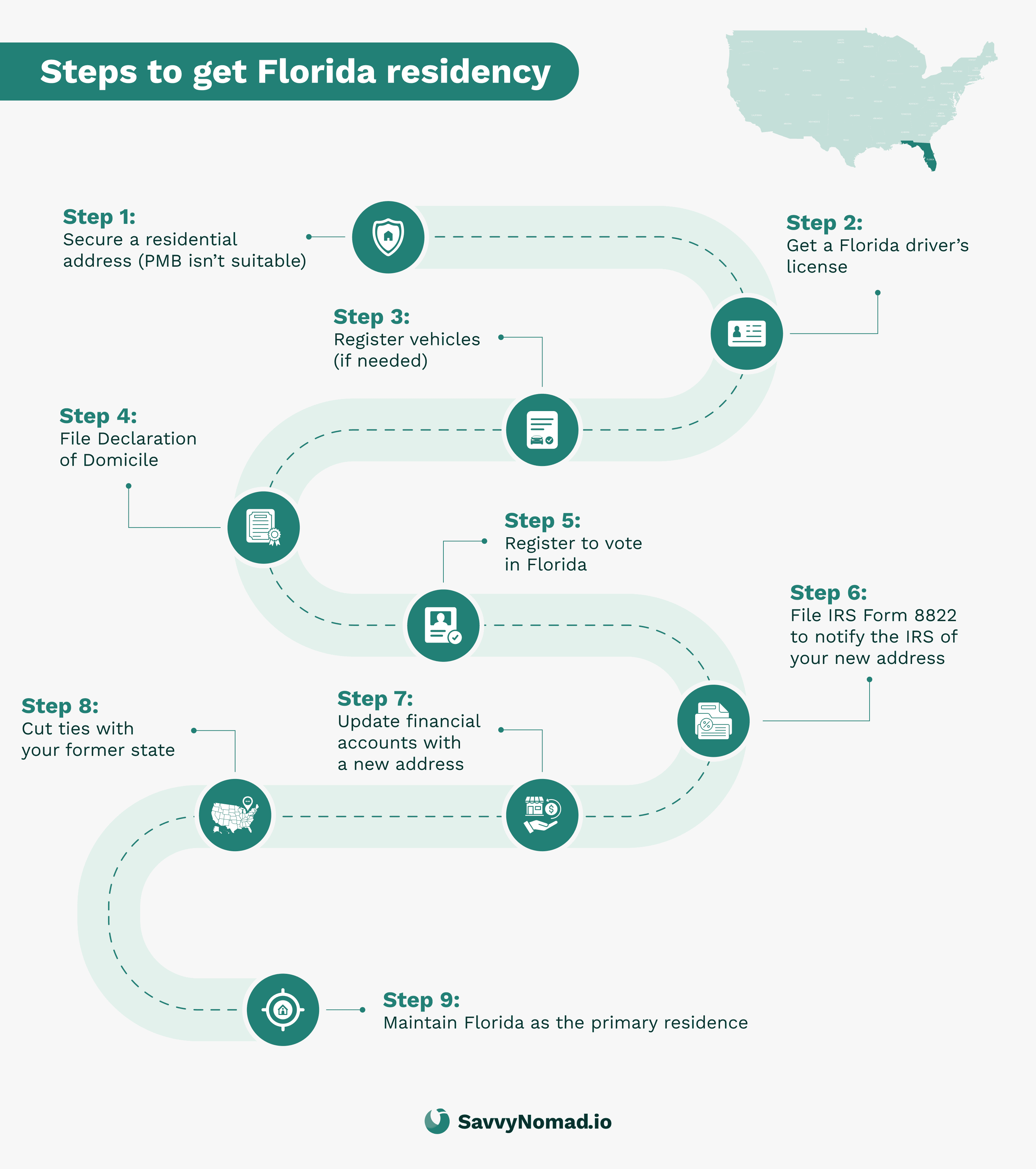
Beyond physical presence, you must also demonstrate your intention to make Florida your permanent home. This is often achieved through a formal declaration and by aligning various aspects of your life with your new state.
- Affidavit of Domicile: This is a sworn legal statement declaring that Florida is your permanent home and principal residence. You can typically obtain this form from a county tax collector’s office or a notary public. Signing this document under oath is a significant step in formalizing your residency.
- Voter Registration: Registering to vote in Florida is a clear declaration of your intent to participate in the state’s civic life. To register, you generally need to be a U.S. citizen, a resident of Florida, and at least 18 years old. This process typically requires proof of residency.
- Driver’s License or State ID: Obtaining a Florida driver’s license or state identification card is a key requirement and a strong indicator of residency. You will need to surrender your out-of-state license and provide documentation proving your identity, social security number, and Florida residential address.
Specific Requirements for Official Residency
Depending on your reason for establishing residency and your personal circumstances, you may need additional documentation. These requirements are particularly relevant for those seeking in-state tuition rates, applying for certain state benefits, or registering vehicles.
For Educational Purposes (In-State Tuition)
Students aiming to qualify for in-state tuition at Florida public colleges and universities must provide specific proof of their residency for at least 12 consecutive months prior to the start of the academic term.
- Evidence of Financial Independence: If you are an independent student, you will need to show that you have been financially independent and living in Florida for at least 12 months. This can include documentation such as employment records, tax returns, and bank statements.
- Parental Documentation (if applicable): If you are a dependent student, your parents or legal guardians must demonstrate their Florida residency for the required period. This typically involves providing their driver’s licenses, voter registration, tax returns, and proof of ownership or lease of a Florida home.
- Student’s Documents: Even as a dependent, you will need to provide documentation showing your presence in Florida, such as a Florida driver’s license or ID, or enrollment in a Florida high school.
For Vehicle Registration and Driver’s Licenses
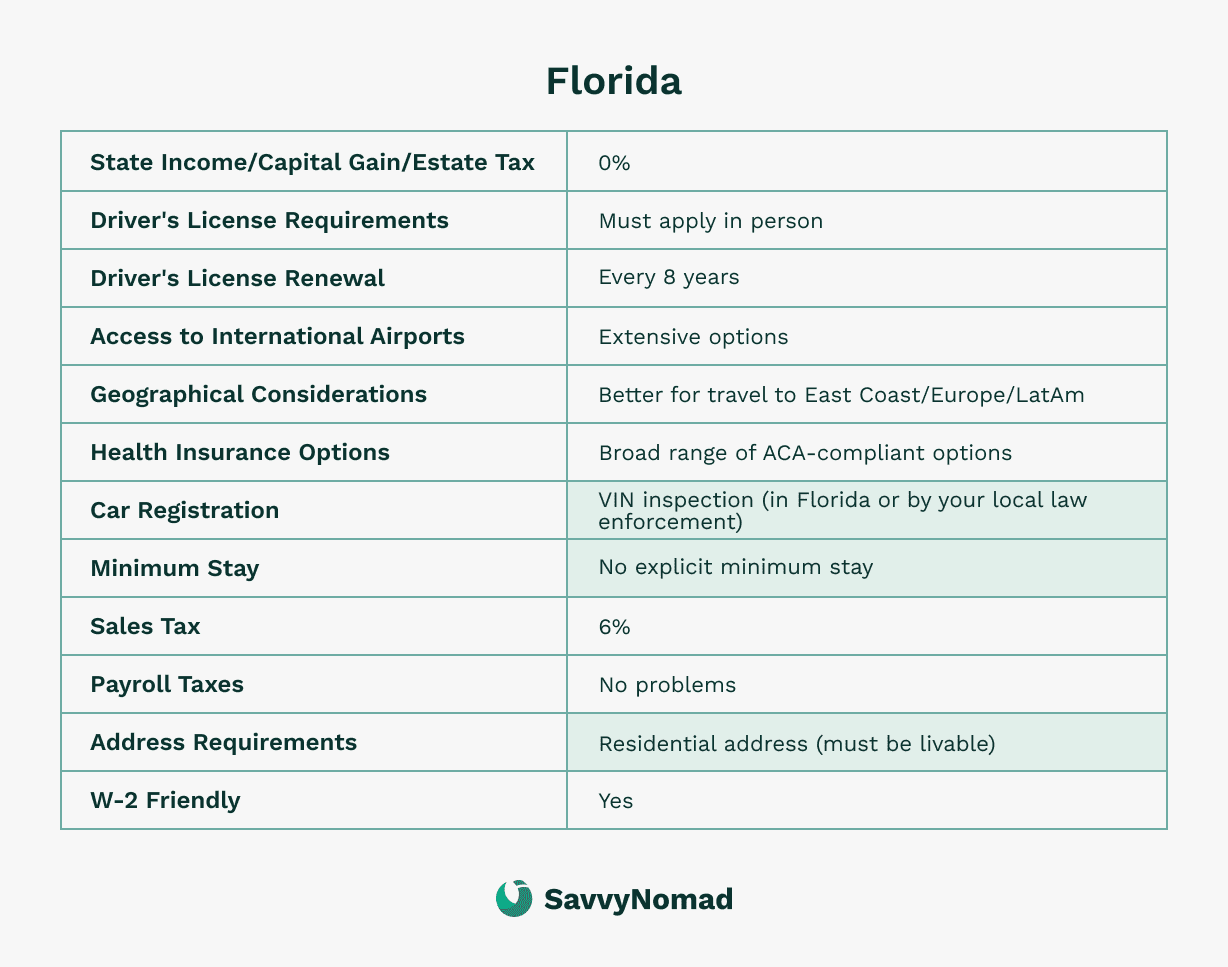
If you plan to drive in Florida, you will need to register your vehicle and obtain a Florida driver’s license within a specific timeframe after establishing residency.
- Proof of Identity and Social Security Number: A valid U.S. passport, original birth certificate, or other acceptable documents are needed to verify your identity and social security number.
- Proof of Florida Residential Address: As detailed earlier, utility bills, lease agreements, or property deeds are essential. You may need two forms of proof for certain applications.
- Proof of Vehicle Ownership: For vehicle registration, you will need your out-of-state title or registration, and a bill of sale if you purchased the vehicle recently. A completed Florida VIN inspection may also be required.
- Vision Test: A vision test is a mandatory part of obtaining a Florida driver’s license.
For Homestead Exemption on Property Taxes
If you own property in Florida and intend to make it your primary residence, you can apply for homestead exemption to reduce your property taxes.
- Proof of Ownership: Your property deed is the primary document here.
- Florida Driver’s License or State ID: This confirms your residency at the property.
- Social Security Number: Required for the property owner.
- Vehicle Registration: Your vehicles should be registered in Florida at that address.
- Voter Registration: Being registered to vote in the county where the property is located is also a strong indicator.
- Affidavit of Domicile: This sworn statement is crucial for homestead exemption applications.
Important Considerations and Tips
Navigating the documentation process can seem daunting, but with careful preparation, it becomes much more manageable. Here are some additional tips and considerations to ensure a smooth transition to Florida residency.
Gather More Than You Think You Need
It’s always wise to have a few extra copies of important documents. Different agencies may have slightly different requirements or prefer specific formats. Keeping a digital backup of all your documents on a secure cloud service is also highly recommended. This ensures you can access them easily if needed.
Understand the Residency Timeline
For many purposes, such as obtaining a driver’s license or registering to vote, Florida requires you to have resided in the state for at least six months. However, for specific benefits like in-state tuition or homestead exemption, the requirement often extends to 12 consecutive months. Be sure to check the specific timeline for the benefit or status you are seeking.
Seek Professional Advice When Necessary
If your situation is complex, such as dealing with international residency, property ownership issues, or specific tax implications, it may be beneficial to consult with an attorney or a tax advisor familiar with Florida residency laws. They can provide tailored guidance and ensure you meet all legal requirements.
Stay Organized
Create a checklist of all the documents you need to gather and track your progress. Keeping your documents organized in a dedicated folder or binder will prevent last-minute rushes and potential confusion. Knowing exactly what you have and what you still need will make the entire process less stressful.
Be Patient and Persistent
While Florida is a welcoming state, the process of establishing residency involves adhering to specific rules and procedures. Be prepared for potential queues at government offices and understand that each step requires careful attention to detail. Your patience and persistence will pay off as you officially become a resident of the beautiful Sunshine State.
LifeOutOfTheBox is a participant in the Amazon Services LLC Associates Program, an affiliate advertising program designed to provide a means for sites to earn advertising fees by advertising and linking to Amazon.com. Amazon, the Amazon logo, AmazonSupply, and the AmazonSupply logo are trademarks of Amazon.com, Inc. or its affiliates. As an Amazon Associate we earn affiliate commissions from qualifying purchases.