
For residents of the Golden State, understanding the nuances of identification documents has become increasingly vital, especially in a world where seamless travel and access are highly valued. The California REAL ID isn’t just another form of identification; it’s a gateway to hassle-free domestic air travel and entry into federal facilities, aligning with federal security standards. As you plan your next adventure, whether it’s a cross-country flight to New York for a business meeting or a family vacation to Orlando, knowing exactly what a California REAL ID looks like and what it signifies can make all the difference in your travel experience.
The implementation of the REAL ID Act by Congress in 2005 marked a significant shift in identity document standards across the United States. Following the events of September 11, 2001, this act established minimum security standards for state-issued driver’s licenses and identification cards, making them acceptable for certain federal purposes. For California residents, this means having an ID that meets these enhanced security protocols for purposes such as boarding federally regulated commercial aircraft or entering secure federal facilities like military bases or nuclear power plants. This article will guide you through the distinctive features of a California REAL ID, clarify its importance for modern travel and lifestyle, and outline the steps to obtain one, ensuring you’re well-prepared for any journey that lies ahead.
Unveiling the California Real ID: More Than Just a Card
The California REAL ID represents a modernized approach to identification, reflecting a balance between individual convenience and national security. It’s designed to be easily identifiable, incorporating specific visual markers that distinguish it from a standard California driver’s license or identification card. For anyone engaged in travel, exploring new destinations, or managing business accommodations, understanding these visual cues is paramount. This specialized ID ensures that your domestic travel plans, from booking flights to checking into a Grand Hyatt Hotel in San Francisco, remain uninterrupted and stress-free.
The shift towards REAL ID compliance has been a gradual but necessary process across the United States. For California in particular, which is a global hub for tourism, business, and diverse lifestyles, ensuring its residents have proper identification is crucial. Whether you’re visiting the iconic Golden Gate Bridge, enjoying the magic of Disneyland in Anaheim, or conducting business in bustling Los Angeles, your form of identification can impact your ability to travel efficiently. The REAL ID simplifies this, serving as a trusted document at various checkpoints, eliminating potential delays or complications that could arise from using non-compliant identification. It signifies a commitment to enhanced security without sacrificing the convenience that modern travelers expect.
The Distinctive Appearance of a California Real ID
When you hold a California REAL ID in your hand, its unique characteristics are immediately apparent, setting it apart from other state-issued identification documents. These features are not merely aesthetic; they serve as critical indicators of its compliance with federal standards, making it recognizable to federal authorities, including airport security personnel.
The Golden Bear and the Star: Key Visual Identifiers
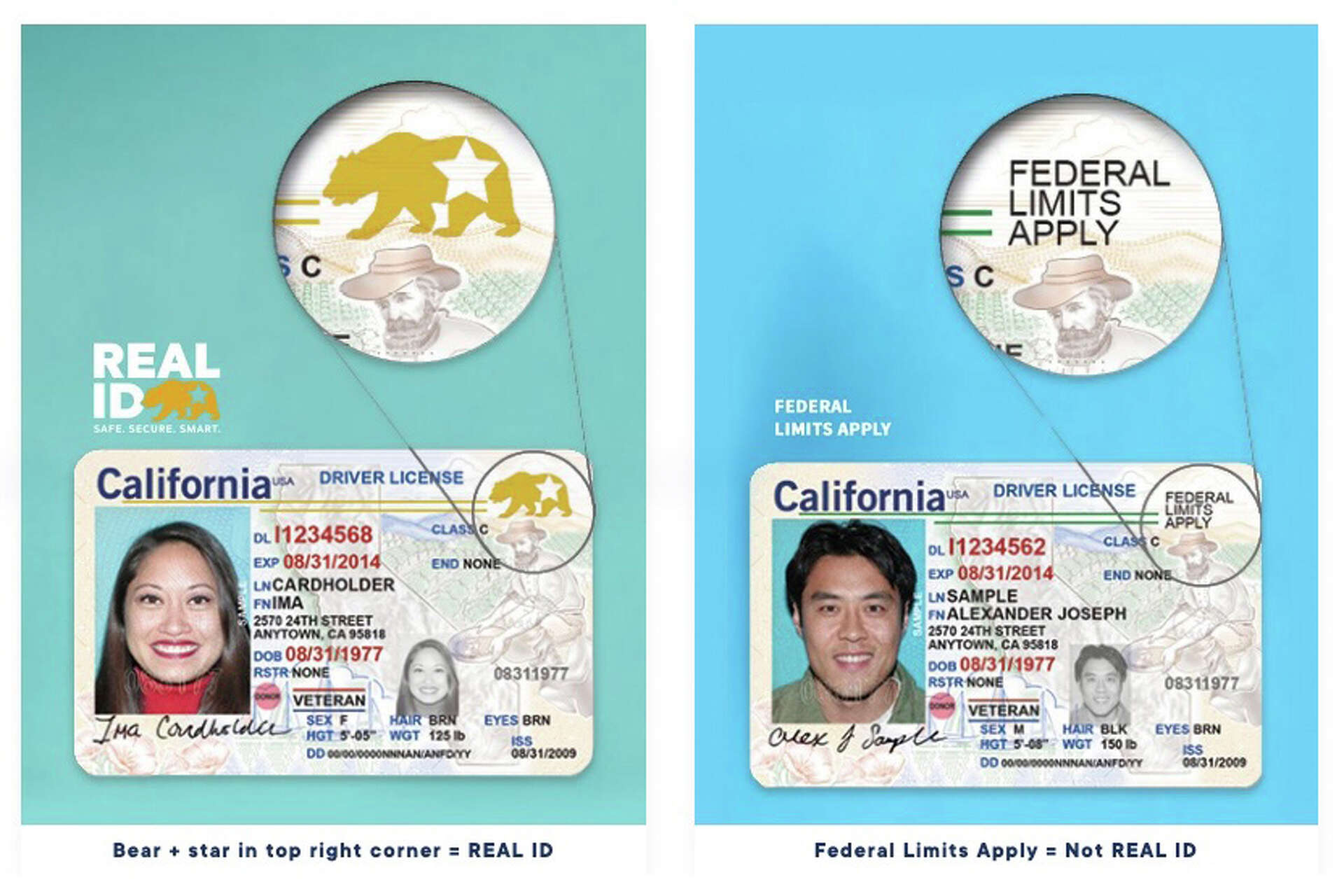
The most definitive and easily recognizable feature of a California REAL ID is the golden bear with a white star cutout located in the top right corner of the card. This emblem is a clear visual cue, instantly signifying that the document meets the stringent federal security requirements of the REAL ID Act. Without this specific star, your California driver’s license or ID card is considered a “Federal Non-Compliant” document, which will not be accepted for domestic air travel or entry into federal facilities after the enforcement deadline.
In addition to this crucial star, the California REAL ID also prominently features the iconic California Republic Flag, adorned with the Grizzly Bear and a single red star. This symbol is a timeless representation of the state’s identity and is integrated into the card’s design, often appearing as a larger, more subtle watermark or background image, providing an additional layer of authenticity and state pride. The combination of these symbols—the federal star in the corner and the state flag design—creates a distinct visual identity that is both functionally compliant and aesthetically representative of California.
Beyond the Star: Security Features and Design Elements
While the golden bear with the star is the primary identifier, the California REAL ID incorporates a host of other advanced security features designed to prevent counterfeiting and identity fraud. These elements ensure the integrity of the document and the security of its holder, which is vital for any aspect of travel or access to sensitive areas.
Key security and design elements include:
- Holographic Overlays: Intricate patterns and images, often incorporating the state seal or other California symbols, are embedded within the card’s surface. These holograms are difficult to replicate and are visible from different angles, serving as a quick visual check for authenticity.
- Ultraviolet (UV) Features: Under UV light, hidden images or text become visible. These features are complex to reproduce without specialized equipment, adding another layer of security that law enforcement and security personnel are trained to identify.
- Microprinting: Tiny text, often readable only with a magnifying glass, is integrated into the design. This microscopic detail is another deterrent for counterfeiters, as it’s extremely challenging to print clearly without high-precision technology.
- Tactile Features: Some elements on the card, such as the date of birth or the signature, might be slightly raised or embossed, providing a tactile experience that further distinguishes an authentic card from a fake.
- Personalized Data: Each card clearly displays the cardholder’s photograph, full legal name, date of birth, signature, and other pertinent information. The quality and placement of these elements are consistent across all legitimate cards.
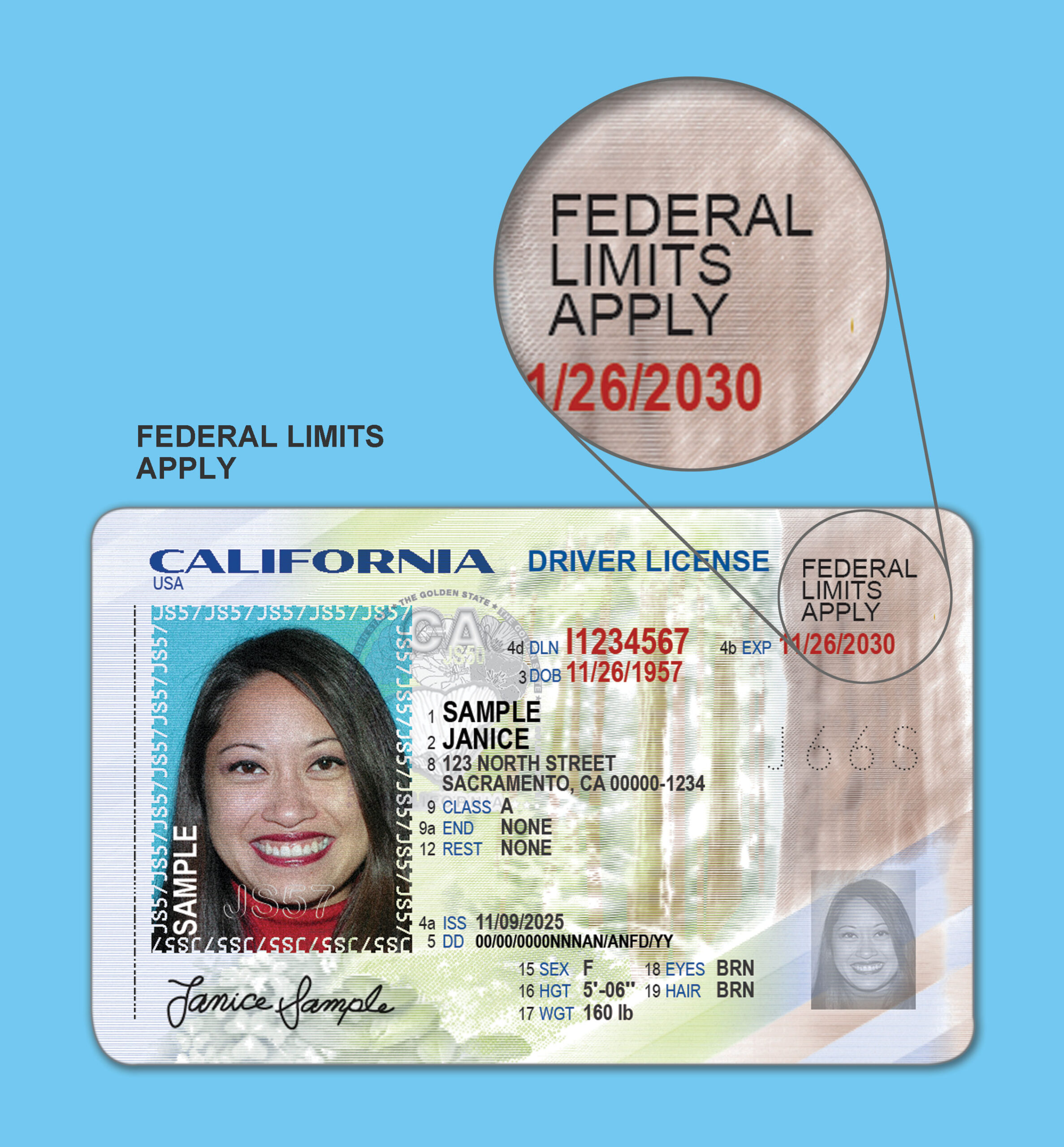
- “FEDERAL LIMITS APPLY” Distinction: It’s important to note the contrast with a standard (non-REAL ID compliant) California driver’s license or ID. These cards, which lack the star symbol, will typically feature text like “FEDERAL LIMITS APPLY” or similar wording. This explicit declaration serves as a warning that the card is not valid for federal identification purposes, specifically domestic air travel, thereby making the star symbol on the REAL ID an even more critical identifier.
The meticulous design and incorporation of these features underscore the seriousness with which the California Department of Motor Vehicles (DMV) and federal authorities approach identity verification. For travelers, this means an increased level of confidence that their identification is secure and universally recognized within the federal system, making trips to destinations like Yosemite National Park or a Santa Monica beach retreat much smoother.
Navigating Travel and Lifestyle with Your California Real ID
The practical implications of possessing a California REAL ID extend far beyond its visual characteristics. It plays a pivotal role in shaping how individuals experience travel and interact with various federal services, directly impacting convenience, accessibility, and overall peace of mind. For those with a wanderlust spirit, a REAL ID is a fundamental asset that supports a fluid and enjoyable lifestyle, whether it involves spontaneous weekend getaways or meticulously planned international adventures.
Seamless Air Travel Across the United States
The most compelling reason for many California residents to obtain a REAL ID is its requirement for domestic air travel. After the enforcement deadline, the Transportation Security Administration (TSA) requires a REAL ID compliant driver’s license or state ID card, or another acceptable form of identification (like a passport), to board commercial flights within the United States. This means that if you frequently fly for business to cities like Chicago or for leisure to Miami, your REAL ID becomes an indispensable travel companion.
Without a REAL ID, travelers would need to present an alternative form of identification, most commonly a valid U.S. passport or military ID. While these alternatives are perfectly acceptable, relying on them can sometimes be less convenient. A passport might be stored away securely, requiring extra steps to retrieve it for a domestic flight, especially if you’re not planning international travel. For families embarking on a trip to Universal Studios Hollywood or a luxury stay at a Ritz-Carlton resort, the simplicity of having a REAL ID for everyone in the group at the ready significantly streamlines the airport security process. This reduces stress, minimizes potential delays, and allows you to focus more on the excitement of your destination and less on the logistics of getting there. It embodies the essence of modern travel: efficiency and ease.
Accessing Federal Facilities and Beyond
Beyond air travel, the California REAL ID also serves as an accepted form of identification for accessing secure federal facilities. This includes, but is not limited to, federal courthouses, military bases like Camp Pendleton or Edwards Air Force Base, and other federal installations. For individuals whose professions or personal lives necessitate visits to such locations, the REAL ID is a practical and often essential document.
This requirement impacts a diverse range of California residents, from legal professionals attending court in Sacramento to contractors working on government projects, or even individuals visiting family members serving in the armed forces. Having a REAL ID ensures that entry is smooth and compliant with federal security protocols, avoiding the need for additional verification or alternative identification that could cause delays or inconvenience. This functionality extends the utility of the REAL ID beyond just travel, embedding it into the fabric of everyday life for many citizens interacting with federal entities.
Who Needs One and Who Doesn’t? A Lifestyle Choice
Deciding whether to obtain a California REAL ID is largely a matter of individual lifestyle and future plans. It’s not a mandatory document for all California residents, but rather a strategic choice for those who anticipate needing it.
- You need a REAL ID if: You plan to fly domestically within the United States and do not wish to use a passport or other federally accepted ID. You also need it if you regularly need to access federal facilities. This often applies to business travelers, families planning vacations, or anyone living a lifestyle that involves frequent movement across state lines or interaction with federal services.
- You don’t necessarily need a REAL ID if: You possess a valid U.S. passport (or passport card) and prefer to use it for domestic air travel, or if you primarily travel internationally. You also don’t need one if you do not plan to fly domestically or access federal facilities. Your standard California driver’s license will still be valid for driving, voting, age verification, and all other state-level identification purposes.
The choice reflects various lifestyles: a budget traveler might prefer to rely solely on their passport to save on the REAL ID fee, while a luxury traveler might appreciate the convenience of having both. A family planning a trip to Lake Tahoe or San Diego would find the REAL ID for all eligible members invaluable for seamless airport experiences. Ultimately, the California REAL ID offers an added layer of convenience and accessibility, making it an attractive option for most active individuals and families in the state.
The Journey to Obtaining Your California Real ID
Acquiring a California REAL ID involves a structured process, primarily handled by the California Department of Motor Vehicles (DMV). While it requires a bit of preparation and an in-person visit, the convenience it affords, particularly for travelers, makes the effort worthwhile. Understanding the necessary documentation and the application steps can significantly streamline the process, turning a potentially daunting task into a manageable checklist.
Essential Documents: Preparing for the DMV
The key to a smooth REAL ID application process lies in meticulous document preparation. The DMV requires several pieces of identification and proof of residency to verify your identity and eligibility for a REAL ID compliant document. It’s highly recommended to gather all required documents before your visit to avoid multiple trips or delays.
You will need:
- Proof of Identity: One document proving your legal name and date of birth. Examples include:
- U.S. birth certificate (certified copy)
- Valid U.S. passport or passport card
- Foreign passport with a valid U.S. visa and I-94 form
- Certificate of Naturalization or Citizenship
- Proof of Social Security Number (SSN): One document showing your full SSN. Examples include:
- Social Security card
- W-2 form
- Pay stub with full SSN
- SSA-1099 form
- Proof of California Residency: Two different documents proving your current California residential address. These must show your name and address. Examples include:
- Utility bills (gas, electric, water, internet)
- Rental or lease agreements
- Mortgage statements
- Bank statements
- Change of address confirmation by the U.S. Postal Service
- Vehicle registration
- Proof of Name Change (if applicable): If your current name differs from the name on your identity document (e.g., due to marriage, divorce, or court order), you must bring certified legal documents showing the name change. Examples include:
- Marriage certificate
- Divorce decree
- Adoption papers
- Court order for a name change
It is crucial to visit the official California DMV website before your appointment for the most up-to-date and comprehensive list of acceptable documents. They also provide an interactive checklist to help you ensure you have everything needed.
The Application Process: A Step-by-Step Guide
Once your documents are in order, the application process for a California REAL ID typically involves these steps:
- Complete the Online Application: Start by filling out the online DMV application form. This pre-fills much of your information, saving time at the office. Make sure to indicate that you are applying for a REAL ID.
- Schedule an Appointment: The California DMV strongly recommends scheduling an appointment for your in-person visit. This significantly reduces wait times. You can select your preferred DMV office, whether it’s in San Jose or Riverside.
- Visit a DMV Office In-Person: On the day of your appointment, bring all your original documents (copies are generally not accepted unless specified). At the DMV:
- Your documents will be reviewed and verified by a DMV representative.
- You will have your photo taken for the ID card.
- You may be required to provide a thumbprint.
- You will pay the application fee.
- You’ll be asked to sign your name on a digital pad.
- Receive Your Temporary ID: After your successful application, you will be issued a temporary paper ID. This document is valid for driving but is generally not accepted for federal identification purposes (like boarding flights).
- Receive Your Permanent Card by Mail: Your permanent, plastic REAL ID card will be mailed to your residential address, typically within a few weeks. It’s important to keep your temporary ID in the interim.
Tips for a smooth process: Arriving early for your appointment, even if you have one, can sometimes help. Double-checking the DMV website for any last-minute updates or changes to requirements is always a good practice. By following these steps diligently, you’ll soon be equipped with a California REAL ID that opens doors to hassle-free travel and access, enhancing your overall lifestyle and travel experiences.
Real ID and the Future of Travel: Planning Your Next Adventure
The California REAL ID is more than a new identity card; it’s an adaptation to the evolving landscape of travel and security. As we look ahead, its significance will only continue to grow, making it an indispensable tool for anyone who cherishes the freedom to explore, whether for business or pleasure. For travelers navigating the bustling terminals of LAX or San Francisco International Airport, the REAL ID ensures that the journey begins smoothly, focusing the excitement on the destination rather than on airport logistics.
Beyond the Deadline: Understanding Ongoing Compliance
While there was a widely publicized enforcement deadline for REAL ID, it’s crucial to understand that compliance is an ongoing requirement. The deadline marked the point from which non-compliant IDs would no longer be accepted for federal purposes. Therefore, for any future domestic air travel or visits to federal facilities, having a REAL ID (or an acceptable alternative like a passport) remains essential. This ongoing requirement means that if you’ve recently moved to California or are renewing an old ID, opting for the REAL ID is a forward-thinking choice that future-proofs your identification for travel purposes.
Maximizing Your Travel Experiences
With a California REAL ID, you can maximize your travel experiences by minimizing potential roadblocks. Imagine spontaneously deciding on a weekend trip to Las Vegas or a family outing to explore the natural beauty of Redwood National Park. Having a REAL ID means one less thing to worry about at airport security. It allows you to focus on the joy of discovery, the local culture and food of a new city, or the amenities of a luxurious Four Seasons Resort. The stress-free airport experience translates into more relaxed vacations and more productive business trips, embodying the ideal of seamless modern travel.
Real ID and International Travel: Clarifying Its Limitations
It is vital to reiterate that while the California REAL ID is compliant with federal standards for domestic purposes, it is not a substitute for a U.S. passport for international travel. If your travel plans take you beyond the borders of the United States to destinations like Mexico, Canada, or Europe, a valid passport is still required. The REAL ID simplifies domestic journeys, allowing your passport to remain safely tucked away until it’s time for your next global adventure.
Embracing the Convenience
In conclusion, the California REAL ID, with its distinctive golden bear and star symbol, is a practical and increasingly necessary document for many residents. It simplifies domestic air travel, ensures access to federal facilities, and contributes to a more secure and efficient identification system. By understanding its appearance, purpose, and the straightforward process of obtaining it, California residents can confidently navigate the future of travel and lifestyle, embracing the convenience and peace of mind it provides as they explore the vast and beautiful landscapes of the United States and beyond.
LifeOutOfTheBox is a participant in the Amazon Services LLC Associates Program, an affiliate advertising program designed to provide a means for sites to earn advertising fees by advertising and linking to Amazon.com. Amazon, the Amazon logo, AmazonSupply, and the AmazonSupply logo are trademarks of Amazon.com, Inc. or its affiliates. As an Amazon Associate we earn affiliate commissions from qualifying purchases.