
Navigating the modern travel landscape, particularly within the United States, has evolved significantly. As security measures tighten and governmental identification requirements become more stringent, understanding the specifics of crucial documents like the Nevada Real ID is paramount for any traveler. This enhanced driver’s license or identification card is more than just a credential; it’s your passport to hassle-free air travel and access to secure federal facilities. For residents of the Silver State, knowing what this card looks like and what makes it distinct is essential for seamless journeys, whether you’re planning a weekend getaway to Las Vegas or embarking on a longer adventure across the country.
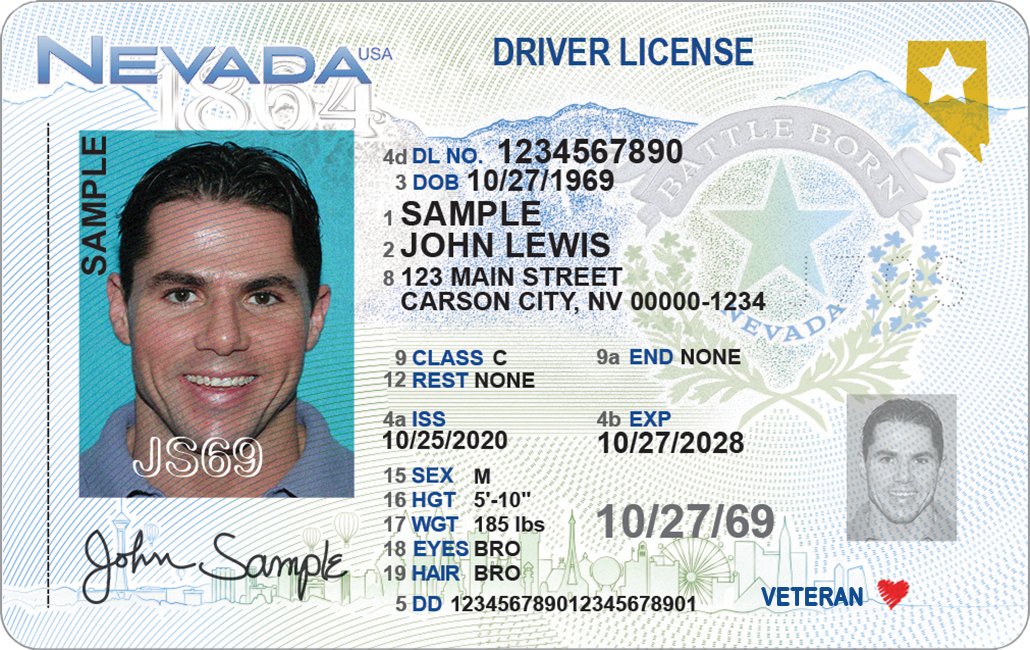
The concept of the Real ID stems from the Federal Real ID Act of 2005, a legislative response to the September 11th terrorist attacks. Its primary aim is to establish minimum security standards for the issuance and production of state driver’s licenses and identification cards. When the deadline for enforcement arrives, a standard driver’s license or state ID will no longer be sufficient for boarding federally regulated commercial aircraft or entering certain federal buildings. This makes obtaining a Nevada Real ID a practical necessity for many. This guide will delve into the visual characteristics of the Nevada Real ID, highlighting the security features and design elements that set it apart, ensuring you can readily identify and utilize yours with confidence.
Understanding the Nevada Real ID: A Visual and Functional Overview
The Nevada Real ID is designed to be both aesthetically pleasing and highly secure. It incorporates a range of visual cues and advanced security features that distinguish it from older, non-compliant identification cards. For travelers, particularly those planning to fly domestically, this card is the key to avoiding potential delays and complications at airport security checkpoints. The Nevada Department of Motor Vehicles (DMV) has implemented a robust system for issuing these cards, ensuring that each one meets federal standards.
Key Visual Distinctions of the Nevada Real ID
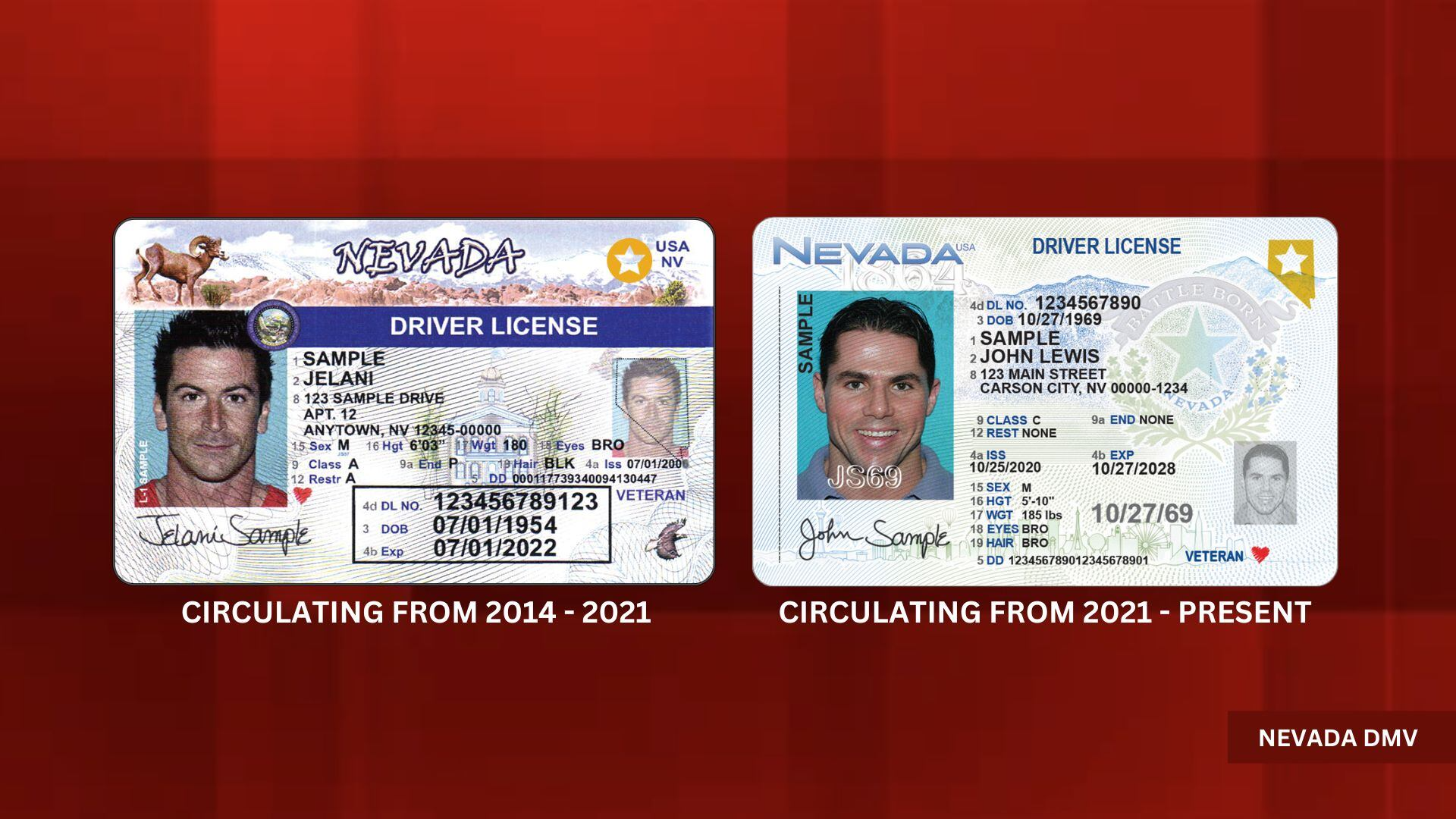
The most immediate way to identify a Nevada Real ID is through its prominent markings and design. Unlike a standard Nevada driver’s license or ID, the Real ID bears a specific, federally recognized symbol. This symbol is a clear indicator that the card has been issued in compliance with the Federal Real ID Act. The placement and appearance of this symbol are standardized, making it easily recognizable to officials.
The Official “Star” Emblem
The hallmark of a Nevada Real ID is the presence of a small, gold or black circular star in the upper right-hand corner of the card. This star, often referred to as the “star punch” or “star mark,” is a universally recognized symbol of a compliant identification document. Its inclusion signifies that the applicant has provided satisfactory proof of identity, date of birth, social security number, and two proofs of Nevada residency, undergoing a rigorous verification process by the Nevada DMV. This small but crucial detail is what differentiates a Real ID from a standard driver’s license or state ID.
Enhanced Security Features Integrated into the Design
Beyond the star emblem, the Nevada Real ID incorporates a multitude of sophisticated security features designed to prevent counterfeiting and fraud. These features are often subtle and require closer inspection, contributing to the card’s overall integrity. Understanding these elements can further assure you of the card’s authenticity and compliance.
- Ghost Image: A smaller, secondary photograph of the cardholder is typically printed on the card, often superimposed over other text or graphics. This “ghost image” is a common security feature on many modern identification documents.
- Laser Engraving: Many details on the Nevada Real ID, including the cardholder’s name, address, and issuing agency information, may be laser-engraved rather than printed. This method is far more difficult to replicate than traditional printing techniques.
- Microprinting: Extremely small text, often too small to be read without magnification, is frequently used to print lines, borders, or even parts of the cardholder’s information. This microprinting is a hallmark of secure identification.
- UV Ink: Certain elements of the card design, such as the star emblem itself or specific background patterns, may be printed with ultraviolet (UV) ink. These markings become visible only when the card is exposed to ultraviolet light, a common tool used by security personnel.
- Raised Tactile Features: Some versions of the Nevada Real ID may incorporate raised lettering or graphics, allowing individuals to feel distinct textures on the card. This tactile element adds another layer of security and helps verify authenticity.
- Guilloche Patterns: Intricate, overlapping geometric patterns, known as guilloche, are often used in the background of secure documents. These complex designs are difficult to reproduce accurately and can help deter sophisticated counterfeiters.
The combination of the visible star and these hidden security features makes the Nevada Real ID a robust and trustworthy identification document.
Obtaining Your Nevada Real ID: The Application Process
Acquiring a Nevada Real ID involves more than simply visiting your local Nevada DMV office. The process is designed to be thorough, ensuring that all applicants meet the federal requirements for identity verification. It’s crucial to be well-prepared before your appointment to ensure a smooth and efficient experience.
Required Documentation: Proving Your Identity and Residency
To apply for a Nevada Real ID, you will need to present a specific set of documents. These documents are categorized to prove your identity, social security number, and your residential address within Nevada. Missing any of these required items can lead to your application being denied or delayed.
- Proof of Identity: This typically includes original or certified copies of documents such as a U.S. birth certificate, a U.S. passport, or an Certificate of Citizenship.
- Proof of Social Security Number: This can be satisfied with your Social Security card, a W-2 form, or a pay stub with your full name and Social Security number.
- Proof of Nevada Residency: You will need to provide at least two documents that show your current residential address in Nevada. Examples include utility bills (gas, electric, water), bank statements, mortgage statements, or lease agreements. The documents must be recent, typically dated within the last 60 days for utility bills and 90 days for financial statements.
- Proof of Legal Presence (if applicable): If you are not a U.S. citizen, you will need to provide documentation of your lawful status in the United States, such as a valid permanent resident card or an Employment Authorization Document.
It is highly recommended to visit the official Nevada DMV website for the most up-to-date and comprehensive list of acceptable documents, as requirements can sometimes be updated.
The Application Appointment and Card Issuance
Once you have gathered all the necessary documentation, you will need to schedule an appointment at a Nevada DMV office. While walk-in services may be available, appointments are generally preferred and can significantly reduce your waiting time. During your appointment, a DMV representative will review your documents, verify your identity, and take your photograph and signature.
The Nevada Real ID card is not typically issued on the spot. After your application is approved, the card will be mailed to your verified Nevada address. This mailing process usually takes several weeks. Therefore, it is advisable to apply for your Nevada Real ID well in advance of any planned travel or when your current identification is nearing its expiration date. The temporary paper license you receive after your appointment may be used for travel until your permanent card arrives, but it’s crucial to confirm this with the DMV representative.
The Importance of the Nevada Real ID for Travelers
The primary impetus behind the Federal Real ID Act and the issuance of compliant identification cards like the Nevada Real ID is to enhance national security, particularly in the realm of air travel. For individuals residing in or visiting Nevada, understanding the implications of this legislation is crucial for maintaining seamless travel experiences.
Domestic Air Travel Requirements
Starting from the designated enforcement date, a Nevada Real ID will be a mandatory requirement for all individuals seeking to board commercial aircraft within the United States. This means that if you intend to fly from McCarran International Airport in Las Vegas or any other airport across the country, your standard driver’s license or state ID will no longer be sufficient if it does not bear the Real ID star.
The Transportation Security Administration (TSA) will be responsible for enforcing these new identification standards at airport security checkpoints. Travelers who present non-compliant identification will be denied boarding. This underscores the necessity for Nevada residents to obtain their Real ID if they plan to travel by air. The convenience and peace of mind associated with a compliant ID cannot be overstated, especially when considering the potential stress and disruption caused by being turned away at an airport.
Accessing Federal Facilities and Military Bases
Beyond air travel, the Nevada Real ID will also be required for individuals seeking to access certain federal facilities. This includes government buildings, courthouses, and military bases. While the specific list of facilities may vary, the general principle is that enhanced security will be enforced through compliant identification.
For Nevada residents who need to visit federal offices for official business, or for those whose work requires access to military installations like Nellis Air Force Base or Naval Air Station Fallon, obtaining a Real ID is a practical necessity. It ensures that you can conduct your affairs and fulfill your responsibilities without encountering identification-related barriers.
Nevada Real ID vs. Standard Driver’s License: Key Differences
While both a standard Nevada driver’s license and a Nevada Real ID serve as official forms of identification, their functional capabilities and underlying security standards differ significantly. Understanding these distinctions is vital for making an informed decision about which type of identification best suits your needs.
Compliance with Federal Standards
The most fundamental difference lies in their compliance with the Federal Real ID Act of 2005. A Nevada Real ID has undergone a rigorous verification process to meet the minimum security standards set forth by the federal government. This includes stringent document requirements and enhanced security features embedded within the card itself.
A standard Nevada driver’s license or identification card, while a valid form of state identification, does not necessarily meet these federal security mandates. Unless it bears the tell-tale star emblem, it will not be accepted for domestic air travel or entry into certain federal facilities after the enforcement deadline. The Nevada DMV offers both options, allowing residents to choose the level of compliance that aligns with their lifestyle and travel plans.

Purpose and Applicability
The purpose and applicability of each card also highlight their differences. A standard Nevada driver’s license or ID is primarily used for everyday purposes within the state, such as driving, proving your age for purchases, and accessing state government services.
The Nevada Real ID, on the other hand, extends its applicability to federal-level requirements. It is specifically designed to facilitate domestic air travel and grant access to secure federal sites. For individuals who frequently fly or need to access federal buildings, the Real ID offers a significant advantage by eliminating potential identification hurdles. For those who do not anticipate such needs, a standard license may suffice, though the long-term trend suggests an increasing reliance on Real ID-compliant documents.
Choosing between a standard license and a Nevada Real ID depends on your personal circumstances and future plans. However, with the ongoing federal mandates, the Nevada Real ID is becoming the de facto standard for essential travel and access, making it an increasingly important document for residents of the Silver State.
LifeOutOfTheBox is a participant in the Amazon Services LLC Associates Program, an affiliate advertising program designed to provide a means for sites to earn advertising fees by advertising and linking to Amazon.com. Amazon, the Amazon logo, AmazonSupply, and the AmazonSupply logo are trademarks of Amazon.com, Inc. or its affiliates. As an Amazon Associate we earn affiliate commissions from qualifying purchases.