
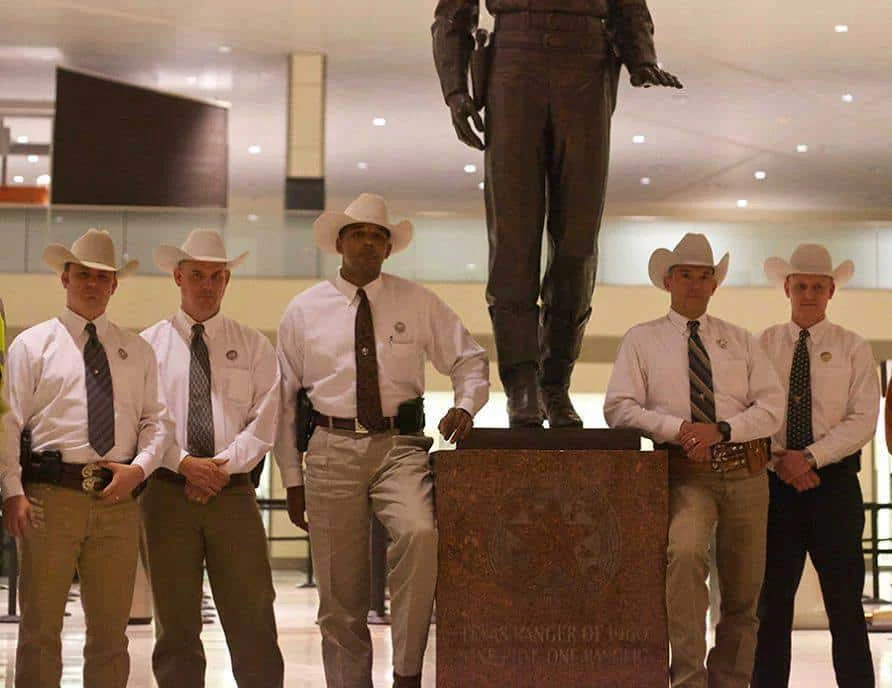
The iconic image of a Texas Ranger evokes a rugged figure, a symbol of law and order on the vast and often untamed frontiers of the Lone Star State. But beyond the legend and the cinematic portrayals, what exactly does a Texas Ranger do in the modern era? While the romanticized notions of gun-slinging lawmen chasing outlaws across the plains may have faded into history, the Texas Ranger Division remains a vital and highly respected law enforcement agency within the Texas Department of Public Safety. Their duties are multifaceted, encompassing complex criminal investigations, specialized tactical operations, and providing a crucial presence in a state as geographically diverse and populous as Texas.

The Ranger Division is not a monolithic entity; its members are deployed across the state, each with specific responsibilities and expertise. Their work often involves operating in conjunction with other law enforcement agencies, lending their unique investigative skills and experience to cases that require a higher level of proficiency or a broader jurisdictional reach. From the bustling metropolises of Houston and Dallas to the remote ranches of West Texas, Rangers are the state’s elite investigators, tackling some of the most challenging crimes.
The Evolving Role of a Texas Ranger
The history of the Texas Rangers is deeply intertwined with the history of Texas itself. Established in 1823 by Stephen F. Austin, they were initially tasked with protecting settlers from Native American raids and later played a significant role in the Texas Revolution and the Mexican-American War. Over the centuries, their mandate has evolved from frontier defense to sophisticated law enforcement. Today, their duties are far removed from the singular focus of frontier policing and have expanded to address the complexities of modern criminal activity.
Historical Roots and Modern Mandates
The early days of the Texas Rangers were characterized by their independent nature and their ability to operate with significant autonomy. They were the primary law enforcement presence in many areas, responsible for everything from border protection to bringing criminals to justice. This historical legacy has shaped the perception of the Rangers as a highly capable and independent force. While they still maintain a degree of autonomy, their operations are now integrated within the larger framework of the Texas Department of Public Safety, ensuring coordination and adherence to state-wide law enforcement strategies.
Their historical reputation for tenacity and effectiveness continues to inform their modern-day mission. The Rangers are often called upon to investigate crimes that have eluded local law enforcement or that have complex jurisdictional issues. This might include major felony investigations such as homicides, serial crimes, public corruption, and organized crime. The historical precedent of the Rangers being the “go-to” investigators for the state’s toughest cases remains a cornerstone of their current operations.
Key Responsibilities and Investigative Focus
The contemporary Texas Ranger is a highly trained investigator, equipped with advanced skills and resources to tackle a wide array of criminal enterprises. Their investigative focus is broad, reflecting the diverse criminal landscape of Texas. They are not general patrol officers; rather, they are specialists who are deployed when their expertise is most needed.
Major Felony Investigations
A significant portion of a Texas Ranger’s work involves the investigation of major felonies. This can include:

- Homicide Investigations: Rangers often lead or assist in the investigation of murders, particularly those that are high-profile, complex, or involve multiple jurisdictions. Their experience in meticulous evidence collection, witness interviews, and crime scene analysis is invaluable in these critical cases. They work to build a comprehensive understanding of the events leading up to and following a homicide, aiming to bring perpetrators to justice.
- Serial Crimes: Investigating patterns of criminal behavior, such as serial killings or burglaries, is another area where Rangers excel. Their ability to connect seemingly disparate incidents across different regions of the state allows them to identify and apprehend individuals responsible for a string of offenses. This requires a keen eye for detail and an understanding of criminal modus operandi.
- Public Corruption: The Rangers are also tasked with investigating corruption within government agencies and public offices. This sensitive work requires discretion, thoroughness, and a deep understanding of legal and ethical boundaries. They are often the investigative body for rooting out misconduct that can undermine public trust.
- Organized Crime: Combating sophisticated organized criminal groups, including drug cartels, gangs, and other illicit organizations, is a major priority. Rangers work to disrupt these operations, dismantle their networks, and prosecute those involved. This often involves extensive surveillance, intelligence gathering, and inter-agency cooperation.
- Major Thefts and Property Crimes: While not always the primary focus, Rangers can be involved in investigating large-scale theft rings or complex property crimes that have a significant economic impact on the state. This could include insurance fraud rings or high-value stolen property cases.
Specialized Tactical Operations
Beyond traditional investigations, Texas Rangers also engage in specialized tactical operations that require a unique skill set and level of preparedness.
- Apprehension of Fugitives: When fugitives pose a significant threat or have evaded capture by local law enforcement, Rangers may be called in to assist in their apprehension. This often involves high-risk warrant service and tactical planning to ensure the safety of officers and the public.
- Civil Disturbances and Riots: In situations of widespread civil unrest or potential riots, Rangers can be deployed to provide support to local law enforcement agencies. Their experience in de-escalation and crowd control is critical in these volatile scenarios.
- Protection of State Officials and Dignitaries: As part of their broader mandate to maintain order and security within the state, Rangers may be involved in providing protection to government officials, visiting dignitaries, or witnesses in sensitive cases. This requires a high level of vigilance and security protocol.
- Disaster Response Support: During natural disasters or major emergencies, Rangers often provide critical support to emergency response efforts. This can include search and rescue operations, maintaining security in affected areas, and assisting with the overall coordination of relief efforts. Their presence can be crucial in ensuring that resources are managed effectively and that public safety is maintained in chaotic environments.
Training, Selection, and the Ranger Lifestyle
Becoming a Texas Ranger is a rigorous and highly selective process, demanding exceptional skills, unwavering dedication, and a proven track record in law enforcement. The lifestyle of a Ranger is one of constant preparedness and often involves extended periods away from home, making it a challenging yet rewarding career path.
The Path to Becoming a Ranger
The selection process for a Texas Ranger is one of the most competitive in law enforcement. Candidates are typically experienced law enforcement officers with a minimum number of years in service, often with a background in criminal investigation. They must demonstrate exceptional performance in their current roles, possess outstanding leadership qualities, and pass a comprehensive background investigation, psychological evaluations, and a stringent physical fitness test. The training is ongoing, ensuring that Rangers remain at the forefront of investigative techniques and tactical procedures. This commitment to continuous learning is essential in an ever-evolving criminal landscape.
The skills honed by Rangers are diverse, encompassing advanced investigative techniques, tactical proficiency, legal knowledge, and strong interpersonal communication. They are adept at conducting complex interviews, analyzing crime scenes, gathering intelligence, and working collaboratively with other agencies. Their expertise extends to understanding the nuances of different criminal activities, from white-collar crime to violent offenses.
A Life of Service and Dedication
The life of a Texas Ranger is characterized by a profound sense of duty and a commitment to public service. Their work often requires them to travel extensively across the state, sometimes on short notice, and to work long hours, including nights, weekends, and holidays. This demanding schedule can place a strain on personal lives, but it is a sacrifice that most Rangers willingly make for the opportunity to serve and protect the citizens of Texas.
The Rangers operate in a way that fosters a deep respect within the law enforcement community and among the public. Their reputation for integrity, professionalism, and unwavering dedication to justice precedes them. Whether investigating a cold case that has haunted a community for years or responding to a critical incident that threatens public safety, Texas Rangers embody the spirit of vigilance and commitment that has defined the organization for nearly two centuries. Their role, though evolved, remains central to maintaining order and ensuring justice throughout the vast and diverse landscape of Texas.
LifeOutOfTheBox is a participant in the Amazon Services LLC Associates Program, an affiliate advertising program designed to provide a means for sites to earn advertising fees by advertising and linking to Amazon.com. Amazon, the Amazon logo, AmazonSupply, and the AmazonSupply logo are trademarks of Amazon.com, Inc. or its affiliates. As an Amazon Associate we earn affiliate commissions from qualifying purchases.