
The name “Baja California” resonates with images of sun-drenched beaches, rugged deserts, and vibrant cultural tapestries. More than just a geographical designation, it encapsulates a rich history, a unique identity, and a profound allure for travelers worldwide. For many, it signifies an escape, an adventure, and a taste of Mexico’s extraordinary diversity. But to truly understand what “Baja California” means, one must delve into its etymology, its distinct geography, its fascinating historical evolution, and its dynamic presence as a premier travel destination.
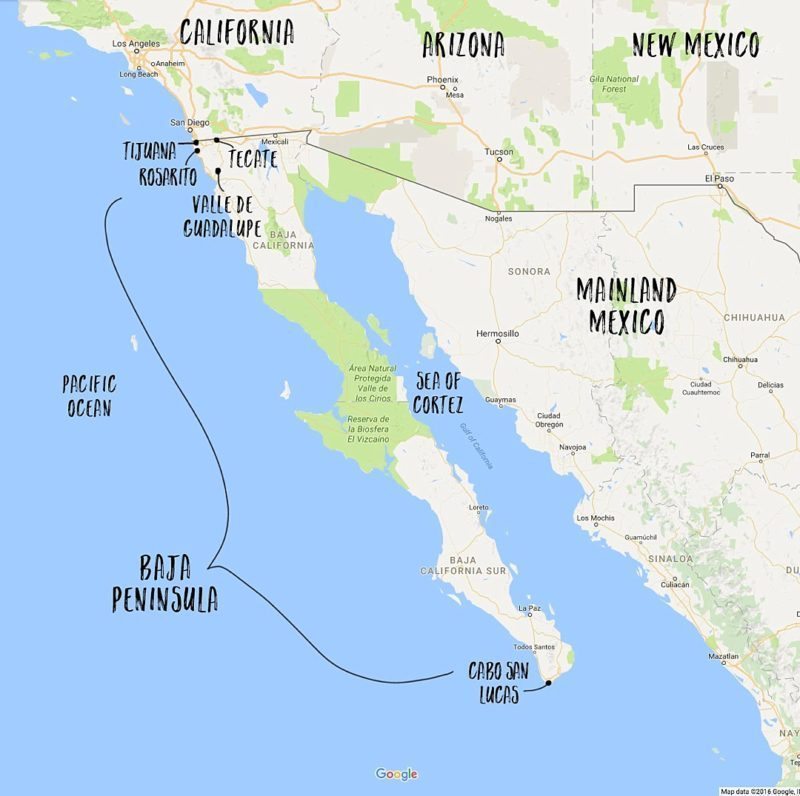
At its core, “Baja California” refers to the long, narrow peninsula that juts south from the southwestern United States border, separating the Pacific Ocean from the Sea of Cortez (also known as the Gulf of California). This peninsula is politically divided into two Mexican states: Baja California (the northern half) and Baja California Sur (the southern half). The term “Baja” itself is Spanish for “lower,” distinguishing it from “Alta California” – the “upper California” that now comprises the U.S. state of California. Thus, the name literally translates to “Lower California,” a straightforward geographical descriptor that belies the complex and captivating narrative behind its existence.
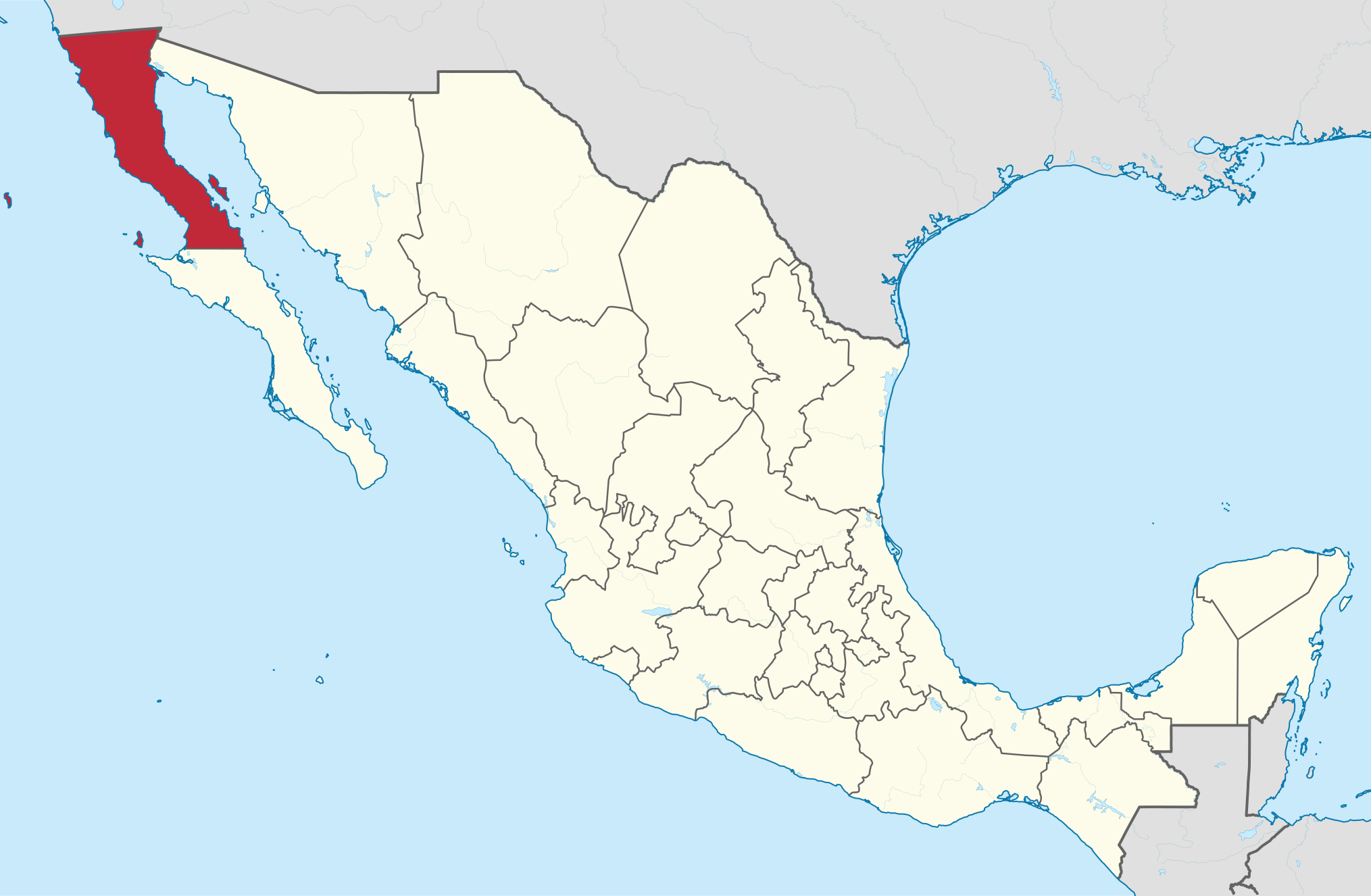
A Tale of Two Californias: Geography and Etymology
The story of “Baja California” begins with a blend of ancient myths and European exploration, ultimately shaping the identity of this extraordinary landmass.
The Name’s Origin: California and its Mythical Roots
The very name “California” predates the arrival of Europeans to the Americas. It first appeared in a popular Spanish chivalric novel from 1510, Las Sergas de Esplandián (The Adventures of Esplandián), written by Garci Rodríguez de Montalvo. In this fantastical tale, California was depicted as an island paradise, rich in gold and jewels, inhabited by fierce Amazons and ruled by Queen Calafia. This mythical land was described as “very close to the Terrestrial Paradise,” a place of incredible wealth and exotic wonders.
When early Spanish explorers, including the infamous Hernán Cortés, first arrived in the region in the 1530s, they initially believed the peninsula to be an island, surrounded by what they thought was the Sea of Cortez (then often called the “Vermilion Sea“). The dazzling landscapes, the perceived isolation, and the promise of untold riches likely reminded them of the mythical California from Montalvo’s novel. The name stuck, first applied to the southern tip of the peninsula and eventually to the entire region. The myth of an island laden with gold and ruled by a powerful queen provided a romantic and adventurous moniker that has endured for centuries, transforming a fictional paradise into a tangible destination.
Geographical Distinction: Baja California vs. California, USA
The geographical meaning of “Baja California” is crucial for understanding its distinct identity. The entire California region, extending from the tip of the peninsula northwards, was once a unified territory under Spanish and later Mexican rule. However, historical events, particularly the Mexican-American War and the subsequent Treaty of Guadalupe Hidalgo in 1848, partitioned this vast land. The northern portion became part of the United States, eventually forming the state of California, often referred to as Alta California. The southern, peninsular part remained with Mexico, becoming “Baja California.”
This historical division fundamentally shaped the cultural and political trajectories of the two regions. While both share a common indigenous and Spanish colonial heritage, their modern developments diverged significantly. Baja California retained its strong Mexican character, language, and traditions, even as it developed a unique border culture due to its proximity to the United States. Its distinct identity is defined by this blend of its Mexican roots and its unique geographical and historical position.
The Peninsula’s Unique Landscape: Deserts, Mountains, and Coasts
Beyond its name and political boundaries, “Baja California” means a land of incredible natural diversity and dramatic landscapes. The peninsula is primarily an arid desert environment, characterized by vast expanses of cacti-studded terrain, including the iconic cardón cactus, the tallest species of cactus in the world. Running down the spine of the peninsula are rugged mountain ranges, such as the Sierra de la Laguna in the south and the Sierra de San Pedro Mártir in the north, home to the National Astronomical Observatory.
These desert and mountain ecosystems meet the sea on both flanks, creating breathtaking coastal contrasts. The western shore, facing the mighty Pacific Ocean, boasts long stretches of sandy beaches, dramatic cliffs, and world-renowned surf breaks. On the eastern side, the tranquil, azure waters of the Sea of Cortez — famously called “the world’s aquarium” by Jacques Cousteau — teem with marine life, offering unparalleled opportunities for diving, snorkeling, and whale watching. This ecological richness, from barren desert to vibrant coral reefs, is a fundamental aspect of what “Baja California” means to those who explore its natural wonders.
Beyond the Name: A Rich Tapestry of Culture and History
The meaning of “Baja California” extends deeply into its human story, a narrative woven from ancient civilizations, colonial ambitions, and modern resilience.
Indigenous Heritage and Colonial Influence
Before the Spanish arrival, various indigenous groups, such as the Cochimí, Guaycura, and Pericú, inhabited the peninsula, leaving behind ancient rock art and a profound connection to the land. Their sophisticated understanding of the harsh desert environment allowed them to thrive for millennia. The arrival of the Spanish in the 16th century marked a dramatic shift. While initial attempts at colonization were difficult due to the challenging terrain and fierce resistance, the Jesuit missions, starting with Mission Loreto in 1697, gradually established a presence. These missions, like Mission San Ignacio Kadakaamán or Mission Santa Rosalía de Mulegé, became centers of religious conversion and agricultural development, shaping the early colonial landscape.
The legacy of this colonial past is evident in the architecture, the names of towns and landmarks, and the predominantly Catholic faith of the region. However, this history is also tinged with the tragic decline of indigenous populations due to disease and cultural upheaval. Today, while the original indigenous languages are largely lost, a renewed interest in preserving the remaining cultural heritage and history provides a deeper dimension to the meaning of “Baja California.”
Modern Identity: A Blend of Mexican and International Flavors

In the modern era, “Baja California” has forged an identity that is distinctively Mexican yet profoundly influenced by its global connections, particularly with the United States. This border region acts as a vibrant cultural crossroads, leading to a unique fusion visible in its cuisine, art, and lifestyle. Cities like Tijuana, just across from San Diego, are dynamic hubs of innovation, with a thriving arts scene, burgeoning culinary trends (like Baja Med cuisine), and a youthful energy that defies stereotypes.
Further south, destinations like Ensenada and La Paz maintain a more traditional Mexican charm while still welcoming international visitors with open arms. The southern tip, encompassing Cabo San Lucas and San Jose del Cabo, has evolved into a world-class luxury destination, attracting celebrities and high-end travelers. This duality – embracing its authentic Mexican heritage while also catering to an international audience – is a key facet of what “Baja California” means today.
Famous Landmarks and Cities
The very mention of “Baja California” conjures images of iconic landmarks and vibrant cities, each contributing to the peninsula’s diverse character:
- Tijuana: Often the first point of entry for many, Tijuana is a bustling border city renowned for its lively nightlife, burgeoning craft beer scene, and innovative culinary offerings. It represents the modern, dynamic face of “Baja California.”
- Ensenada: A major port city, Ensenada is famous for its blowhole, La Bufadora, fresh seafood, and proximity to the Valle de Guadalupe wine region.
- Valle de Guadalupe: This wine country has transformed “Baja California” into a recognized wine destination, with dozens of wineries producing award-winning vintages and pioneering the acclaimed Baja Med cuisine.
- La Paz: The capital of Baja California Sur, La Paz offers a more laid-back atmosphere, a beautiful malecón (waterfront promenade), and serves as a gateway to the stunning Espíritu Santo Island and Isla Partida, designated UNESCO World Heritage Sites.
- Loreto: Considered the oldest settlement in Baja California, Loreto boasts historical charm, a well-preserved mission, and access to the Loreto Bay National Marine Park, a haven for marine biodiversity.
- Todos Santos: A designated “Pueblo Mágico” (Magical Town), Todos Santos is an artistic oasis nestled between the desert and the Pacific Ocean, known for its galleries, boutique hotels, and bohemian vibe.
- Cabo San Lucas and San Jose del Cabo (collectively Los Cabos): These twin cities at the very tip of the peninsula are synonymous with luxury resorts, championship golf courses, vibrant nightlife, and iconic natural formations like El Arco at Land’s End.
Baja California as a Premier Travel Destination
Ultimately, what “Baja California” means to many is an extraordinary travel destination, offering an unparalleled range of experiences that cater to every type of lifestyle and traveler.
Diverse Travel Experiences: From Adventure to Relaxation
Whether seeking adrenaline-pumping adventures or tranquil escapes, “Baja California” delivers. The Pacific coast is a surfer’s paradise, with legendary waves in areas like Todos Santos and beyond. The rugged interior beckons off-road enthusiasts with its famous Baja 1000 race route, while hikers can explore diverse trails in mountain ranges like the Sierra de San Francisco, home to ancient cave paintings that are a UNESCO World Heritage Site.
For those seeking relaxation, the pristine beaches of the Sea of Cortez provide idyllic settings for sunbathing and swimming. Wellness retreats and luxury spas are increasingly popular, offering a serene escape. Families will find endless activities, from snorkeling in calm waters to exploring child-friendly attractions. The blend of adventure and tranquility ensures that “Baja California” can mean something unique to every visitor, making it a truly versatile destination.
Accommodation Choices: Hotels, Resorts, and Unique Stays
The accommodation landscape in “Baja California” is as diverse as its scenery. From ultra-luxury resorts to charming boutique hotels, there’s an option for every budget and preference. In Los Cabos, opulent properties like The Resort at Pedregal and Esperanza, Auberge Resorts Collection offer world-class amenities, private villas, and unparalleled service, defining the high-end “Baja California” experience. Boutique hotels such as Hotel El Ganzo in San Jose del Cabo or Rancho Pescadero near Todos Santos provide intimate, design-forward experiences.
For budget travelers, numerous guesthouses, hostels, and campgrounds are available, particularly in surf towns and less developed areas. The rise of vacation rentals and apartments also offers options for longer stays or those seeking a more local immersion. Whether you’re looking for an all-inclusive resort with every amenity, a rustic glamping experience under the stars, or a cozy apartment in a vibrant city, “Baja California” has expanded its offerings to meet the growing demand for diverse accommodation choices.
Culinary Delights: Baja Med Cuisine and Local Flavors
One of the most delicious meanings of “Baja California” lies in its culinary scene. The region is celebrated for its fresh seafood, straight from the Pacific and Sea of Cortez, and its innovative Baja Med cuisine. This fusion style, originating in the Valle de Guadalupe, blends traditional Mexican ingredients and techniques with Mediterranean influences and Asian touches, emphasizing fresh, local, and seasonal produce. Restaurants like Deckman’s en el Mogor or Corazón de Tierra have put Baja California on the global culinary map.
Beyond fine dining, street food is a cornerstone of the local experience. Fish tacos from a roadside stand in Ensenada, fresh ceviche on the malecón in La Paz, or the famous lobster in Puerto Nuevo offer authentic tastes of the region. Farms-to-table restaurants, such as Flora Farms and Acre Baja near San Jose del Cabo, highlight the agricultural bounty that thrives despite the desert climate. To experience “Baja California” is to savor its flavors, from rustic traditional dishes to avant-garde culinary creations.
Activities and Attractions: Whale Watching, Surfing, Wine Tasting
The array of activities available further defines what “Baja California” means as a destination. Winter months bring the spectacular migration of gray whales to the warm lagoons of the Pacific coast, such as Laguna San Ignacio and Ojo de Liebre Lagoon near Guerrero Negro, offering intimate encounters with these magnificent creatures. Diving and snorkeling in the Sea of Cortez reveal a vibrant underwater world, often referred to as a “Galapagos of North America.” Fishing charters depart daily from many coastal towns, seeking marlin, dorado, and tuna.
Inland, the Valle de Guadalupe invites visitors to indulge in wine-tasting tours, often paired with gourmet meals. Cultural tours explore the colonial missions and historical sites in towns like Loreto and Mulegé. Adventure seekers can try kitesurfing in La Ventana, kayaking in Bahía Concepción, or even exploring the remote beauty of Bahía de los Ángeles. The sheer breadth of experiences ensures that “Baja California” embodies a continuous journey of discovery for all who visit.
In essence, “Baja California” is far more than a geographical location on a map. It is a concept steeped in myth and history, a land of striking natural contrasts, and a vibrant cultural mosaic. It means adventure, relaxation, culinary excellence, and a deep connection to nature. From its mythical origins as an island paradise to its modern status as a world-class travel destination, “Baja California” truly means a place where timeless beauty meets contemporary allure, inviting all to explore its depths and discover their own unique interpretation of its magic.
LifeOutOfTheBox is a participant in the Amazon Services LLC Associates Program, an affiliate advertising program designed to provide a means for sites to earn advertising fees by advertising and linking to Amazon.com. Amazon, the Amazon logo, AmazonSupply, and the AmazonSupply logo are trademarks of Amazon.com, Inc. or its affiliates. As an Amazon Associate we earn affiliate commissions from qualifying purchases.