
California, often lauded as the Golden State, is a land of unparalleled diversity, not only in its stunning landscapes but also in its prolific output. While many associate it with Hollywood glamour and Silicon Valley innovation, its agricultural and natural resources are the bedrock of its economy and a significant contributor to the global marketplace. From sun-drenched valleys yielding an astonishing array of fruits and vegetables to its rich mineral deposits and burgeoning renewable energy sector, California’s production is a multifaceted story of abundance and ingenuity. This article delves into the key sectors that define what California produces, offering a comprehensive look at the state’s economic and agricultural might.
The Agricultural Powerhouse: California’s Bounty
California’s agricultural sector is a titan, consistently ranking as the leading agricultural producer in the United States. Its favorable climate, fertile soil, and advanced irrigation systems allow it to cultivate a staggering variety of crops that are essential to diets across the nation and beyond. The sheer scale and diversity of its agricultural output are remarkable, making it a vital component of global food security.
Fruits and Vegetables: A Cornucopia of Goodness
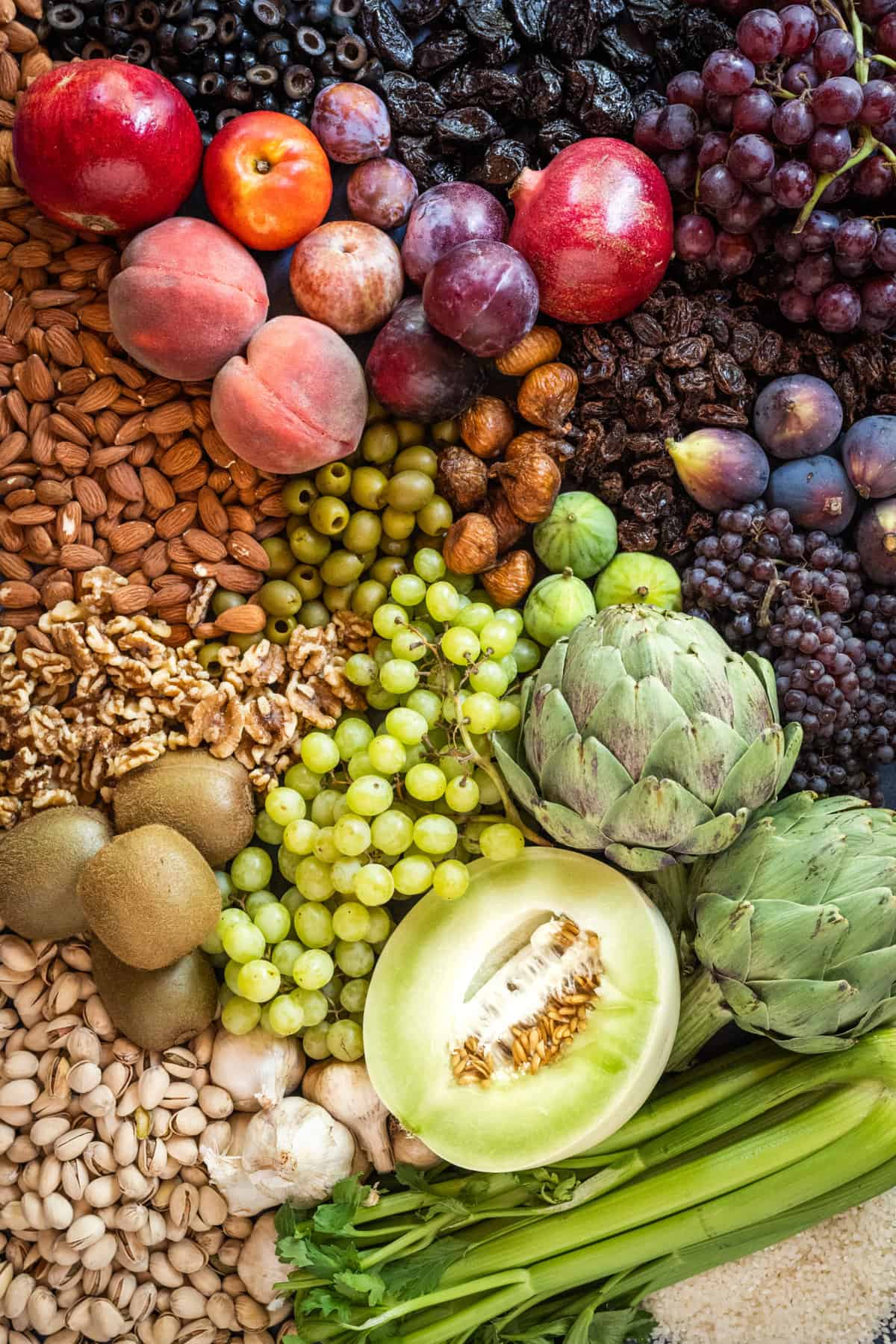
The Golden State is synonymous with fresh produce. It is the top producer of an impressive list of fruits and vegetables, including almonds, walnuts, pistachios, grapes, strawberries, avocados, tomatoes, lettuce, broccoli, carrots, and citrus fruits like oranges and lemons.
- Almonds: California is the undisputed world leader in almond production, supplying over 80% of the global supply. The Central Valley’s climate is ideal for these nutrient-dense nuts, which are a staple in healthy diets and a key ingredient in various food products.
- Grapes: From wine grapes to table grapes, California’s vineyards are legendary. The state produces the vast majority of the U.S. wine, with renowned regions like Napa Valley and Sonoma County producing world-class varietals. Table grapes are also a significant crop, enjoyed fresh around the globe.
- Strawberries: California’s strawberries are iconic, known for their vibrant color and sweet flavor. The state accounts for nearly 90% of all strawberries grown in the United States, primarily in areas like Watsonville and the Salinas Valley.
- Avocados: Hass avocados, in particular, thrive in California’s coastal microclimates, making the state a major producer of this popular and versatile fruit.
- Tomatoes: A significant portion of the nation’s processing tomatoes, used for ketchup, paste, and canned goods, are grown in California’s fertile inland valleys.
- Leafy Greens and Other Vegetables: The Salinas Valley, often called the “Salad Bowl of the World,” is a leading producer of lettuce, spinach, and other leafy greens. Broccoli, carrots, celery, and cauliflower are also major crops, contributing to the state’s reputation for providing a wide range of fresh vegetables year-round.
Dairy and Livestock: A Significant Contribution
Beyond produce, California’s dairy industry is the largest in the United States. The state’s dairy farms produce immense quantities of milk, which is processed into various dairy products like cheese, butter, and yogurt, supplying both domestic and international markets. Beef cattle ranching also plays a role, particularly in the more rural and range-heavy areas of the state.
Field Crops: Staples of the Diet
While fruits and vegetables often steal the spotlight, California also produces significant quantities of important field crops. Cotton is a major commodity, grown primarily in the San Joaquin Valley. Alfalfa, used for animal feed, is another substantial crop. Rice cultivation is also prominent in certain regions, particularly in the northern Sacramento Valley.
Natural Resources: Beyond the Farm
California’s production extends far beyond its agricultural fields, encompassing valuable natural resources that fuel industries and provide essential materials.
Mining and Minerals: Beneath the Surface
The Golden State has a rich history of mineral extraction, and this continues to be an important, albeit often overlooked, sector. While large-scale gold mining is a relic of the past, California still produces a variety of minerals.
- Construction Materials: Sand, gravel, and crushed stone are vital for the state’s massive construction projects, from roads and bridges to buildings. These materials are sourced from numerous quarries and extraction sites across the state.
- Industrial Minerals: Boron, often referred to as the “eighth mineral of life,” is a significant product of California’s Mojave Desert. Used in everything from glass and ceramics to detergents and fertilizers, boron is a critical industrial mineral. Other industrial minerals produced include feldspar, pyrophyllite, and various clays.
- Rare Earth Elements: While not produced in vast commercial quantities yet, California possesses significant deposits of rare earth elements, crucial for high-tech industries like electronics and defense. Research and development continue in this area, with potential for future large-scale production.
Timber and Forests: Sustaining Industries
California’s extensive forests, particularly in the northern part of the state, are a source of valuable timber. The redwood forests of the North Coast are iconic, and while conservation efforts are paramount, sustainable forestry practices yield lumber used in construction and manufacturing. The timber industry plays a crucial role in the economies of many rural communities.

Energy Production: Powering the Future
California is not only a major consumer of energy but also a significant producer, particularly in the realm of renewable energy. The state has been at the forefront of developing and deploying clean energy technologies.
Renewable Energy: A Green Leader
California has ambitious renewable energy goals, and its production reflects this commitment.
- Solar Power: Blessed with abundant sunshine, California is a global leader in solar energy production. Vast solar farms dot the desert landscapes, and rooftop solar installations are ubiquitous, contributing a substantial amount of electricity to the grid.
- Wind Power: The state’s windy regions, such as the Tehachapi Pass and Altamont Pass, host large wind farms that generate significant amounts of electricity.
- Geothermal Energy: Utilizing the Earth’s internal heat, California is a major producer of geothermal energy, with power plants operating in areas like The Geysers in Sonoma County.
- Hydropower: While its reliance has shifted with changing water availability, California’s numerous dams and reservoirs still contribute to its energy mix through hydropower generation.
Oil and Gas: A Traditional Source
Despite its strong push towards renewables, California remains a significant producer of crude oil and natural gas. While production has declined from its peak, these traditional energy sources continue to play a role in the state’s economy, particularly in regions like the southern Central Valley and coastal basins.
Manufactured Goods and Technology: Innovation and Production
Beyond raw materials and agricultural products, California is a hub for sophisticated manufacturing and cutting-edge technological development. While often discussed in terms of innovation and intellectual property, these advancements translate into tangible manufactured goods.
Technology and Electronics: The Silicon Valley Effect
Silicon Valley, located in the heart of the San Francisco Bay Area, is the epicenter of the global technology industry. This region produces an array of high-value goods, including semiconductors, computers, smartphones, software, and advanced electronic components. The intricate supply chains and manufacturing processes involved in bringing these innovations to market represent a massive production output.
Aerospace and Defense: High-Tech Manufacturing
California has a long and storied history in the aerospace and defense industries. Major companies in Southern California design and manufacture aircraft, spacecraft, satellites, and sophisticated defense systems, contributing significantly to national security and technological advancement.
Food Processing and Beverages: Value Addition
The abundance of agricultural products naturally leads to a robust food processing industry. California is a major producer of processed foods, including canned fruits and vegetables, juices, dairy products, baked goods, and processed meats. The state is also a significant producer of alcoholic beverages, from its world-renowned wines and craft beers to spirits.

Biomedical and Pharmaceutical: Health and Innovation
The state’s strong research institutions and venture capital ecosystem have fostered a thriving biomedical and pharmaceutical sector. Companies here are engaged in the research, development, and manufacturing of life-saving drugs, medical devices, and cutting-edge biotechnologies, representing a highly valuable segment of California’s production.
California’s output is a testament to its rich natural endowment, innovative spirit, and industrious workforce. From the food on our tables to the technology in our hands and the energy powering our lives, the Golden State continues to produce an extraordinary range of goods and services that shape the world.
LifeOutOfTheBox is a participant in the Amazon Services LLC Associates Program, an affiliate advertising program designed to provide a means for sites to earn advertising fees by advertising and linking to Amazon.com. Amazon, the Amazon logo, AmazonSupply, and the AmazonSupply logo are trademarks of Amazon.com, Inc. or its affiliates. As an Amazon Associate we earn affiliate commissions from qualifying purchases.