
Redefining Hospitality: The Evolution of Wellness Travel
For decades, checking into a hotel meant surrendering your healthy routines. Traveling often equated to interrupted sleep schedules, heavy restaurant dining, and a sedentary lifestyle forced upon you by cramped spaces and unfamiliar environments. Whether you were staying at the luxurious Ritz-Carlton in New York or a boutique property in Paris, the concept of wellness was typically limited to a subterranean gym with a few treadmills or a generic spa menu. Today, however, the paradigm has shifted dramatically. Staying well in a hotel room is no longer an afterthought; it is a holistic, intentional approach to personal health that integrates seamlessly into the modern hospitality experience.

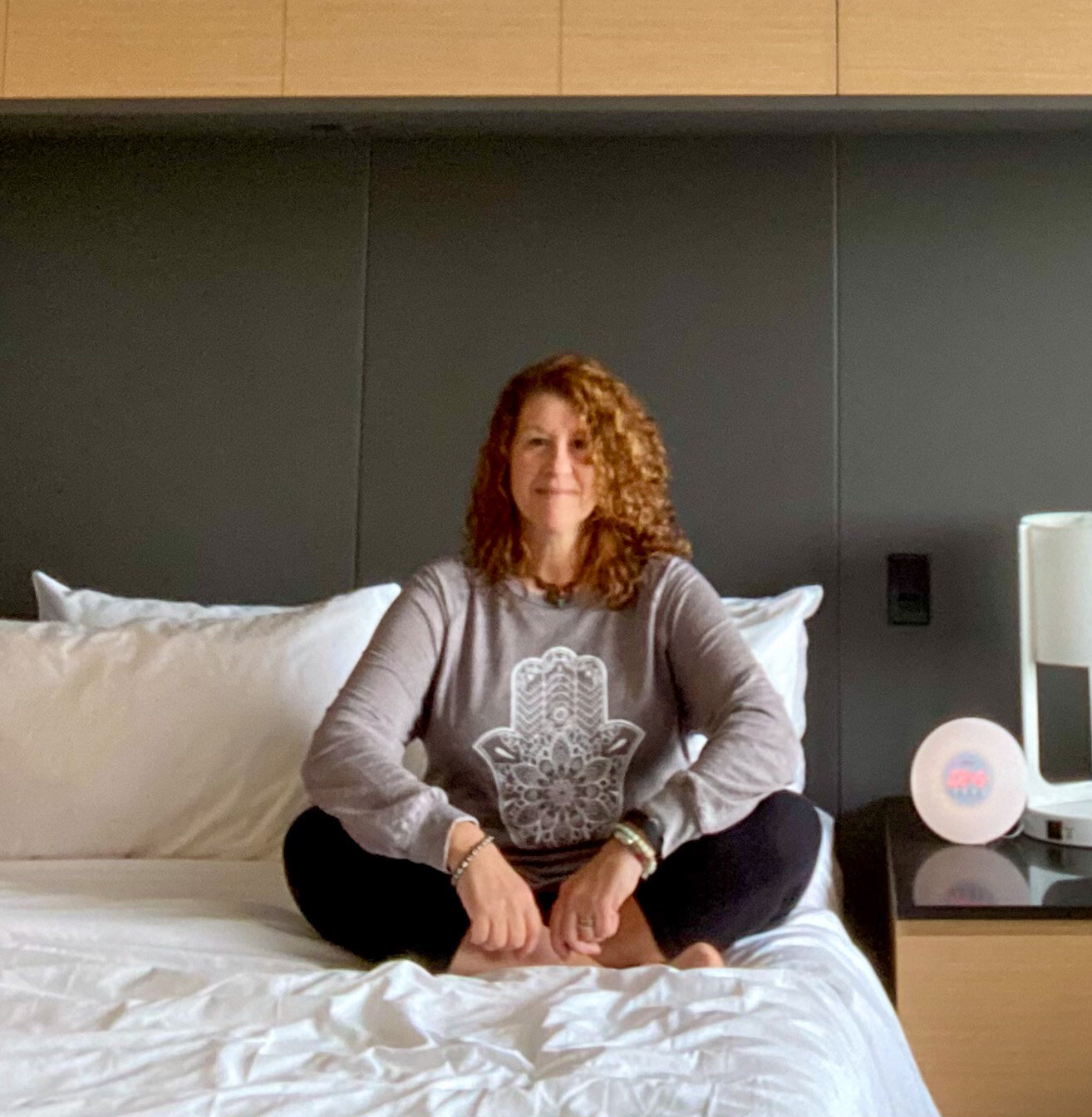
To stay well in a hotel room means transforming a temporary, sterile environment into a sanctuary of physical vitality and mental peace. It encompasses how well you sleep, the air you breathe, the movement you incorporate into your day, and the digital boundaries you set to protect your cognitive energy. Properties worldwide—from the eco-conscious retreats in Bali to urban sanctuaries like the Mandarin Oriental—are redesigning their spaces to support this philosophy. They are recognizing that true luxury today is not just about marble bathrooms and thread-count linens, but about waking up feeling restored, energized, and balanced.
Cultivating Restorative Sleep Environments
The Science of Hotel Sleep Hygiene
Sleep is the cornerstone of wellness, yet it is notoriously difficult to achieve in a strange room. A truly well-designed hotel room addresses the circadian rhythm through advanced lighting, acoustic architecture, and climate control. Properties partnering with sleep scientists ensure that rooms feature total blackout drapes that block out the neon glare of cities like Tokyo or London. Furthermore, advanced HVAC systems filter particulate matter while maintaining optimal ambient temperatures, mimicking the ideal biological conditions for deep restorative sleep.
Bedding, Aromatherapy, and Circadian Lighting
Beyond the physical infrastructure, staying well involves curating your personal sleep ritual. High-end hospitality brands now offer pillow menus filled with ergonomic, hypoallergenic, and memory-foam options. To anchor your senses, you can utilize travel-sized diffusers featuring lavender or chamomile essential oils. When morning arrives, mimicking natural sunlight through smart lighting systems or opening curtains immediately helps reset your internal clock, mitigating the grogginess associated with jet lag.

Nourishing the Body and Mind Indoors
Mindful Nutrition and Hydration
Minibars historically stocked sugary sodas, heavy alcohols, and processed snacks. A wellness-centric hotel room flips this script, offering hydration stations, locally sourced herbal teas, and nutrient-dense snacks like activated almonds and fresh fruit. Staying well means keeping your body fueled properly, especially when crossing time zones. Drinking structured or filtered water provided by the hotel—rather than relying on single-use plastic bottles—supports both personal health and environmental sustainability.
Ergonomics and Movement Within Four Walls
You do not need a commercial fitness center to maintain your physical practice. Staying well in a hotel room involves reclaiming the floor space for movement. Many progressive properties now leave yoga mats, resistance bands, and foam rollers right in the wardrobe.
- Morning Mobility: Dedicate fifteen minutes to dynamic stretching before stepping out.
- Desk Ergonomics: If you are traveling for business, adjust the desk chair or use ironing board adjustments to avoid “tech neck” while working on your laptop.
- Mindful Breathing: Utilize quiet corners for breathwork or meditation apps to center your thoughts before a busy day of meetings or sightseeing.
Creating a Digital Sanctuary and Mental Sanctuary
The Art of Unplugging
The modern hotel room often serves as an extension of the office, complete with high-speed Wi-Fi and smart TVs flashing notifications. To truly stay well, guests must establish psychological boundaries with their technology. Designate the bed as a screen-free zone. Turn off work notifications by early evening, and replace late-night scrolling with reading a physical book or journaling.
Sensory Minimalism and Mental Clarity
Clutter creates mental friction. When you enter your room, take a moment to unpack your suitcase rather than living out of it. Storing away loose items, hanging up clothes, and organizing your toiletries reduces visual noise. Many wellness-focused properties incorporate biophilic design principles—such as potted snake plants, natural wood finishes, and earth tones—which have been scientifically proven to lower cortisol levels and promote a sense of calm.
Conclusion: Taking Wellness Home
Staying well at a hotel room is ultimately an active practice, a mindset that you bring across the threshold. While the hospitality industry continues to innovate with air-purifying technologies, circadian lighting, and wellness-focused amenities, the ultimate responsibility lies in how you choose to inhabit the space. By prioritizing sleep, mindful nutrition, light movement, and mental tranquility, you ensure that travel enhances your life rather than depleting it. The true marker of a successful trip is returning home not needing a vacation from your vacation, but feeling deeply revitalized and ready for what comes next.
LifeOutOfTheBox is a participant in the Amazon Services LLC Associates Program, an affiliate advertising program designed to provide a means for sites to earn advertising fees by advertising and linking to Amazon.com. Amazon, the Amazon logo, AmazonSupply, and the AmazonSupply logo are trademarks of Amazon.com, Inc. or its affiliates. As an Amazon Associate we earn affiliate commissions from qualifying purchases.