
Louisiana, a state steeped in a rich tapestry of cultures and culinary traditions, is a gastronomic wonderland. Its food scene is a vibrant fusion of French, Spanish, African, and Native American influences, resulting in flavors that are both bold and nuanced. When we talk about Louisiana cuisine, the term “rub” often conjures images of smoky barbecues and slow-cooked delights. But what exactly is Louisiana rub, and what does it taste like? This exploration delves into the heart of this iconic seasoning, revealing its complex flavor profile and its indispensable role in the culinary landscape of the Bayou State.
The Essence of Louisiana Rub: A Symphony of Spices
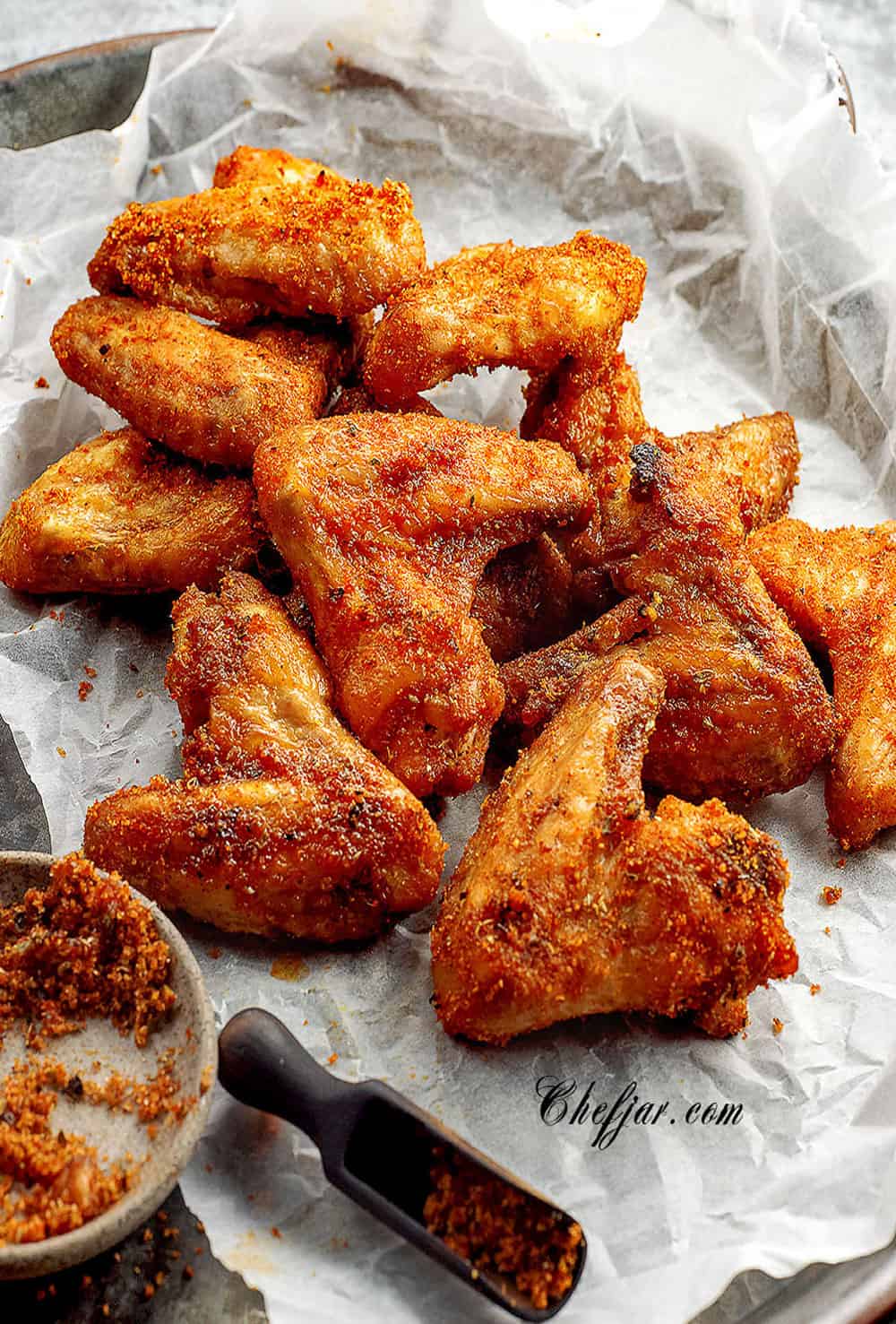
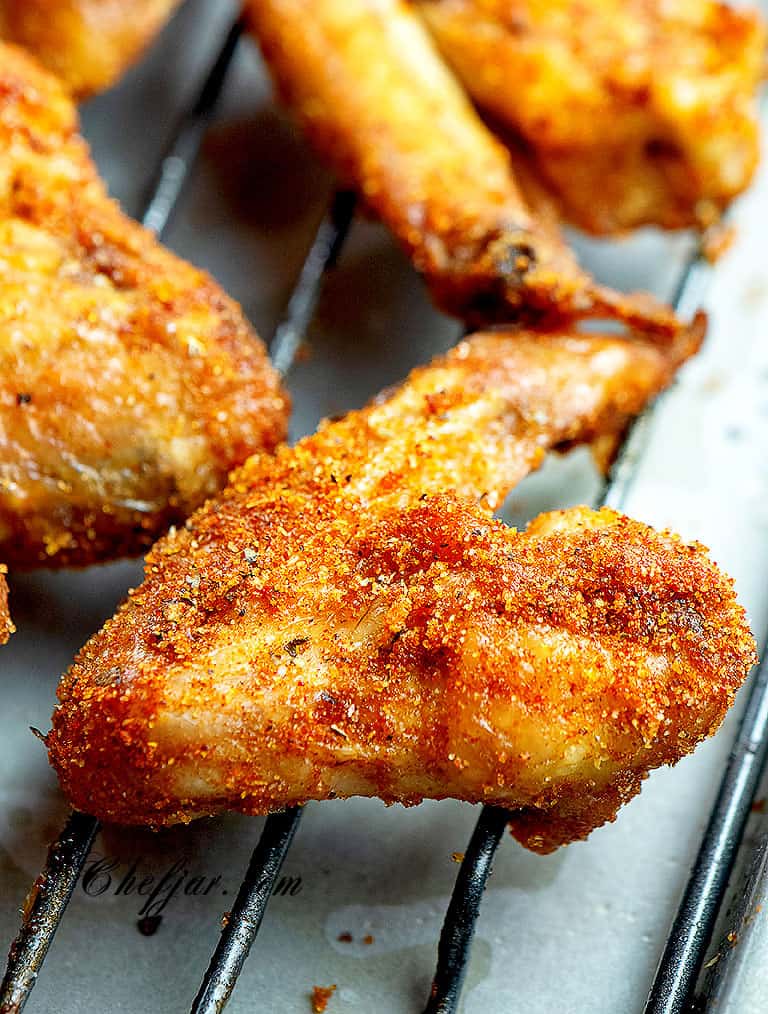
At its core, a Louisiana rub is a dry mixture of herbs and spices designed to impart deep flavor and a beautiful crust to meats and seafood before cooking. Unlike a wet marinade, a rub adheres directly to the surface, concentrating its essence as it sears and crisps. The specific blend can vary significantly from region to region within Louisiana, and even from cook to cook, but certain key ingredients form the foundation of this distinctive taste.
The Spicy Foundation: Heat and Kick
A defining characteristic of many Louisiana rubs is their inherent heat. This is not usually a searing, overwhelming fire, but rather a warm, building sensation that awakens the palate. The primary source of this heat comes from a combination of peppers.
- Cayenne Pepper: This is arguably the most crucial ingredient, providing a consistent, moderate heat that is a hallmark of Cajun and Creole cooking. It offers a pleasant warmth that complements other flavors without dominating them.
- Red Pepper Flakes: These add visual appeal and bursts of spicier heat, often varying in intensity depending on the type of chili used. They contribute to the overall complexity of the spice blend, offering moments of brighter fire.
- Paprika (Sweet and Smoked): While not directly contributing to heat, paprika plays a vital role in color and flavor. Sweet paprika offers a mild, earthy sweetness, while smoked paprika, a common addition in many Louisiana kitchens, imparts a deep, smoky undertone that evokes the essence of slow cooking over open flames. This smoky note is particularly significant in capturing the authentic flavor of Louisiana barbecue and grilling.
The Aromatic Backbone: Savory Depth and Earthiness
Beyond the heat, a well-crafted Louisiana rub possesses a robust aromatic profile that adds layers of savory complexity. These ingredients provide the grounding notes that balance the spice and create a truly memorable taste.
- Garlic Powder: This is an absolute must. Garlic powder delivers a pungent, savory depth that is essential to almost every Louisiana dish. It provides an umami richness that enhances the natural flavors of the food it coats.
- Onion Powder: Similar to garlic powder, onion powder contributes a sweet, savory foundation. It rounds out the flavor profile, adding another dimension of aromatic complexity that is subtle yet significant.
- Black Pepper: Freshly ground black pepper is vital for its sharp, pungent bite and its ability to awaken the other spices. It adds a peppery warmth that is distinct from the heat of chili peppers.
- Thyme: This herb brings an earthy, slightly minty note that is characteristic of many Creole and Cajun dishes. Thyme adds a subtle herbaceousness that cuts through richness and brightens the overall flavor.
- Oregano: Another staple herb, oregano contributes a slightly bitter, peppery, and earthy flavor. It complements the other spices, adding a Mediterranean hint that has become integrated into Louisiana’s diverse culinary heritage.
- Salt: The essential enhancer. Salt is crucial for bringing out the individual flavors of all the other ingredients and for creating that coveted crispy crust on grilled or roasted meats. It’s the conductor that ensures all the instruments play in harmony.
The Subtle Nuances: Sweetness, Tang, and a Hint of the Exotic
While the above ingredients form the bulk of most Louisiana rubs, some variations include elements that add further depth and intrigue. These additions can elevate a simple rub to something truly extraordinary.
- Brown Sugar or Turbinado Sugar: A touch of sugar is often incorporated to help with caramelization, creating a beautiful, sticky crust on grilled or roasted meats. It also provides a balancing sweetness that can temper the heat of the peppers and enhance the savory notes.
- Cumin: Though not as universally present as garlic or onion powder, cumin can add a warm, earthy, and slightly smoky note that provides an exotic twist. It’s a spice that speaks to the diverse influences in Louisiana’s culinary history.
- Mustard Powder: This can introduce a subtle tang and a different kind of peppery bite, adding another layer of complexity to the spice blend.
When these ingredients are combined in varying proportions, they create a flavor profile that is at once familiar and exciting. The taste of a Louisiana rub is a delightful interplay of:
- Warm Heat: A persistent, pleasant warmth that lingers without burning.
- Savory Depth: Rich umami notes from garlic and onion.
- Earthy Aromatics: The grounding presence of thyme and oregano.
- Slight Sweetness: A hint of caramelization and balance from sugar.
- Smoky Undertones: A suggestion of the grill or smoker, even when cooked indoors.
- Peppery Zing: The distinct bite of black pepper and chili flakes.
This complex medley of tastes makes Louisiana rub incredibly versatile, perfect for everything from a rack of ribs to grilled shrimp, and even vegetables.
Louisiana Rub in Context: Culinary Traditions and Key Dishes
Understanding the taste of Louisiana rub is incomplete without appreciating its role within the state’s vibrant culinary traditions. This seasoning is not just a random collection of spices; it’s an embodiment of the region’s history and its passion for food.
The Cajun vs. Creole Distinction: Subtle Flavor Shifts
While the terms “Cajun” and “Creole” are often used interchangeably, there are subtle differences that can sometimes be reflected in their spice blends, including rubs.
- Cajun Rubs: Historically, Cajun cuisine, born from the Acadian exiles who settled in the prairies and bayous of southwestern Louisiana, often features bolder, more rustic flavors. Cajun rubs tend to lean heavily on cayenne pepper for heat and may include a more pronounced smoky element, reflecting outdoor cooking methods. Think of the intense flavors found in dishes served in places like Lafayette or Lake Charles.
- Creole Rubs: Creole cuisine, which developed in the more cosmopolitan cities like New Orleans, often incorporates richer, more refined flavors, influenced by French and Spanish haute cuisine. Creole rubs might be slightly more balanced, perhaps with a touch more sweetness or a less aggressive spice level, though still undeniably flavorful. They can also be found in dishes served at iconic establishments in the French Quarter.
Regardless of the specific distinction, both traditions embrace a spirit of robust seasoning that the Louisiana rub perfectly encapsulates.
Iconic Dishes Where Rubs Shine
Louisiana rub is not merely a theoretical concept; it’s a practical tool that elevates countless beloved dishes.
- Barbecue: This is perhaps the most obvious application. Slow-smoked pork ribs, brisket, and chicken often benefit from a generous coating of a well-balanced Louisiana rub, creating a flavorful bark that is both tender and crispy. The smoky paprika in the rub perfectly complements the smoke from the pit.
- Grilled Seafood: The coastlines of Louisiana, from the Gulf of Mexico to the shores of Lake Pontchartrain, offer an abundance of incredible seafood. Shrimp, oysters, and fish, when tossed with a Louisiana rub before grilling, develop an irresistible sweet and spicy crust. The rub’s flavors meld beautifully with the natural sweetness of the seafood.
- Blackened Dishes: While not strictly a rub in the traditional sense of being applied before cooking and left on, the spices found in a Louisiana rub are the very foundation of the “blackening” technique popularized by Chef Paul Prudhomme. Meats and fish are coated in a potent blend of cayenne, garlic, and other spices and then seared in a smoking-hot cast-iron skillet. The result is a flavorful, dark crust that is intensely spiced.
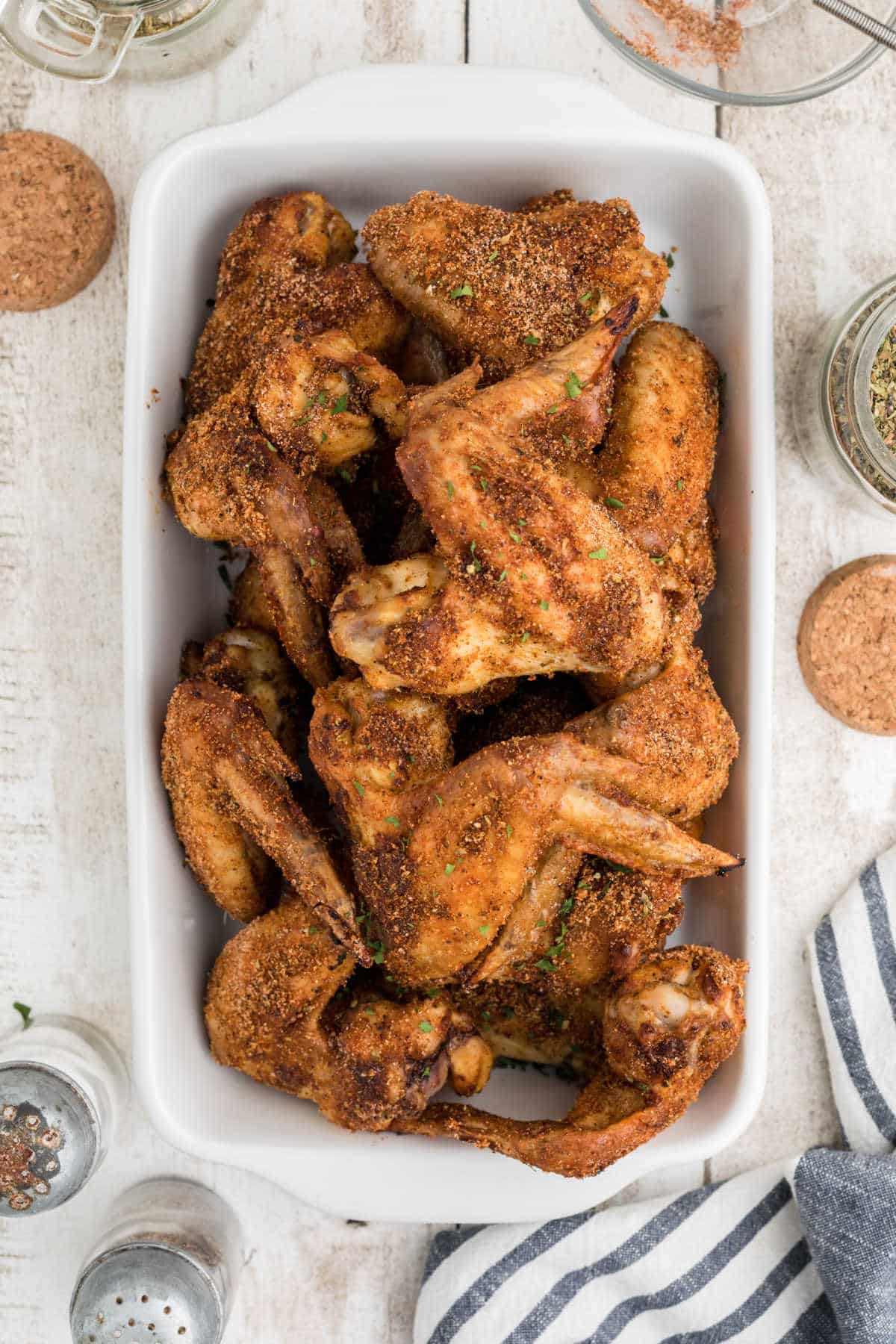
- Roasted Meats and Poultry: Whether it’s a whole chicken for a Sunday dinner or pork shoulder for a festive gathering, a Louisiana rub provides a flavorful exterior that becomes wonderfully succulent during roasting. The spices penetrate the meat, infusing it with their characteristic taste.
- Jambalaya and Gumbo (as a seasoning base): While not always used as a direct rub, the spice components of a Louisiana rub are frequently found within the foundational seasoning blends (the “holy trinity” of onions, bell peppers, and celery, along with garlic and spices) used to start classic Louisiana dishes like jambalaya and gumbo.
The adaptability of the rub means it’s a go-to for home cooks and professional chefs alike when seeking that authentic Louisiana flavor.
Experiencing Louisiana’s Flavors: A Journey for the Senses
The taste of Louisiana rub is an invitation to explore the rich culinary heritage of the state. From the bustling streets of New Orleans to the quiet charm of the bayous, flavor is king.
Planning Your Culinary Adventure
For travelers eager to taste authentic Louisiana rub firsthand, the possibilities are endless.
- New Orleans: This vibrant city is a must-visit for any food lover. Explore the historic French Quarter for Creole-inspired dishes, and venture into neighborhoods for more casual Cajun fare. Consider dining at iconic establishments like Galatoire’s, Commander’s Palace, or Antoine’s Restaurant, where classic flavors are meticulously prepared. For a taste of modern interpretations, explore the culinary scene in areas like the Bywater or the Warehouse District.
- Lafayette: Known as the “Happiest City in America” and the heart of Cajun Country, Lafayette offers a more down-to-earth, rustic culinary experience. Sample authentic boudin, étouffée, and gumbo at local diners and dance halls. Consider visiting restaurants like Randol’s or The Blue Dog Cafe.
- Baton Rouge: As the state capital, Baton Rouge boasts a diverse food scene with influences from all over Louisiana. Explore its many restaurants, from casual eateries serving po’boys to upscale dining establishments.
- Smoky Mountains Barbecue Trails: While not exclusively Louisiana, the influence of Louisiana rub can be found in barbecue joints across the Southeast, including those in neighboring states, offering a regional interpretation of these bold flavors.
Accommodations and Experiences
When planning your trip to experience these flavors, consider the range of accommodations available to suit your travel style.
- Luxury Resorts: For a pampered experience, consider a stay at a high-end resort in New Orleans, offering world-class amenities and proximity to fine dining.
- Boutique Hotels: Charming boutique hotels in historic districts provide a more intimate and atmospheric lodging experience.
- Vacation Rentals: For longer stays or family trips, consider a vacation rental, such as a villa or apartment, offering more space and flexibility. This is ideal for those wanting to immerse themselves in the local lifestyle, perhaps even trying their hand at making their own Louisiana rub with ingredients sourced from local markets.
- Budget-Friendly Options: Numerous hotels and motels offer comfortable stays without breaking the bank, allowing you to allocate more of your budget to experiencing the local cuisine.
Embracing the Lifestyle
The true essence of Louisiana lies in its laid-back lifestyle and its deep appreciation for good food and company. Whether you’re on a luxury escape, a budget-friendly adventure, or a family vacation, the flavors of Louisiana rub offer a delicious gateway to understanding the soul of this unique state. It’s a taste that speaks of history, culture, and a passion for life that is best savored one bite at a time. From the grandest resorts to the most humble roadside diners, the spirited zest of Louisiana rub promises an unforgettable gastronomic journey.
LifeOutOfTheBox is a participant in the Amazon Services LLC Associates Program, an affiliate advertising program designed to provide a means for sites to earn advertising fees by advertising and linking to Amazon.com. Amazon, the Amazon logo, AmazonSupply, and the AmazonSupply logo are trademarks of Amazon.com, Inc. or its affiliates. As an Amazon Associate we earn affiliate commissions from qualifying purchases.