
In the lush, volcanic landscapes of Hawaii, language is more than a tool for communication; it is a vessel for the islands’ ancient soul. Among the most frequently heard words—second perhaps only to “Aloha”—is “Mahalo.” To the casual visitor landing at Daniel K Inouye International Airport in Honolulu, Mahalo is quickly identified as the local equivalent of “thank you.” However, for those looking to immerse themselves truly in the local culture and tourism experience of the United States’ 50th state, the word carries a weight and spiritual depth that transcends a simple polite exchange. Understanding Mahalo is the first step toward traveling with intention and respect across the Pacific archipelago.

The Etymology and Spiritual Essence of Mahalo
To understand Mahalo within the context of Hawaiian tourism and culture, one must look at the roots of the word itself. In the native Hawaiian language, words often possess layers of meaning, known as kaona. While the modern usage is a generic expression of gratitude, the components of the word suggest a much deeper connection to the divine and the life force of the islands.
The Breath of Life: Ma, Ha, and Lo
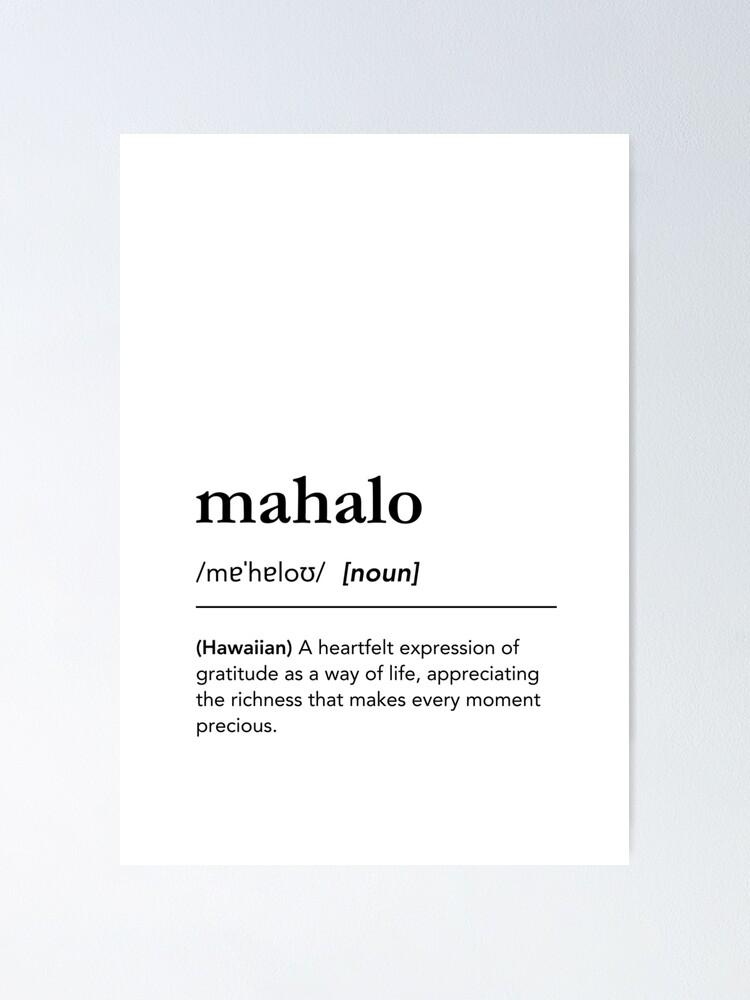
Linguists and cultural practitioners often break the word down into three distinct parts: “Ma,” which signifies “in” or “within”; “Ha,” which represents the “breath of life”; and “Lo,” which implies “presence” or “abundance.” When combined, Mahalo can be interpreted as “being in the presence of the divine breath.” This is not just a social nicety; it is an acknowledgement of the sacred life force that exists within every person and the natural world.
When you sit down for a traditional meal at the Polynesian Cultural Center on the North Shore of Oahu, saying Mahalo to your server is an acknowledgement of their spirit and the effort they have put into sharing their culture with you. It transforms a commercial transaction into a spiritual recognition.
Mahalo as a State of Being
In the realm of local tourism, Mahalo is often linked to the concept of Hoʻoponopono (making things right) and the Aloha Spirit. It suggests a state of mind where one is constantly mindful of the gifts received from the land and the community. For a traveler exploring the rugged coastlines of Kauai or the volcanic wonders of Hawaii Volcanoes National Park, Mahalo serves as a reminder to be grateful for the opportunity to witness such prehistoric beauty. It is an internal posture of appreciation that dictates how a tourist should interact with the delicate ecosystems of the Big Island.
Integrating Mahalo into Your Travel Etiquette
For the conscious traveler, using Mahalo correctly is a sign of respect for local customs. While everyone in Waikiki understands English, using the Hawaiian term for gratitude signals that you are a visitor who values the local heritage. However, knowing how and when to use it is key to authentic interaction.
Everyday Situations and Social Graces
Whether you are browsing the luxury boutiques at the Ala Moana Center or ordering a plate lunch in the historic town of Lahaina on Maui, Mahalo is always appropriate. It is used in the same contexts as “thank you.”
- Dining: Say it to the waitstaff after they bring your poi or kalua pig.
- Activities: Use it at the end of a guided tour of Pearl Harbor or after a surfing lesson at Kaanapali Beach.
- Service: It is customary to say Mahalo when receiving directions or assistance from hotel staff at resorts like the Hilton Hawaiian Village or the Royal Hawaiian Hotel.
Expanding the Vocabulary: Mahalo Nui Loa
If you want to express a deeper level of gratitude—perhaps for an exceptional experience at the Grand Hyatt Kauai or a particularly moving hula performance—the phrase “Mahalo nui loa” is used. Nui means large or great, and loa means very or much. Together, it translates to “thank you very much” or “my deepest gratitude.” Using this phrase shows a higher level of cultural engagement and is often met with a warm, genuine smile from locals.
The Misuse of Mahalo on Trash Cans
A common point of confusion for tourists involves the presence of the word “Mahalo” on waste bins in public parks or fast-food outlets. Many visitors mistakenly believe that “Mahalo” translates to “trash.” In reality, the word is placed there as a polite way of saying “Thank you for disposing of your litter.” It is an appeal to the traveler’s sense of Kuleana (responsibility) to keep the islands clean. This is particularly important when visiting pristine locations like Hanauma Bay, where environmental preservation is a top priority.

Cultural Nuances: Tourism through the Lens of Gratitude
Tourism in Hawaii is shifting toward a model of “Regenerative Tourism,” where the focus is not just on what the traveler gains, but what they give back. The concept of Mahalo is central to this movement. It encourages visitors to move beyond being mere spectators and to become participants in the preservation of the Hawaiian way of life.
Respecting the ‘Aina (The Land)
One of the most profound ways to practice Mahalo as a tourist is through your treatment of the land. When hiking the trails of Diamond Head or viewing the sunrise at Haleakala National Park, saying Mahalo to the mountains and the sea is a local tradition. This spiritual gratitude translates into practical actions: staying on marked trails, not removing lava rocks from Kailua-Kona, and respecting wildlife like the green sea turtles on Molokai.
Support for Local Communities and Traditions
True Mahalo involves recognizing the labor and heritage behind the attractions. When you visit the Iolani Palace, the only royal palace on United States soil, your entrance fee and your respectful presence are forms of Mahalo toward the preservation of Hawaiian history. Similarly, choosing to stay at locally managed boutique hotels rather than large international chains can be a way of showing gratitude to the community that hosts you.
Language as a Bridge
While “Mahalo” is the most famous, incorporating other words alongside it enriches the tourism experience.
- Aloha: Hello, goodbye, and love.
- Keiki: Children (often seen on menus at Aulani Disney Resort).
- Pau: Finished or done.
- Ohana: Family (including the “extended family” of fellow travelers).
By pairing “Mahalo” with these terms, you demonstrate that you have taken the time to learn the nuances of the destination, which is the highest form of respect a traveler can offer.
The Practical Impact of the Mahalo Spirit on Your Trip
Embracing the spirit of Mahalo does more than just make you a better tourist; it fundamentally changes the quality of your vacation. When you lead with gratitude, the typical stresses of travel—delayed flights at Kahului Airport, crowded beaches in Waikiki, or the humidity of Hilo—become minor footnotes in a much larger, more beautiful story.
Better Interactions with Locals
Hawaiians are known for their warmth, but they are also protective of their culture. A visitor who uses “Mahalo” with genuine intent is often treated with a reciprocal kindness that goes beyond standard professional service. You might find yourself receiving a recommendation for a “secret” beach on Lanai or an invitation to a family-style backyard BBQ because you approached the local community with a heart of Mahalo.
Mindful Photography and Social Media
In the age of Instagram, tourism often becomes about “getting the shot.” A Mahalo-centric approach asks the traveler to pause. Before taking a photo of a sacred Heiau (temple) or a local fisherman on the shores of Turtle Bay Resort, ask yourself if you are acting with gratitude or entitlement. Saying a silent Mahalo for the beauty before you can lead to a more mindful and memorable experience than simply capturing a digital image.
Bringing Mahalo Home
The most significant impact of understanding what Mahalo means is the ability to take that spirit back with you. Whether you return to Seattle, New York, or London, the lesson of finding the “divine breath” in everyday moments of gratitude is the ultimate souvenir.
The next time you find yourself at a luau under the stars on Maui, or watching the surfers tackle the swells at Waimea Bay, remember that Mahalo is more than just a word. It is a philosophy of tourism that prioritizes respect, recognizes the sacred in the mundane, and builds a bridge of light between the visitor and the vibrant, living culture of Hawaii. By saying Mahalo, you aren’t just saying thank you; you are acknowledging your place in the incredible, breathing tapestry of the islands.
LifeOutOfTheBox is a participant in the Amazon Services LLC Associates Program, an affiliate advertising program designed to provide a means for sites to earn advertising fees by advertising and linking to Amazon.com. Amazon, the Amazon logo, AmazonSupply, and the AmazonSupply logo are trademarks of Amazon.com, Inc. or its affiliates. As an Amazon Associate we earn affiliate commissions from qualifying purchases.