
To ask “What does Montana mean?” is to delve far deeper than a simple definition of a name or a geographical location on a map. It’s an inquiry into the very soul of a place, a state of mind, and an enduring spirit that captivates all who visit. For the discerning traveler, understanding the true meaning of Montana is key to unlocking an unparalleled tourism experience—one steeped in vast natural beauty, rich cultural heritage, and an undeniable sense of freedom. Montana means mountains, yes, but it also means resilience, wilderness, community, and an invitation to reconnect with the elemental forces of nature and history.

The Etymological Roots and Geographic Splendor
The name “Montana” itself provides the foundational layer of its meaning, directly informing the expectations and experiences of those drawn to its borders.
The Spanish Influence and “Mountainous” Legacy
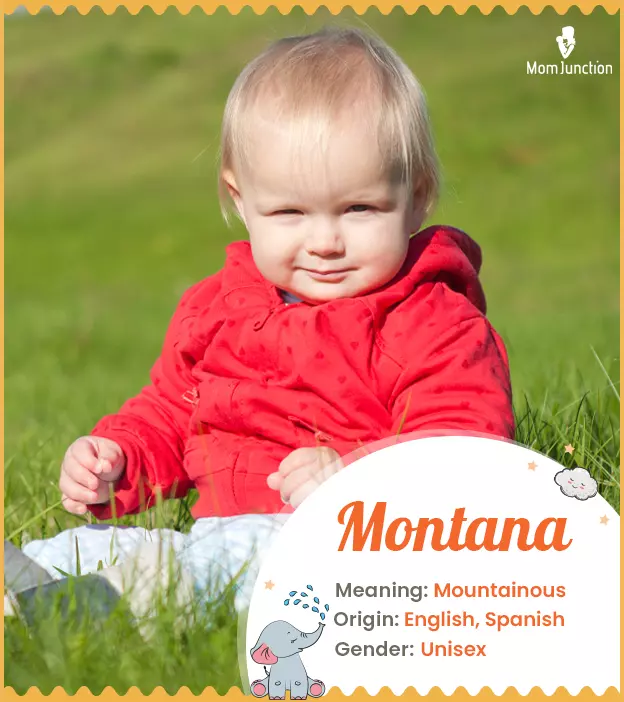
The name “Montana” originates from the Spanish word montaña, meaning “mountain” or “mountainous region.” This nomenclature, bestowed upon the territory long before its statehood, is not merely descriptive but profoundly indicative of its defining topographical feature. The western two-thirds of the state are dominated by the majestic ranges of the Rocky Mountains, a geological masterpiece that shapes everything from its climate and ecosystems to its economy and cultural identity. For tourists, this direct correlation between name and landscape means an immediate immersion into a world of dramatic peaks, alpine lakes, dense forests, and breathtaking valleys. It signifies opportunities for high-altitude adventure, unparalleled scenic beauty, and a direct engagement with one of North America’s most iconic mountain systems. The name promises, and the landscape delivers, a truly mountainous experience.
A Land of Vastness and Untamed Wilderness
Beyond the immediate connotation of mountains, Montana also means vastness. It is famously known as “Big Sky Country,” a moniker that perfectly encapsulates the expansive, unobstructed vistas that stretch to the horizon. This sense of limitless space, particularly prevalent in the eastern plains, complements the ruggedness of the mountains, creating a diverse landscape that caters to a wide array of tourist interests. Untamed wilderness is not just a feature; it’s a core tenet of what Montana means. From the designated wilderness areas to sprawling national forests and wildlife refuges, the state offers unparalleled opportunities for solitude, wildlife viewing, and a deep connection with nature. This vastness promises adventure for those seeking to explore uncharted territories, peace for those escaping the clamor of urban life, and an authentic encounter with an environment largely untouched by modern development.
A Tapestry of Indigenous and Pioneer Culture
The meaning of Montana is also woven from the intricate threads of human history, reflecting both ancient indigenous traditions and the enduring spirit of the American frontier.
Echoes of Native American Heritage
Long before the arrival of European explorers and settlers, various Native American tribes thrived across the lands that would become Montana. Tribes such as the Blackfeet, Crow, Flathead, Salish, Kootenai, Cheyenne, and Assiniboine shaped the landscape and its meaning for millennia. Their profound spiritual connection to the land, their rich oral traditions, and their vibrant cultures are still integral to Montana’s identity today. For tourists, understanding this heritage means recognizing that Montana is more than just scenic beauty; it’s a living museum of history. Opportunities abound to learn about these cultures through tribal museums, cultural centers, and annual powwows, offering a unique and respectful insight into the original stewards of this magnificent land. Experiencing this facet of Montana provides a deeper, more nuanced understanding of its past and present, enriching any visit beyond mere sightseeing.
The Enduring Spirit of the Old West
Following the indigenous presence, Montana became a crucible for the American Old West. The arrival of trappers, prospectors, cowboys, and homesteaders in the 19th century forged a distinct pioneer spirit that continues to define the state. The gold rush left behind ghost towns like Virginia City and Nevada City, which today serve as fascinating historical attractions, offering a tangible link to a bygone era. The cattle drives and vast ranches established the enduring cowboy culture that remains a vibrant part of Montana’s identity. For visitors, this means encountering a place where the legends of the West feel palpably real. From rodeos and working ranches to Western art museums and historical reenactments, Montana offers authentic experiences that transport travelers back to a time of rugged individualism, adventure, and the foundational myths of America. The spirit of the Old West isn’t just a historical footnote here; it’s a living, breathing tradition that informs the hospitality, the values, and the very character of the state.
Montana’s Iconic Natural Wonders: More Than Just Scenery
The “mountainous” meaning of Montana comes to life most vividly through its globally renowned national parks and an abundance of pristine waterways, each offering unique tourist experiences.

Glacier National Park – Crown of the Continent
When one considers the meaning of Montana, Glacier National Park invariably rises to the forefront. Often called the “Crown of the Continent,” this magnificent wilderness perfectly embodies the “mountain” aspect of Montana’s name. It’s a land sculpted by ancient glaciers, featuring jagged peaks, turquoise lakes, and an intricate network of hiking trails that lead to unparalleled vistas. For the tourist, Glacier National Park offers iconic drives like the Going-to-the-Sun Road, which provides access to a breathtaking alpine world. Wildlife viewing is exceptional, with opportunities to spot grizzly bears, mountain goats, and bighorn sheep. The park is a major magnet for hikers, backpackers, and nature photographers, serving as a powerful symbol of pristine wilderness and a core reason why millions visit Montana each year. Its existence underscores the state’s commitment to preserving its natural heritage and offering truly wild experiences.
Yellowstone National Park’s Northern Gateway
Montana’s meaning is further amplified by its significant connection to the world’s first national park, Yellowstone National Park. While the majority of Yellowstone lies in Wyoming, Montana hosts crucial northern and western gateways, specifically through the towns of Gardiner and West Yellowstone. This unique positioning allows visitors to experience the thermal wonders and incredible wildlife of Yellowstone from a distinct Montana perspective. The northern range, accessible via Gardiner, is renowned for its year-round wildlife viewing in the Lamar Valley, often dubbed “America’s Serengeti.” From Montana, tourists can easily access geysers, hot springs, and vast wilderness areas that define Yellowstone. This dual national park access solidifies Montana’s reputation as a premier destination for experiencing grand, untamed natural landscapes and highlights its role as a steward of some of the planet’s most iconic ecosystems.
Rivers, Lakes, and Outdoor Pursuits
Beyond the national parks, the meaning of Montana is deeply intertwined with its abundant waterways. The state is crisscrossed by legendary rivers such as the Missouri River, Yellowstone River, and Flathead River, and boasts expansive lakes like Flathead Lake, the largest freshwater lake west of the Mississippi. These aquatic treasures are not merely scenic backdrops but are central to Montana’s identity as an outdoor paradise. They define world-class fly fishing, attracting anglers from around the globe seeking trophy trout. They offer opportunities for whitewater rafting, kayaking, boating, and paddleboarding, providing refreshing ways to experience the state’s natural beauty. For tourists, these waterways mean endless recreational possibilities, contributing significantly to the state’s vibrant tourism economy and allowing visitors to engage with Montana’s wild heart in active and immersive ways.
The Montana Experience: Embracing the “Big Sky” Lifestyle
The collective meaning of Montana culminates in a distinctive lifestyle and a unique visitor experience that blends adventure, authenticity, and a welcoming spirit.
Adventure and Recreation for Every Season
Montana truly means year-round adventure. Its diverse landscapes translate into a kaleidoscope of recreational opportunities that shift with the seasons. In winter, the mountains transform into a wonderland for skiing and snowboarding, with resorts like Big Sky Resort and Whitefish Mountain Resort offering world-class slopes and abundant powder. Spring and summer bring ideal conditions for hiking, mountain biking, horseback riding, and rock climbing across its vast wilderness areas and national forests. Fall ushers in spectacular foliage, crisp air perfect for exploring, and premier hunting seasons. This consistent offering of high-quality outdoor recreation ensures that Montana remains a vibrant destination regardless of the time of year, catering to thrill-seekers, nature lovers, and those simply looking to breathe fresh, clean air and engage with the environment.
Gastronomy and Local Flavors
To understand what Montana means is also to savor its unique local flavors. The state’s cuisine is a reflection of its ranching heritage, its bountiful wildlands, and a growing appreciation for farm-to-table practices. Tourists can experience authentic tastes like tender bison and elk, locally sourced beef, and the ubiquitous, delicious huckleberry, found in everything from pies to jams and ice cream. The craft beverage scene is thriving, with numerous microbreweries and distilleries offering locally inspired creations. Engaging with Montana’s food culture means supporting local producers, understanding the connection between the land and its sustenance, and experiencing another authentic layer of the state’s identity. From fine dining in cities like Missoula and Bozeman to hearty meals in small-town diners, the culinary journey adds a delightful dimension to the Montana experience.
The Spirit of Hospitality and Community
Perhaps one of the most heartwarming aspects of what Montana means is the genuine spirit of hospitality found among its residents. Despite its vastness, Montana maintains a strong sense of community, particularly in its smaller towns. Visitors often remark on the friendly, down-to-earth nature of Montanans, who are eager to share their love for their state. This welcoming atmosphere is crucial to the overall tourism experience, transforming a simple trip into a memorable encounter with genuine Western charm. Whether it’s a helpful tip from a local shopkeeper, a friendly wave from a passing rancher, or the camaraderie felt in a small-town brewery, the people of Montana contribute significantly to the positive and authentic meaning of the destination. From the state capital of Helena to the bustling city of Billings and every point in between, this intrinsic kindness ensures that tourists feel not just like visitors, but welcomed guests.
Conclusion: Montana – A Destination of Profound Meaning
In summation, “What does Montana mean?” is a question that yields a multifaceted answer, each layer contributing to its profound appeal as a tourism destination. It means “mountainous,” a promise of spectacular peaks and untamed wilderness that draws adventurers and nature lovers alike. It means a deep historical resonance, from its indigenous roots to its enduring Old West legacy, offering rich cultural experiences. It means iconic natural wonders like Glacier and Yellowstone, ensuring breathtaking scenery and unparalleled outdoor recreation. Finally, it means a distinctive lifestyle, characterized by year-round adventure, authentic local flavors, and the warm, genuine hospitality of its people. Montana is more than a place on a map; it’s an immersive experience that speaks to the heart, fulfilling the longing for authenticity, grand landscapes, and a meaningful connection to the wild heart of America. To visit Montana is to truly understand its name—and to carry a piece of its vast, inspiring meaning with you long after you’ve left its Big Sky.
LifeOutOfTheBox is a participant in the Amazon Services LLC Associates Program, an affiliate advertising program designed to provide a means for sites to earn advertising fees by advertising and linking to Amazon.com. Amazon, the Amazon logo, AmazonSupply, and the AmazonSupply logo are trademarks of Amazon.com, Inc. or its affiliates. As an Amazon Associate we earn affiliate commissions from qualifying purchases.