
When travelers touch down in the vibrant, soul-stirring city of New Orleans, the first abbreviation they encounter on their boarding passes and luggage tags is MSY. For millions of passengers moving through the gateway of the United States Gulf Coast, this three-letter code is synonymous with the start of an unforgettable journey into Louisiana culture. But why exactly is the airport code MSY? The answer lies in a fascinating slice of aviation history that predates the modern era of commercial flight.
The Historical Origins of the MSY Code
The mystery of the MSY code is not found in the name of the modern airport, but rather in the history of the airfield upon which it sits. To understand the acronym, one must look back to the mid-20th century and the man for whom the original site was named: John Moisant.
The Legacy of John Moisant
John Moisant was a legendary aviator and a daredevil of the early 1900s. Known for his pioneering spirit and his competitive nature in the early days of aviation, Moisant was a significant figure in the history of flight. Tragically, in 1910, he met his end in a plane crash in Harahan, Louisiana, very close to where the current airport is situated.
From Moisant Field to MSY
When the airfield was first established in the 1940s, it was officially named Moisant Field in honor of the fallen aviator. In the era of developing aviation infrastructure, airport codes were assigned based on the name of the facility. “Moisant” was contracted into the three-letter identifier “MSY” to help aviation professionals and pilots quickly identify the location. Even as the airport evolved and was eventually renamed the Louis Armstrong New Orleans International Airport, the International Air Transport Association (IATA) kept the original MSY code, as is customary for major airports to maintain consistency in global travel systems.
Navigating the Gateway to the Crescent City
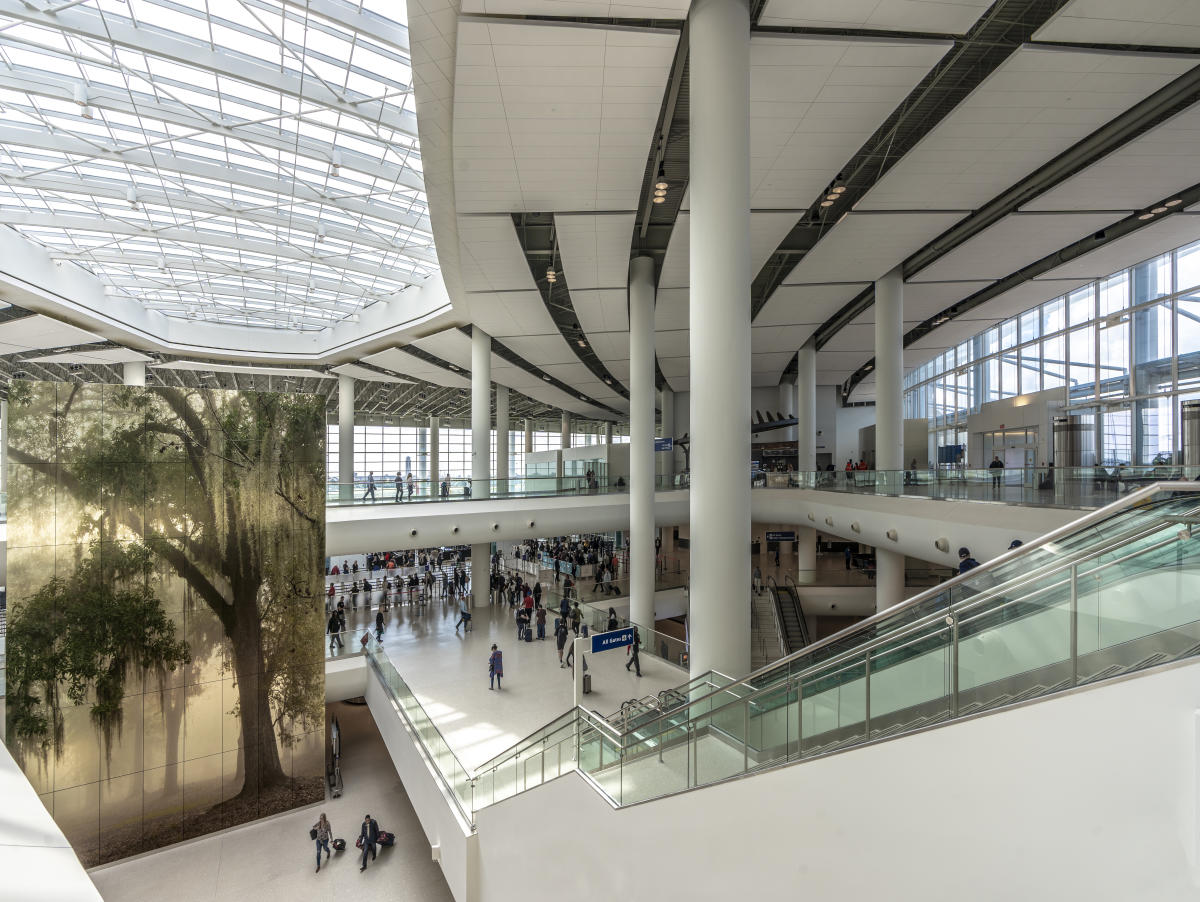
Today, the Louis Armstrong New Orleans International Airport serves as the primary hub for travelers looking to explore the unique charm of New Orleans. Since the opening of its state-of-the-art terminal in 2019, the airport has undergone a transformation, reflecting the modern standards of travel while still paying homage to the city’s rich musical and cultural heritage.
Modern Facilities and Traveler Experience
The current terminal building is designed to handle millions of passengers annually with ease. With airy concourses, locally-inspired dining options that feature staples like beignets and po-boys, and art installations that capture the spirit of Louisiana, MSY is more than just a transit point—it is an introduction to the local culture.
The airport’s efficiency in processing domestic and international arrivals has made it a preferred choice for business travelers and tourists alike. Whether you are arriving for Mardi Gras or a weekend trip to the French Quarter, the transition from the tarmac to the city is streamlined to ensure you reach your accommodation as quickly as possible.
Transportation from MSY to the City Center
Travelers arriving at MSY have a variety of options to reach the heart of New Orleans. From ride-sharing services and taxis to the dedicated airport shuttle, connectivity remains a priority. For those looking to immerse themselves in the local atmosphere immediately, the shuttle bus provides a cost-effective route toward Canal Street and the central business district.
The Cultural Connection: Music and Travel
It is fitting that the airport is named after Louis Armstrong, one of the most influential jazz musicians in history. The connection between the airport and the city’s identity is profound, and the airport administration works hard to ensure that the “Crescent City” vibe is felt the moment one exits the jet bridge.
The Soundtrack of the Terminal
Music is the lifeblood of New Orleans, and you can often hear live jazz performances within the terminal. This initiative ensures that the MSY code is associated not just with logistics, but with the melody and rhythm that define the regional experience. By blending the historical Moisant Field identity with the modern cultural icon that is Louis Armstrong, the airport creates a bridge between the past and the present.
A Hub for Global Travelers
Beyond its historical and musical significance, MSY functions as a crucial economic engine for the state of Louisiana. It connects the unique atmosphere of the deep south with global markets. Tourists from all over the United States and abroad flock to the city, and the airport remains the primary point of entry for those seeking the culinary delights of Garden District restaurants or the historical architecture of Jackson Square.
Frequently Asked Questions for Travelers
For those planning their first visit to this iconic city, knowing the logistics of the airport can remove some of the stress associated with air travel.
Is MSY the only airport in New Orleans?
Yes, Louis Armstrong New Orleans International Airport is the sole commercial international airport serving the greater New Orleans area. While there are smaller regional airfields nearby, they do not accommodate major commercial passenger traffic.
Why do some airports have codes that don’t match their names?
The case of MSY is a classic example of why airport codes often differ from the current names of the airports they identify. Historically, many airports were named after specific geographic fields or individuals (like John Moisant). Once the IATA assigns a three-letter code, it is rarely changed because changing it would disrupt airline systems, ticketing databases, and flight planning software globally.

How far is MSY from the city center?
The airport is located in Kenner, Louisiana, approximately 15 miles west of downtown New Orleans. Depending on traffic, the drive to the French Quarter usually takes between 20 to 30 minutes, making it a very accessible entry point for visitors.
By understanding the history of the MSY code, travelers gain a deeper appreciation for the city they are about to explore. New Orleans is a place where every corner, every street name, and even every airport code has a story to tell. Whether it is the legacy of early aviation pioneers or the spirit of legendary jazz musicians, the identity of this city is woven into every detail, welcoming visitors from all walks of life to experience the magic of the Deep South. As you land at MSY, you are not just arriving at a destination; you are stepping into a legacy of courage, culture, and musical history that spans over a century. Enjoy your time exploring the unique architecture, vibrant street life, and unparalleled hospitality that define this extraordinary region of the United States.
LifeOutOfTheBox is a participant in the Amazon Services LLC Associates Program, an affiliate advertising program designed to provide a means for sites to earn advertising fees by advertising and linking to Amazon.com. Amazon, the Amazon logo, AmazonSupply, and the AmazonSupply logo are trademarks of Amazon.com, Inc. or its affiliates. As an Amazon Associate we earn affiliate commissions from qualifying purchases.