
The vibrant heart of Florida, a city synonymous with magic, adventure, and unparalleled entertainment, is none other than Orlando. But beyond the dazzling theme parks and sun-drenched attractions lies a deeper question: what does the name “Orlando” truly signify? Exploring the etymology and historical context of this beloved destination reveals a fascinating tapestry of cultural influences and enduring legacies, offering a richer understanding of the city’s identity and appeal.
Origins and Etymological Roots
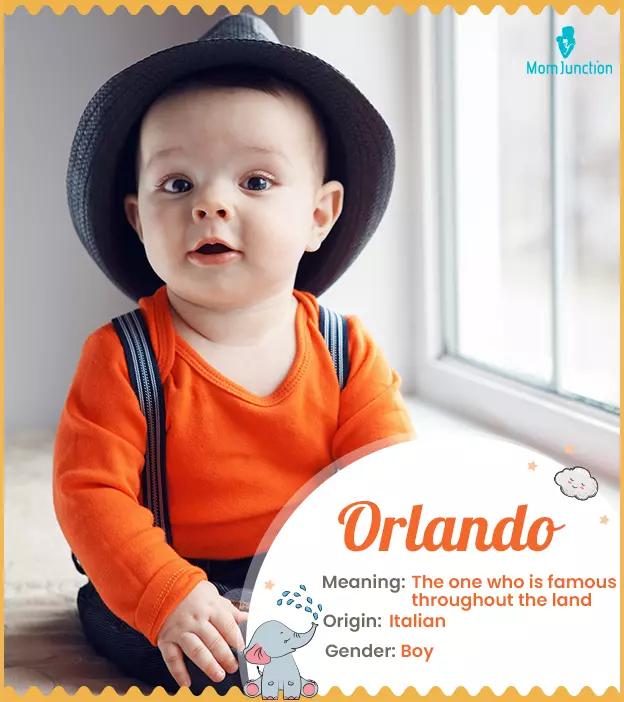
The name “Orlando” itself carries a storied past, echoing through centuries and across continents before finding its permanent home in the Sunshine State. The most widely accepted origin traces the name back to the Italian epic poem Orlando Furioso (The Frenzy of Orlando) by Ludovico Ariosto, first published in 1516. This chivalric romance tells the tale of the paladin Orlando, a valiant knight in the service of Charlemagne, whose exploits and emotional turmoil form the narrative’s core. The name “Orlando” is a variant of the Germanic name Roland, meaning “famous land” or “land of fame.”
The poem’s immense popularity during the Renaissance meant that the name Orlando became widely recognized throughout Europe. It was subsequently adopted in various forms and languages, contributing to its eventual transplantation to the New World. While the direct connection between Ariosto’s poem and the naming of the city in Florida isn’t a simple, one-to-one translation of meaning, the cultural resonance of the name likely played a significant role. It evoked a sense of grandeur, heroism, and perhaps even a touch of romantic adventure – qualities that would later become intrinsically linked with the burgeoning spirit of Orlando as a destination.
The Legend of Orlando: A Paladin’s Legacy
The character of Orlando in Ariosto’s epic is a complex figure, renowned for his strength and loyalty, but also prone to fits of madness when his love for the princess Angelica is thwarted. This narrative, filled with battles, enchantments, and emotional extremes, captured the imagination of readers for generations. The name, therefore, carried with it connotations of epic quests, noble deeds, and the passionate pursuit of love and honor.
When early settlers and surveyors encountered the area that would become Orlando, the name likely resonated with a sense of aspiration and significance. The choice of a name with such a rich literary and historical background suggests a desire to imbue the new settlement with a sense of destiny and distinction. It moved beyond a simple geographical descriptor to become a moniker imbued with cultural weight and imaginative potential.
Naming the City: Historical Accounts
The official naming of Orlando is often attributed to a discussion among early settlers in the mid-19th century. Several accounts exist, but a prominent narrative credits a former soldier named Aaron J. Blackwood. According to this story, Blackwood suggested the name “Orlando” during a community gathering, inspired by a Shakespearean character of the same name from the play As You Like It. In Shakespeare’s play, Orlando is a young nobleman who flees to the Forest of Arden and finds love and adventure. This interpretation also aligns with the romantic and adventurous undertones associated with the name.

Another version of the story involves a surveying team, where one member, likely familiar with the literary significance of the name, proposed it as a fitting tribute. Regardless of the exact circumstances, the consensus points to the name being chosen for its literary and cultural appeal, rather than any direct geographical or indigenous connection. This deliberate selection of a name with pre-existing resonance underscores the settlers’ intent to create a place with a memorable and evocative identity.
The Influence of Literature and Culture
The choice of a name drawn from European literary traditions is not uncommon in the history of American place-naming. It reflects the cultural heritage of the early settlers and their desire to connect their new homes to the intellectual and artistic achievements of the Old World. In the case of Orlando, the name’s association with both a legendary knight and a romantic hero from Shakespeare provided a dual layer of meaning: one of heroic endeavor and another of romantic adventure.
This literary heritage has, in a subtle yet profound way, shaped the perception of Orlando over time. While the city has evolved into a global hub for family entertainment, the underlying romantic and adventurous spirit evoked by its name continues to resonate, perhaps contributing to its enduring appeal as a place where dreams can take flight.
The Modern Resonance of “Orlando”
Today, the name Orlando evokes a powerful set of associations for millions worldwide. It is inextricably linked with iconic theme parks like Walt Disney World Resort and Universal Orlando Resort, which have transformed the city into a premier tourist destination. These parks, with their fantastical landscapes, thrilling rides, and immersive storytelling, embody a spirit of enchantment and escapism that aligns surprisingly well with the imaginative connotations of the name “Orlando.”
The city’s identity is also defined by its role as a gateway to a wealth of experiences. Beyond the theme parks, Orlando offers vibrant culinary scenes, lush natural landscapes, and a burgeoning cultural landscape. From the tranquil beauty of the Harry P. Leu Gardens to the high-octane excitement of its sports arenas, the city provides a diverse array of activities that cater to a broad spectrum of interests.

A Meaning Beyond Etymology
While the etymological roots of “Orlando” are fascinating, its true meaning in the modern context is a collective creation. It is a name that signifies joy, wonder, and the pursuit of unforgettable experiences. It represents a place where families create cherished memories, adventurers seek new thrills, and individuals can escape the ordinary and embrace the extraordinary.
The name has transcended its literary origins to become a brand, a destination, and a feeling. It embodies the spirit of innovation and imagination that has propelled its growth and success. In this sense, “Orlando” means more than just “famous land”; it signifies a land of dreams, a realm of fantasy, and a destination where the magic of exploration and entertainment comes alive. The city’s ability to consistently reinvent itself while retaining a core sense of wonder is perhaps the most profound meaning its name has come to embody in the 21st century.
LifeOutOfTheBox is a participant in the Amazon Services LLC Associates Program, an affiliate advertising program designed to provide a means for sites to earn advertising fees by advertising and linking to Amazon.com. Amazon, the Amazon logo, AmazonSupply, and the AmazonSupply logo are trademarks of Amazon.com, Inc. or its affiliates. As an Amazon Associate we earn affiliate commissions from qualifying purchases.